
Short Answer
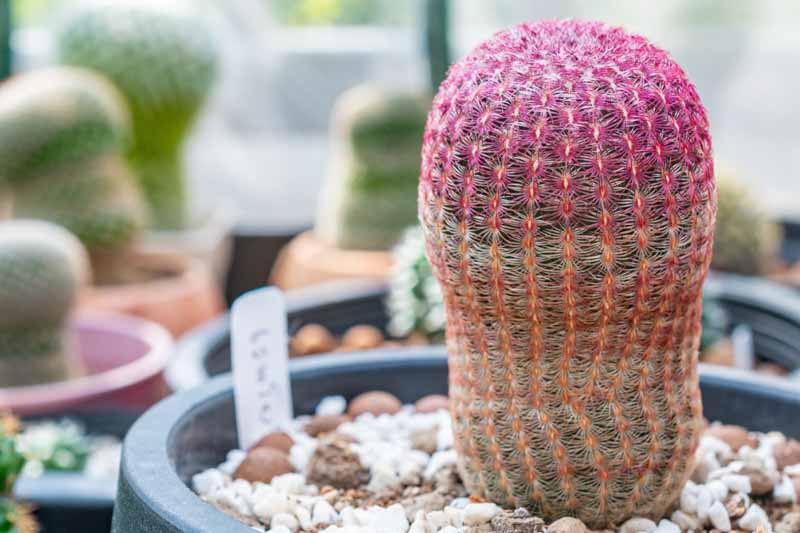
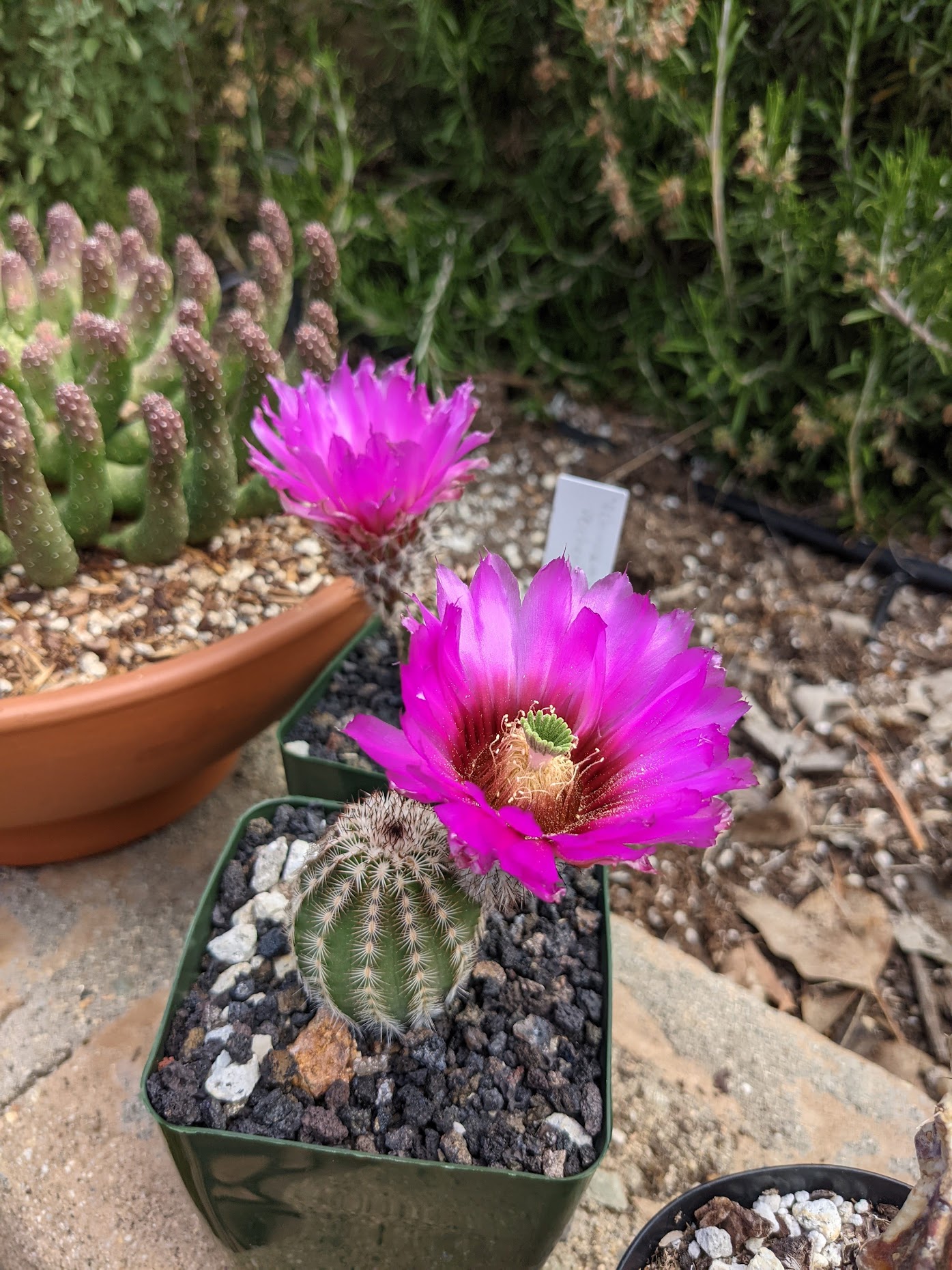
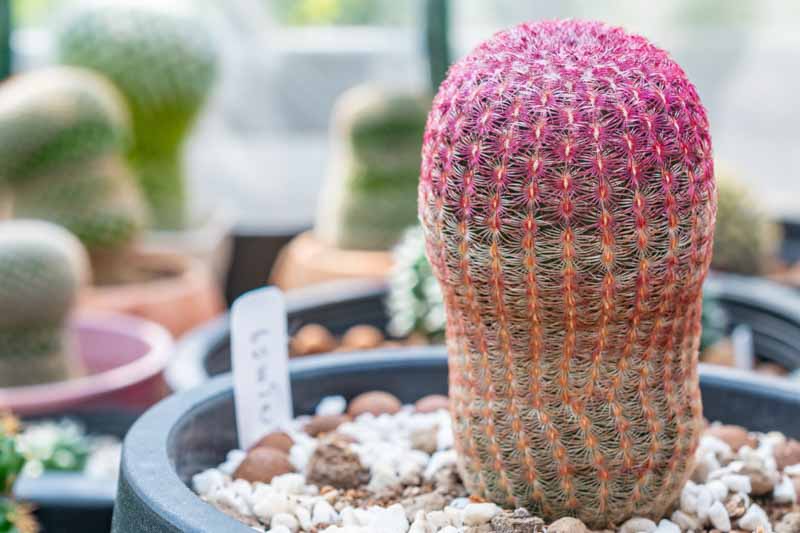
Have you ever wondered if the striking and spiny beauty of Echinocereus cacti could truly thrive within the confines of a container indoors? These delightful desert dwellers, known for their vibrant blooms and architectural forms, pose a curious challenge when relocated from their sun-soaked habitats to our cozy indoor spaces. Yet, with the right touch and knowledge, cultivating Echinocereus indoors can be a rewarding escapade into botanical artistry.
Choosing the Perfect Container: More Than Just a Pot
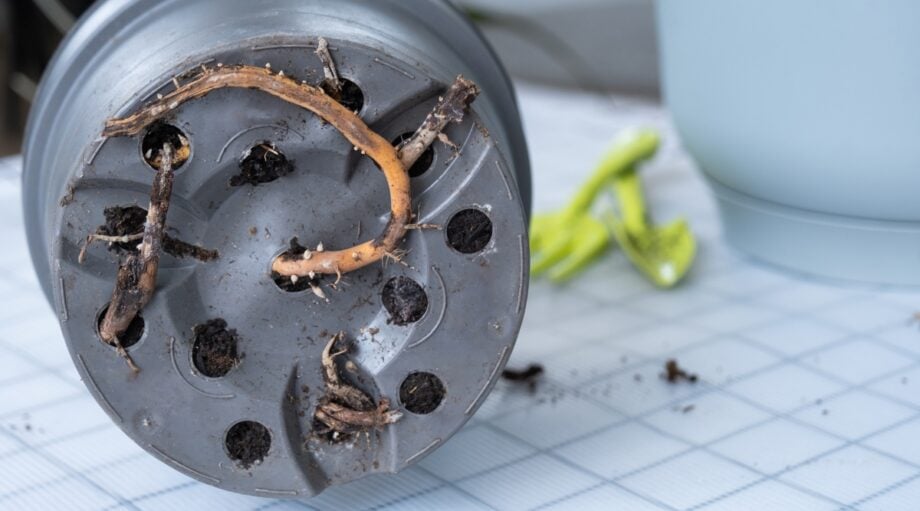
The journey of nurturing an Echinocereus indoors begins with selecting an appropriate container. While it may be tempting to choose a decorative planter purely for aesthetics, functionality must reign supreme. Echinocereus species demand containers with excellent drainage to prevent root rot—one of their few genuine indoor adversaries.
Opt for pots made from porous materials such as terracotta or unglazed ceramic that allow moisture to evaporate, ensuring the roots breathe freely. The container should be slightly larger than the root ball to provide room for growth but avoid excessive space that retains lingering moisture. Remember, these cacti thrive in arid, well-drained environments, so a shallow pot often works better than a deep, bulky one.
Soil Composition: Crafting a Desert-Inspired Substrate
One cannot underestimate the importance of soil substrate in the successful cultivation of containerized Echinocereus. These cacti are native to rocky, gritty soils where water swiftly escapes. Mimicking this natural foundation is essential to avoid soggy roots and provide proper aeration.
Create a bespoke potting mix by blending cactus potting soil with inorganic materials like pumice, coarse sand, or perlite. This mixture ensures superior drainage and prevents compactness. A commonly effective ratio is 70% cactus soil to 30% pumice or coarse sand. This concoction not only facilitates moisture control but also supports root anchorage for the sprawling roots of Echinocereus.
Illumination Imperatives: Harnessing Light Indoors
Here lies one of the most pivotal challenges in indoor cultivation—replicating the intense sunlight Echinocereus crave. These succulents flourish under direct, unfiltered sunlight, which indoor environments often fail to provide naturally.
Position your Echinocereus near a south or west-facing window where light is abundant for at least 6 to 8 hours daily. If natural light is scarce or inconsistent, supplement with a full-spectrum grow light designed to mimic the sun’s rays. This not only promotes robust growth but also intensifies the vibrant floral displays these cacti are famous for.
Beware of the pitfalls of insufficient light: stretching (etiolation), dull coloration, and overall decline. Conversely, too much sudden direct sunlight can cause sunburn on delicate pads if the plant is not acclimated gradually.
Watering Wisdom: Walking the Thin Line Between Thirst and Drowning
Echinocereus, like many desert cacti, have a remarkable ability to store water but limited tolerance for prolonged wet roots. Indoor watering routines should always err on the side of dryness rather than excessive moisture.
During the growing season (spring and summer), water the cactus thoroughly only when the top inch of soil feels dry to the touch. This often translates to watering about once every 10 to 14 days, depending on humidity and temperature. Reduce watering drastically in the dormant winter months—sometimes as infrequent as once per month—to mimic their natural seasonal cycles.
Overwatering is the silent assassin of container-grown cacti, inviting fungal diseases and root rot. Allowing the soil to dry completely between watering sessions is imperative for indoor Echinocereus to thrive.
Temperature and Humidity: Recreating the Desert’s Comfort Zone
Though Echinocereus are hardy and adaptable, they exhibit preferences that often contrast with typical household climates. These cacti favor warm days and cooler nights, with an ideal temperature range between 70°F to 90°F during their active growth phase, dropping to 50°F to 60°F during dormancy.
High humidity can be a detriment indoors. These succulents prosper in dry air, so avoid placing them in bathrooms or kitchens where moisture is elevated. If indoor humidity is uncomfortably high, supplement with a dehumidifier or ensure excellent air circulation around the plant. Avoid stagnant air, which can encourage pests and disease.
Fertilization Flair: Feeding Without Overindulging
Although Echinocereus are slow-growing and minimal feeders, container cultivation requires some nutrient supplementation to preserve vitality. Fertilize sparingly during the active growing season with a cactus-specific fertilizer diluted to half the recommended strength.
A balanced fertilizer with a formula around 10-10-10 (nitrogen-phosphorus-potassium) or one specifically designed for succulents works well. Apply once a month and cease feeding during the plant’s rest period in cooler months. Overfertilizing can lead to weakened structures and unsightly growth abnormalities.
Repotting Rituals: Timing and Technique
Every couple of years, container-grown Echinocereus appreciate a change of scenery—fresh soil, a slightly larger pot, and an opportunity to inspect their roots. The best time for repotting is early spring, just as growth resumes.
Gently remove the cactus using thick gloves or tongs to avoid its formidable spines. Loosen compacted soil and prune any decayed roots before placing into fresh, well-draining substrate. This refreshes the environment and prevents the accumulation of salts or pathogens that can accumulate indoors.
Common Pitfalls and Troubleshooting
Indoor cultivation inevitably presents hiccups. Yellowing or shriveled pads often indicate improper watering—either too much or too little. Pests such as spider mites or mealybugs can appear in dry indoor climates; regular inspection and early treatment are crucial.
Lack of blooming may be a sign of insufficient light or improper seasonal cues. Encouraging flowering might require cooler winter temperatures and optimal day-length conditions. Patience is key; Echinocereus often flower more prolifically as they mature.
Final Flourish: Embracing the Indoor Desert Landscape
Growing Echinocereus in containers indoors is a captivating endeavor that combines art and science, patience and intuition. While their spiky exteriors can seem unapproachable, these cacti invite cultivators to master desert survival within the four walls of a home or office.
With considered container choice, meticulous soil preparation, proper light management, and attentive watering, your Echinocereus can become a living sculpture of resilience and beauty—blooming vivid splashes of color amidst an indoor oasis. Are you ready to take on the challenge and let these desert jewels thrive where few would expect?
FAQ
How often should I water Echinocereus cacti indoors?
Water every 10-14 days during the growing season, allowing the top inch of soil to dry out between waterings.
What type of container is best for Echinocereus?
Choose containers made from porous materials with excellent drainage, such as terracotta or unglazed ceramic.
What light conditions do Echinocereus cacti need?
They require 6-8 hours of direct sunlight, ideally near a south or west-facing window.



Leave a Reply