
Short Answer
Unlocking the secret to coaxing vibrant blossoms from your Cleistocactus can transform your ordinary cactus collection into a breathtakingly floral spectacle. These statuesque columnar cacti, often admired for their architectural form, hold within them a surprising potential for lush, colorful flowering. Encouraging Cleistocactus to flower is not merely an act of horticulture—it’s a journey into understanding the subtle dialogue between plant and environment. Prepare to see your prickly friend in a new light as you delve into the intricacies that stimulate its flowering prowess.
Understanding the Natural Rhythm of Cleistocactus
Before embarking on any cultivation efforts, one must attune to the inherent lifecycle and habitat of Cleistocactus. Native to the arid highlands of South America, these cacti have evolved to flower under very specific climatic cues. Their bloom cycle is tightly intertwined with seasonal variations—especially temperature fluctuations and daylight duration. When you grasp this natural rhythm, you start to appreciate that flowering is not merely about adding fertilizer but about emulating an environment that tells the cactus it’s “time to bloom.”
Optimizing Light for Floral Initiation
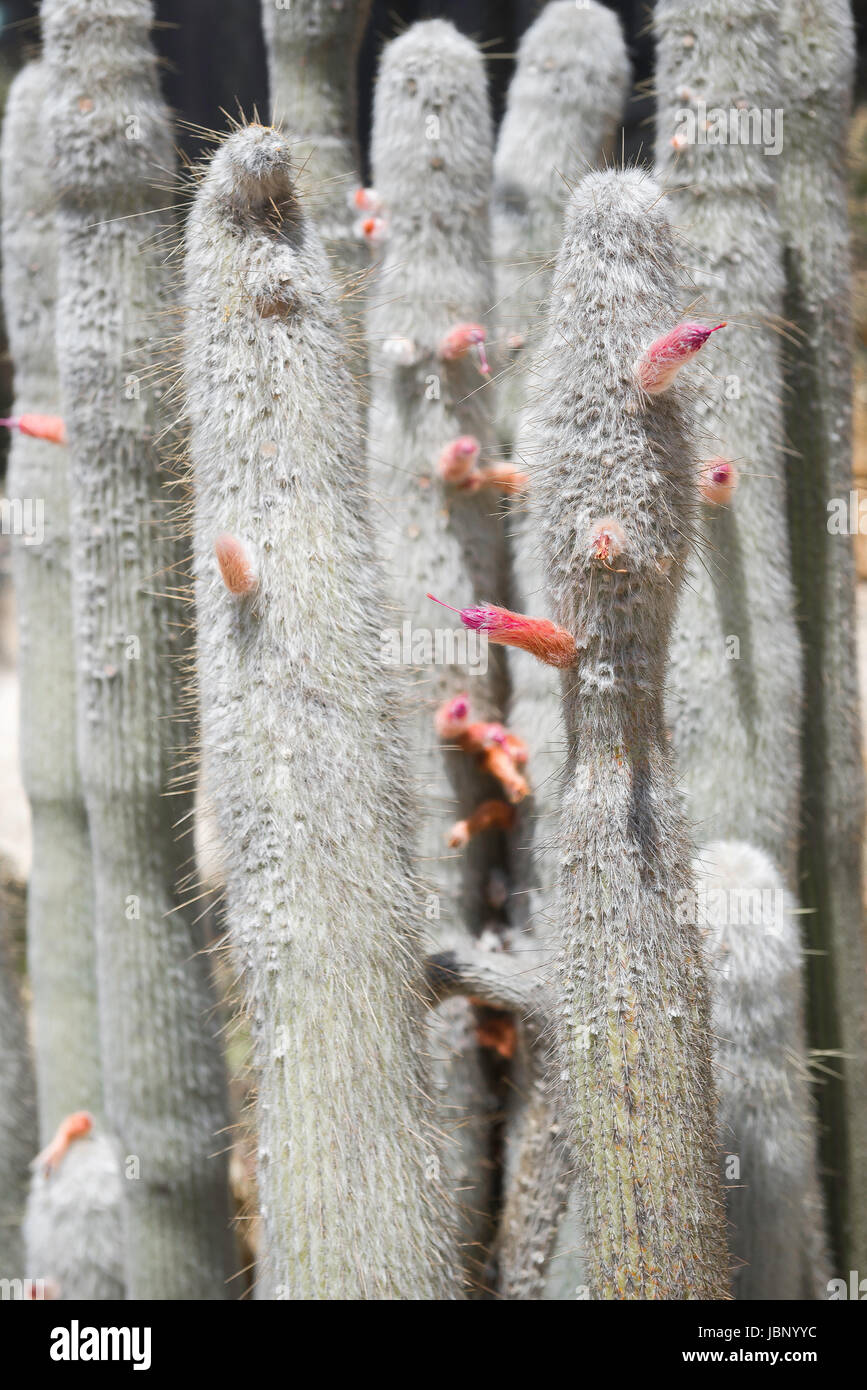
Light is the silent orchestrator of flowering in many plants, and Cleistocactus is no exception. These cacti flourish with an abundance of bright, indirect sunlight. However, sunlight must be calibrated carefully: while full, direct sunlight for prolonged periods can scorch their delicate skin, insufficient light will curtail flowering altogether. Positioning your Cleistocactus where it basks in morning sun and shaded afternoon glow mimics its natural mountain slopes. This balance acts as a floral trigger, initiating buds that burst into fiery red or orange blossoms.
The Power of Temperature Control
Intriguingly, the Cleistocactus thrives on a subtle tango of temperature changes. Cooler nights, especially during the winter months, stimulate physiological changes that prime the cactus for blooming. Providing a cooler dormancy period around 50–55°F (10–13°C) for several weeks replicates its native environment’s chill, signaling it to conserve energy and prepare for flowering. Conversely, avoid exposing the cactus to freezing temperatures, which can damage its delicate tissues.
Watering Regimen: The Art of Hydration and Restraint
Watering your Cleistocactus with precision is an art form that directly influences flowering. Overzealous watering not only stunts blooms but invites rot and fungal issues. During the growing season—from spring through summer—water moderately, allowing the soil to dry out completely between sessions. Come winter, reduce watering significantly to simulate the cactus’s natural dry rest period. This cyclical hydration mirrors nature’s pulse and encourages the plant to produce flowers as a reproductive imperative.
Soil Composition and Drainage Excellence
A thriving flowering Cleistocactus owes much to the soil it calls home. A bespoke mix providing excellent drainage is critical. Imagine a terrain with gritty, mineral-rich substrate reflective of rocky mountainous soils. Incorporate coarse sand, perlite, and small gravel with a touch of organic matter for optimum moisture retention without waterlogging. Such soil not only prevents root suffocation but also supports a healthy root system essential for flowering vigor.
Nutritional Cues: Feeding for Flowers
Providing the right nutrients at the right time infuses Cleistocactus with the vitality needed to produce resplendent flowers. During active growth, apply a balanced, diluted fertilizer rich in phosphorus—the elemental driver of flower development. Choose formulations with a higher middle number in the N-P-K ratio (e.g., 10-30-10). Avoid high nitrogen levels which promote excessive vegetative growth at the expense of blossoms. Fertilize monthly to sustain energy flow, but cease feeding in the dormant winter months to mirror natural cycles.
The Role of Pot Size and Root Space
Although many plants happily flourish with expansive root zones, Cleistocactus often flowers best when a little root-bound. A snug pot restricts excessive root growth and encourages the plant to divert energy toward reproduction rather than foliage. However, the container must not be so small as to cause stress or impede drainage. Repotting every two to three years with slightly larger pots maintains this delicate balance, renewing the substrate while preserving that gentle root constriction that sparks floriferous display.
Pricking Out and Propagation: Stimulating Growth and Bloom
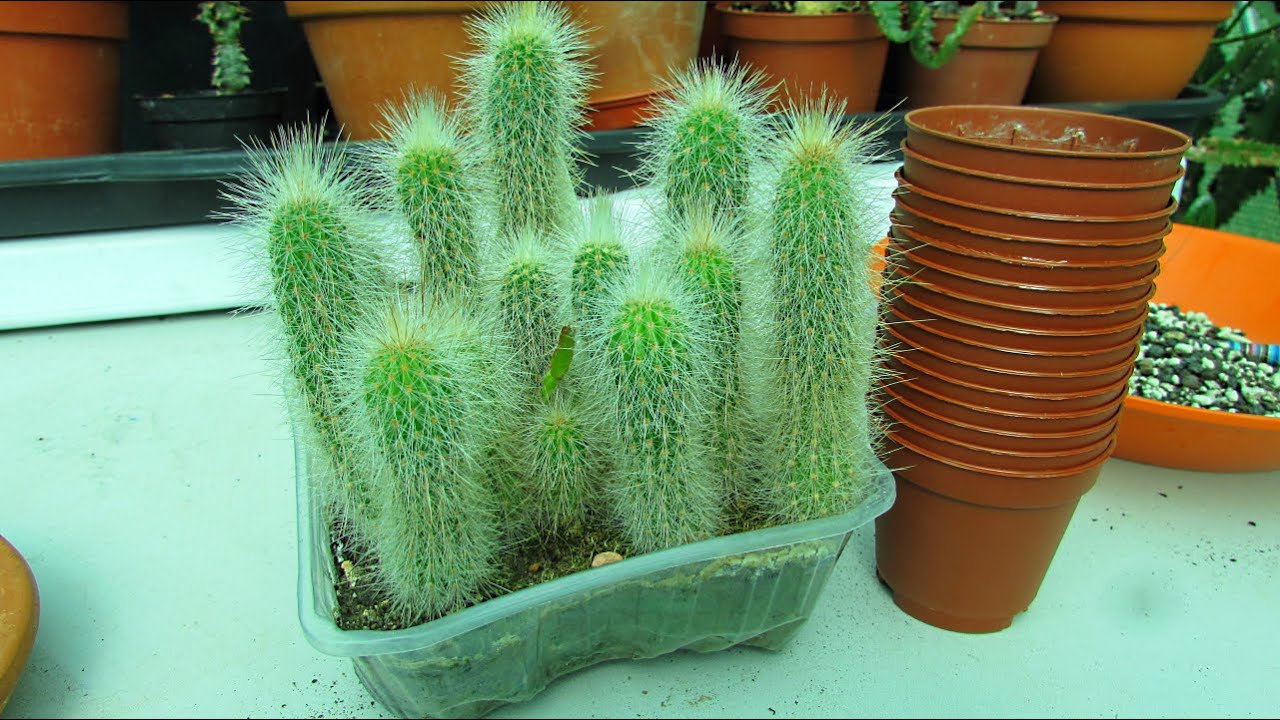
When starting from seedlings, a technique known as pricking out—transplanting small seedlings into individual pots—fosters healthier and more vigorous plants. Encouraging strong, well-spaced stem development at this stage lays the groundwork for future flowering. Each seedling, given ample access to nutrients and light, will mature with greater potential to produce blossoms. Patience during this tender phase is rewarded as a landscape of floral columns begins to emerge.
Pest and Disease Vigilance: Protecting the Floral Investment
A healthy Cleistocactus is far more likely to flower prolifically. Vigilance against pests such as spider mites, mealybugs, and scale insects is essential. Early detection and intervention with organic insecticidal soaps or horticultural oils prevent infestations that sap the plant’s strength. Similarly, avoiding overwatering protects against root rot and fungal infections. Maintaining pristine conditions ensures the cactus’s energy budget is preserved for the singular goal of producing vibrant flowers.
Patience and Observation: The Final Secret
Above all, encouraging flowering in Cleistocactus requires an attentive, patient gardener’s eye. Each specimen communicates its readiness in subtle signs—new growth spurts, firmened stems, or swelled buds. Timing, conditions, and care coalesce in an exquisite moment when the cactus unveils its floral jewels. This patiently earned reward transforms the mundane into the extraordinary, inspiring a deep appreciation for the botanical mysteries of the desert’s flowering spires.
Captivating Floral Varieties: Appreciating the Bloom
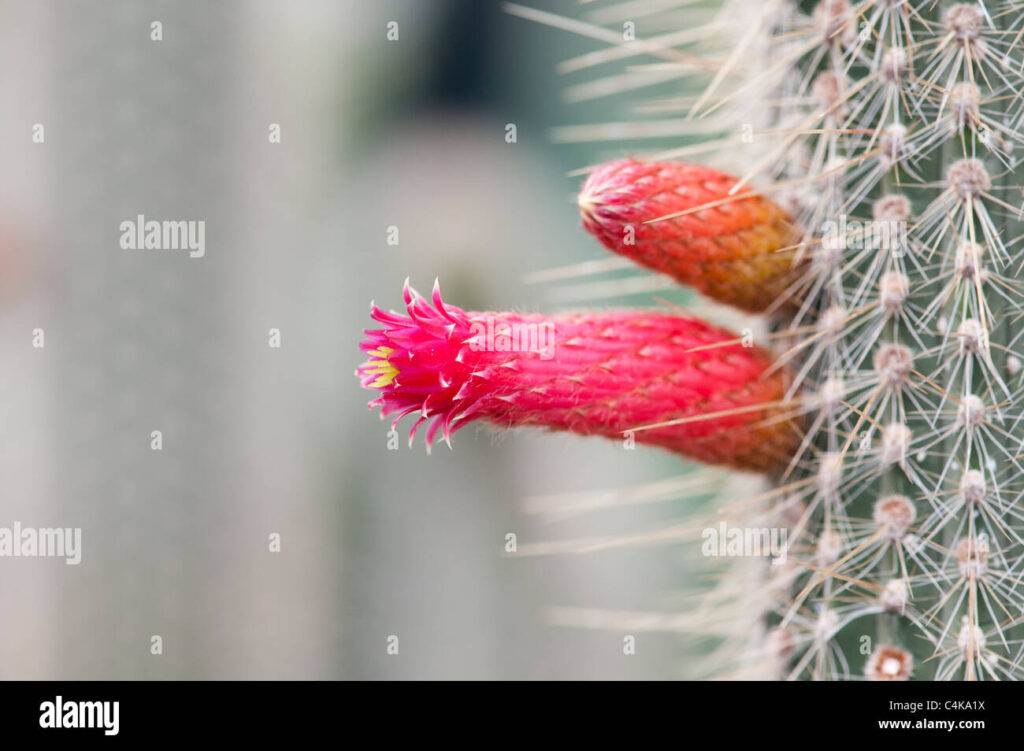
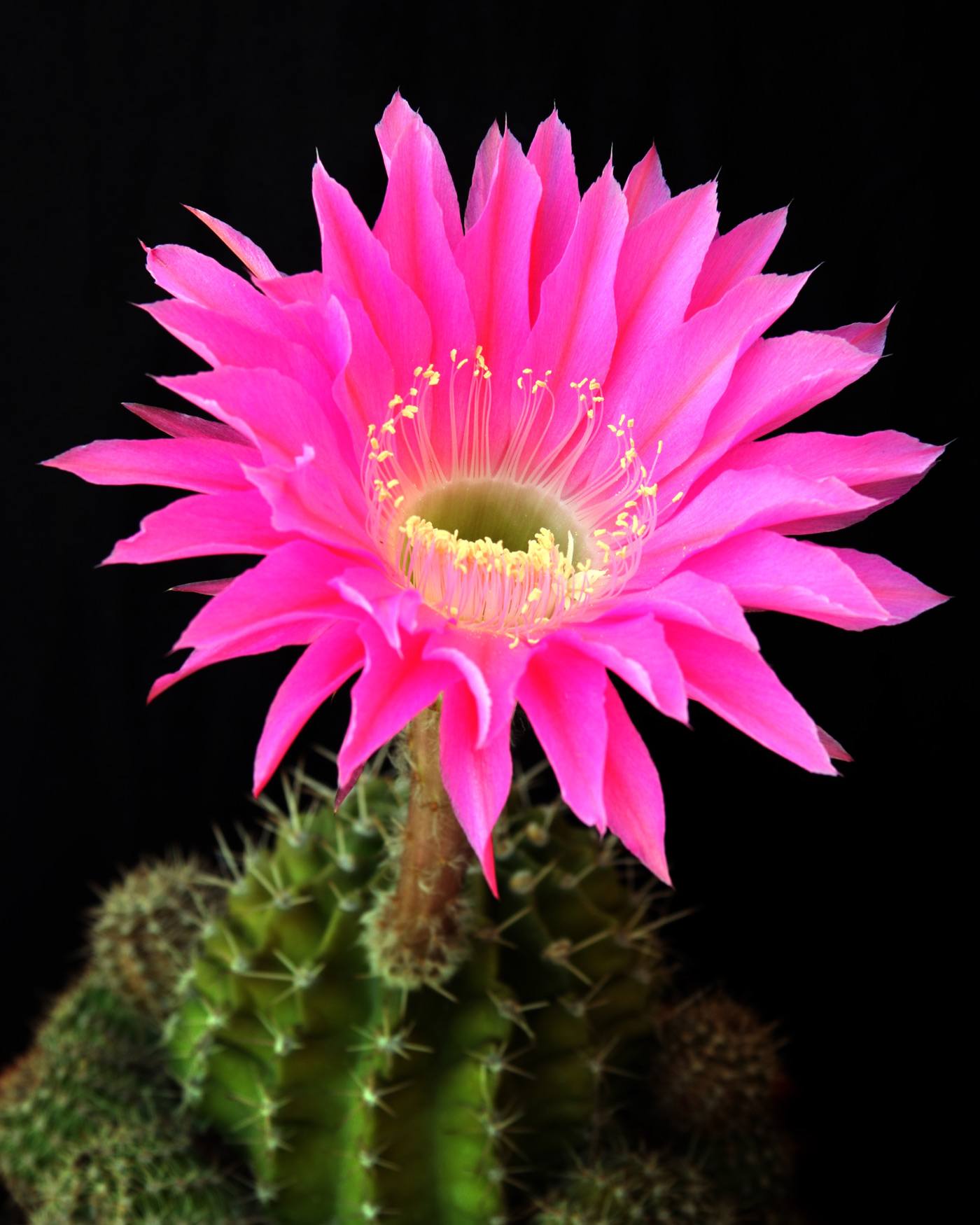
Once encouraged, the flowers that emanate from Cleistocactus are striking and often tubular, with vivid reds, oranges, or yellows that contrast sharply against the verdant green stems. Species like Cleistocactus parviflorus and Cleistocactus sepium present a mesmerizing display—each bloom a tiny marvel inviting pollinators and human admirers alike. The inflorescences add an unexpected dimension of elegance to these otherwise rugged plants, forever changing how you perceive their potential in your garden or collection.

By embracing these nuanced strategies—harmonizing light, temperature, watering, feeding, and attentive care—you unlock a transformative flowering phenomenon in Cleistocactus. The once stoic, architectural plant becomes a vivid proclamation of life and resilience, encouraging every cactus enthusiast to reimagine possibilities beyond the spines.
FAQ
What is Cleistocactus?
Cleistocactus is a genus of cacti known for their columnar shape and vibrant flowers, primarily found in South America.
How can I encourage my Cleistocactus to flower?
To encourage flowering, provide adequate light, control temperature, manage watering, and use the right soil and fertilizer.
Leave a Reply