

Short Answer
In the realm of succulent cultivation, few specimens evoke as much fascination and curiosity as the Discocactus. Native to the tropical forests of Brazil, these enigmatic cacti are more than just botanical curiosities; they embody a unique marriage of resilience and exquisite beauty. Yet, growing a Discocactus in conventional outdoor gardens often proves challenging due to their specific environmental needs. Enter the greenhouse—an arena where climate control, careful husbandry, and attentive observation can transform the prospects of this cryptic plant. Delving deep into the ideal conditions for nurturing Discocactus under glass not only promises a shift in perspective for seasoned growers but also invites the curious novice to embrace a world where botany meets artistry.
The Enigmatic Allure of Discocactus
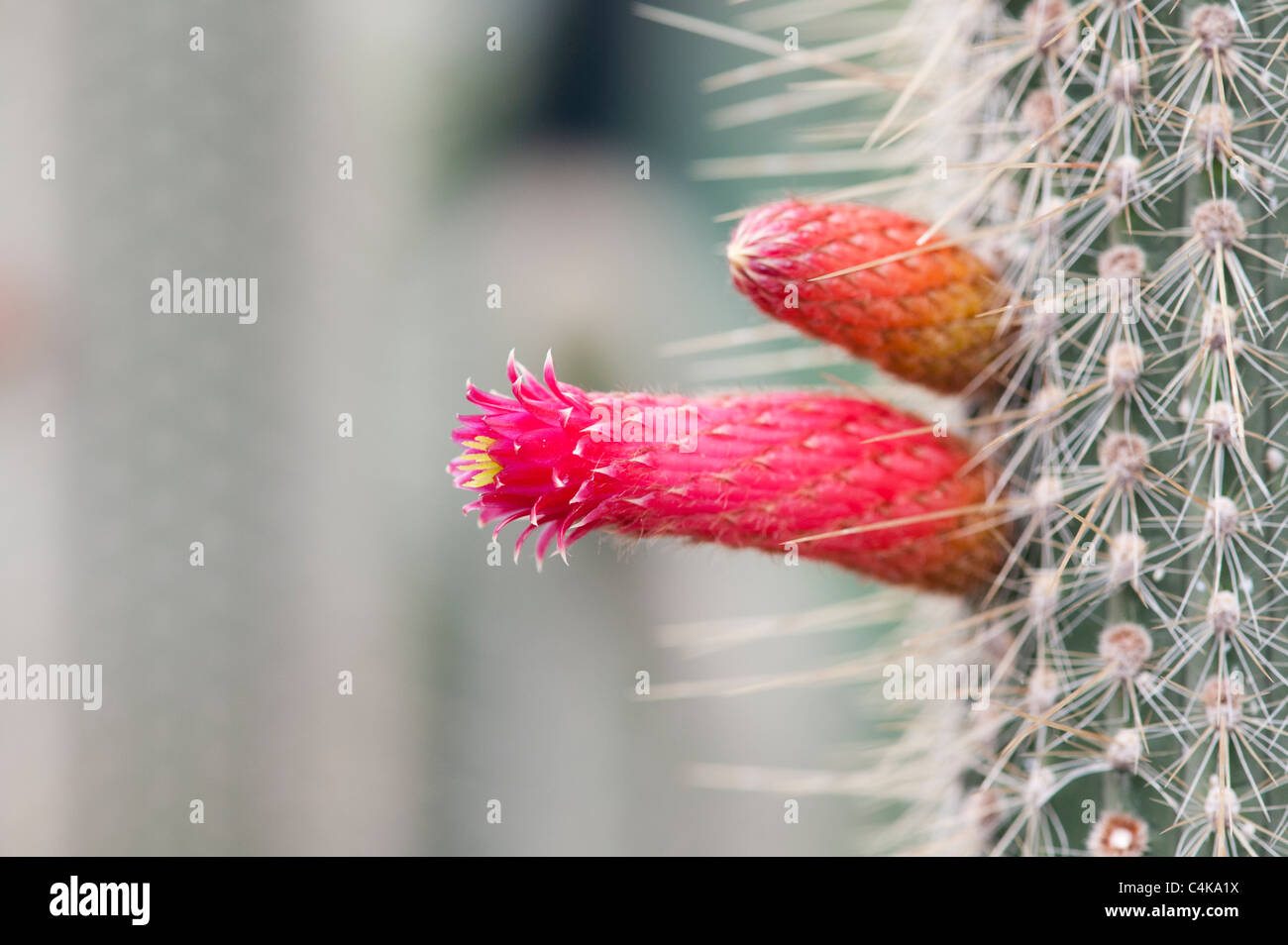
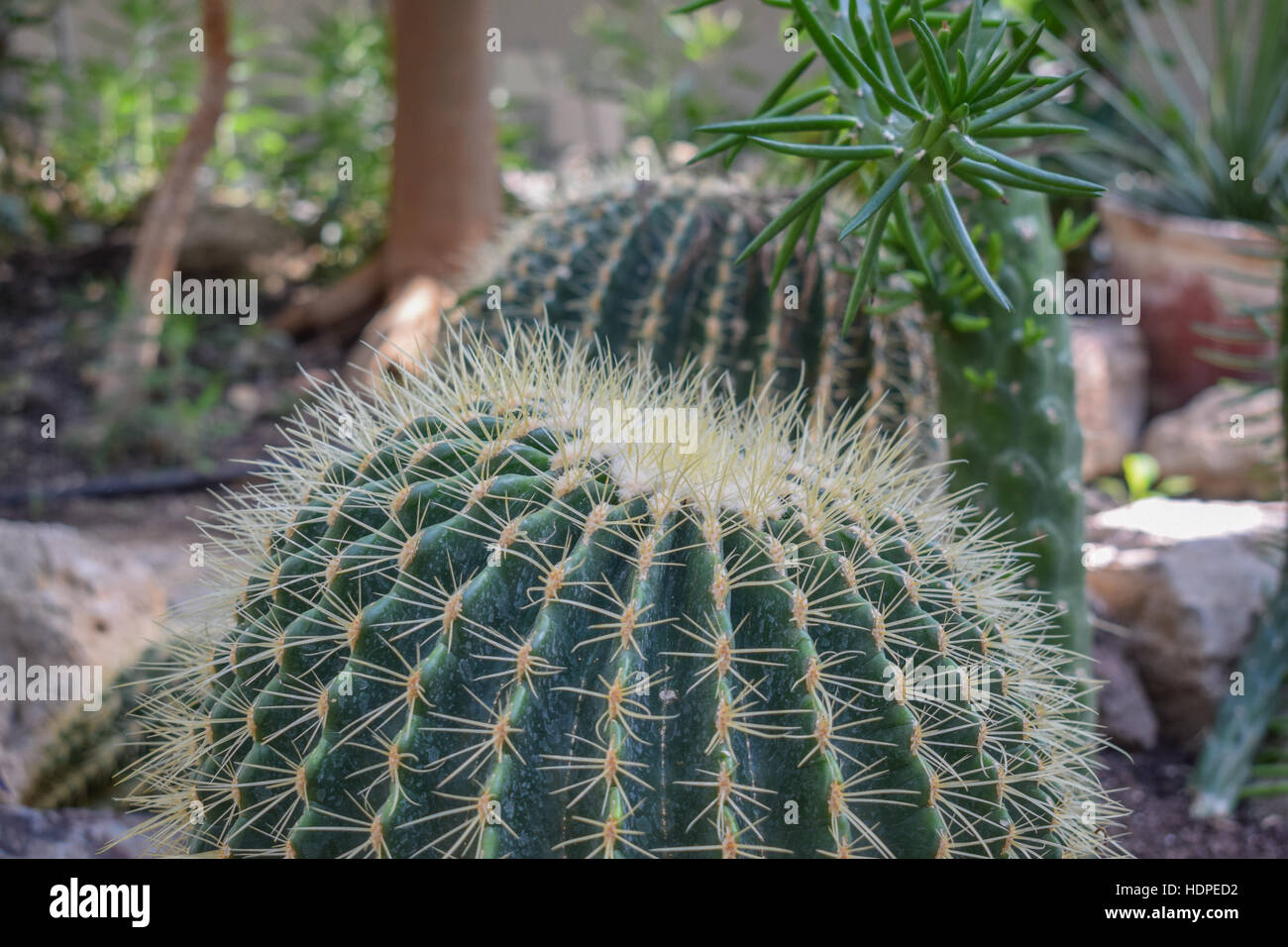
Discocactus are not just any cacti; their globular bodies, often adorned with dense, hairy areoles and crowned by striking nocturnal flowers, set them apart in the succulent kingdom. Their natural habitat, the humid, forested slopes of Brazil’s Serra do Mar, is a striking contrast to the arid environments commonly associated with cacti. Understanding this crucial ecological context challenges preconceived notions about cacti as mere desert dwellers. They thrive in conditions teetering between shade and light, moisture and dryness—a delicate balance difficult to replicate outdoors in many climates but achievable within the controlled embrace of a greenhouse.
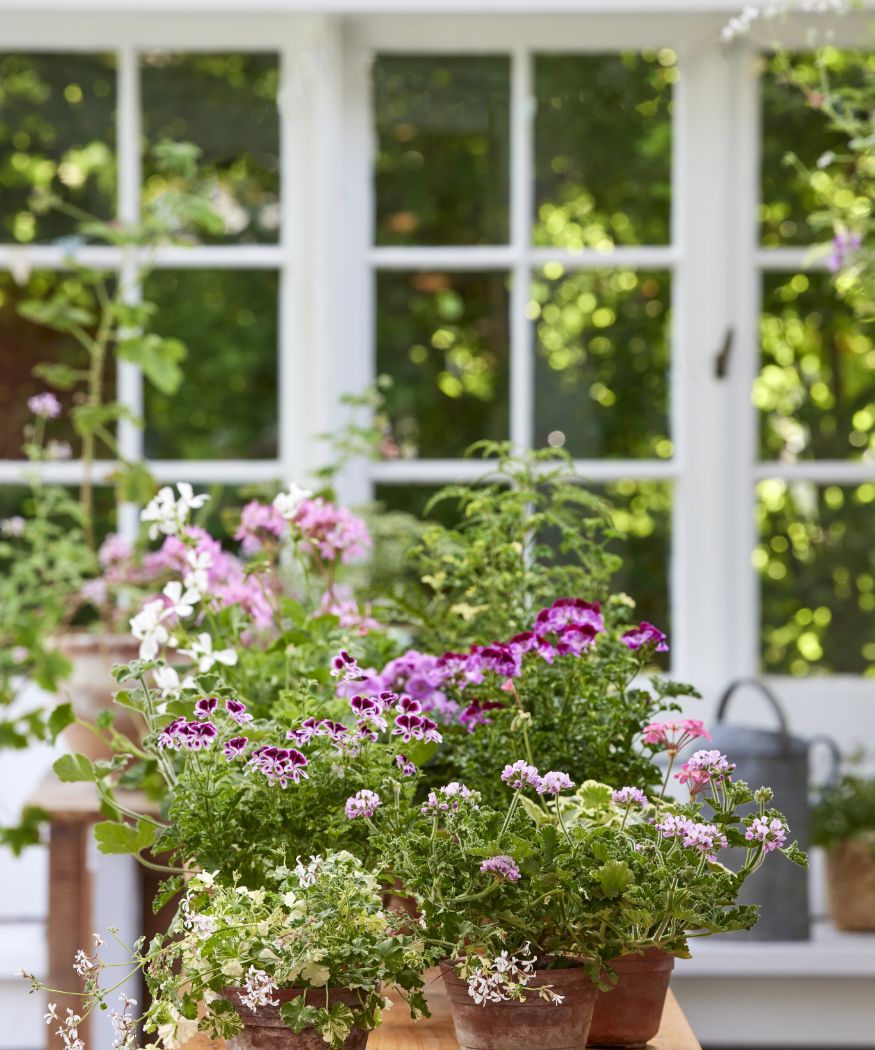
The Greenhouse: A Microcosm of Opportunity
Greenhouses act as a sanctuary where the mystique of Discocactus can be not only preserved but also amplified. These structures provide a unique canvas for mimicking the nuanced environment the cactus requires. The enclosed space facilitates rigorous control over temperature, humidity, ventilation, and light levels—each a vital variable in sculpting the perfect milieu. What makes greenhouses truly compelling is their ability to simulate the subtropical understory conditions—filtered sunlight, moderate warmth, and consistent moisture—prompting the Discocactus to flourish beyond what’s possible in typical garden settings.

Temperature and Humidity: Striking the Perfect Balance
Discocactus demands a narrow temperature band—ideally, diurnal ranges from 65°F (18°C) to 85°F (29°C), mimicking the fluctuations of their forest habitat. Nights must remain warm enough to prevent chilling injury, yet cool enough to sustain metabolic balance. Humidity, often overlooked in typical cactus care, plays a pivotal role here. These cacti favor moderate to high humidity levels (around 50-70%), owing to their evolutionary adaptation to the moist understory. Excessive dryness can stunt growth or trigger premature dormancy. Conversely, perpetual wetness risks root rot—making precise humidity control and impeccable drainage an imperative practice within the greenhouse setting.
Light: The Subtle Art of Filtering
Light is both the lifeblood and a potential adversary for Discocactus. In nature, these cacti dwell beneath the dappled canopy, receiving sporadic sunlight rather than direct exposure. Replicating this nuanced illumination in greenhouses requires judicious use of shading cloths or orientation that diffuses the sun’s intensity. Insufficient light results in etiolation—where the cactus elongates, losing its compact form. But too much direct sunlight can scorch the epidermis, causing unsightly discoloration and tissue damage. Striking the right balance delivers radiant health and triggers the magnificent nocturnal blooms for which Discocactus is celebrated.
Watering Practices: Navigating Between Aridity and Saturation
Watering Discocactus in a greenhouse is a dance of attentiveness and intuition. The key is moderation and timing. During the active growing season—spring through early autumn—consistent watering mimics seasonal rains, yet it is critical to ensure the substrate dries out sufficiently between irrigation. Overzealous watering invites fungal incursions, while negligence slows growth and weakens the plant’s vitality. In the cooler months, a deliberate reduction in water encourages a quasi-dormant state, vital for the plant’s annual rhythm. Employing substrates that blend fast-draining elements like pumice, orchid bark, and coarse sand ensures water does not linger to the detriment of the roots.
Ventilation and Airflow: The Silent Guardians
Within the intimate confines of a greenhouse, stagnant air is an unseen enemy. Adequate ventilation serves multiple functions: it tempers humidity, reduces fungal risk, and strengthens plant tissue through subtle mechanical stress. Opening vents or using oscillating fans to create gentle air movement mirrors the breaths of the forest breeze, preserving the health and vigor of Discocactus. This often-underappreciated factor elevates care from mere maintenance to a dynamic, living system that supports natural physiological processes.
Feeding and Soil Composition: The Nutritional Symphony
A subtle yet profound aspect of greenhouse cultivation is nutritional input. Discocactus thrives on a sparse, balanced diet, reflecting nutrient-poor forest soils. Overfertilization can induce lush, weak growth prone to collapse. Using diluted, low-nitrogen fertilizers during growth phases—perhaps biweekly feeding with a succulent-specific formula—provides incremental nourishment. Soil blends enriched with organic humus enhance microbial life while maintaining excellent drainage. This intricate symbiotic balance directs the plant not only to grow but to develop its signature robust form and floral displays year after year.
Flowering: The Nocturnal Masterpiece
The culmination of meticulous greenhouse care reveals itself in the magical spectacle of flowering. Discocactus flowers are ephemeral wonders—often opening after sunset and closing before dawn—releasing fragrance and pollen into the nocturnal air. This phenomenon invites growers to engage with their greenhouses in a new and poetic dimension, transforming routine cultivation into an experiential adventure. By providing ideal environmental cues—temperature shifts, humidity fluctuations, and consistent care—the greenhouse environment fosters these luminous, fleeting blooms, rewarding patience with unparalleled botanical artistry.
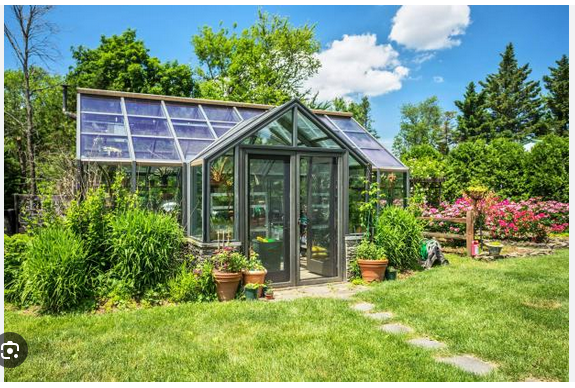
Final Thoughts: Beyond Cultivation to Conservation
Growing Discocactus in greenhouses transcends mere horticultural curiosity. It represents an embrace of ecological nuance, a celebration of biodiversity, and a personal connection to a fragile genus whose wild existence is under threat. Mastery of their ideal conditions not only guarantees health and flowering but also transforms cultivation into conservation. This shifted perspective challenges enthusiasts to see beyond the plant as a static object and appreciate it as a living relic of nature’s subtropical mysteries—a vibrant testament to the art and science of greenhouse cultivation.
FAQ
What are the ideal temperature and humidity levels for growing Discocactus?
Discocactus thrives in temperatures between 65°F (18°C) and 85°F (29°C) with humidity levels around 50-70%.
How often should I water Discocactus in a greenhouse?
Water Discocactus consistently during the growing season, ensuring the substrate dries out between waterings to prevent root rot.
What type of soil is best for Discocactus?
A well-draining soil mix with fast-draining elements like pumice, orchid bark, and coarse sand is ideal for Discocactus.


Leave a Reply