
Short Answer
Have you ever gazed upon a plant and marveled at how it seems both exotic and approachable, a botanical enigma that beckons you to unlock its secrets? Epiphyllum, commonly known as orchid cacti, is precisely that captivating puzzle. With its flamboyant blossoms and intriguing growth habits, this plant tempts many gardeners—but can you master its unique care demands? Let’s embark on an adventure to uncover the art of nurturing these stunning orchid cacti.
The Enigmatic Allure of Epiphyllum
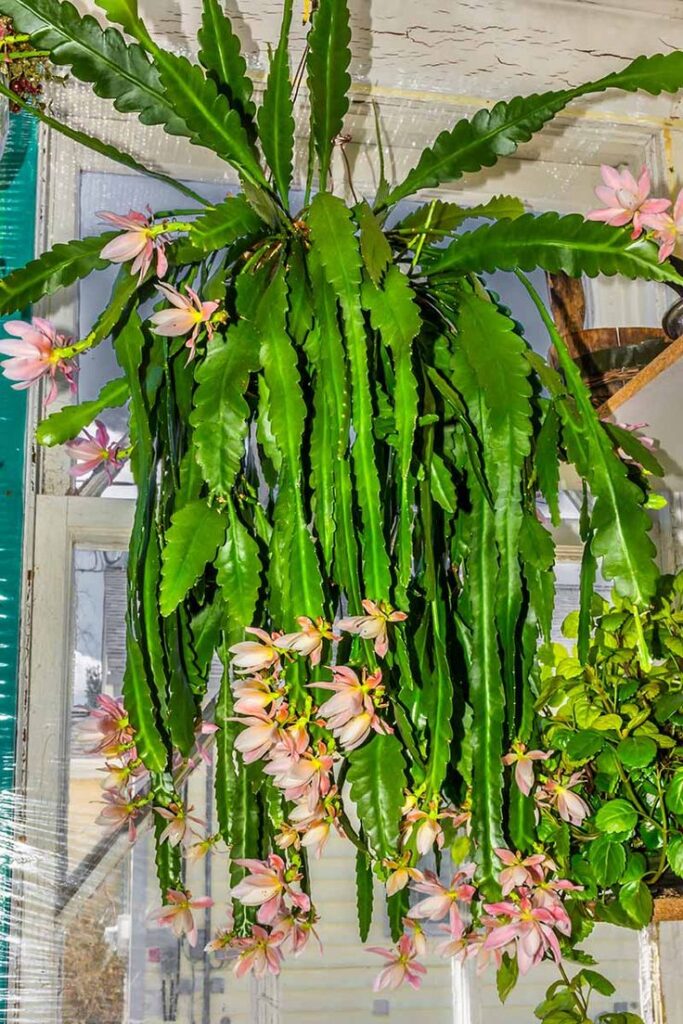
Epiphyllum captivates with its lush, flat, and often segmented stems that mimic the form of leaves yet conceal their true succulent nature. These epiphytic beauties originate from the tropical rainforests, where they gracefully perch upon tree branches, soaking in dappled sunlight and moisture from the humid air. Their blossoms, large and flamboyant, range in hues from delicate pinks and reds to pure whites—each petal unfurling like a nocturnal symphony designed to attract moths and bats.

Choosing the Perfect Container: Home for an Epiphytic Marvel
Imagine transplanting a rainforest dweller into your living space. The choice of container is more than aesthetic; it’s a vital factor for the plant’s thriving. Epiphyllum demands superior drainage and aeration to emulate the airy conditions of a canopy habitat. Pots with ample drainage holes are non-negotiable. Terracotta pots excel, breathing life into the substrate through natural evaporation, though decorative glazed containers can suffice if drainage is meticulously managed.

Consider elevating the pot or using a hanging system; after all, orchid cacti prefer a bit of elevation, replicating their arboreal origins.
Light: The Balancing Act Between Shadow and Sunburst
Too much sun, and the vibrant foliage might scorch; too little, and the plant’s floriferous display dims. Epiphyllum finds its sweet spot in bright, indirect sunlight. Morning rays filtered through curtains or dappled sunshine beneath trees approximate its native environ. Indoors, positioning near an eastern or western window often achieves this balance.
Beware of the insidious afternoon sun; harsh glare can stunt growth and cause unsightly lesions. If leaves appear bleached or yellowed, the light intensity might be too aggressive. Conversely, pale, limp stems could signal light deficiency. This delicate luminous dance is essential to unlock the orchid cactus’s prolific blooming potential.
The Alchemy of Soil and Water: Crafting the Ideal Growing Medium
Epiphyllum’s roots relish a cocktail of moisture retention and aeration. Standard potting mixes fall short—they can suffocate the roots or retain excess water, inviting rot. Instead, an artful blend of organic matter like peat or coir, combined with chunky elements such as orchid bark or perlite, creates a friable matrix that balances hydration and breathability.
Watering follows a nuanced rhythm. These cacti are not desert dwellers; they appreciate consistent moisture without becoming waterlogged. During the active growing season—spring through summer—water when the top inch of soil feels dry. Reduce watering in fall and winter, permitting a semi-dormant state without letting the soil bone dry. Mastering this hydric tightrope is crucial to prevent fungal ailments and promote vigorous growth.
Humidity and Temperature: Mimicking the Rainforest Canopy
Though hardy in warmth, epiphyllums are sensitive to aridity. Ideal humidity hovers between 50% and 75%, mirroring their natural tropical habitat. Indoor environments often fall short, especially in winter with heating systems running. Employing humidity trays, room humidifiers, or grouping plants can enhance ambient moisture.
Temperature-wise, orchid cacti thrive in moderate warmth. The ideal range is between 60°F and 80°F (15°C–27°C). They can tolerate brief dips to 50°F (10°C), but prolonged cold spells risk irreversible damage. Avoid temperature fluctuations and drafts, which can stress the plant and impede bloom formation.
Fertilization: Feeding the Floral Symphony
Epiphyllum’s grandeur demands not just water and light but also nourishment. A balanced fertilizer, diluted to half strength, applied every two to four weeks during growing seasons, encourages xenial growth and lavish flowering. Choose formulations rich in potassium to foster blooms, while moderate nitrogen levels support healthy stems without excessive leafy growth.
In winter, cease fertilization to let the plant rest. Remember, overfeeding can lead to salt buildup and root injury—a subtle but significant hazard.
Pruning and Maintenance: Sculpting for Health and Beauty
Pruning is both a practical and artistic endeavor. Removing old, straggly, or damaged stems improves airflow and light penetration. This practice encourages younger, sturdier growth and paves the way for spectacular blooms. Use sanitized, sharp tools to avoid infections, and prune just after the flowering period ends.
Cleaning the dusty stems and leaves with a gentle wipe encourages photosynthesis and deters pests. Speaking of pests, epiphyllums occasionally attract mealybugs, scale, or spider mites. Routine inspections and organic insecticidal soaps can keep these marauders at bay.
Propagation: Expanding Your Orchid Cacti Collection
Propagation is an accessible and rewarding aspect of epiphyllum care. Stem cuttings are the preferred method. Choose a healthy segment and let it callus for a few days to prevent rot. Plant the cutting in a well-draining medium, water lightly, and place it in a warm, shaded spot. Rooting usually occurs within a few weeks.
This method not only multiplies your collection but also revitalizes older plants by encouraging renewal.
Challenges and the Resilience of Epiphyllum
Growing epiphyllum is not without its quirks. Its epiphytic nature means soil and water mistakes can cause rapid decline. Overwatering remains the cardinal sin, often leading to root rot. Conversely, insufficient light or humidity causes languishing growth and scarce blooms.
However, the orchid cactus’s resilience shines once you attune to its rhythm. With patience and observation, this botanical marvel rewards its caretaker with cascading blooms that transform any space into a tropical Eden.
So, will you unravel the secrets of epiphyllum care and embrace the challenge? With thoughtful attention and a dash of horticultural empathy, these orchid cacti will not only survive—they will mesmerize.
FAQ
What is the best soil for Epiphyllum?
A well-draining mix of organic matter and chunky elements like orchid bark or perlite is ideal.
How do I propagate Epiphyllum?
Stem cuttings are the preferred method. Let the cutting callus before planting in a well-draining medium.

Leave a Reply