

Short Answer
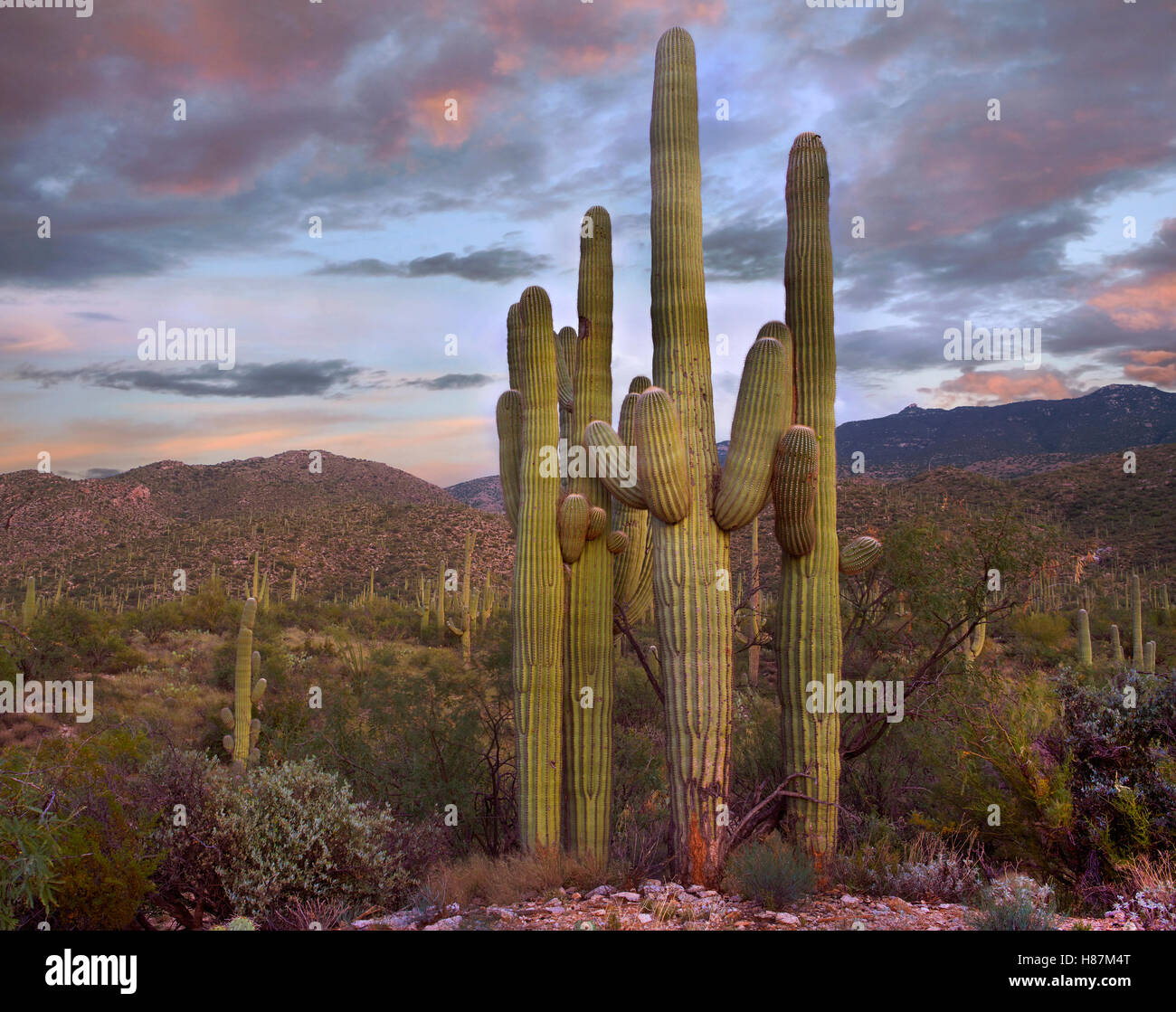
In the arid embrace of sun-scorched landscapes, where life clings tenaciously to the edge of survival, an unlikely botanical marvel thrives—the cactus. Its spiky silhouette, a paradox of menace and resilience, has long captivated the human imagination. Yet beyond its ecological role, the cactus harbors a secret: a quiet revolution in sustainable design. From the sunbaked plains of the Sonoran Desert to the bustling ateliers of eco-conscious shoemakers, the humble cactus is being transformed into something extraordinary—footwear that marries innovation with environmental stewardship. This is the story of how a plant that thrives on scarcity is redefining the very essence of style and sustainability in the world of shoes.
The Cactus Renaissance: A Botanic Alchemy in Footwear
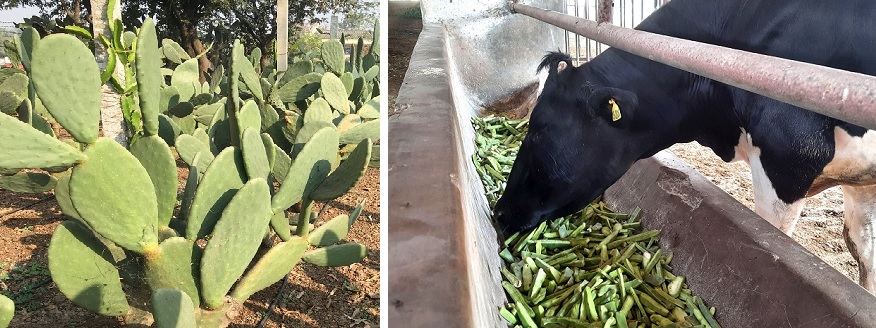
Imagine slipping your feet into a pair of shoes that feel as light as a desert breeze, yet as durable as the rocks beneath it. This is the promise of cactus leather, a material born from the marriage of ancient botanical wisdom and cutting-edge biotechnology. Unlike traditional leather, which demands vast tracts of land, copious amounts of water, and the sacrifice of animal lives, cactus leather is a triumph of cruelty-free ingenuity. Derived from the opuntia cactus, a species that requires minimal irrigation and flourishes in degraded soils, this material is a testament to nature’s capacity for regeneration. The process begins with harvesting mature cactus pads, which are then cleaned, pulverized, and transformed into a fibrous pulp. Through a meticulous tanning process that eschews toxic chemicals, this pulp is converted into a supple, grain-like material that can be dyed, embossed, and stitched with the same precision as conventional leather. The result? A textile that is not only biodegradable but also carbon-negative, sequestering more CO₂ than it emits during production. It’s a quiet rebellion against the extractive industries that have long dominated fashion, proving that luxury need not come at the earth’s expense.
From Thorns to Threads: The Artisan’s Dance with the Desert
To understand the allure of cactus leather, one must first appreciate the hands that bring it to life. Artisans, often women-led cooperatives in rural communities, are the unsung heroes of this movement. In regions where water is a scarce commodity and economic opportunities are as rare as rainfall, these craftspeople have found a lifeline in the cactus. Picture a woman in Oaxaca, her fingers deftly weaving strands of cactus fiber into a shoe’s upper, her knowledge passed down through generations of indigenous wisdom. The cactus, in her hands, is more than a plant—it is a symbol of resilience, a living metaphor for the communities she represents. The process is labor-intensive, requiring patience and skill, but the rewards are manifold. Not only does this work provide sustainable livelihoods, but it also preserves traditional techniques in an era of mass production. Each pair of cactus leather shoes becomes a wearable story, a tangible connection to the land and the people who tend it. It’s a reminder that sustainability is not just about materials; it’s about the human stories woven into every stitch.
The Aesthetic of the Arid: Why Cactus Leather Speaks to the Modern Soul
There’s an undeniable magnetism to the aesthetic of cactus leather—a raw, earthy elegance that feels both primal and avant-garde. Its texture, a tapestry of natural imperfections, tells a story of survival against the odds. The subtle variations in color, from muted greens to sun-bleached ochres, evoke the hues of a desert at dusk, where light and shadow play in a delicate dance. Designers are increasingly drawn to this material not just for its eco-credentials, but for its ability to evoke a sense of place and purpose. A cactus leather boot, for instance, might feature a distressed finish that mimics the rugged terrain of its origin, or a minimalist silhouette that channels the sleek lines of a saguaro’s silhouette. This is fashion that refuses to be tamed—it’s bold, unapologetic, and deeply connected to the rhythms of the natural world. In an era where consumers are increasingly seeking authenticity over artificiality, cactus leather offers a refreshing alternative. It’s a material that doesn’t just adorn the foot; it grounds it, reminding the wearer of the earth beneath them and the fragility of the ecosystems that sustain us all.
Beyond the Sole: The Ripple Effects of Cactus Innovation
The impact of cactus leather extends far beyond the shoes it’s crafted into. By choosing this material, consumers are voting with their wallets for a future where fashion and ecology are not at odds but in harmony. The rise of cactus-based textiles has spurred investment in regenerative agriculture, where farmers are incentivized to cultivate opuntia not just for food, but for fashion. This shift has the potential to revitalize degraded lands, turning barren soils into thriving ecosystems. Moreover, the success of cactus leather has paved the way for other unconventional materials—mushroom mycelium, pineapple leaf fiber, even algae-based synthetics—to enter the mainstream. It’s a domino effect of innovation, where one breakthrough inspires another, creating a ripple of change across industries. But perhaps the most profound impact is cultural. By normalizing the use of non-traditional materials, cactus leather challenges the status quo of what is considered “luxurious.” It redefines opulence not as excess, but as harmony—with the earth, with communities, and with the future we leave for generations to come.
The Future is Thorny: Challenges and the Path Forward
Of course, no revolution is without its obstacles. Scaling up cactus leather production presents logistical hurdles, from ensuring consistent quality to meeting the demand of a global market. There are also questions about the long-term durability of the material—will it stand the test of time, or will it fray and fade like a desert bloom in the wind? Yet these challenges are not insurmountable. Innovators are already experimenting with hybrid materials, blending cactus leather with other sustainable fibers to enhance its strength and versatility. There’s also the matter of education—many consumers remain unaware of the environmental toll of conventional leather, and shifting perceptions requires both transparency and advocacy. But if the past decade has taught us anything, it’s that change is possible when creativity and conviction collide. The cactus, with its tenacity and grace, is leading the charge. It’s a reminder that the solutions to our most pressing problems often lie in the most unexpected places—if only we’re willing to look.
Wearing the Desert: A Call to Step Lightly
To wear a pair of cactus leather shoes is to make a statement—not just about style, but about values. It’s a declaration that fashion can be a force for good, that beauty and sustainability are not mutually exclusive, and that the earth’s resources are not infinite. Yet this is not a call to asceticism. Rather, it’s an invitation to reimagine our relationship with the planet and the objects we place upon it. The cactus, in all its prickly glory, teaches us that scarcity breeds ingenuity, that resilience can be stylish, and that the future of footwear is not paved with petroleum-based synthetics, but with the quiet strength of the natural world. So the next time you slip on a pair of shoes, ask yourself: what story do they tell? Do they carry the weight of exploitation, or the lightness of regeneration? The choice, as always, is ours to make—but the cactus is already showing us the way.
FAQ
What is cactus leather?
Cactus leather is a sustainable material made from the opuntia cactus, known for its minimal water requirements and cruelty-free production process.
How is cactus leather made?
Cactus leather is produced by harvesting mature cactus pads, which are cleaned, pulverized, and tanned using non-toxic methods to create a durable textile.
What are the benefits of cactus leather over traditional leather?
Cactus leather requires less water, does not involve animal cruelty, and is biodegradable, making it a more environmentally friendly choice.


Leave a Reply