
Short Answer
Imagine a world where hydration isn’t just about quenching thirst but also about unlocking a cascade of vitality—where every sip delivers a symphony of nutrients, antioxidants, and rejuvenation. This isn’t a futuristic fantasy; it’s the reality of cactus water, a liquid elixir that’s been quietly revolutionizing wellness routines from the sun-scorched landscapes of the Southwest to the bustling wellness hubs of modern cities. Once dismissed as a desert survival hack, cactus water is now celebrated as a hydrating powerhouse, a culinary chameleon, and a skincare secret. But what makes this spiky plant’s juice so extraordinary? And how can you harness its magic in your own kitchen? Let’s embark on a journey to uncover the hidden depths of cactus water—where ancient wisdom meets cutting-edge science—and learn how to craft your own at home.
The Prickly Pear Phenomenon: A Hydrating Revolution in a Bottle
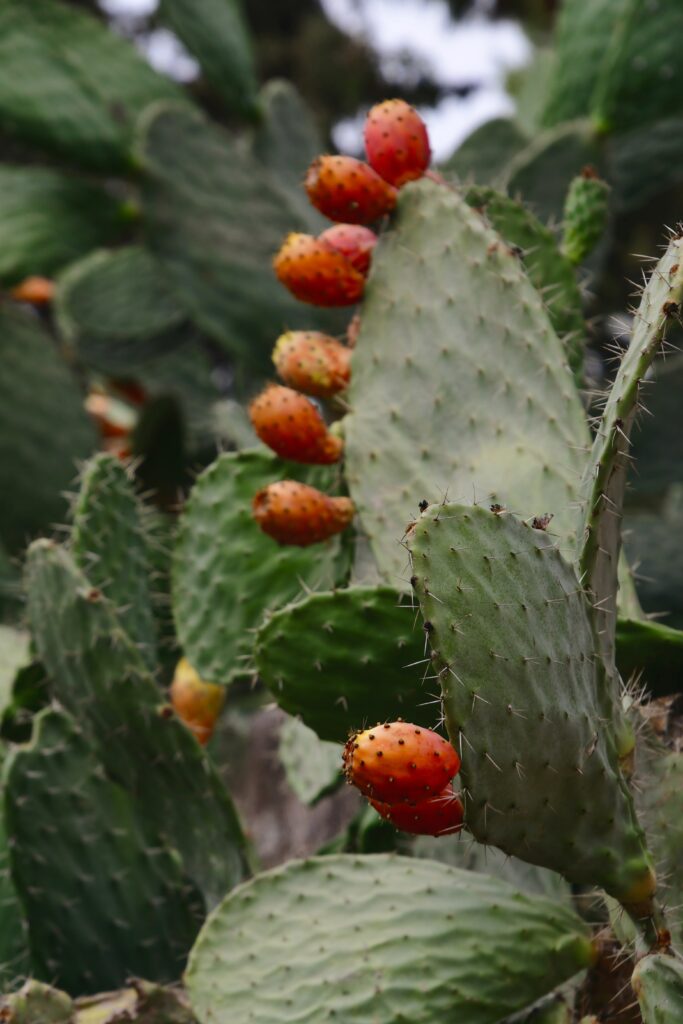
Prickly pear cactus water isn’t your average H₂O. Unlike conventional bottled water, which often strips away minerals during processing, cactus water is a natural concentrate of electrolytes, vitamins, and phytonutrients. Derived from the fruit of the *Opuntia* cactus, this vibrant liquid is packed with magnesium, potassium, and vitamin C—nutrients that modern diets frequently lack. But its benefits extend far beyond mere hydration. Studies suggest that cactus water may help regulate blood sugar levels, thanks to its high fiber and antioxidant content, while its anti-inflammatory properties can soothe digestive woes. Picture this: a post-workout sip that replenishes lost minerals without the artificial aftertaste of sports drinks, or a morning ritual that kickstarts your metabolism with a zing of natural sweetness. The prickly pear phenomenon isn’t just a trend; it’s a paradigm shift in how we think about hydration.
What’s more, cactus water is a champion of sustainability. The cactus plant thrives in arid conditions, requiring a fraction of the water needed to cultivate traditional crops like almonds or avocados. By choosing cactus water, you’re not just nourishing your body—you’re casting a vote for a greener planet. It’s a win-win that’s as refreshing as the drink itself.
The Science Behind the Sip: What Makes Cactus Water a Nutritional Powerhouse?
Dive beneath the surface of cactus water, and you’ll discover a biochemical marvel. The fruit of the prickly pear cactus, known as *tunas* in Spanish, is a treasure trove of bioactive compounds. Betalains, the pigments responsible for its deep magenta hue, are potent antioxidants that combat oxidative stress and inflammation. Meanwhile, flavonoids like quercetin and kaempferol lend anti-aging and immune-boosting properties. But perhaps the most intriguing component is the plant’s high electrolyte content—particularly magnesium and potassium—which makes it an ideal post-exercise recovery drink. Unlike coconut water, which can be overly sweet, cactus water offers a balanced, subtly earthy flavor with a crisp finish.
Research published in the *Journal of Medicinal Food* highlights cactus water’s ability to reduce LDL cholesterol and improve insulin sensitivity, making it a ally for metabolic health. And let’s not forget its prebiotic effects: the fiber in cactus water nourishes gut bacteria, fostering a thriving microbiome. In a world where gut health is increasingly linked to everything from mood to immunity, this is no small feat. So, the next time you reach for a sports drink or a sugary soda, consider swapping it for a glass of cactus water—your body (and your taste buds) might just throw you a parade.
From Desert to Glass: How to Make Cactus Water at Home
Ready to take the plunge and make your own cactus water? The process is simpler than you might think, and the reward is a bespoke elixir tailored to your taste. Start by selecting ripe prickly pear fruits—look for those with deep, uniform color and a slight give when pressed. Avoid any with bruises or soft spots. Using tongs or a thick towel (to avoid the spines), carefully peel the fruit, slicing off the ends and making a shallow incision down the length to remove the skin. The flesh inside is juicy and seed-speckled, reminiscent of a cross between watermelon and dragon fruit.
Now, the fun part: extracting the juice. You can blend the fruit with a splash of water, then strain it through a fine-mesh sieve or cheesecloth to remove the seeds. For a clearer liquid, let the blended mixture sit for 10 minutes to allow the pulp to settle, then pour off the top layer. If you prefer a fizzy twist, add a touch of natural carbonation by fermenting the juice briefly with a pinch of champagne yeast. The result? A probiotic-rich, effervescent cactus water that’s as invigorating as it is gut-friendly. Store your homemade cactus water in the fridge for up to five days, or freeze it in ice cube trays for a refreshing addition to smoothies or cocktails. The possibilities are as endless as your imagination.
Cactus Water in the Kitchen: Culinary Alchemy Beyond the Glass
Cactus water isn’t just a drink—it’s a culinary chameleon that can elevate everything from savory dishes to sweet indulgences. Its mild, slightly tart flavor makes it a fantastic base for marinades, adding a subtle tang to grilled meats or tofu. Try reducing it into a syrup for drizzling over pancakes or mixing into salad dressings for a bright, fruity note. In cocktails, it shines as a mixer for margaritas or a non-alcoholic spritzer with muddled herbs and citrus. Even in baking, cactus water can replace milk or water in recipes for a moist, subtly sweet crumb.
For the adventurous, cactus water can be fermented into a tangy shrub or reduced into a glaze for roasted vegetables. Its natural pectin content makes it a great thickener for sauces, while its acidity can tenderize meats in a marinade. Imagine a summer soirée where guests sip cactus water spritzers garnished with edible flowers, or a cozy winter night where a cactus water-infused hot toddy warms the soul. The kitchen is your laboratory—experiment, taste, and let the flavors of the desert inspire your culinary creativity.
Skincare Secrets: The Topical Benefits of Cactus Water
The benefits of cactus water aren’t confined to the inside of your body. Topically, it’s a skincare superstar, packed with vitamin E and fatty acids that hydrate, soothe, and rejuvenate. Its anti-inflammatory properties make it a soothing toner for irritated skin, while its high water content plumps and refreshes dull complexions. Mix it with aloe vera gel for a DIY face mask, or spritz it on as a hydrating mist throughout the day. The betalains in cactus water also help brighten hyperpigmentation, giving you a lit-from-within glow. And for those with oily or acne-prone skin, its astringent qualities can help regulate sebum production without stripping moisture.
Incorporate cactus water into your skincare routine by using it as a final rinse after cleansing, or blend it with a few drops of jojoba oil for a lightweight serum. The result? Skin that looks and feels as vibrant as a desert sunset. It’s time to let your beauty regimen bloom with the same resilience as the cactus itself.
Debunking Myths: Separating Fact from Fiction
Of course, no wellness trend is without its skeptics. Some claim that cactus water is just another overhyped health fad, while others warn of potential side effects like digestive upset from the fiber. Let’s set the record straight: while cactus water is not a miracle cure, its benefits are backed by both traditional use and emerging science. The key is moderation—like any potent ingredient, it’s best enjoyed as part of a balanced diet. And while the fiber in whole prickly pear fruit can cause bloating in some, the water itself is gentle and easily digestible.
Another myth? That cactus water tastes like battery acid. In reality, its flavor is refreshingly mild, with a hint of melon and a crisp finish. The only caveat? Choose 100% pure cactus water without added sugars or artificial flavors to reap the full benefits. When in doubt, make it at home—you’ll know exactly what’s going into your glass.
A Toast to the Future: Why Cactus Water is Here to Stay
As we stand on the precipice of a wellness revolution, cactus water emerges as a symbol of innovation and sustainability. It’s a reminder that the answers to modern health challenges often lie in the wisdom of ancient traditions. From its hydrating prowess to its culinary versatility and skincare magic, cactus water is more than a drink—it’s a lifestyle upgrade. Whether you’re sipping it straight, blending it into a smoothie, or slathering it on your face, you’re tapping into a legacy of resilience and renewal.
So, the next time you’re thirsty, skip the ordinary. Reach for the extraordinary. Let cactus water be your gateway to a world where hydration meets alchemy, and every sip is a step toward vibrant health. The desert has spoken—and it’s time to listen.
FAQ
What are the benefits of cactus water?
Cactus water is rich in electrolytes, vitamins, and antioxidants, aiding hydration, blood sugar regulation, and digestive health.
How do you make cactus water at home?
To make cactus water, peel ripe prickly pear fruits, blend them with water, and strain to extract the juice.
Can cactus water be used in cooking?
Yes, cactus water can be used in marinades, cocktails, syrups, and even as a substitute for water or milk in baking.
Is cactus water good for skin care?
Cactus water hydrates and soothes the skin, offering anti-inflammatory benefits and can be used in DIY skincare routines.



Leave a Reply