
Short Answer
Have you ever wondered what it would be like to tend to a plant that’s as bold and resolute as a desert warrior? Ferocactus species beckon the adventurous plant enthusiast with their fierce beauty and formidable presence. But what makes these succulent sentinels so captivating, and more intriguingly—how does one care for such spiny marvels without getting pricked? Prepare to embark on an exploration of some of the most striking Ferocactus types, uncovering their unique characteristics, ecological niches, and secret charms hidden beneath those intimidating ribs and spines.
The Ferocactus Genus: An Overview of Desert Majesty
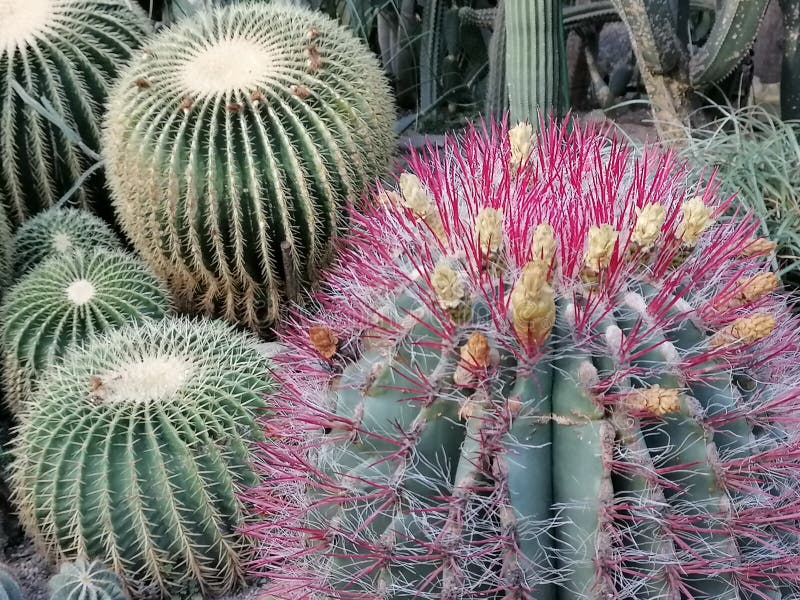
Within arid landscapes where survival is an art form, Ferocactus plants reign supreme as symbols of endurance and aesthetic drama. Their name, derived from the Latin word “fero” meaning fierce, aptly describes their intimidating spines and robust forms. These barrel-shaped cacti native to North and Central America manifest in a variety of sizes and spine configurations, making them prized subjects among collectors and desert enthusiasts alike. Some species boast monstrous, rusty-red spines that glitter like fiery crowns under the desert sun. These spines do more than ward off herbivores—they also play a vital role in shading the cactus body, reducing water loss in scorching heat.

Ferocactus Gracilis: The Fire Barrel – A Fiery Furnace of the Desert
One cannot discuss Ferocactus without paying homage to Ferocactus gracilis, often dubbed the Fire Barrel. Why does it earn such a passionate name? Its flamboyant, fiery-red spines blaze like a sun-scorched inferno, making it impossible to overlook. This species hails predominantly from northwestern Mexico, thriving in the rugged, sun-baked terrain where most plants dare not venture. The barrel shape serves as an impressive water reservoir, allowing it to endure prolonged droughts. Yet, this cactus’s allure goes beyond survival. Its spine arrangement is almost architectural—a natural sculpture forged by evolution over millennia. Flowering in late spring, glowing yellow blooms crown the plant, softening its fierce facade and inviting pollinators to celebrate desert life’s resilience.
Ferocactus Latispinus: The Devil’s Tongue – Spines with Attitude
Imagine a cactus armed with flattened, broad spines that resemble devilish tongues flicking out in defiance—this is Ferocactus latispinus. Unlike the slender needles of its relatives, its spines are thick and somewhat twisted, giving it a distinctly theatrical appearance. This species often grows as solitary columns or clusters, with a muted green body juxtaposed by cream to reddish spines that appear ready to snatch at any curious visitor. It is a spectacle of natural design and a testament to the cactus’s ability to deter predation. Its flowers, typically a soft pink, emerge near the apex, offering a gentle contrast to the spiny armor encasing them. Cultivating this species demands patience and respect, as its intimidating exterior belies delicate growth cycles vulnerable to overwatering and frost.
Ferocactus Cylindraceus: The California Barrel Cactus – Desert’s Bulwark
Stretching across the Mojave and Sonoran deserts, the Ferocactus cylindraceus stands as a titan of the wilds. Often towering over two feet, this species is a robust sentinel of rocky slopes and sandy washes. Its ribbed structure contracts and expands with water intake, a testament to its sophisticated physiological adaptations. The spines, densely clustered and varying from golden yellow to deep brown, form a tangled bramble that offers refuge to hardy desert fauna, including lizards and small birds. In bloom, its bright yellow flowers create a lunar halo around the plant’s apex, signaling a fleeting celebration amid the relentless desert grind. For gardeners, replicating these conditions requires grit: excellent drainage, ample sunlight, and infrequent watering to mimic the desert’s capricious whims.
Ecological Role and Adaptive Strategies
Beyond their mesmerizing appearance, Ferocactus species play pivotal roles in their native ecosystems. The fortress-like spines do more than protect the plant; they create microhabitats that shelter smaller creatures from the unforgiving heat and predators. Their flowers facilitate symbiotic relationships with specialized pollinators, from bees to hummingbirds, ensuring genetic propagation and ecological balance. Moreover, their barrel-shaped water storage capacity exemplifies an evolutionary masterpiece, optimizing every precious drop collected during infrequent desert rains. This water reservoir not only ensures survival through harsh dry spells but also acts as a resource for local fauna. Understanding these interactions deepens appreciation for each spiny sentinel as a vital nexus in the web of desert life.
Challenges of Cultivating Ferocactus: Can You Handle the Thrill?
Now, here comes the playful challenge: are you ready to care for a plant that demands as much respect as it commands attention? Ferocactus cultivation is not for the faint-hearted or dangerously negligent. Their slow growth, sensitivity to overwatering, and intolerance of prolonged frost require a disciplined regimen. Selecting the right soil—a gritty, fast-draining mix—is paramount. Too much water, and root rot swiftly claims victory. Furthermore, the formidable spines can pose physical challenges; handling and repotting call for protective techniques to avoid painful pricks. Yet, for those willing to master these demands, the rewards are immense—a living sculpture whose presence transforms any space into a desert sanctuary infused with rugged beauty and quiet power.
Conclusion: Embracing the Wild Spirit of Ferocactus
Ferocactus species are not merely plants; they are living legends carved from the raw elements of desert wilderness. Their imposing silhouettes and intricate spine patterns evoke tales of endurance and rugged elegance. Whether it’s the fiery spectacle of Ferocactus gracilis or the enigmatic tongue-like spines of Ferocactus latispinus, these cacti challenge us to admire nature’s resilience and artistry. They remind us that beauty often wears armor, and survival adorns itself with fierce grace. Taking on the challenge to cultivate these magnificent barrel cacti is a journey into a world where patience meets adventure, and the wild spirit of the desert is kept alive—one barrel-shaped warrior at a time.
FAQ
What is Ferocactus?
Ferocactus is a genus of barrel-shaped cacti native to deserts in North and Central America, recognized for their fierce spines and water-storing ability.
How do I care for Ferocactus plants?
Provide them with full sunlight, well-draining gritty soil, infrequent watering, and protect them from frost. Handle carefully to avoid spine injuries.
Which Ferocactus species is known as the Fire Barrel?
Ferocactus gracilis is commonly called the Fire Barrel due to its striking fiery-red spines.
Why are Ferocactus spines important?
Spines protect the plant from herbivores, shade the cactus to reduce water loss, and create microhabitats for desert wildlife.





Leave a Reply