
Short Answer
Have you ever pondered whether a cactus could flourish in your backyard or windowsill, or if it might just wither into a prickly disappointment? The tantalizing world of cacti is far more diverse than the typical desert dweller stereotype suggests. Selecting the right genus for your climate is a botanical puzzle packed with nuance and fascination, one that transforms growing these charismatic succulents from a gamble into an art. Let’s embark on a verdant journey where spines meet strategy and find out which cactus will champion your unique environment.
Understanding Climate Zones: The Crucial First Step
Before you even unwrap your spiny green friend, contemplating climate zones isn’t just helpful—it’s indispensable. Cacti come from myriad habitats, ranging from scorching deserts to mountainous elevations with chilly nights. Recognizing your own climate zone—be it arid, semi-arid, subtropical, or even temperate—is the cornerstone of cactus cultivation success. Tropical cacti thrive in humidity and consistent warmth, whereas desert cacti prefer minimal moisture and blistering sun.
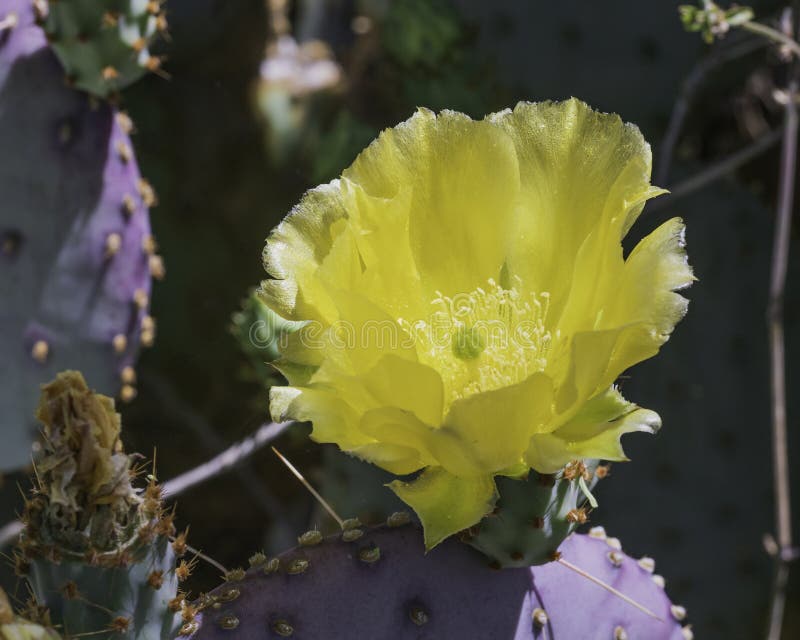
For instance, a genus like Opuntia can manage cold snaps better than most, surviving temperatures below freezing for short periods due to its hardy outer skin. Conversely, Epiphyllum species demand humidity and dappled shade, mimicking their native tropical forests. So, identifying where your home resides on this broad climatic spectrum narrows the cactus choices significantly.
Assessing Your Microclimate: More Than Just the Weather Report
While regional climate zones provide a general framework, your microclimate—the localized environment immediately surrounding your garden or indoor space—can be a wildcard factor. Think of it as a clement oasis or harsh microcosm shaped by sunlight angles, wind exposure, soil type, and moisture retention. A southern-facing balcony baking in sunlight all day is a vastly different setting from a shaded nook near large trees.
Microclimates can dramatically influence which cactus genus will prosper. For example, some Cereus species revel in full sun and well-draining rocky soil, flourishing outdoors in hot, windy sites. Meanwhile, Schlumbergera, the famous Christmas cactus, thrives in shaded, humid microhabitats unsuitable for sun-bathing desert cacti. Understanding these nuances primes you to choose a genus perfectly tailored to the specificities of your space.
The Watering Dilemma: Balancing Aridity and Hydration
Water is a paradox for cacti. Too little, and they endure drought stress; too much, and they drown in root rot. Different genera have evolved vastly different strategies for moisture management. The water-storage capacity within thick stems or pads varies, as does their sensitivity to saturation.
Echinocactus, often known as barrel cacti, pools water for long drought periods but demands near-dry conditions between infrequent watering. On the flip side, genera like Rhipsalis have thin, segmented stems and require more regular moisture, reflecting their origins as jungle epiphytes. Thus, your local precipitation patterns and capacity to water must inform genus choice.
Temperature Tolerance: Navigating Heat and Chill
Ever imagined your cactus shivering in the winter? Some can, and some simply cannot. Temperature tolerance differs wildly among genera. Desert favorites such as Ferocactus and Parodia have adapted to blistering daytime heat and chilly nights, sometimes dipping below freezing but generally reliant on thermal stability.
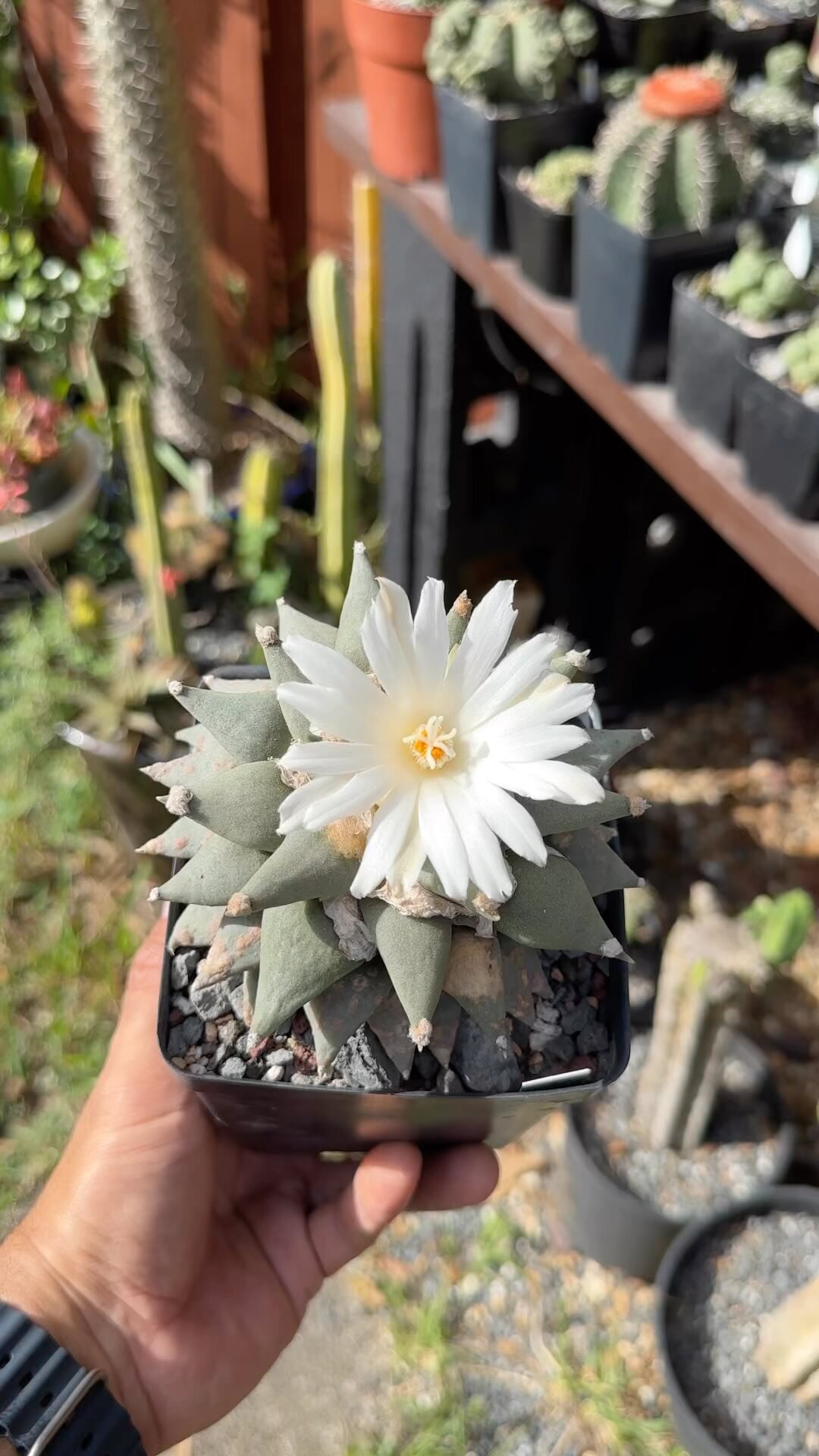
Meanwhile, other genera like Astrophytum tolerate cold better, enduring short frosts with their thickened epidermis acting like natural insulation. For climates with extreme seasonal shifts, choosing cold-hardy genera or preparing to shelter more sensitive types is essential. Match your cactus’s thermal fortitude to your environment’s temperature choreography.
Sunlight Requirements: Full Sun vs. Shade Lovers
Sunlight is a succulent’s lifeblood, but not all cacti welcome fierce, unyielding rays. Full sun species like Opuntia and Ferocactus bathe in relentless light and appreciate direct exposure to energize photosynthesis and promote flowering. Others, such as Schlumbergera and various Episcia relatives, find healthy growth in indirect or diffused sunlight—too much sun means sunburned stems and faded coloration.
Consider the hours and intensity of daily sunlight where you plan to place your cactus. Matching genus with natural sun preference prevents disappointment and encourages exuberant growth and flowering.
Soil and Drainage: The What and Where They Grow
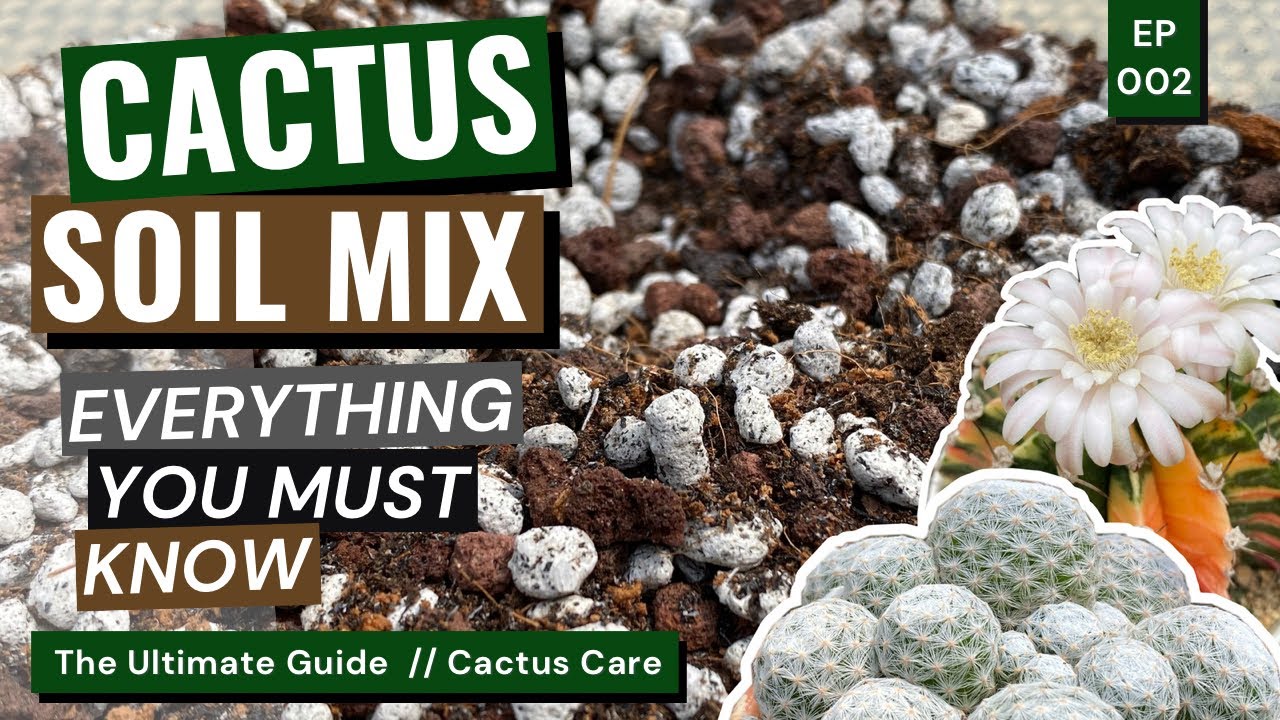
It’s easy to underestimate soil’s role in cactus health. These spiny marvels require substrates that replicate their native environments. Most desert cacti demand gritty, fast-draining soils with little organic matter. A mix of sand, pumice, and regular potting soil usually works well.
Conversely, epiphytic genera like Rhipsalis or Epiphyllum prefer airy, organic-rich mediums mimicking tree bark or leaf litter layers. Ensuring the right soil mix guards against water retention problems and root disease, both notorious killers of cacti in climates wetter or more humid than their natural settings.
Growth Habit and Space Considerations
Are you envisioning a towering architectural centerpiece or a modest windowsill companion? The growth habit of your chosen cactus genus influences not only placement but also ongoing care. Columnar cacti, such as Cereus, can reach towering heights, demanding ample vertical room and sturdy support. Clumping species like Opuntia spread wide, potentially encroaching on garden space.
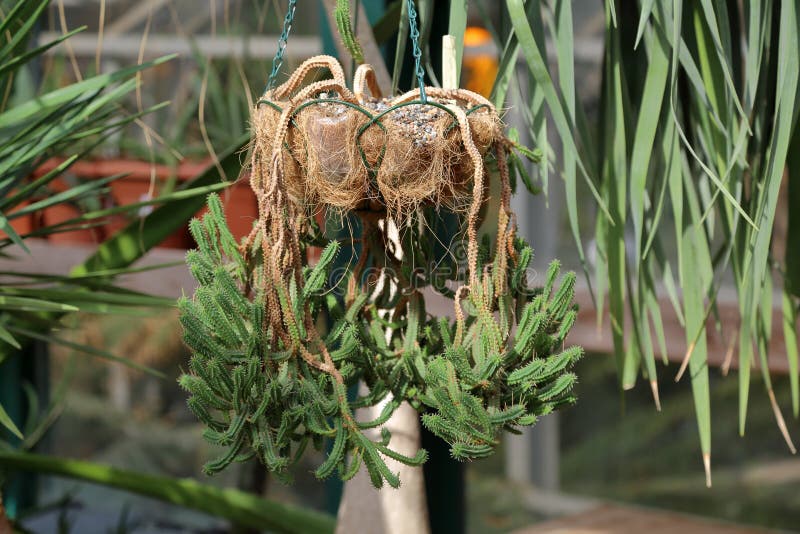
Some genera produce sprawling or trailing stems, perfect for hanging baskets or shelves. This aspect dovetails elegantly with environmental fitting, since space constraints often dictate the best genus candidates.
Common Genus Recommendations by Climate Type
Arid Deserts: Ferocactus, Echinocactus, Opuntia—these sun-lovers tolerate scorching heat and scarce water with aplomb, perfect for stark, sandy expanses.
Semi-arid & Temperate: Astrophytum, Parodia, Mammillaria—adapted to cooler nights and occasional rain, these genera balance resilience and endearing forms.
Tropical & Subtropical: Schlumbergera, Rhipsalis, Epiphyllum—epiphytic beauties that flourish in humidity and dappled light with regular moisture.
Cold-Hardy Regions: Opuntia, Echinocereus species that manage frost and snow with surprising endurance.
Final Thoughts: Matching Mindset with Mother Nature
Choosing the right cactus genus is no mere botanical purchase—it is an intimate dance with your environment. Success lies in embracing the species’ native stories and aligning them carefully with your local climate’s rhythms and challenges. There’s a majestic satisfaction in watching a cactus rooted in the perfect soil, basking in ideal sunlight, and thriving through seasonal caprices.
This playful venture into the idiosyncratic habits of cacti elevates simple horticulture into a passionate expression of ecological harmony. So ask yourself: Which cactus genus sings your climate’s song? The answer is waiting beneath the spines, ready to bloom.
FAQ
What factors should I consider when choosing a cactus genus?
Consider your climate zone, microclimate, watering needs, temperature tolerance, sunlight requirements, and soil preferences.
Can I grow cacti indoors?
Yes, many cacti varieties are suitable for indoor growth, especially those that thrive in lower light conditions.


Leave a Reply