

Short Answer
In the arid heartlands where the sun bleaches the earth and the wind sculpts the dunes into whispers of time, an insidious trade thrives in the shadows. It is not one of gold or ivory, but of spines and succulence—where the silent sentinels of the desert, the cacti, are plucked from their ancestral soils and smuggled into the hands of collectors who covet their rarity like forbidden treasure. This is the clandestine world of cactus poaching, a crime against biodiversity that unfolds in the cracks of global conservation efforts. What begins as a seemingly innocuous desire to possess a piece of the wild ends in ecological upheaval, cultural erosion, and the slow extinction of species that have endured millennia. To understand this shadow economy is to peer into a paradox: the more we seek to possess the rare, the more we ensure its disappearance.
The Allure of the Rare: Why Cacti Become Prey
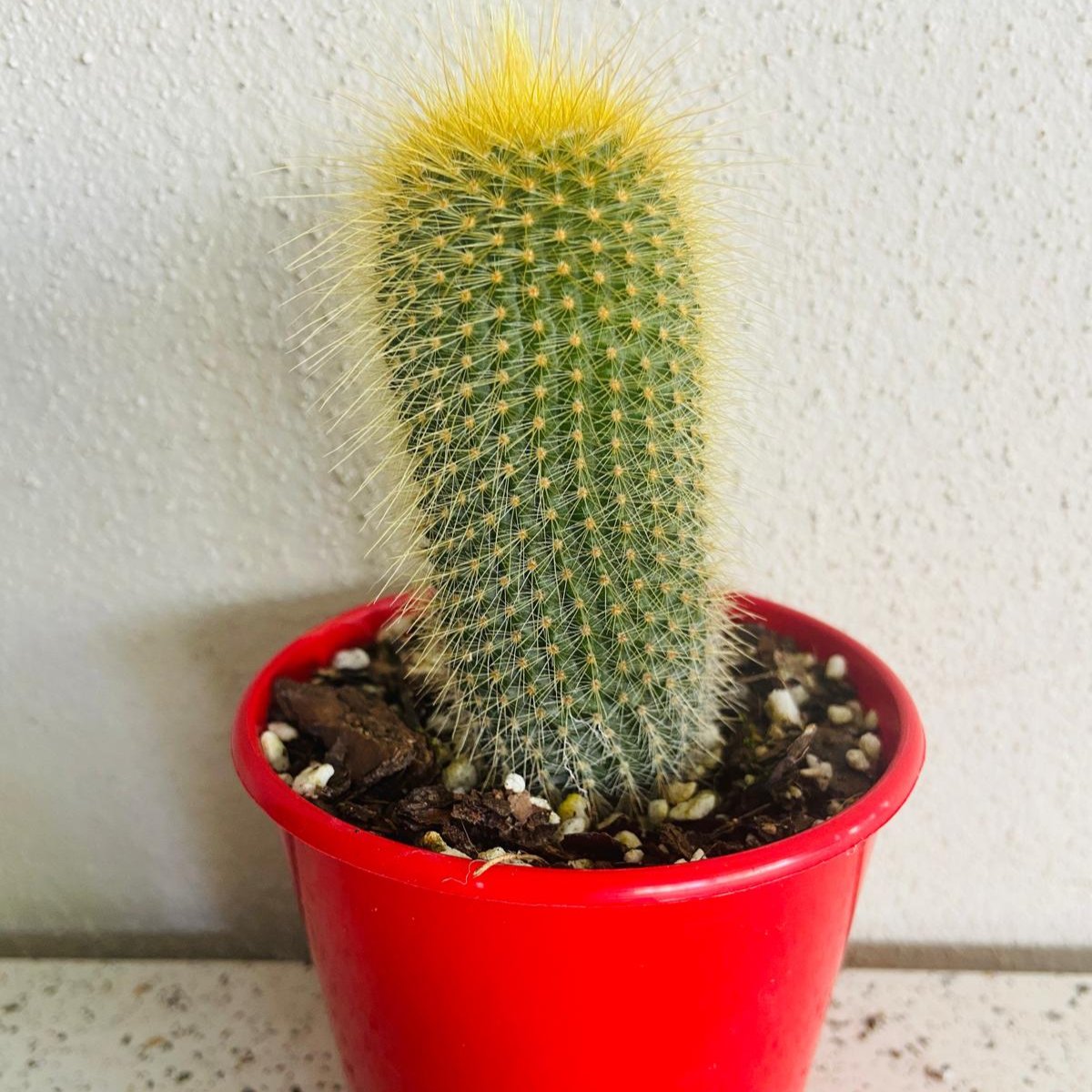
At first glance, a cactus is merely a plant—a spiky, slow-growing marvel adapted to the harshest of environments. Yet, to the right collector, it is a living artifact, a miniature ecosystem of resilience and adaptation. The allure lies not in beauty alone, but in scarcity. Species like the Turbinicarpus or Aztekium grow in such limited ranges that a single illegal harvest can wipe out entire populations. Their slow growth—some taking decades to mature—makes replenishment impossible once removed. The black market thrives on this asymmetry: demand outstrips supply, and the price of a rare cactus can soar to thousands of dollars, turning poachers into opportunists and ecosystems into crime scenes.
But the desire for the rare is not merely aesthetic. It is rooted in status. Owning a cactus that no one else can legally possess becomes a badge of exclusivity, a silent boast of one’s access to the untouchable. Online forums and private auctions buzz with coded language—“unrooted offsets,” “field-collected specimens”—where the initiated trade in plants that have been stripped from their natural habitats. The irony is stark: the more exclusive the cactus, the more it is hunted, and the closer it edges toward oblivion.
The Poacher’s Toolkit: How the Illegal Trade Operates
The mechanics of cactus poaching are as varied as the species it targets. Some poachers operate like seasoned thieves, scaling cliffs or traversing remote deserts under the cover of night to uproot entire colonies. Others exploit legal loopholes, mislabeling protected species as “cultivated” or smuggling them across borders in shipments of ornamental plants. The internet has become the poacher’s bazaar, with encrypted messaging apps and dark web marketplaces facilitating transactions that span continents. A collector in Tokyo might unknowingly purchase a Lophophora diffusa that was illegally harvested from the Chihuahuan Desert, its journey obscured by layers of deceit.
Technology, ironically, also aids the trade. GPS devices map out undisturbed habitats, while social media platforms inadvertently advertise the latest “must-have” species. Poachers document their hauls with pride, unaware—or indifferent—that each photo shared is a map to devastation. The tools of the poacher are not just shovels and sacks; they are algorithms, anonymity, and the globalized hunger for the exotic.
Ecological Ripples: The Domino Effect of Cactus Theft
The loss of a single cactus might seem inconsequential in the vastness of a desert, but the impact is anything but local. Cacti are keystone species, their presence shaping entire ecosystems. Their flowers feed pollinators like bats and hummingbirds, their fruits sustain desert rodents, and their structures provide shelter for insects and reptiles. When a cactus is removed, the ripple begins. Pollinators starve. Seed dispersal halts. The soil, already fragile, erodes further without the cactus’s stabilizing roots. In the Atacama or Sonoran Deserts, where water is a mirage, the disappearance of a single species can unravel the delicate balance of life.
Moreover, poaching often targets the largest, most reproductively mature individuals—the very ones that sustain genetic diversity. This genetic bottleneck accelerates inbreeding, leaving populations vulnerable to disease and environmental shifts. The cactus, once a symbol of endurance, becomes a victim of its own fragility. And as the desert loses its flora, it loses its soul—a slow death by a thousand cuts, each one a poached plant.
The Human Cost: Communities and Cultures in the Crossfire
Beneath the ecological devastation lies a human tragedy. Indigenous communities, who have stewarded these lands for generations, watch as their ancestral knowledge is commodified and their sacred plants are trafficked. The peyote cactus, revered by the Huichol people of Mexico, is not merely a commodity—it is a spiritual guide. Yet, its illegal harvest strips away cultural heritage, reducing a living tradition to a transaction. Similarly, rural communities that rely on sustainable harvesting for income find their livelihoods undermined by poachers who strip the land bare for profit.
This exploitation extends to the poachers themselves. Many are driven by poverty, lured by the promise of quick cash in a region where legal opportunities are scarce. They become unwitting foot soldiers in a global crime syndicate, risking arrest or injury to feed their families. The irony is bitter: the same communities that have coexisted with these plants for centuries are now both victims and perpetrators, trapped in a cycle of exploitation that neither begins nor ends with them.
The Global Web: How International Demand Fuels the Crisis
The cactus trade is not confined by borders. It is a hydra-headed monster, with roots in Europe’s private collections, Asia’s ornamental markets, and North America’s desert enthusiasts. European collectors, for instance, have driven the near-extinction of Pediocactus knowltonii, a tiny cactus native to New Mexico, through relentless demand. In China, the rise of “desert landscaping” has created a booming market for rare cacti, with some species fetching prices higher than ivory. The internet erases distance, turning local poaching into a global enterprise where a plant plucked from the Chihuahuan Desert can end up in a Shanghai penthouse.
This demand is not merely passive; it is cultivated. Influencers on social media glamorize cactus ownership, often without disclosing the ethical implications. Advertisements for “exotic plants” blur the line between conservation and consumption. The result is a feedback loop: more demand leads to more poaching, which leads to more rarity, which leads to even higher demand. It is a self-perpetuating cycle that shows no signs of slowing, unless the world chooses to break it.
Conservation in the Crosshairs: Can We Save the Silent Sentinels?
The fight to save cacti is a battle on multiple fronts. On the ground, rangers patrol protected areas, dismantling poaching rings and rehabilitating stolen plants. In laboratories, scientists work to propagate endangered species, banking seeds and tissue cultures as insurance against extinction. Governments are tightening regulations, with CITES (the Convention on International Trade in Endangered Species) listing more cacti under its protection. Yet, enforcement remains a challenge, particularly in regions where corruption and poverty intersect with biodiversity.
Education is another frontline. Campaigns aimed at collectors highlight the true cost of their purchases—ecological collapse, cultural erasure, and the extinction of species that may never be seen again. Some nurseries now offer “ethically sourced” cacti, grown in controlled environments rather than ripped from the wild. But the shift in consumer mindset is slow. The allure of the rare is a powerful force, one that conservationists must counter with stories of loss and the promise of stewardship.
Ultimately, the salvation of cacti may lie in redefining our relationship with rarity. What if, instead of coveting the last of a species, we celebrated the resilience of those that endure? What if the true luxury was not possession, but preservation? The silent sentinels of the desert do not ask for much—they only ask to be left alone. The question is whether humanity is willing to listen.

The Future of the Desert: A Call to Action
The story of cactus poaching is not just a tale of crime and conservation—it is a mirror held up to humanity’s relationship with the natural world. It forces us to confront uncomfortable truths: that our desire for the rare often comes at the cost of the irreplaceable; that the thrill of possession can blind us to the devastation it leaves behind. The desert does not need our pity, nor does it need our pitying glances. It needs our respect. It needs us to recognize that the spines of a cactus are not barriers, but boundaries—lines we must not cross if we are to share this planet.
What can be done? For starters, demand transparency. Ask where your plants come from. Support nurseries that prioritize ethical sourcing. Advocate for stronger protections and harsher penalties for poachers. But most importantly, shift the narrative. Let rarity be defined not by scarcity, but by resilience. Let the true treasure be the desert itself—not as a resource to be exploited, but as a legacy to be preserved. The cacti have endured for millennia. The question is whether we will let them endure for millennia more.
The desert whispers. It is time we learned to listen.
FAQ
What is cactus poaching?
Cactus poaching is the illegal collection and trade of rare cactus species, often resulting in ecological damage and loss of biodiversity.
Why are cacti poached?
Cacti are poached mainly due to their rarity and high market value among collectors, often driven by a desire for exclusivity.
What are the ecological impacts of cactus poaching?
The removal of cacti disrupts ecosystems, affecting pollinators and other species that rely on them for food and habitat.




Leave a Reply