
Short Answer
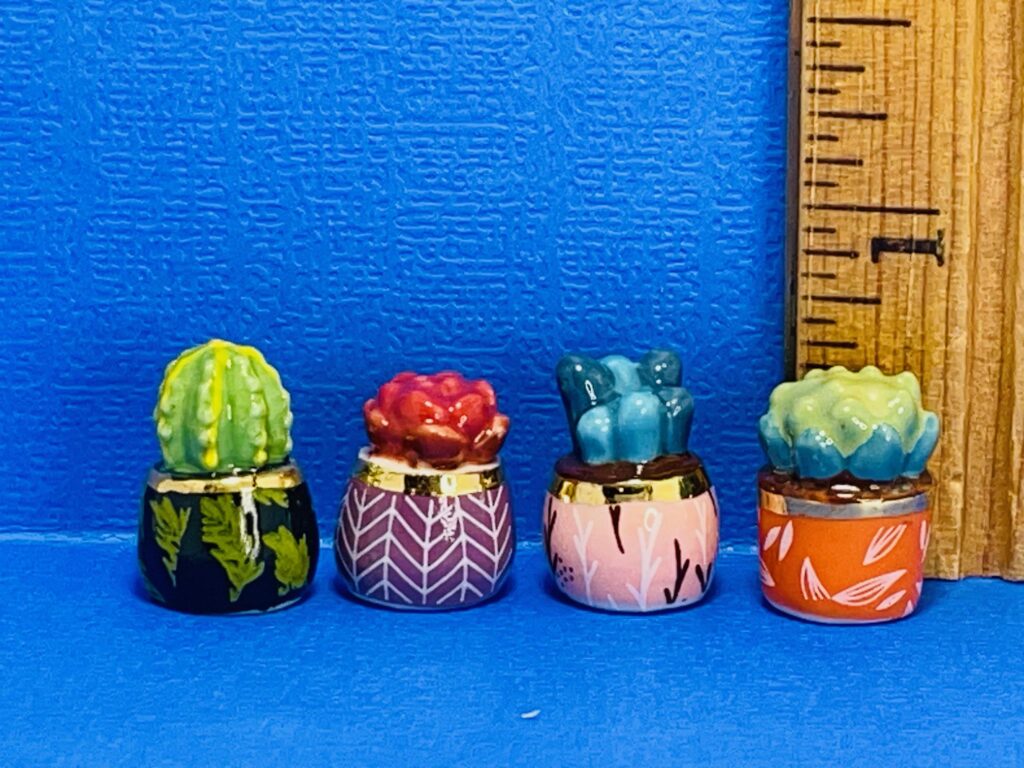
In the enchanting world of cacti, Frailea stands out like a precious gem—tiny, captivating, and brimming with botanical charisma. Imagine holding a living bead of nature, a succulent marvel that encapsulates desert miracles in the palm of your hand. Frailea, often celebrated as the “button cactus,” invites plant enthusiasts into an intimate realm where the grandiose is distilled into miniature perfection. Its compact size, coupled with an intriguing interplay of textures and colors, makes it a verdant enigma demanding both patience and devotion. Growing Frailea is more than horticulture; it’s an art of nurturing miniature resilience and nurturing a silent, green symphony.
The Unique Charm of Frailea
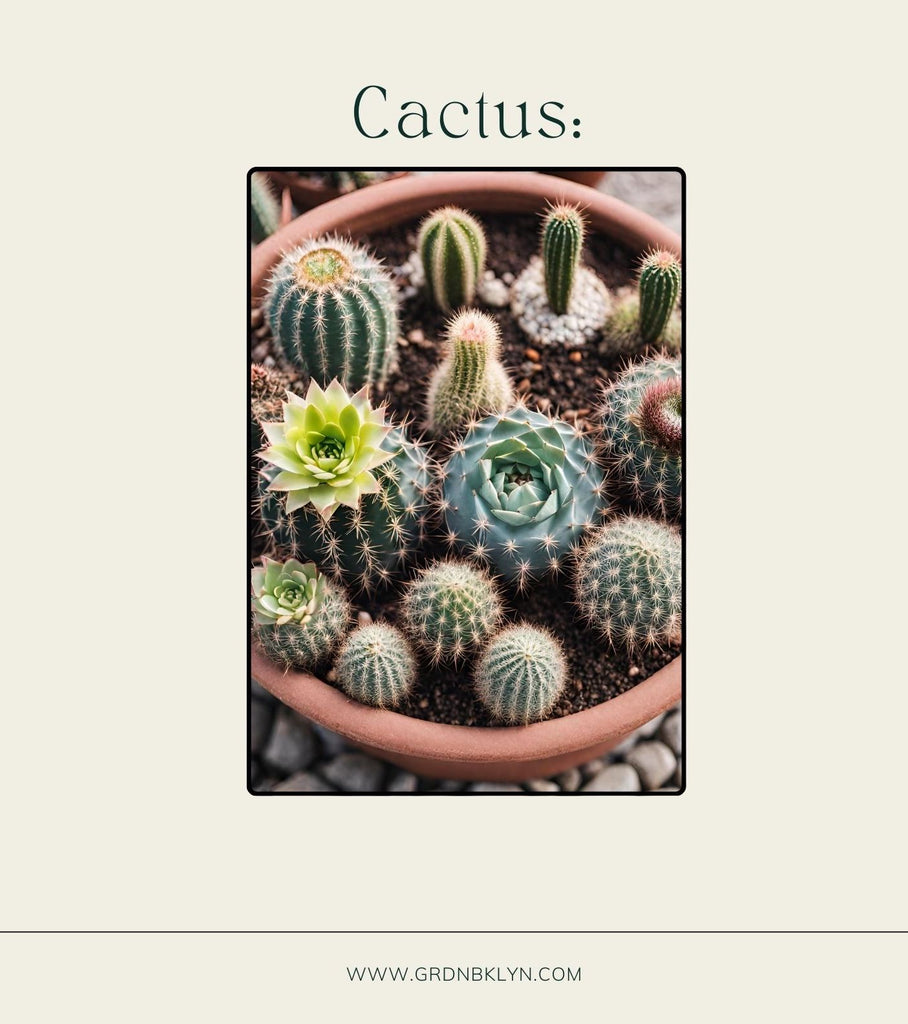
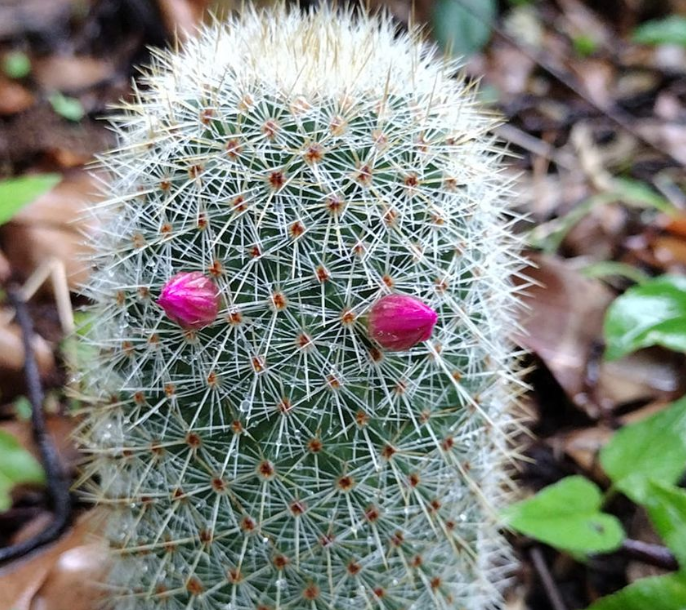
Frailea cacti are diminutive wonders, reminiscent of soft green buttons sewn lightly onto the vast quilt of nature. Their globular shape punctuated with beautiful ribs and delicate spines evokes imagery of nature’s intricate jewelry. Unlike towering saguaros or sprawling prickly pears, Frailea’s allure lies in its modesty and exquisite detail. Each plant is a living sculpture, a testament to evolution’s artistry under harsh desert illumination. Cultivating Frailea is akin to curating a precious collection of botanical miniatures, each with its own idiosyncrasies.
Furthermore, what distinguishes Frailea from its cactus cousins is its unique propensity for flowering. Though small, Frailea bursts into delicate blossoms that seem heralded from the desert’s whispered secrets—translucent petals and vibrant hues that belie their stem’s humble proportions. This ephemeral burst of life represents a pinnacle of the plant’s existence, a brief metamorphosis that enchants caretakers and transforms its unassuming silhouette into a floral jewel.
Optimal Growing Conditions: Recreating a Desert Oasis
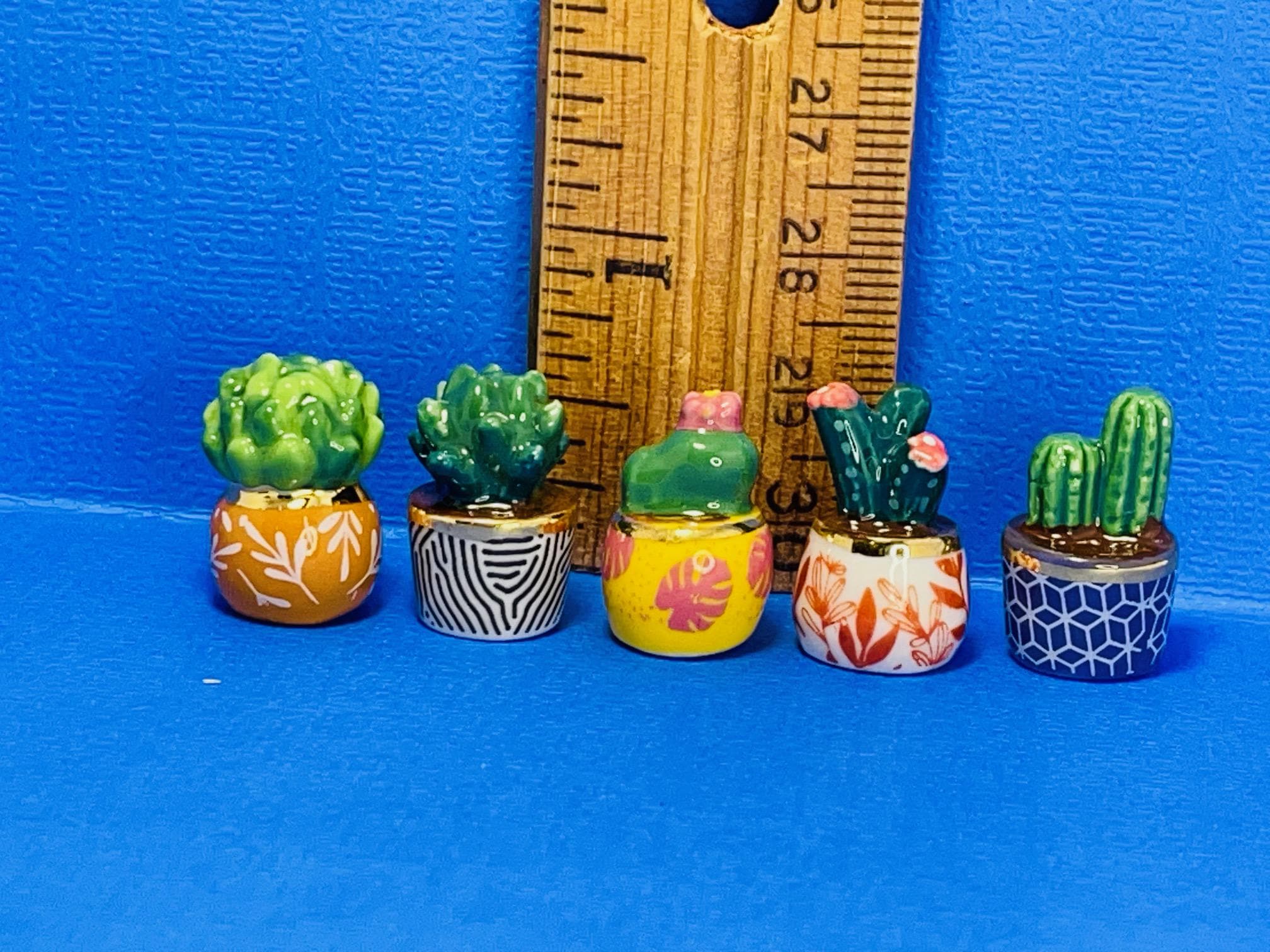
To coax Frailea into thriving, one must become a desert’s alchemist—transforming regular soil and ambient conditions into a hospitable microcosm reminiscent of their native habitats. These little marvels hail from Brazil and Uruguay’s arid regions, favoring well-drained, gritty soil where roots breathe and moisture retreats swiftly.
The substrate must mirror this desert austerity. A blend rich in mineral grit—sand, pumice, or perlite—combined with humus-poor compost provides the perfect medium. Anything retentive or heavy spells doom, inviting root rot and fungal adversaries. The roots of Frailea, though modest, are exquisitely sensitive, thriving only when encased in a porous, arid embrace.
Sunlight is yet another essential ingredient. Frailea demands generous light, although the intensity should be moderated to prevent sunscald. Bright, indirect light or filtered sun exposure during peak daylight hours forms the ideal luminous balance. During harsh summer months, a delicate screen or partial shade preserves the plant’s delicate epidermis from scorching damage.
Watering Regimen: The Ballet of Moisture and Drought
Watering Frailea is an exercise in precision—a dance where too much or too little disrupts the harmony. In nature, these cacti are accustomed to sporadic rains followed by prolonged droughts. Emulating these rhythms is paramount.
During the active growing season—spring through early autumn—generous watering is welcomed but must be spaced to allow the soil to dry out thoroughly between sessions. An overzealous approach results in waterlogged roots, a fatal indulgence. In winter’s dormancy, watering should be reduced dramatically, or paused altogether in cooler climates, signaling the Frailea to rest and regenerate.
The most reliable technique involves a “soak and dry” method—watering deeply until runoff, then abstaining until the topsoil is bone dry. This rhythm nurtures strong roots and resilient growth, coaxing the cactus’s resilient form.
Temperature and Humidity: Embracing the Desert’s Pulse
Frailea cacti prefer warmth; they are the desert’s children after all, thriving under elevated temperatures that mimic summer’s ardor. Optimal ranges float between 70°F and 85°F (21°C–29°C) during the day, with a cooler drop at night to stimulate natural cycles. Temperatures below 50°F (10°C) can induce stress, and frost is an unforgiving nemesis.
Despite their desert origin, Frailea’s delicate epidermis is sensitive to excessive humidity. Stagnant moisture in the air invites disease and rot. Therefore, maintaining good air circulation is critical. This ensures that even in indoor settings, the microclimate remains fresh—a vital component for long-term vitality.
Propagation: Cultivating a Miniature Forest
One of the most delightful aspects of Frailea cultivation is propagation. Generously fertile, these cacti produce tiny offsets, creating colonies resembling miniature arid meadows. Seed propagation, though slower, offers a fascinating window into the plant’s lifecycle, with seedlings unfolding like botanical whispers.
Seeds should be sown in a finely textured, sterile substrate, kept moist but not wet, under diffused light to encourage germination. Patience is essential as germination unfolds over weeks, revealing minute cacti scarcely larger than a pinhead. Offsets, on the other hand, can be gently separated once they establish sufficient root development, re-potted into individual containers to foster growth.

Pests and Diseases: Guarding the Botanical Treasure
Though hardy, Frailea is not immune to vexing pests. Mealybugs and spider mites can stealthily invade, feeding on the succulent tissues and leaving residues that mar its pristine surface. Vigilance in inspection and early intervention are essential to protect the plant’s delicate integrity.
Prevention is a primary defense. Maintaining appropriate watering, airflow, and cleanliness reduces vulnerability. When outbreaks occur, organic insecticidal soaps or careful alcohol swabbing can neutralize pests without harming the cactus. Avoid chemical extremes that may upset the delicate balance or damage the plant’s epidermis.
The Artistic Appeal: Frailea as a Living Masterpiece
Frailea cacti embody a sublime paradox. They are simultaneously modest and ornate, humble in size yet rich in character. Their lithe forms punctuated with spines and crowned by floral displays transcend mere botanical interest—they are living expressions of nature’s minuteness and grandeur.
For collectors and plant aficionados, Frailea offers an ongoing journey: the wonder of daily growth, the anticipation of springtime blooms, and the quiet satisfaction of successful cultivation. Displayed in minimalistic containers or grouped en masse, these button cacti transform any setting into a microcosm of desert elegance.
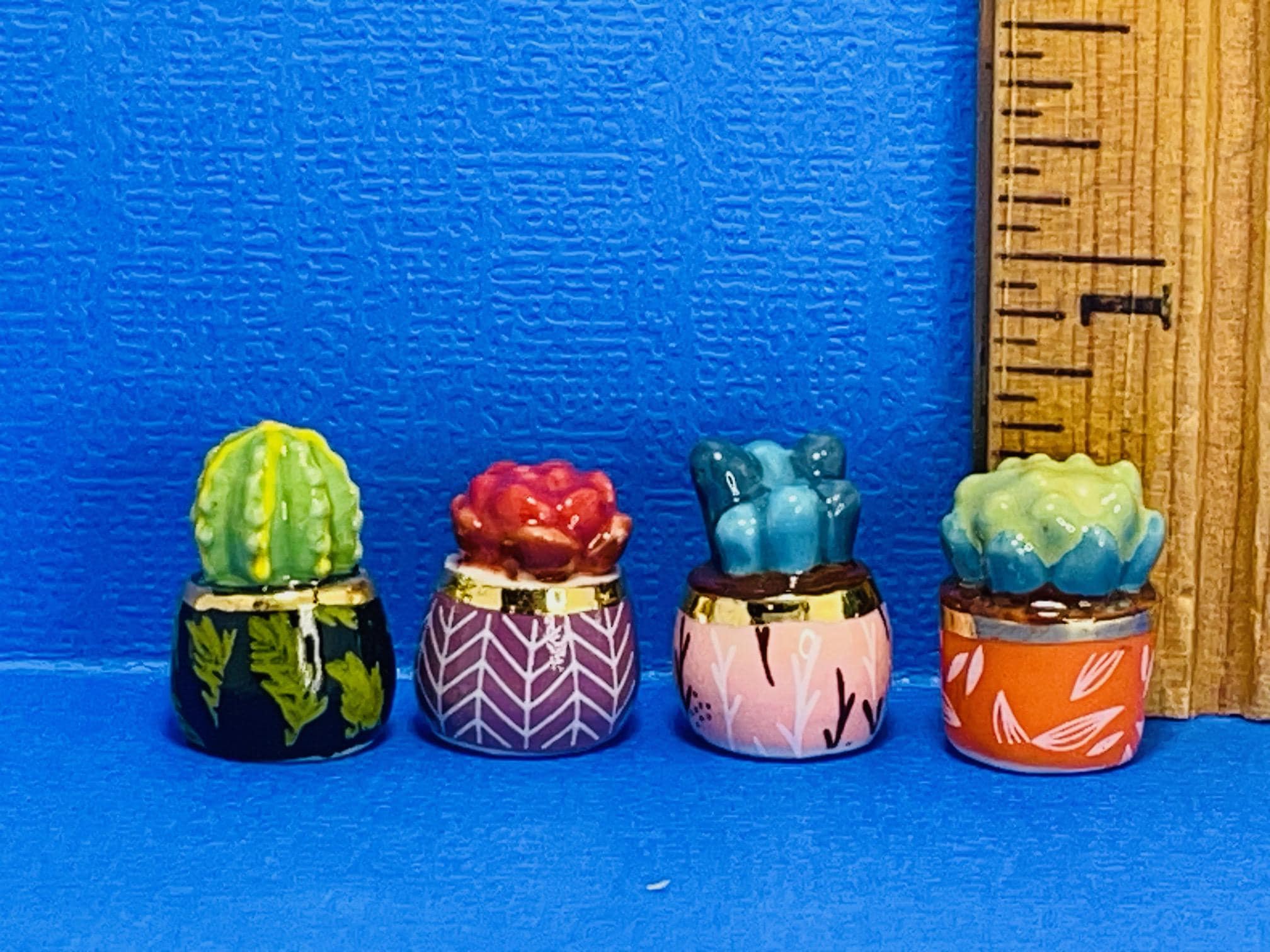
Frailea care is an intimate dance with nature’s smallest sentinels, a calling to cultivate wonder through disciplined tenderness. Each tiny button cactus nurtured is a victory of patience and passion, an ode to the desert’s unyielding beauty distilled in miniature.
FAQ
What is the ideal soil mix for Frailea cacti?
Frailea cacti thrive in a well-drained, gritty soil mix composed of sand, pumice or perlite, and humus-poor compost to prevent root rot.
How often should I water my Frailea cactus?
Water generously during the growing season but allow the soil to dry completely between waterings. In winter, reduce watering significantly or pause entirely.
Can Frailea cacti tolerate frost?
No, Frailea cacti are sensitive to temperatures below 50°F (10°C) and frost can cause severe stress or death.
How do I propagate Frailea cacti?
Propagation can be done via offsets by separating them carefully once roots develop or by sowing seeds in a sterile, moist substrate under diffused light.
What pests commonly affect Frailea cacti?
Mealybugs and spider mites are common pests that can damage Frailea cacti, and should be controlled promptly with organic insecticidal soap or alcohol swabbing.
Leave a Reply