
Short Answer
Have you ever stumbled upon a cactus bursting with vibrant, unnatural colors and wondered, “Is this really a cactus or some alien flora from a distant planet?” Welcome to the whimsical world of the Moon Cactus, a fascinating botanical oddity that captivates with its neon hues and quirky charm. But beneath its playful appearance lies a delicate balance that can pose a surprising challenge for even seasoned plant enthusiasts. What makes this cactus so unique, and how can you ensure it not only survives but thrives in your care? Let’s embark on an illuminating journey inside the enigmatic spotlight that is the Moon Cactus.
The Unmistakable Charm: What Makes the Moon Cactus So Unique?
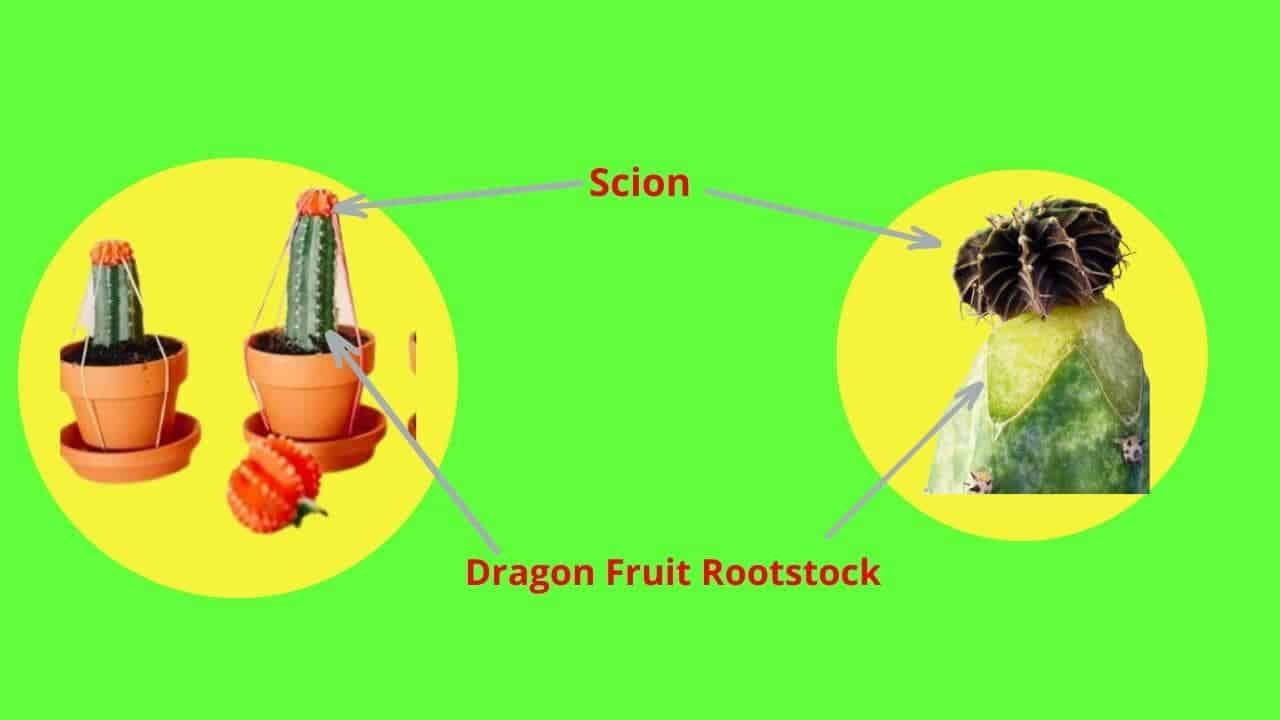
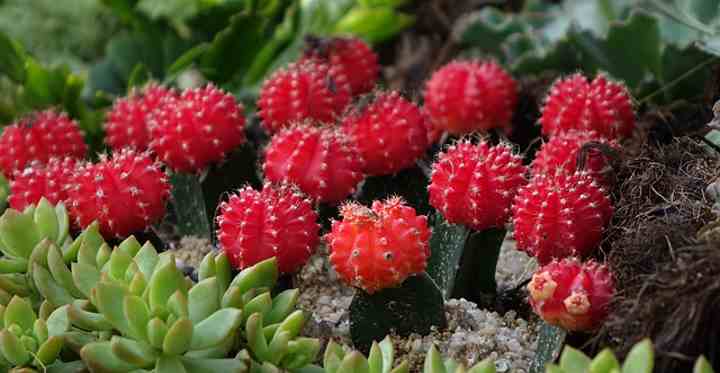
The Moon Cactus doesn’t just stand out—it practically demands attention with its flamboyant crown of glowing reds, yellows, and oranges perched atop a succulent green base. Unlike typical cacti, the Moon Cactus is a grafted plant, a botanical fusion created by joining two different species for aesthetic appeal and survival synergy. The striking colorful top, called the scion, is usually a mutant Gymnocalycium mihanovichii that lacks chlorophyll, which is why it can’t survive solo. The green, chlorophyll-rich rootstock upholds life by providing photosynthesis, akin to a life-support system beneath the surface.
This intriguing graft is more than a clever horticultural trick—it’s a testament to nature’s adaptability fused with human ingenuity. Its eye-catching palette and structural uniqueness aren’t just for decoration; they reflect a complex relationship that’s both fragile and fascinating. The Moon Cactus challenges our understanding of how plants survive, showing us that sometimes, beauty depends on a teamwork of species.

Understanding the Science: How Grafting Shapes the Moon Cactus
The art of grafting is what sustains the Moon Cactus’s vivid existence. The process involves splicing the colorful, chlorophyll-deficient scion onto a hardy, photosynthetic rootstock, often a species like Hylocereus. This graft isn’t merely cosmetic—it’s life-giving. The rootstock acts like the foundation, channeling nutrients and energy to the upper graft, compensating for its inability to produce food via photosynthesis.
This interdependence exemplifies an extraordinary plant partnership. However, it also introduces inherent vulnerabilities. If the connection weakens, the entire plant struggles. This makes the Moon Cactus a living paradox: it’s mesmerizingly beautiful, yet requires meticulous care to maintain this delicate alliance. Plus, because the scion lacks chlorophyll, it’s far less tolerant to harsh environmental conditions than other cacti, adding complexity to its upkeep.
Illuminating the Night: The Moon Cactus’s Light Requirements
Despite its desert ancestry, the Moon Cactus is a bit of a diva when it comes to light. It craves bright, indirect sunlight—think filtered sun rays rather than an intense midday blaze. Too much direct sunlight can scorch its colorful top, fading its vibrant hues and causing unsightly burn marks that dull its dazzling appeal. Conversely, insufficient light may cause the scion to lose its brilliant coloration, devolving into a dull, pale shell of its former self.
Balancing light exposure requires attentiveness. An east or west-facing window often provides the perfect environment. During summer’s peak, a gentle shade cloth or sheer curtain can shield the plant from overpowering sun, ensuring its tissues remain tender and vibrant.

Thirst and Nourishment: Mastering the Moon Cactus’s Watering Regimen
Watering a Moon Cactus is an exercise in finesse. While typical desert cacti are hardy survivors of drought, this grafted marvel demands moderate moisture levels but detests soggy soil. Overwatering is the cardinal sin, often leading to root rot or fungal invaders that swiftly compromise the delicate graft union.
The ideal approach is to let the soil dry out almost completely between waterings. In spring and summer—the growing seasons—water sparingly but consistently. When fall and winter usher in dormancy, reduce watering substantially, sometimes to once a month. Proper potting mix with excellent drainage, such as one rich in pumice or perlite, is essential to keep excess moisture at bay while allowing roots to breathe.
Temperature and Humidity: The Cozy Niche of the Moon Cactus
The Moon Cactus is not a hardy desert survivor in hot sun and parched air; it prefers temperate, stable environments. Ideal temperatures range from 65°F to 80°F (18°C–27°C). It can tolerate brief dips below this range but is vulnerable to frost or prolonged cold spells, which can cause permanent damage.
As for humidity, the Moon Cactus does well in average household conditions, but excessively dry air isn’t ideal either. If you live in an arid climate, consider placing a humidity tray nearby or grouping it with other plants to create a microclimate that prevents desiccation. Just don’t let the air become stagnant or overly moist, as this can invite disease.
Warning Signs: How to Detect When Your Moon Cactus Is Struggling
Despite best efforts, the Moon Cactus may sometimes exhibit distress signals. The most common and heartbreaking symptom is the fading or loss of coloration in the scion. This is often a red flag indicating insufficient light, overwatering, or nutrient deficiencies. If left unchecked, the colorful crown may start to wither and collapse, a tragic fate for such a charismatic plant.
Another issue is the scion becoming mushy or discolored at the graft union, suggesting root rot or graft failure. Yellowing, black spots, or shriveled areas are all warnings you shouldn’t ignore. Early intervention—adjusting care routines, repotting in fresh soil, or in some cases, regrafting—can often revive the plant.
Propagation and Longevity: Can You Grow Your Own Moon Cactus?
For those enchanted by the Moon Cactus, propagation presents both an exciting project and a formidable challenge. Since the scion cannot photosynthesize independently, successful propagation involves grafting a cutting of it onto a new rootstock. This delicate horticultural dance requires patience, precision, and sterile technique.
Moon Cacti can live several years with proper care, but their lifespan is generally shorter than other succulents, primarily due to the fragility of the graft union. Over time, the junction may weaken or rot, making replacement necessary. However, with attentive upkeep and timely grafting, these luminous plants can continue to dazzle for many seasons.
The Moon Cactus Experience: Why It’s Worth the Challenge
Embracing a Moon Cactus in your home is more than adding a colorful succulent—it’s embracing a botanical paradox and a lesson in balance. Caring for this gem requires thoughtful attention, but the rewards are immense: a living piece of art that adds vibrancy and whimsy to your space. It invites curiosity, sparks conversation, and nurtures a deeper understanding of nature’s nuanced complexities.
So, are you ready to welcome this celestial cactus into your collection? With its spectacular colors and enchanting story, the Moon Cactus doesn’t just brighten your room—it lights up your imagination.
FAQ
Why is the Moon Cactus brightly colored?
Its colorful top is a mutant Gymnocalycium mihanovichii lacking chlorophyll, requiring grafting onto a green rootstock for survival.
Can the Moon Cactus survive on its own without grafting?
No, because the top lacks chlorophyll and cannot photosynthesize, it depends on the rootstock for nutrients.
How do I prevent my Moon Cactus from dying?
Avoid overwatering, provide bright indirect light, maintain stable temperatures, and watch for signs of graft failure.
Is the Moon Cactus suitable for beginners?
It requires more attention than typical cacti due to its grafted nature, so it may not be the best choice for complete beginners.
Leave a Reply