
Short Answer
The Melocactus genus, commonly known as the Turk’s Cap cactus, is a captivating and distinctive group of cacti that enchants plant enthusiasts with its unique morphology and fascinating growth habits. Native primarily to tropical and subtropical regions of the Americas, Melocactus species are instantly recognizable by their globular bodies crowned with a cephalium — a vibrant, woolly, and often brightly colored structure that resembles a traditional Turkish fez. Beyond their striking appearance, these cacti demand specialized care and a nuanced understanding to thrive and flourish in cultivation. Whether you are drawn to Melocactus peruvianus, the iconic Turk’s Cap, or other dazzling varieties, this guide will steer you through essential care practices, optimal growing conditions, propagation techniques, and common challenges encountered by growers worldwide.
Identifying Melocactus Varieties and Their Unique Features
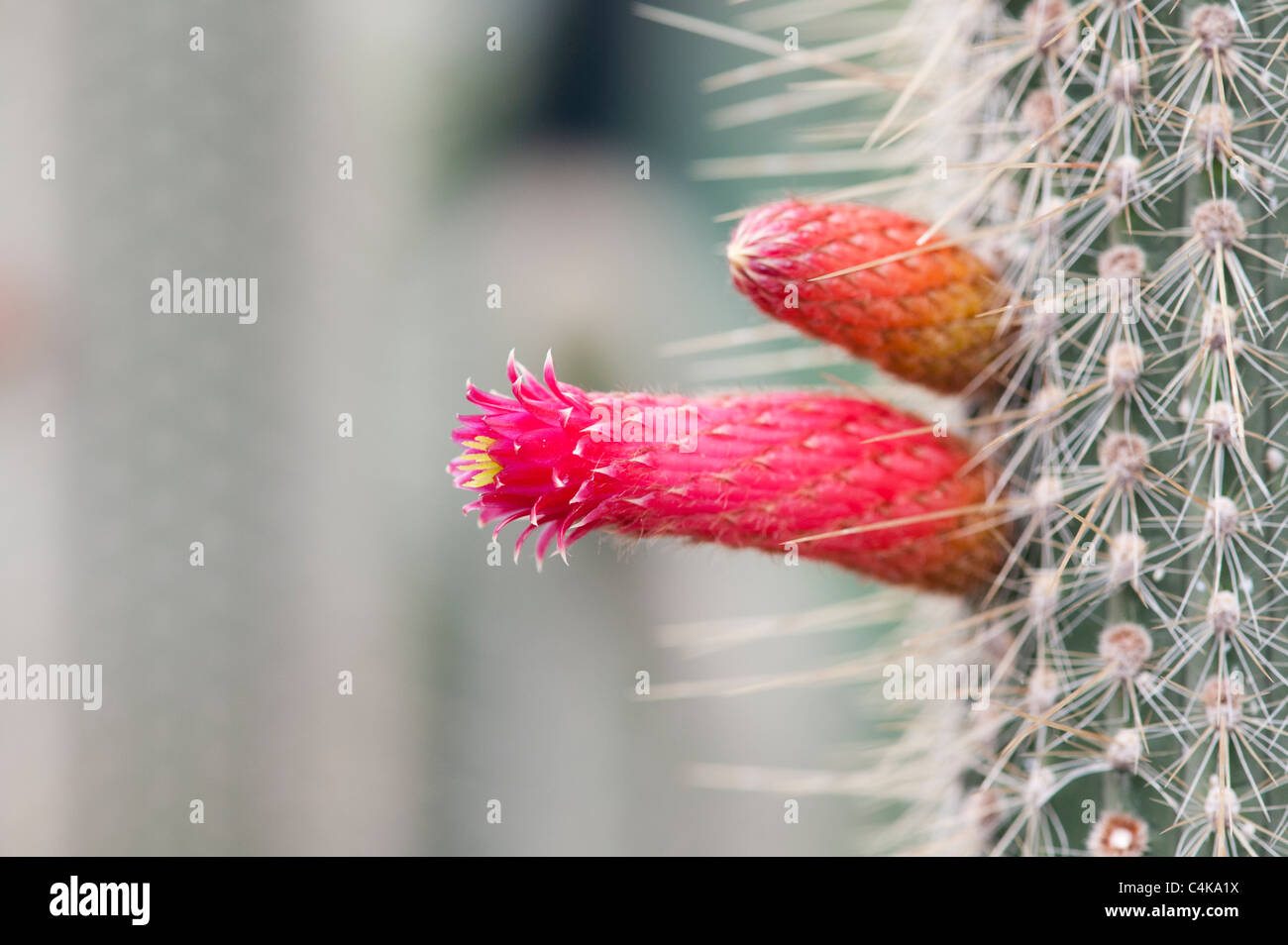
Melocactus comprises numerous species, each boasting subtle distinctions in size, spine arrangement, and cephalium coloration. The hallmark of the genus is the cephalium, a phenomenon rare among cacti that signals maturity and reproductive readiness. Unlike most cacti that flower from areoles distributed across their surface, Melocactus produces flowers exclusively from this specialized structure. For example, Melocactus peruvianus is widely admired for its compact, spherical shape and dense, short spines, crowned by an intensely red cephalium that matures over several years.

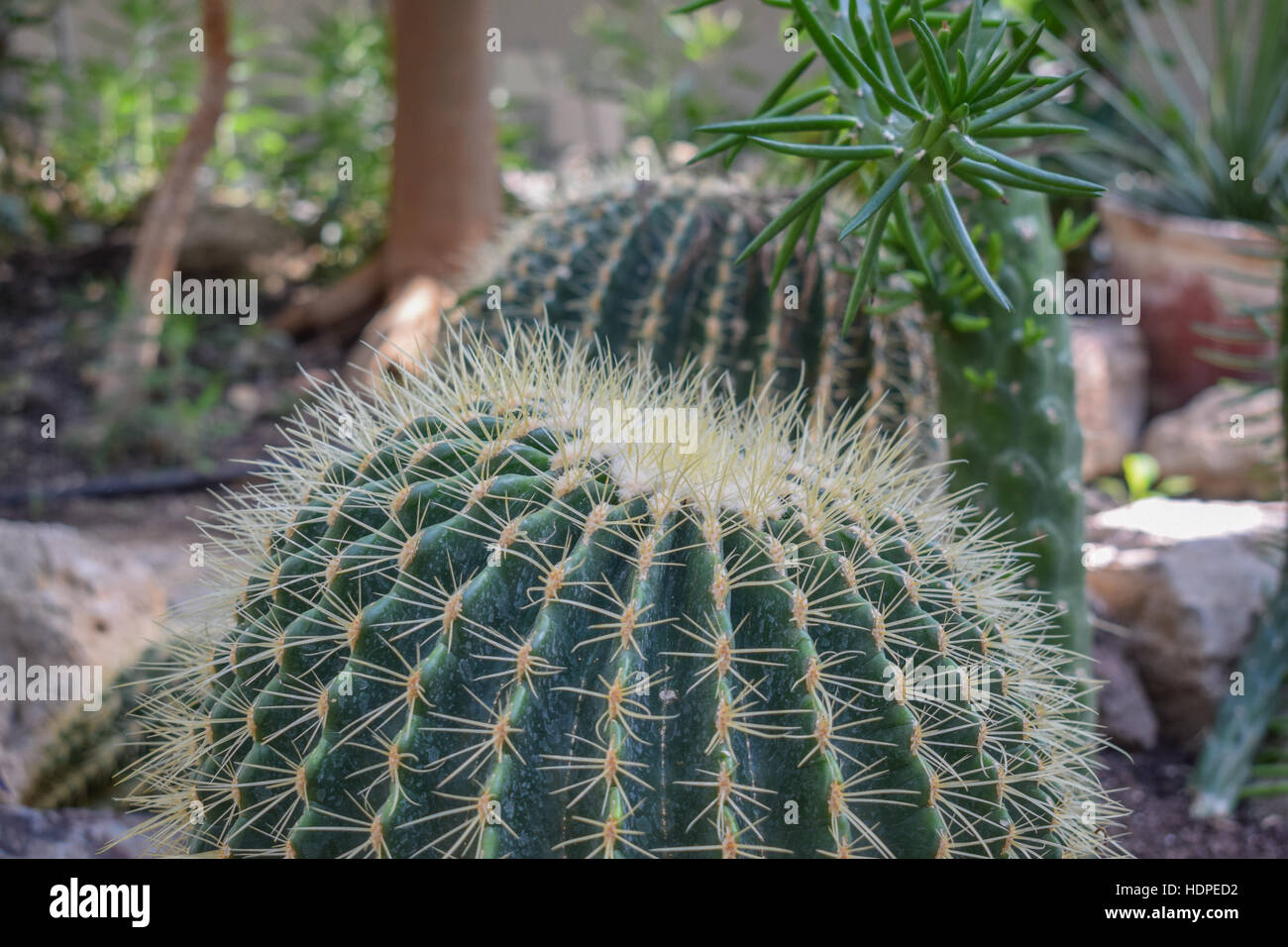
Other notable species can display varying spine hues—ranging from golden amber to silvery gray—and different cephalium textures, from dense wool to bristly hair-like projections. Understanding these botanical nuances is vital to providing species-specific care that promotes vigorous growth and longevity.
Essential Soil and Potting Conditions for Robust Growth
Melocacti flourish best in substrates that mimic their native rocky, well-draining habitats. A porous mix composed of coarse sand, perlite, and small gravel combined with a minimal amount of organic matter creates an ideal environment that prevents water stagnation around sensitive root systems. Excess moisture is a principal adversary, often precipitating root rot if left unchecked.
Using terra cotta pots not only assists in moisture regulation but also encourages aeration, further safeguarding the plant. The pot size should accommodate the cactus comfortably, allowing room for root expansion but avoiding oversized containers which retain undue moisture.
Illumination: The Crucial Role of Light Exposure
Sunlight is the lifeblood of Melocacti, powering their metabolic processes and directly influencing cephalium development. These cacti revel in bright, indirect sunlight, though many species can tolerate several hours of direct morning or late afternoon sun without distress. Full midday sun, especially in hot climates, can cause photoinhibition or sunburn, manifesting as discoloration or scarring of the epidermis.
For indoor cultivators, positioning Melocactus near a south- or east-facing window ensures sustained brightness while filtering harsh rays. Supplementary grow lighting can also be employed during short winter days to compensate for diminished natural light levels.
Watering Regimens: Emulating Nature’s Rhythm
Replicating the natural precipitation pattern of Melocactus’ native habitats is paramount for successful watering. These cacti endure a pronounced dry season, followed by brief, sporadic rains. During the active growing phase—from spring through early autumn—moderate watering is essential, allowing the soil to dry nearly completely between sessions.
Overwatering is a pervasive pitfall; waterlogged roots rapidly succumb to anaerobic conditions, fostering fungal pathogens. Conversely, during the dormant winter months, watering should be severely curtailed or suspended altogether, simulating drought conditions essential for rest and rejuvenation.
Temperature and Humidity Preferences for Optimal Health
Melocacti favor warm climates with stable temperatures, typically thriving between 70°F to 85°F (21°C to 29°C) throughout the growing season. They are sensitive to cold drafts and frost, which can inflict irreversible damage. Maintaining nighttime temperatures above 50°F (10°C) during winter dormancy is advisable.
Exposure to high humidity is generally discouraged as it predisposes the plants to fungal attacks and cephalium decay. Cultivating in environments with low to moderate humidity, coupled with excellent airflow, supports physiological vigor and disease resistance.
Propagation Techniques: From Seeds to Groomed Specimens
Melocactus propagation is predominantly achieved via seed, owing to their slow and singular growth pattern. Seeds should be sown on a well-draining, sterile cactus medium. Germination requires warmth, consistent moisture, and diffuse light. Patience is a virtue; seedlings emerge slowly and demand meticulous care for several months before displaying robust growth.
Vegetative propagation is extremely rare and generally not practical for this genus since offsets are not naturally produced. Some experienced growers attempt grafting Melocactus seedlings onto faster-growing rootstocks to enhance growth rates and survival.
Common Diseases and Pest Management
Although hardy, Melocacti are susceptible to several pests such as mealybugs, spider mites, and scale insects. Vigilant inspection and early intervention using horticultural oils or insecticidal soaps are crucial to preserving plant health. Additionally, fungal infections of the cephalium or root rot arise primarily from overwatering or insufficient ventilation. Prophylactic measures include maintaining proper watering routines and ensuring environmental conditions do not favor pathogen proliferation.
Special Considerations for Cephalium Care and Flowering
The cephalium is a botanical marvel—its maintenance requires thoughtful attention. Avoid physical damage to this sensitive crown, as injuries can inhibit flower and fruit production. While cephalium growth rates are slow, providing optimal nutrient availability through diluted cactus fertilizers can enhance vibrancy and flowering potential. Patience is key, as many Melocacti take several years to reach cephalium maturity and subsequent bloom.
Seasonal Care and Repotting Best Practices
Seasonal changes dictate the rhythm of care. During active growth, monitoring for nutrient depletion and soil compaction informs timely repotting—generally every 3 to 4 years. Early spring is the preferred time to repot, allowing the cactus to acclimate before intense summer conditions. Handle with care, using soft tools or gloves to avoid damaging spines and cephalium tissue.
During dormancy, minimize disturbance and maintain stable environmental conditions. This period is crucial for the plant’s long-term vitality.
Enhancing Your Collection: Combining Melocactus with Compatible Plants
Cultivating Melocactus alongside other xerophytic succulents can create breathtaking displays emphasizing texture and form. Combining with xerophytes such as agaves or euphorbias in well-designed arid arrangements offers visual contrast and shared cultural requirements. Additionally, container gardens featuring coarse gravel and sculptural stones can evoke the native habitat, promoting a naturalistic aesthetic while enhancing care efficiency.
FAQ
What is the best soil for Melocactus?
A well-draining mix of coarse sand, perlite, and small gravel is ideal for Melocactus.
How often should I water my Melocactus?
Water moderately during the growing season, allowing the soil to dry completely between waterings.
Can Melocactus be grown indoors?
Yes, Melocactus can thrive indoors with adequate light from a south- or east-facing window.


Leave a Reply