
Short Answer
The Ariocarpus genus, a cluster of cacti that seem to defy the laws of the desert, has long captivated botanists, artists, and spiritual seekers alike. These plants, often referred to as “living rocks,” are not merely botanical curiosities—they are symbols of resilience, stillness, and an unshakable connection to the earth. Their uncanny ability to blend into rocky landscapes, their slow but deliberate growth, and their capacity to thrive in harsh conditions make them a metaphor for grounding energy in an increasingly chaotic world. But why does this particular cactus genus hold such profound symbolic weight? The answer lies in its paradoxical nature: it is both a master of concealment and a beacon of endurance, a silent teacher of patience and presence.
The Art of Camouflage: How Ariocarpus Masters the Illusion of Stillness
At first glance, an Ariocarpus cactus appears to be nothing more than a fragment of the terrain itself—a rough, textured stone with a crown of wavy, fleshy leaves. This deceptive simplicity is no accident; it is a survival strategy honed over millennia. The plant’s surface is adorned with tubercles that mimic the color and shape of surrounding rocks, a phenomenon known as cryptic coloration. This camouflage isn’t just about avoiding predators; it’s a lesson in the power of subtlety. In a world that often rewards visibility and noise, Ariocarpus reminds us that there is strength in stillness, in blending rather than standing out.
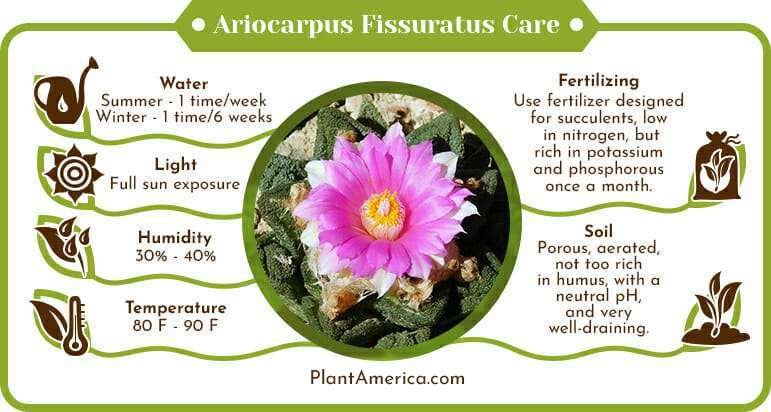
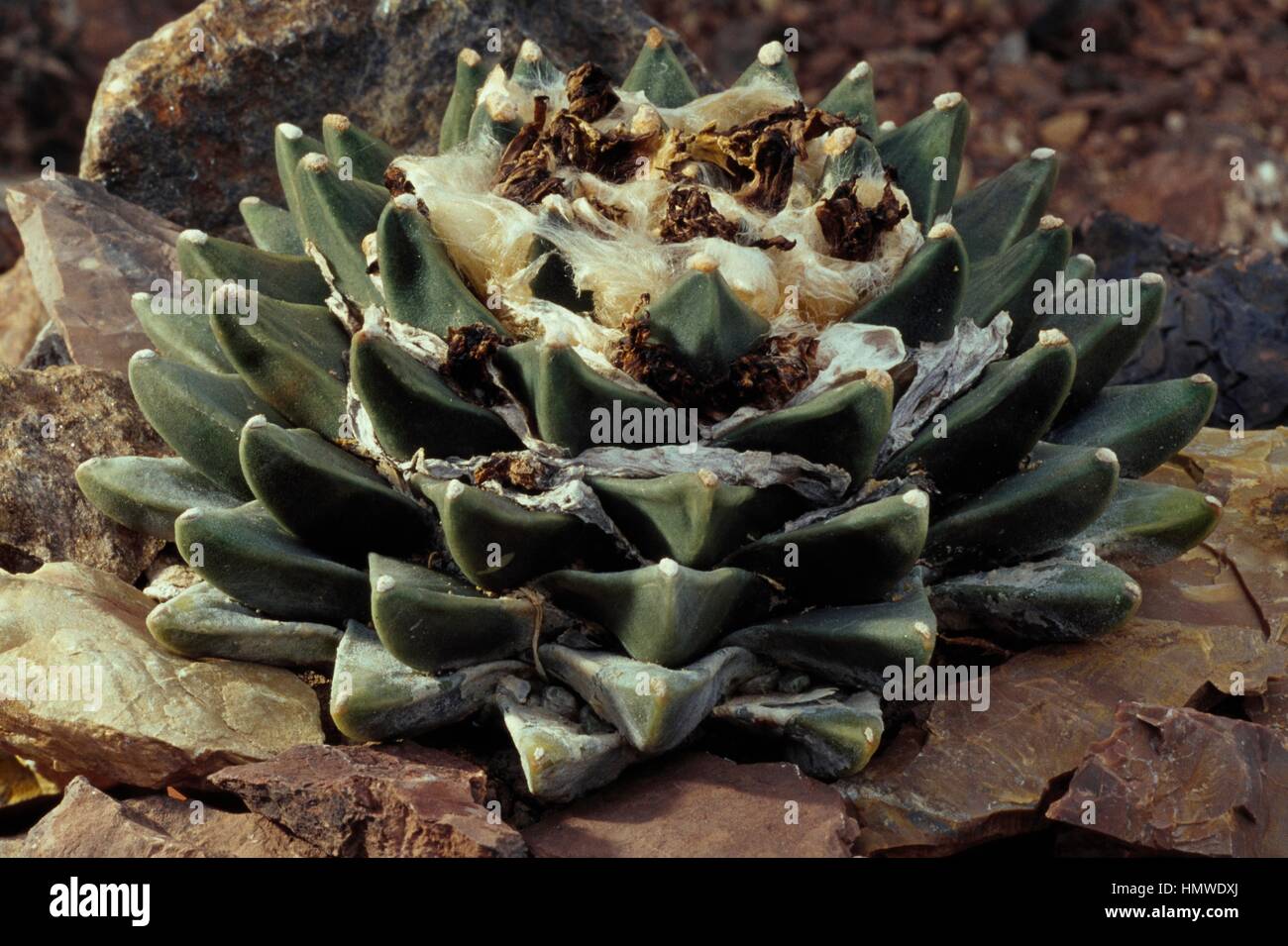
Consider the Ariocarpus fissuratus, whose fissured, gray-green body resembles the cracked earth of its native Chihuahuan Desert. Its form is so unassuming that even seasoned hikers might overlook it, mistaking it for a mere pebble. Yet, beneath this unpretentious exterior lies a tenacious life force. The plant’s ability to remain undetected speaks to a deeper truth: sometimes, the most profound transformations occur in silence, away from the spotlight. This is the essence of grounding energy—an unhurried, unobtrusive presence that anchors us to the present moment.
The Slow Burn: Patience as a Virtue in the World of Ariocarpus
Unlike the rapid, almost explosive growth of many desert plants, Ariocarpus species are paragons of deliberation. Some varieties take years to mature, their growth so gradual that it’s imperceptible to the naked eye. This painstaking pace is not a flaw but a feature—a deliberate rejection of the hurried rhythms that dominate modern life. In a culture obsessed with instant gratification, Ariocarpus stands as a living testament to the beauty of patience.
Take the Ariocarpus agavoides, whose name hints at its agave-like leaves and its slow, agave-like growth. This cactus doesn’t rush toward the sun; it savors each ray, absorbing nutrients and moisture with the precision of a seasoned alchemist. Its growth is a meditation, a reminder that true progress is not measured in speed but in depth. When we observe Ariocarpus, we are witnessing the antithesis of our own frenetic pace. It teaches us that grounding energy isn’t about force or speed—it’s about constancy, about the quiet persistence of roots digging deeper into the soil, even when the surface world is in turmoil.
Roots of Resilience: The Underground Network of Ariocarpus
Beneath the soil, Ariocarpus cacti weave an intricate web of roots that spread laterally, seeking out moisture and nutrients with the tenacity of a seasoned explorer. This subterranean network is a masterclass in resilience, a system designed to endure drought, extreme temperatures, and the relentless sun. The roots of Ariocarpus are not merely anchors; they are lifelines, connecting the plant to a hidden world of sustenance and stability.
This underground resilience mirrors the human experience of grounding. Just as Ariocarpus thrives by establishing deep, far-reaching roots, we too find stability not in superficial achievements but in the unseen foundations we build—our values, our relationships, and our inner strength. The plant’s ability to store water in its thick, fleshy body further underscores this theme. It doesn’t waste energy on frivolous pursuits; instead, it conserves its resources, waiting for the opportune moment to bloom. In this way, Ariocarpus embodies the principle of strategic conservation, a reminder that true grounding comes from within, from the quiet reserves of patience and fortitude we cultivate over time.

The Ariocarpus agavoides, with its textured, rock-like appearance, is a visual metaphor for the strength that lies beneath the surface. Its form is a silent sermon on the power of unseen growth, urging us to look beyond the obvious and appreciate the depth of our own foundations.
The Blooming Paradox: How Ariocarpus Rewards Patience with Beauty
Perhaps the most enchanting aspect of Ariocarpus is its ability to reward patience with breathtaking beauty. Unlike many cacti that burst into color with the changing seasons, Ariocarpus often blooms in the dead of winter or the scorching heat of summer, when most plants retreat. Its flowers—delicate, vibrant, and fleeting—emerge from the heart of the plant, a stark contrast to its rugged exterior. This timing is no coincidence; it is a deliberate defiance of conventional wisdom, a testament to the idea that beauty can flourish even in the most inhospitable conditions.
The Ariocarpus retusus, for instance, produces pale pink or white flowers that seem to glow against its gray, stone-like body. These blooms are not just a display of color; they are a symbol of hope, a reminder that even in the harshest environments, life finds a way to express itself. The contrast between the plant’s unassuming form and its radiant flowers is a powerful metaphor for grounding energy. It suggests that true stability doesn’t require us to be rigid or unchanging; rather, it allows us to remain rooted while still embracing the beauty of transformation.
This paradox—of stillness and bloom, of concealment and revelation—is at the heart of Ariocarpus’s symbolism. It teaches us that grounding energy isn’t about stagnation; it’s about the courage to remain present, even as life unfolds in unexpected ways. The plant’s flowers are a fleeting gift, a reminder that moments of beauty are precious precisely because they are temporary. In this way, Ariocarpus encourages us to savor the present, to find joy in the here and now, even as we remain anchored to our core.
From Desert to Soul: Applying Ariocarpus Wisdom to Modern Life
The lessons of Ariocarpus extend far beyond the botanical realm. In a world that often feels fragmented, where distractions pull us in a thousand directions, the cactus genus offers a blueprint for reclaiming our sense of grounding. Its symbolism invites us to slow down, to embrace stillness, and to find strength in the unseen. Whether through meditation, mindful movement, or simply taking a moment to observe the natural world, we can channel the energy of Ariocarpus to cultivate resilience in our own lives.
Consider the practice of earthing, or grounding, where individuals connect with the earth’s energy by walking barefoot on soil or grass. This simple act is a direct homage to the principles embodied by Ariocarpus. Just as the cactus draws sustenance from the earth, we too can replenish our energy by reconnecting with the natural world. The plant’s ability to thrive in adversity serves as a reminder that we, too, possess an innate capacity for endurance and renewal.
Moreover, Ariocarpus challenges us to rethink our relationship with time. In a culture that glorifies speed and productivity, the cactus genus teaches us that growth is not a race but a journey. It encourages us to celebrate small, incremental progress, to find joy in the process rather than fixating on the outcome. This shift in perspective can be transformative, allowing us to approach life with a sense of calm and purpose.
The Ariocarpus retusus, with its ethereal blooms, is a visual representation of the beauty that emerges when we allow ourselves to be patient and present. Its flowers are a fleeting gift, a reminder that grounding energy isn’t about control but about trust—in ourselves, in the process, and in the natural rhythms of life.
The Living Rock as a Mirror: What Ariocarpus Reveals About Ourselves
Ultimately, the fascination with Ariocarpus is a reflection of our own longing for stability in an unstable world. The plant’s ability to blend into its surroundings, to grow slowly and deliberately, and to bloom in unexpected moments speaks to a universal human desire: the need to feel rooted, even when life feels chaotic. Ariocarpus is more than a cactus; it is a mirror, reflecting back to us the qualities we aspire to embody—patience, resilience, and an unshakable connection to the earth.
In a society that often prioritizes speed and visibility, Ariocarpus stands as a quiet rebel, a testament to the power of stillness. Its symbolism invites us to question our own pace, to embrace the beauty of the unseen, and to find grounding in the present moment. Whether we are tending to a garden, navigating personal challenges, or simply seeking a moment of peace in a busy day, the lessons of Ariocarpus are a guiding light—a reminder that true strength lies not in resistance but in surrender, not in speed but in depth.
So the next time you encounter an Ariocarpus cactus, take a moment to pause. Observe its rugged form, its delicate blooms, and the quiet determination of its growth. Let it serve as a reminder that grounding energy is not a destination but a practice—a lifelong journey of staying connected, staying present, and staying true to the rhythms of the earth.
FAQ
What does Ariocarpus symbolize?
Ariocarpus symbolizes resilience and grounding energy, representing the strength found in patience and stillness.
How do Ariocarpus cacti adapt to their environment?
They use camouflage to blend into rocky landscapes and have a slow growth rate, which helps them conserve resources in harsh conditions.
When do Ariocarpus cacti bloom?
They typically bloom in the winter or summer, showcasing delicate flowers that contrast their rugged appearance.



Leave a Reply