
Short Answer
Embarking on the journey of cultivating Rebutia and Medusa cacti invites you into a world where desert charm meets botanical intrigue. These captivating succulents—each boasting their distinctive allure—offer verdant beauty and splashes of vivid color, transforming any indoor or outdoor space. Whether you’re drawn to the delicate spherical crowns of Rebutia or the serpentine rosettes of the Medusa Aeonium, understanding their nuanced care demands unlocks flourishing, long-lasting plants that thrive with grace and vigor.
The Enigmatic Rebutia: Crown Cactus Overview
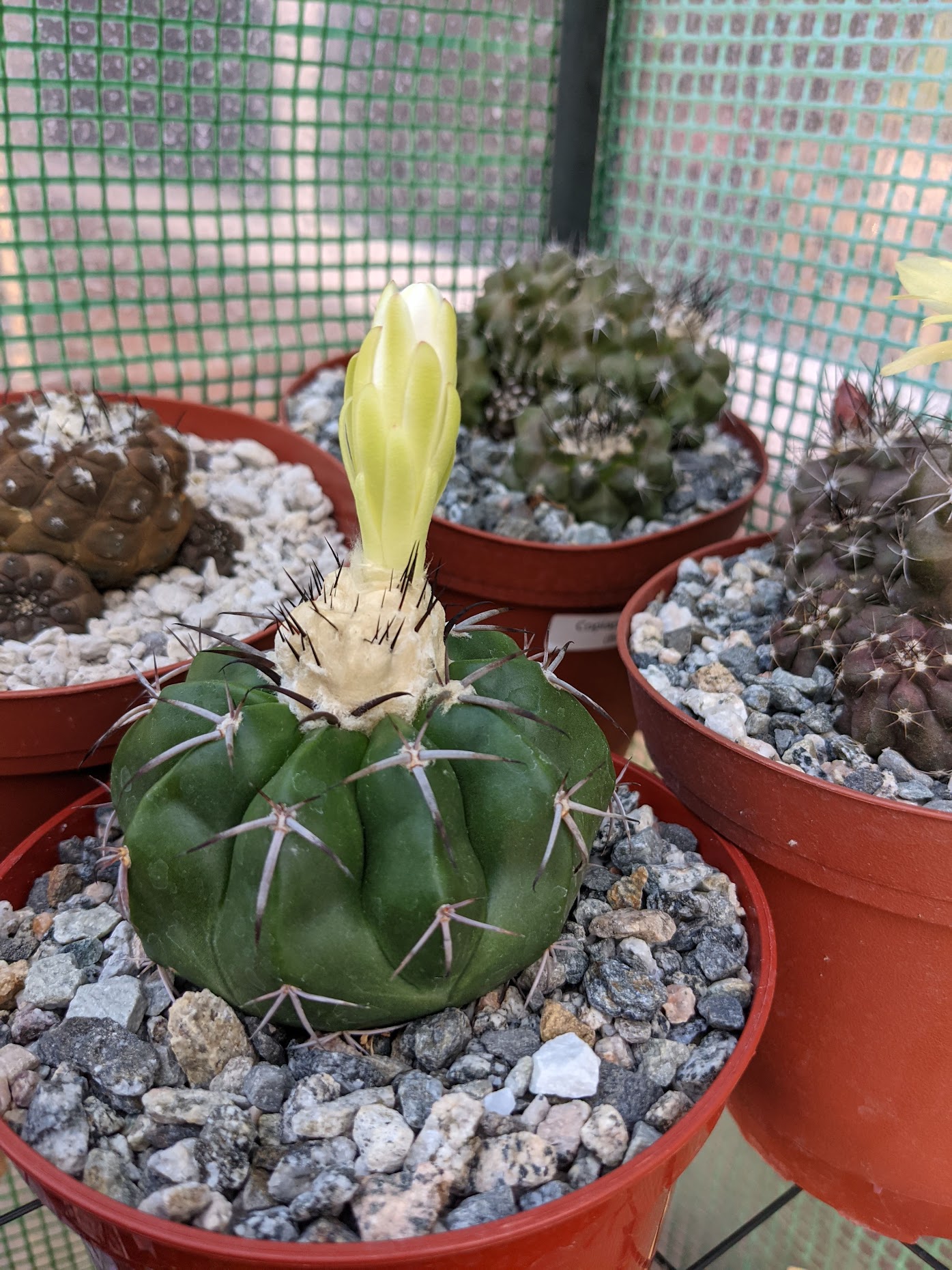
Rebutia, often dubbed the crown cactus, is a genus marked by petite, globular forms that produce breathtaking clusters of vibrant blooms. Native to the higher altitudes of the Andes Mountains, these resilient succulents have adapted to chilly temperatures, rocky soils, and sharp sunlight. Their diminutive size belies their robust nature, making them a favored choice among succulent enthusiasts.

These cacti flourish in bright, filtered sunlight and demand exceptional drainage—attributes that mimic their native rocky slopes. Their spherical to short columnar bodies, often segmented into intricate tubercles, create a regal ‘crown’ visual that captivates collectors and casual gardeners alike. Preparing the right substrate and watering regimen is pivotal in nurturing these jewels of the desert.
Medusa Aeonium: Sculptural Marvel in Succulents
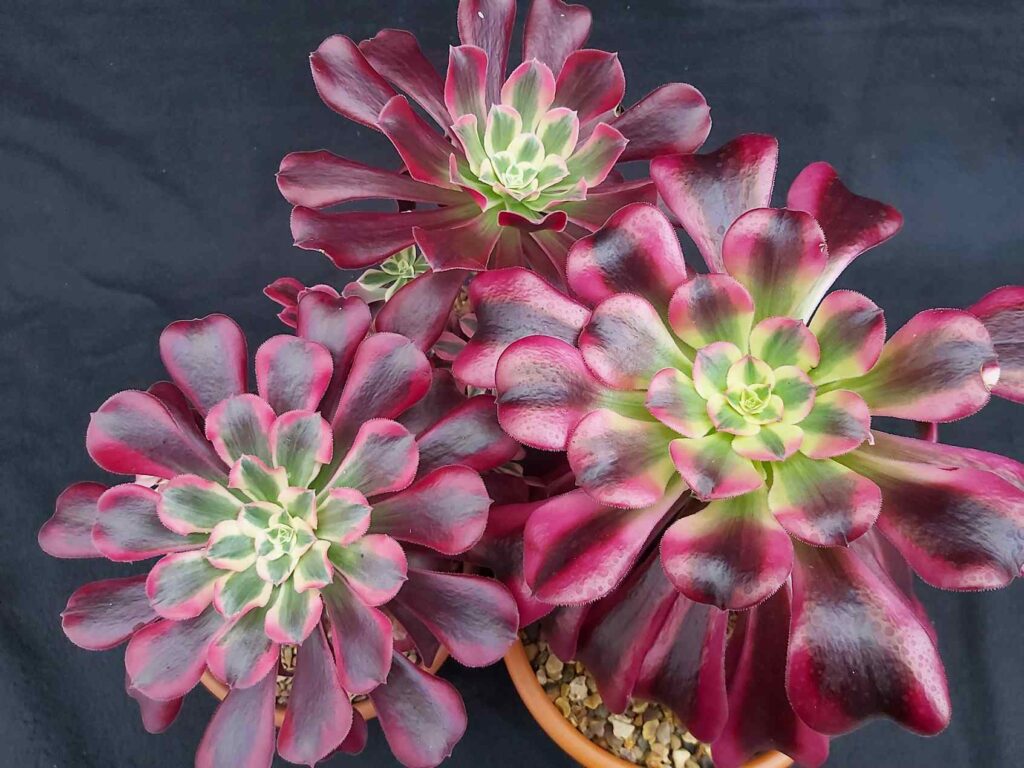
Diverging from the spiny world of cacti, the Aeonium Medusa enchants with an architectural design reminiscent of mythological serpents. Its sprawling rosettes, with twisting, finger-like leaves, create striking silhouettes that contrast beautifully with smoother succulents. This species thrives in temperate conditions, favoring milder climates or careful indoor cultivation.

Understanding its nuances—from light preferences to soil needs—ensures the Medusa remains vigorous. Unlike typical desert cacti, Aeoniums require modest watering and avoidance of prolonged drought, reflecting their origin in subtropical regions. Their captivating form lends itself to both container gardening and sculptural displays, intensifying any succulent collection’s diversity.
Ideal Growing Mediums for Rebutia and Medusa
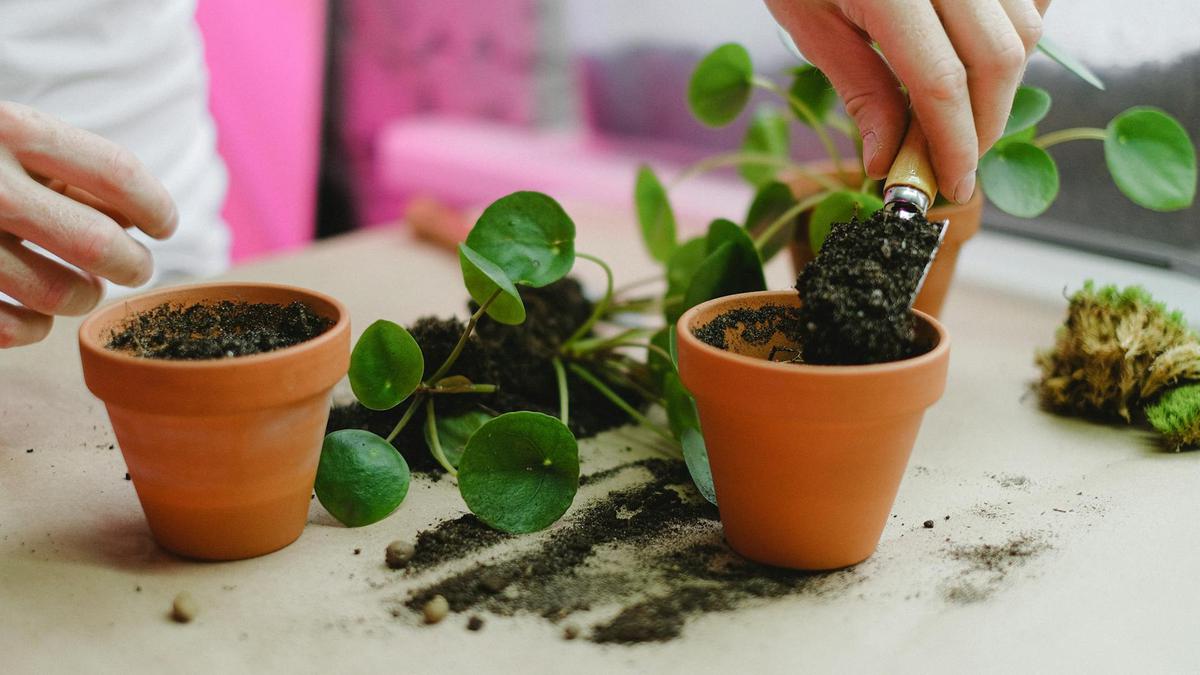
The foundation of succulent health lies in substrate selection. Rebutia demands a gritty, aerated soil mix that mirrors mountainous gravel beds—combinations rich in pumice, perlite, and coarse sand ensure swift drainage and prevent perilous root rot. Infusing a slight alkaline component can also replicate their native mineral environment.
For Aeonium Medusa, a looser, organic-rich yet well-draining mix serves best, incorporating components like cactus soil blended with coconut coir or composted bark. Medusas revel in substrates that retain slight moisture but never stagnate. The juxtaposition in soil composition highlights the importance of tailoring mixes to each genus’ evolutionary habitat.
Watering Regimens: Between Aridity and Moderation
Watering nuances vary significantly between Rebutia and Medusa cacti. Rebutia, accustomed to arid altitudes, benefits from infrequent, deep soakings followed by meticulous drying intervals. During their active spring and summer growth phases, watering every 10-14 days suits their metabolism; reduce frequency drastically during dormancy.
Contrastingly, Aeonium Medusa enjoys a more tempered hydration cycle. Their fleshy leaves require consistent moisture during growth, typically spring through fall, but demand cessation in winter to prevent crown rot. Employing the ‘soak and dry’ method—a thorough watering followed by soil dryness—balances their susceptibility to fungal issues with essential hydration.
Sunlight and Placement: Illuminating Ideal Conditions
Both genera crave light, but the intensity and duration type diverge. Rebutia prospers in bright but indirect sunlight, ideally in eastern or western windows that shield from midday scorch. Their sun-adapted physiology allows some tolerance to direct rays but prolonged exposure could cause stress discolorations or spines bleaching.
Conversely, Aeonium Medusa flourishes under moderate sunlight, thriving in morning sun with partial shade afternoon refuge. Their leaves, prone to sunburn, perform better in filtered light environments or bright interior locations near south-facing windows in temperate zones. Strategic placement will amplify leaf coloration and overall health.
Temperature and Humidity Requirements
Rebutia cacti are surprisingly cold-hardy, tolerating low temperatures approaching freezing, an adaptation honed through mountainous origins. However, they fare best in ambient temperatures between 50°F to 80°F. Avoid exposure to excessive humidity or extended frost, conditions which can undermine root integrity and promote pathogenic growth.
Medusa Aeoniums prefer a warm but stable environment, ideally between 65°F and 75°F. They dislike high humidity, which can trigger fungal diseases, thus maintaining good ventilation is vital, especially indoors. Protecting Aeoniums from frost is essential, as cold damage causes leaf drop and stunted growth.
Fertilizing Strategies for Robust Growth
Fertilization breathes vitality into these plants, but overenthusiasm risks toxicity. For Rebutia, balanced, diluted cactus fertilizers rich in phosphorus encourage prolific flowering without encouraging excessive, weak growth. Feed lightly once every 4-6 weeks during active growth.
Aeonium Medusa benefits from similarly cautious fertilizing regimes—preferably low nitrogen formulations that enhance leaf color and density rather than elongation. Organic options like worm castings or diluted seaweed extracts nurture soil microbiota while subtly supplementing nutrients.
Propagation Techniques: Expanding Your Succulent Kingdom
Both Rebutia and Medusa offer straightforward propagation paths that excite even novice growers. Rebutia propagates readily via offsets that emerge from the base, which can be separated and potted once roots develop. Additionally, seed propagation offers rewarding but slow growth for enthusiasts patient with germination processes.
Aeonium Medusa commonly propagates through stem cuttings. Allow garden shears’ cuttings to callous over for several days before placing them in moist, well-draining soil. This method usually results in rapid root initiation, enabling swift multiplication and sharing of these sculptural specimens.
Pest and Disease Vigilance for Long-Term Success
Vigilance against pests and diseases fortifies your plants’ resilience. Rebutia may attract spider mites, mealybugs, or scale insects, which demand prompt treatment with insecticidal soaps or horticultural oils. Root rot remains a silent foe, mitigated primarily by maintaining impeccable drainage and watering discipline.
The Aeonium Medusa is susceptible to aphid infestations and fungal diseases in overly humid conditions. Regular inspection and strategic environmental control—like improved airflow and avoidance of water pooling on leaves—help safeguard their statuesque surfaces from degradation.
Seasonal Care: Aligning with Plant Rhythms
Understanding seasonal rhythms enhances your ability to coax vigor from these cacti. Rebutia enters dormancy during cooler months, necessitating a significant reduction or cessation of watering. Its flowers typically appear in spring, rewarding your patience with brilliant bursts of color.
For Medusa Aeonium, growth peaks in spring and fall, with a relative dormancy in hot summers and cold winters. Adjusting care to these physiological cycles—modulating light, water, and temperature—ensures your plants remain poised and vigorous through yearly fluctuations.
Mastering Rebutia and Medusa care extends beyond mere technicalities—it intertwines patience, observation, and a profound appreciation for the natural artistry these plants embody. From the textured crowns to the serpentine rosettes, each facet invites gardeners to cultivate not only plants but living sculptures that celebrate the quiet grandeur of xerophytic beauty.
FAQ
What type of soil is best for Rebutia cacti?
Rebutia requires a gritty, aerated soil mix with excellent drainage.
What pests should I watch out for with Medusa cacti?
Medusa cacti can be susceptible to aphids and fungal diseases, particularly in humid conditions.

Leave a Reply