
Short Answer
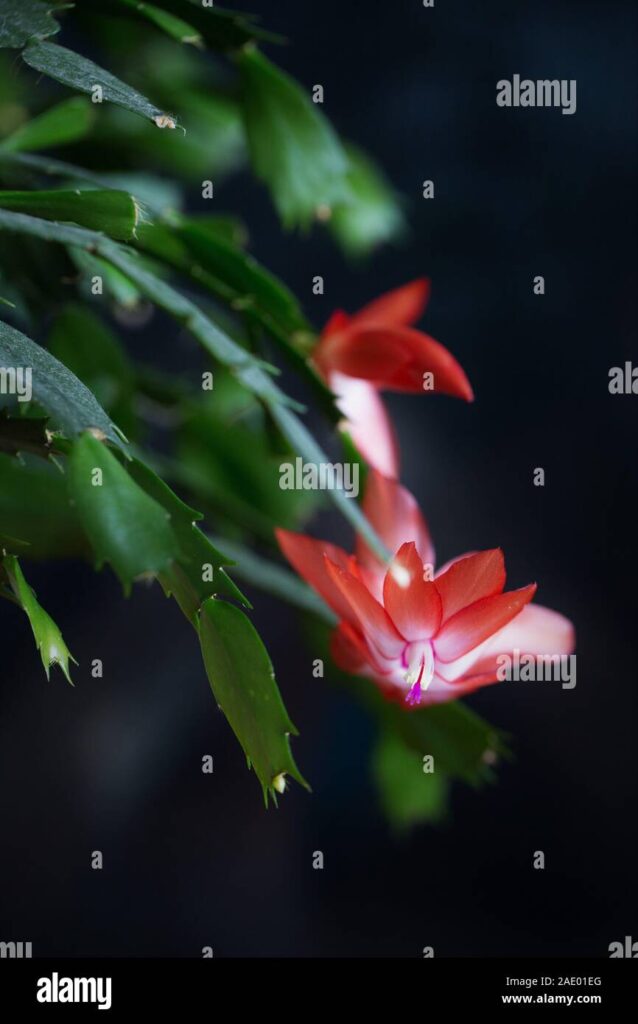
The Schlumbergera, often affectionately known as the Thanksgiving or Christmas cactus, has long captivated indoor gardeners and plant enthusiasts alike. Its vibrant waterfall of blossoms emerges during the shorter days of late autumn and early winter, a spectacle that seems to defy the dormancy often associated with colder months. Yet, many who cultivate these charismatic succulents encounter a puzzling challenge: encouraging consistent, copious flowering. This quest to unlock the floral potential of Schlumbergera is not merely a horticultural feat but an exploration into the plant’s nuanced interplay with light, temperature, and care. The fascination lies not just in the blooms themselves, but in the subtle signals and environmental whispers that coax the cactus into a riot of color.
Understanding the Natural Rhythms Behind Schlumbergera Blooming
To encourage flowering, one must first appreciate the Schlumbergera’s natural life cycle. Native to the tropical rainforests of Brazil, these epiphytic cacti thrive under diffuse light beneath the canopy, receiving gentle seasonal cues rather than harsh direct sunlight. Unlike desert cacti that bloom under intense heat and dryness, Schlumbergera relies on a precise balance of short daylight intervals and cooler temperatures to initiate bud formation. This photoperiodic sensitivity—responding to the length of night rather than day—is essential. During the autumn months, nights lengthen, and the plant perceives this extension as a signal to transition from vegetative growth to reproductive mode. Without this, flowering may be delayed or fail entirely.
The Critical Role of Light: Beyond Brightness to Duration
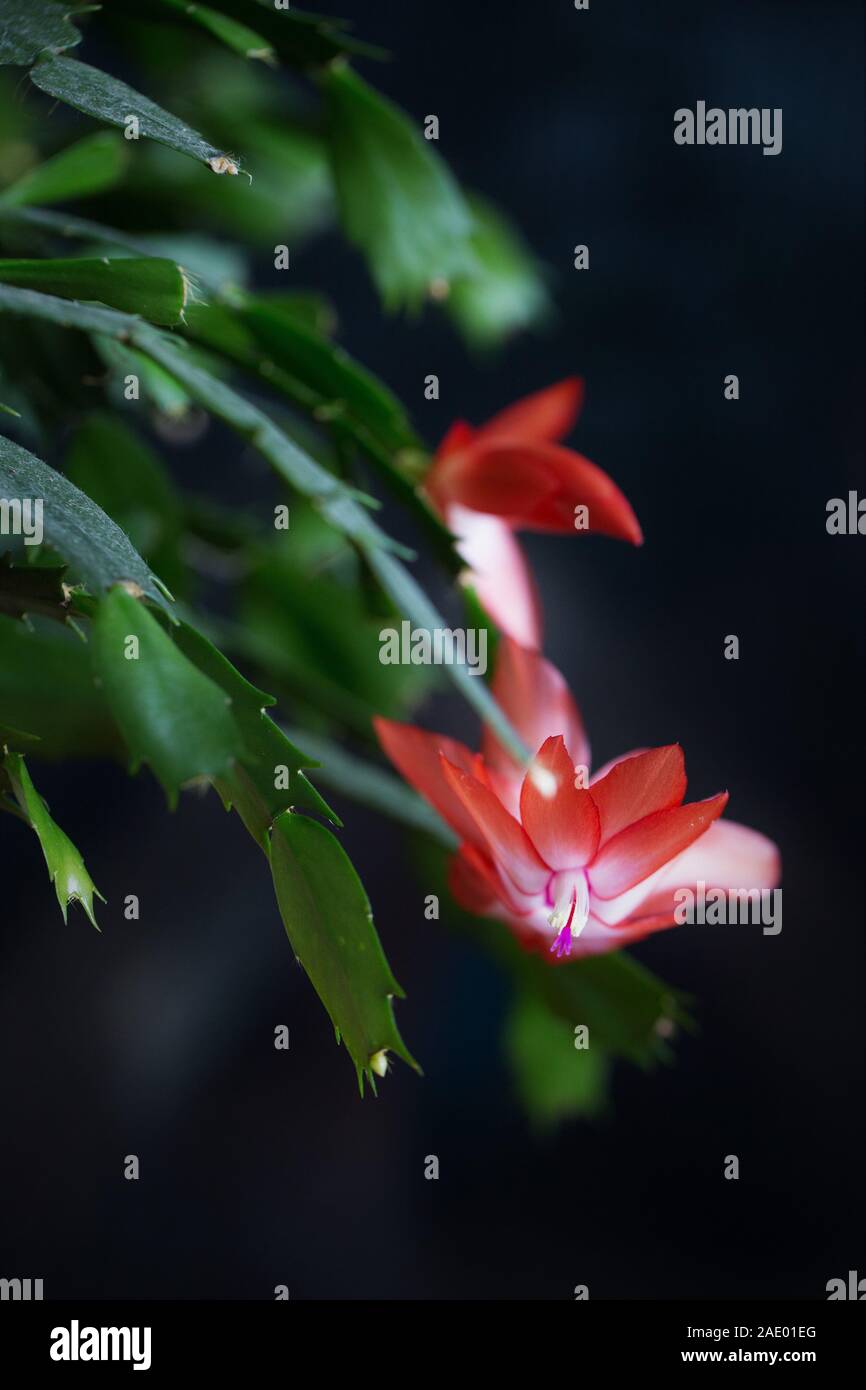
Light is often considered the most crucial factor in encouraging Schlumbergera flowering, but it’s the quality, intensity, and especially duration that matter most. While the plant enjoys bright but indirect light, prolonged exposure to intense, direct sunlight can scorch its segmented stems and inhibit flower bud development. More importantly, the plant requires uninterrupted dark periods of approximately 12 to 14 hours each night to trigger flowering hormones. Interruptions—such as artificial indoor lighting during evening hours—can disrupt this photoperiodic signal, preventing buds from forming. Strategically positioning the plant or using light-blocking covers in the early evening can simulate the natural darkness the plant craves during the critical pre-flowering phase.
Temperature: Balancing Warmth and Coolness for Optimal Blooming
Temperature plays a surprisingly intricate role, acting as a secondary cue following light cycles. Schlumbergera does not demand extremes; rather, it benefits from a mild drop in nighttime temperatures, ideally between 50 to 60 degrees Fahrenheit (10 to 16 degrees Celsius). This slight cooling mimics the dawn of fall in its native environment and nudges the plant from leafy growth into blossom preparation. Daytime temperatures between 65 and 70 degrees Fahrenheit (18 to 21 degrees Celsius) maintain vigor without premature bud drop. Sudden temperature fluctuations or ambient drafts can stress the plant, causing the buds to abort or delay their unfurling. Consistency is key, replicating the gentle shift of temperate seasons rather than harsh, erratic changes.
Watering and Humidity: Nurturing Without Overindulgence
Watering practices deeply influence the plant’s ability to bloom. Unlike many succulents requiring arid conditions, Schlumbergera hails from humid rainforest microclimates. It demands moist—never soggy—soil and thrives with moderate humidity levels. As it approaches its flowering cycle, slightly reducing the frequency of watering encourages the plant to focus energy on bud production rather than foliage expansion. However, allow the medium to dry out marginally between waterings to prevent root rot. Too much water or overly dry air can cause stress-related issues such as bud drop or failure to flower. Maintaining ambient humidity through misting or pebble trays enriches the plant’s environment, imitating the rainforest’s moist atmosphere.
Feeding for Floral Success: Nutrients That Spark Blooms
Nutrition is a linchpin for encouraging vibrant flowers. Providing a balanced fertilizer high in phosphorus—a key element in flowering—during the growing season supports robust bloom production. A diluted, low-nitrogen formula encourages the allocation of energy to flower buds instead of excessive leaf growth. Feeding should commence in early spring and continue through late summer but be curtailed as the plant approaches its short-day bloom trigger. Over-fertilization or unbalanced feeding can lead to lush but flowerless plants, highlighting the importance of targeted, moderate nourishment tuned to the plant’s phenological needs.

The Art of Pruning: Stimulating Growth and Encouraging Blooms
Pruning extends beyond aesthetic motives; it is a strategic tool to stimulate branching, thereby increasing potential flowering sites. After the blooming period ends, selectively trimming sections encourages the plant to develop more side shoots. These new segments are vital for future floral bud production. Pruning also rejuvenates older plants, removing leggy or damaged stems, which can sap energy that might otherwise be invested in flowers. Done carefully, pruning enhances the overall vitality and bloom density, ensuring that the plant remains vigorous and floriferous for years to come.
Repotting: When to Refresh the Environment
Though Schlumbergera adapts well to container life, periodic repotting is instrumental in sustaining flowering health. Ideally conducted every 2 to 3 years after the flowering season, repotting refreshes soil fertility and prevents root-bound conditions that restrict nutrient and water uptake. Using a well-draining, slightly acidic cactus mix enriched with organic matter provides the ideal base for healthy root development. Overly compacted or depleted substrate can diminish flowering potential, making repotting a critical preventative action that renews the plant’s vigor and encourages prolific blooming.
Patience and Observation: Unlocking the Plant’s Unique Dialogue
Lastly, the journey to encouraging flowering in Schlumbergera demands patience and a keen eye. These plants communicate through subtle changes—a droop here, a color shift there—which reveal their current needs and comfort levels. Observing the interplay of light, temperature, watering, and growth phases helps tailor care to each individual specimen’s idiosyncrasies. The fascination with Schlumbergera lies in this delicate dance of environmental cues and botanical response, a reminder that flowering is as much an art as it is a science. The moment a bud unfurls is a sublime reward, a testament to the intricate harmony achieved between grower and plant.
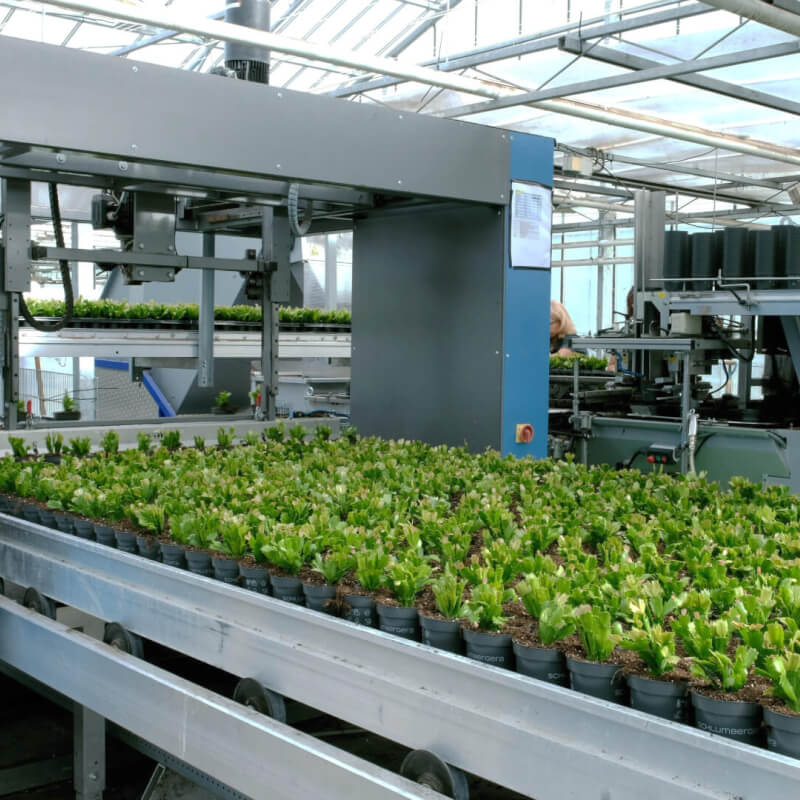
Embracing these diverse yet interconnected factors unlocks the true potential of Schlumbergera’s spectacular blooms. With attentive care, a nod to natural rhythms, and a touch of horticultural finesse, anyone can transform these remarkable plants into dazzling seasonal ambassadors of beauty and botanical wonder.
FAQ
What is Schlumbergera?
Schlumbergera, commonly known as the Thanksgiving or Christmas cactus, is an epiphytic cactus native to the tropical rainforests of Brazil.
How can I promote flowering in my Schlumbergera?
To promote flowering, ensure the plant receives 12-14 hours of uninterrupted darkness, maintain moderate temperatures, and provide appropriate watering and nutrients.

Leave a Reply