
Short Answer
Imagine a desert jewel cradled in your hands—each spine a testament to resilience, each bloom an ode to endurance. Thelocactus, with its sculptural ribs and radiant flowers, is not merely a cactus; it’s an emblem of strength transmuted into artistry. Cultivating Thelocactus inside containers brings this fierce desert beauty into your living space, a paradox of wild nature tenderly confined yet vibrantly alive. This journey into indoor growth transforms a minimalist pot into a microcosm of sun-baked landscapes, inviting you to become both artist and steward of an extraordinary botanical wonder.
A Potent Symphony: Choosing the Perfect Container
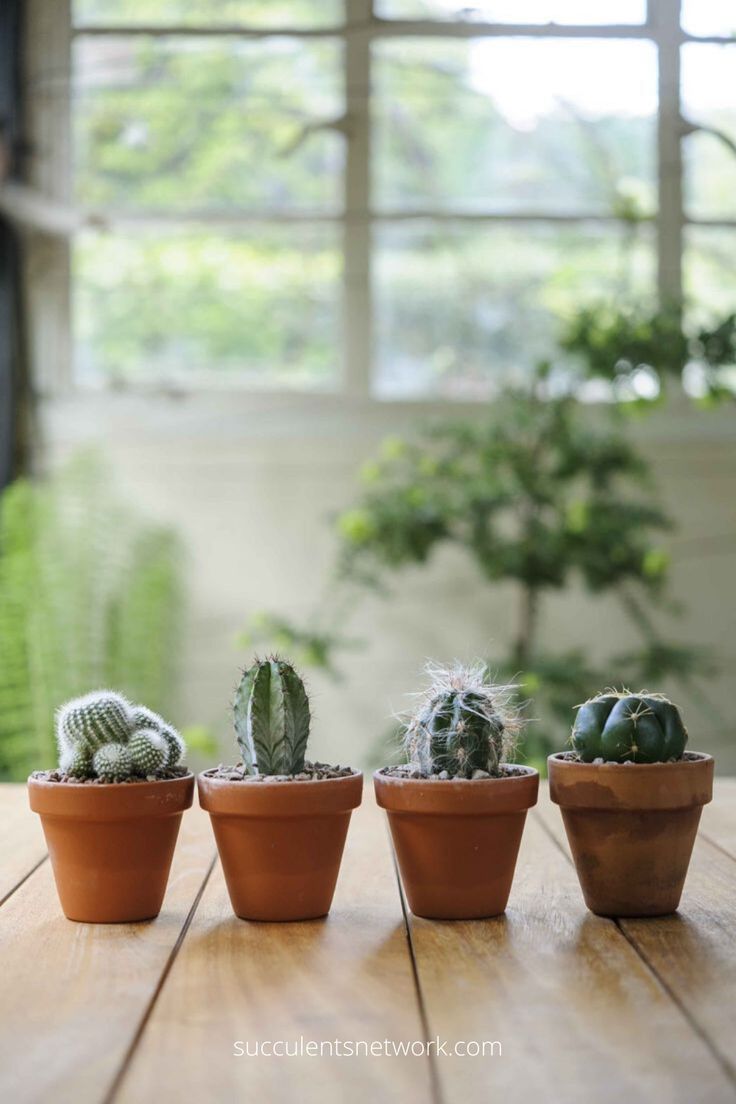
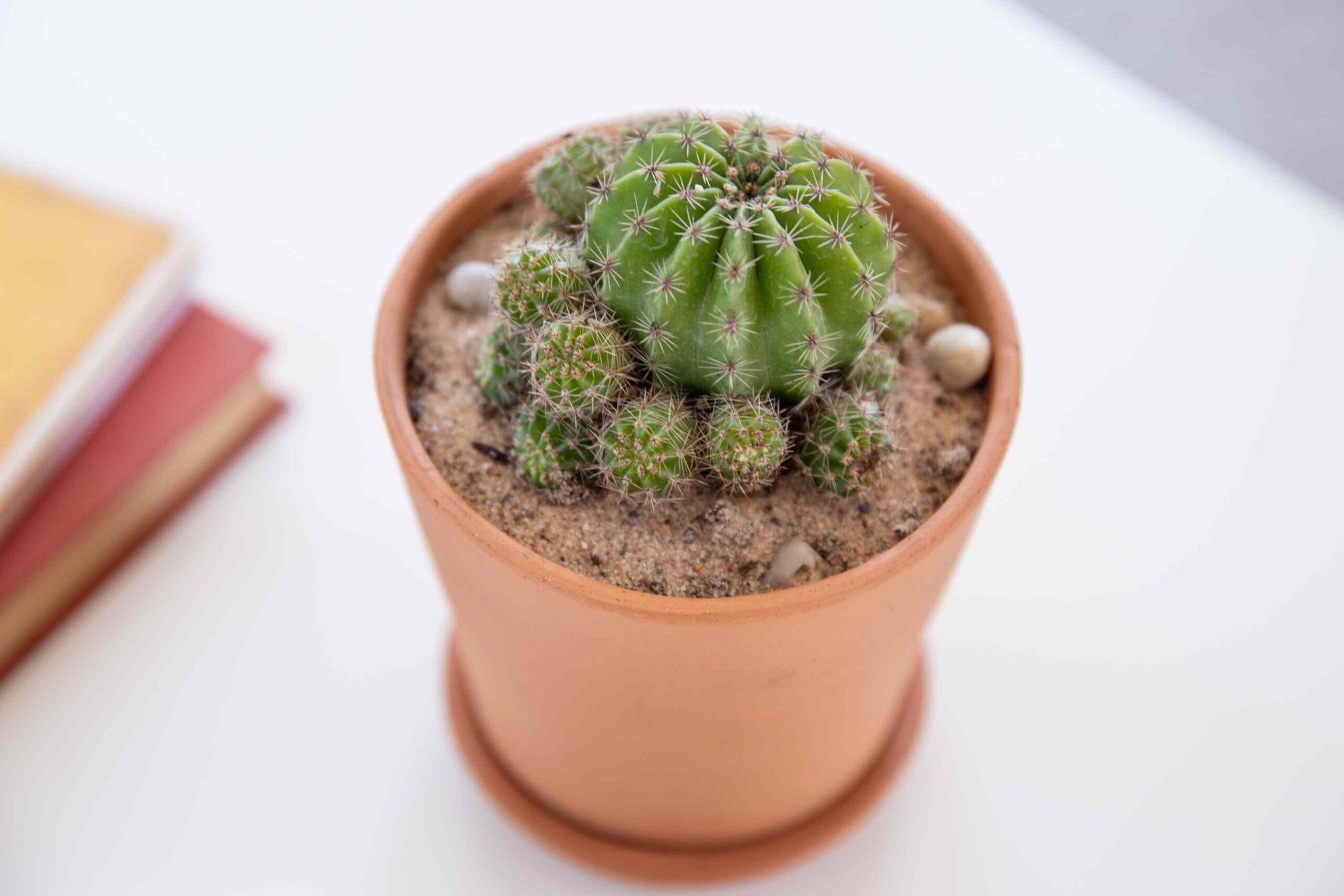
Consider the container as a stage upon which Thelocactus performs its slow, elegant dance of growth. The ideal pot marries form and function—allowing roots to breathe and stretch without drowning in excess moisture. Terracotta pots are the virtuosos here, their porous nature permitting ample aeration, preventing the insidious creep of root rot. Shallow yet broad offers more room for lateral root exploration, complementing the usually compact root system of Thelocactus. Avoid oversized containers, which risk water retention and invite fungal ailments, suffocating the plant’s natural vigor.

Potting Medium: The Desert’s Emissary in Your Home
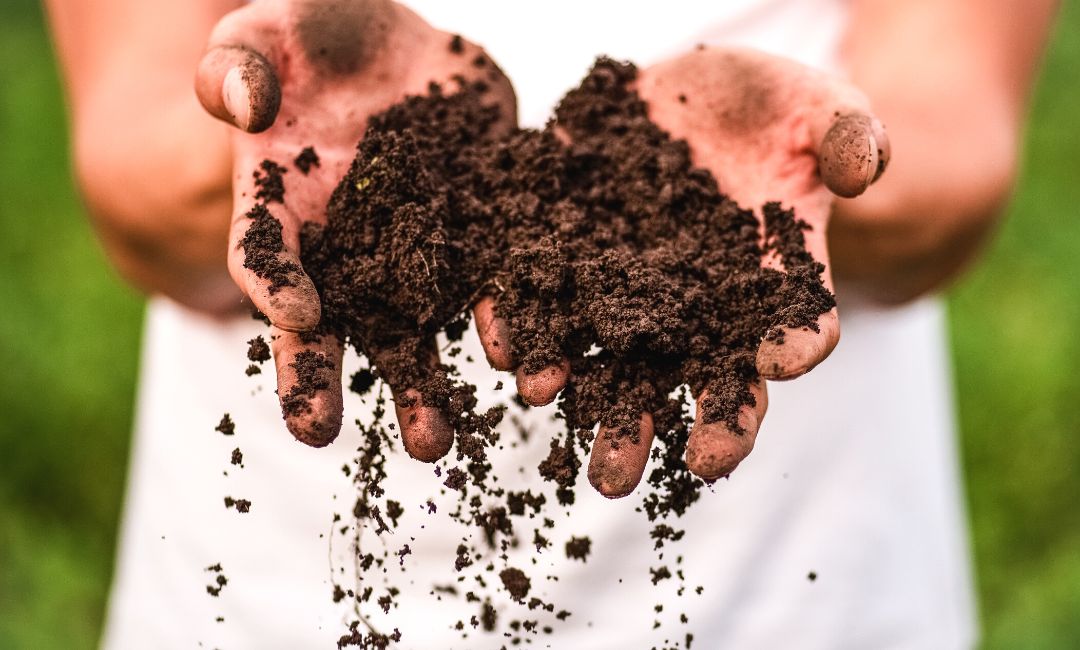
Envision the soil as the silent language through which the Thelocactus interprets its environment. A meticulously crafted potting mix mimics arid desert terrains—highly permeable, gritty, and nutrient sparse but rich in mineral resonance. Blend coarse sand, perlite, and a hint of organic matter to create this symphony of grittiness and drainage. Thelocactus thrives in a substrate that quickly sheds water yet retains just enough moisture to whisper encouragement to the roots. This balance wards off overhydration—a common indoor pitfall that muffles the cactus’ vibrant pulse.
Illumination as Lifeblood: Mastering Light Exposure
Like a solar sentinel, Thelocactus commands light as its indispensable life force. Indoors, it craves a sultry sunbath—direct, intense, and unwavering. Situate your container near south or west-facing windows where sunrays cascade with a golden fervor. Absence of sufficient light drains the cactus’s vigor and halts its latent potential to bloom; instead, expect elongated, pallid ribs—a botanical shadow of its true self. Supplementing with grow lights during darker months mimics the relentless daylight of deserts and infuses vigor back into the stalwart beauty.
Watering: The Delicate Dance Between Drought and Drench
Watering a Thelocactus inside a container is an act akin to a careful choreography, a rhythm where too much or too little can break the harmony. In its indoor abode, this cactus thrives on infrequent, deep watering sessions that encourage roots to probe deeply—a reminder of the desert storms that come but rarely. Wait until the top inch of soil is dry to the touch before quenching its thirst. In colder months, the plant enters dormancy, demanding almost no water. The fallout of excess hydration isn’t just soggy soil—it’s a slow suffocation that weakens both its form and spirit.
Temperature and Humidity: Crafting the Desert’s Embrace
Indoors, Thelocactus requires an environment that whispers of arid warmth and low humidity, much like its native desert habitat. Temperatures between 70–85°F (21–29°C) during the growing season forge a cocoon of comfort, while a cooler respite around 50–55°F (10–13°C) in winter mimics the desert’s nocturnal chill, signaling rest. Avoid placing the plant near drafts or humidifiers; excess moisture in the air blurs the sharp contours of its spines and encourages fungal complications. Imagine the air in your home as the unsung guardian of the cactus’ vitality—dry, warm, and unyielding.
Fertilization: Feeding the Quiet Appetite
Nutrient demands of Thelocactus are understated yet undeniable. In its container habitat, it benefits from a diluted, balanced fertilizer tailored for succulents during its active growth phase (spring to early autumn). Think of fertilizer as a whispered encouragement rather than an extravagance—a light touch to maintain metabolic vitality without overshadowing the plant’s inherent resilience. Overfeeding breeds weak, flabby tissue, betraying the natural tensile strength that makes Thelocactus a sculptural marvel.
Propagation and Repotting: Expanding the Desert Gallery
Propagating Thelocactus is a gratifying ritual of multiplying desert elegance. Offshoots, or pups, are the most common method—gently separated and placed in their own containers to root. This phase demands vigilance; ensure they dry out for several days post-separation to callous over wound edges before planting. Repotting signals renewal, best performed every 2-3 years to refresh soil vitality and inspect root health. Transplant with reverence, maintaining the balance between root containment and space to grow, preserving the cactus’ stoic sculptural integrity.
Pest Management: Shielding the Silent Warrior
Despite its hardy guise, Thelocactus indoors can fall victim to subtle adversaries: mealybugs, spider mites, and scale insects lurk in corners. These tiny invaders sap vitality, turning a proud specimen into a shadow of itself. Vigilant inspection paired with swift action—rubbing alcohol applications or insecticidal soaps—preserves the pristine state of your cactus. Beyond chemical defenses, maintaining optimal conditions discourages infestations, as stressed plants are more susceptible to attack. Your proactive guardianship ensures this desert sentinel remains unblemished.
Blooming: The Desert’s Ephemeral Fireworks
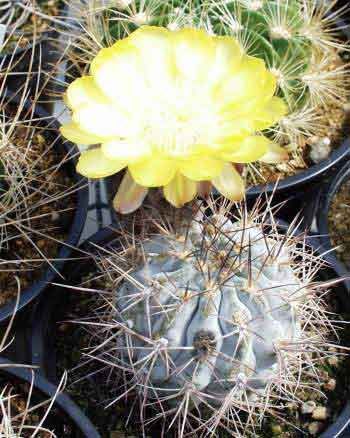
Thelocactus’ flowers are fleeting bursts of color—emissaries of desert spring, signaling triumph and vitality. Encouraging blooming indoors requires patience and the right confluence of environmental factors: sufficient light, correct temperature cycles, and proper watering discipline. Witnessing those radiant blossoms unfurl is akin to watching a secret desert celebration conducted in miniature—a transformative reward for your attentive cultivation.

Cultivating Connection: Thelocactus as a Living Metaphor
Growing Thelocactus indoors transcends horticulture; it becomes an ongoing dialogue between patience and persistence, fragility and fortitude. This spiny guardian is a metaphor incarnate—proof that beauty thrives in constraint, that resilience manifests even when removed from native wilds. Every rib and spine, every blushing flower is a stanza in a botanical poem, recited daily within the quiet refuge of your home. To cultivate Thelocactus is to invite a piece of the desert’s soul to dwell with you—unyielding, enigmatic, and endlessly inspiring.
FAQ
What type of container is best for Thelocactus?
Terracotta pots are ideal as they allow for proper aeration and prevent excess moisture.
How often should I water my Thelocactus?
Water infrequently, allowing the top inch of soil to dry out before watering again.
FAQ
What is the best pot for Thelocactus?
Terracotta pots are ideal due to their porous nature, which allows for proper aeration and moisture control.
How often should I water my Thelocactus?
Water Thelocactus infrequently, only when the top inch of soil is dry, and reduce watering in colder months.
What light conditions does Thelocactus need?
Thelocactus thrives in direct sunlight and should be placed near south or west-facing windows.
FAQ
What type of soil is best for Thelocactus?
A well-draining mix with coarse sand, perlite, and minimal organic matter is ideal for Thelocactus.
How often should I water my Thelocactus?
Water infrequently, allowing the top inch of soil to dry out completely before rewatering.
FAQ
What is the best container for Thelocactus?
Terracotta pots are ideal as they allow for good aeration and drainage.
How often should I water my Thelocactus?
Water infrequently, allowing the top inch of soil to dry out before each watering.
What light conditions does Thelocactus prefer?
It thrives in direct sunlight, ideally near south or west-facing windows.
Leave a Reply