
Short Answer
There’s something undeniably magnetic about the Opuntia genus—the prickly pear cactus. With its flat, paddle-like pads and vibrant, sunburst blooms, it’s a botanical marvel that thrives where others might wither. Whether you’re a seasoned plant whisperer or a budding green thumb, mastering Opuntia care unlocks a world of resilience, beauty, and even culinary delight. This guide isn’t just a manual; it’s an invitation to cultivate not just a plant, but a relationship with one of nature’s most tenacious survivors.
The Opuntia Family: A Kaleidoscope of Species
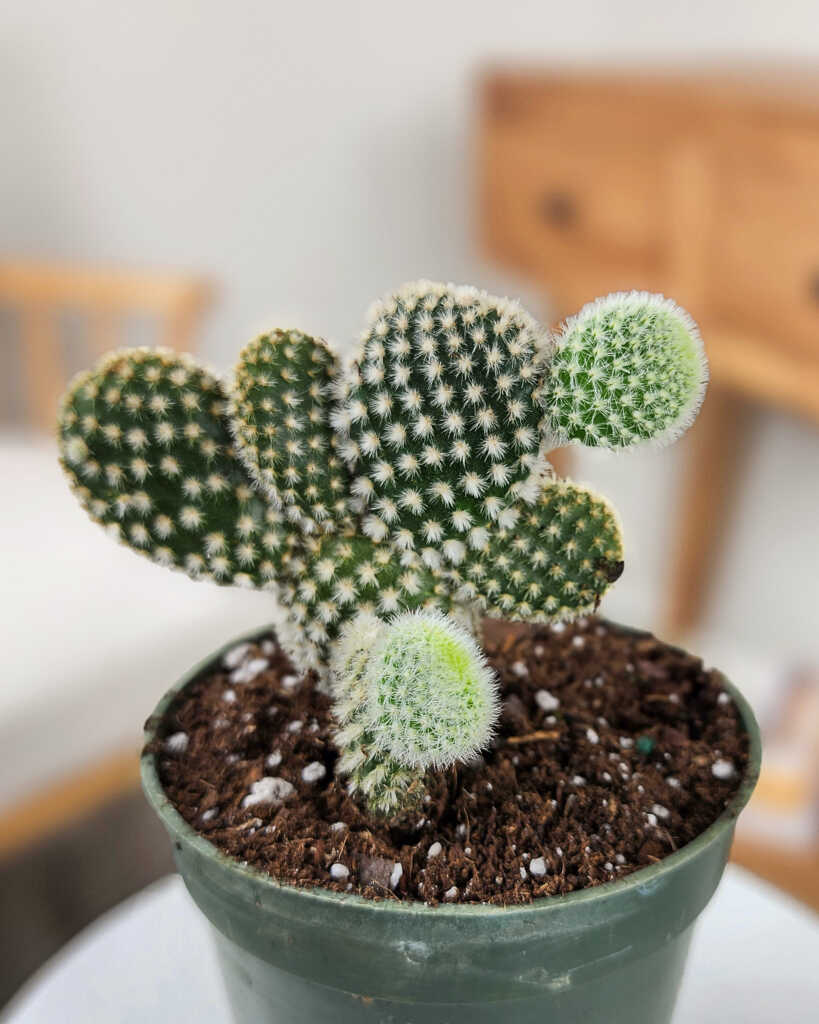
The Opuntia genus is a sprawling clan, boasting over 200 species that stretch from the arid deserts of the Americas to the high-altitude Andes. Each member brings its own quirks to the table. The Opuntia ficus-indica, or Indian fig, dazzles with its edible fruit, while the Opuntia microdasys—the bunny ears cactus—charms with its fuzzy, harmless glochids. Then there’s the Opuntia polyacantha, the plains prickly pear, a ground-hugging survivor that thrives in bone-dry soils. Understanding your specific Opuntia’s lineage is the first step in tailoring care to its unique needs. Are you growing a fruit-bearing giant or a compact, jewel-like specimen? The answer shapes everything from watering schedules to pruning techniques.
Light: The Golden Elixir
Opuntias are sun-worshippers par excellence. These cacti crave at least six hours of direct sunlight daily, though many relish even more. In the wild, they stretch toward the sky, their pads angled like solar panels to soak up every photon. Indoors, a south-facing window is ideal, but supplement with grow lights if shadows stretch long. Without adequate light, pads elongate unnaturally—a phenomenon called etiolation—and blooms become a distant dream. Rotate your plant regularly to ensure even growth, preventing it from leaning like a sun-drunk tourist. Remember, too little light is the silent killer of Opuntia dreams.
Soil: The Foundation of Fortitude
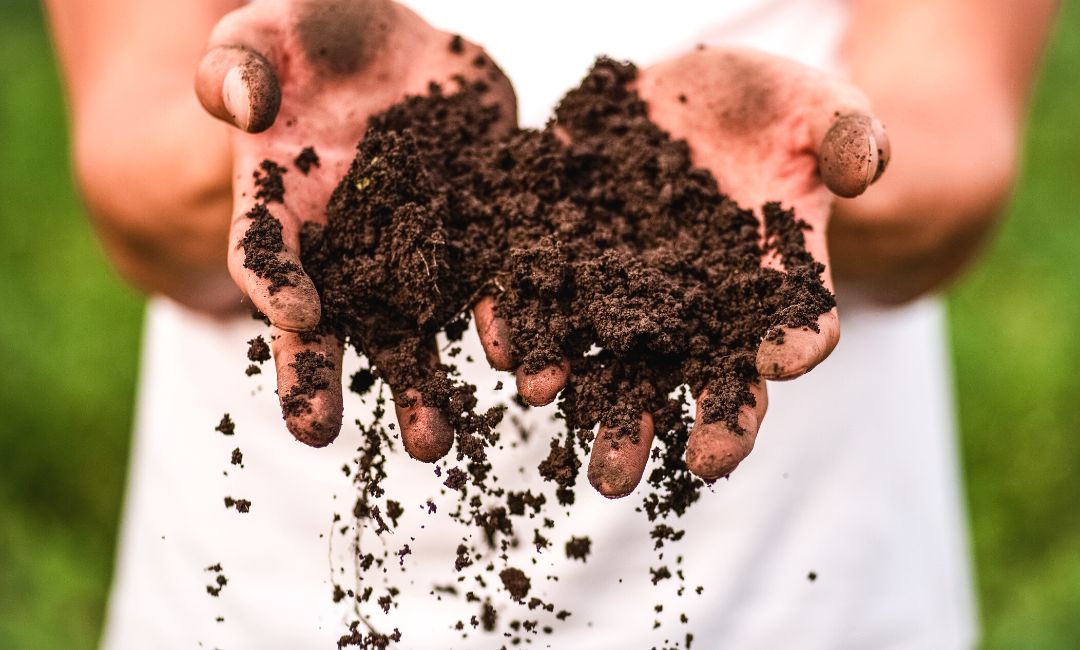
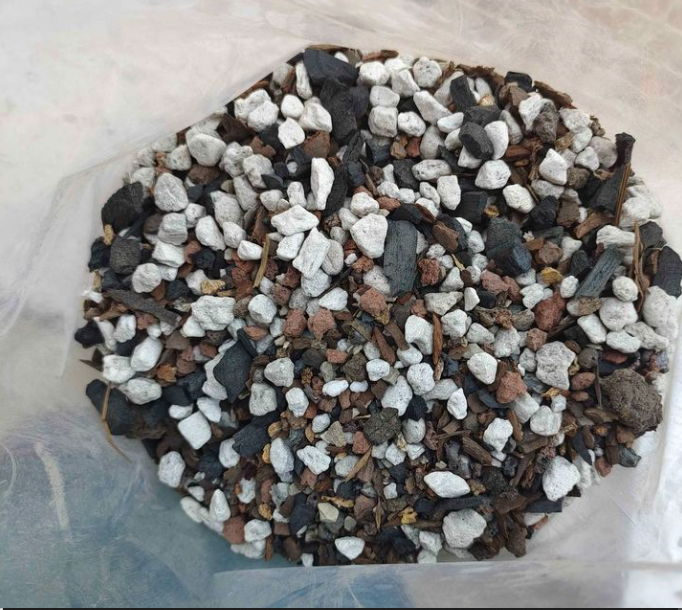
Opuntias demand soil that mimics their native habitats: gritty, fast-draining, and utterly devoid of moisture-retentive clumps. A DIY mix of two parts potting soil, one part coarse sand, and one part perlite or pumice creates the perfect substrate. Commercial cactus mixes work in a pinch, but amend them with extra perlite to prevent root rot. Drainage holes in pots are non-negotiable—standing water is the arch-nemesis of these desert denizens. For in-ground plantings, amend heavy clay soil with gravel and sand to replicate the loose, aerated conditions Opuntias adore. The right soil isn’t just a medium; it’s a lifeline.
Watering: The Delicate Dance of Thirst
Opuntias are masters of water conservation, but they’re not entirely drought-proof. The key is restraint. Water deeply but infrequently—once the top inch of soil is bone-dry, it’s time for a drink. During the growing season (spring to early fall), aim for weekly waterings, tapering off in winter when growth stalls. Overwatering is the fastest route to a mushy, rotting demise. When in doubt, underwater. These cacti can rebound from neglect far better than they can from excess. And always water at the base, never overhead, to avoid inviting fungal fiends to the party.
Temperature and Humidity: The Comfort Zone
Opuntias are hardy souls, tolerating temperatures from 10°F (-12°C) to 100°F (38°C), depending on the species. Most common varieties shrug off brief cold snaps, but prolonged freezes can be lethal. If you’re growing tender types, bring them indoors when frost threatens. Humidity is another story—Opuntias thrive in dry air and wilt in damp conditions. Bathrooms and kitchens are death traps for these desert natives. Instead, place them in well-ventilated spots where air circulates freely. A dehumidifier can be a game-changer in muggy climates.
Fertilizing: The Nutrient Boost
Opuntias aren’t heavy feeders, but a little fertilizer can coax them into robust growth and prolific blooming. Use a balanced, water-soluble fertilizer (10-10-10 or 5-10-10) diluted to half strength, applied monthly during the growing season. Hold off on feeding in winter when the plant is dormant. Organic options like compost tea or worm castings can also work wonders, adding micronutrients without the risk of chemical burn. Avoid high-nitrogen fertilizers—they encourage leafy growth at the expense of the compact, pad-filled structure Opuntias are known for.
Pruning and Propagation: The Art of Renewal
Pruning Opuntias is less about shaping and more about health. Remove dead or damaged pads to prevent rot and pests. Use clean, sharp shears or a sterilized knife, and wear thick gloves—those glochids are sneaky. Propagation is where the magic happens. Simply twist off a healthy pad, let it callus over for a few days, then lay it on top of dry soil. Roots will emerge in weeks, and a new plant is born. For faster results, plant the callused pad directly into soil. This method is foolproof, making Opuntias one of the easiest cacti to multiply. Share the bounty with friends—it’s the plant parent’s equivalent of passing around fresh-baked cookies.
Pests and Problems: The Unwelcome Guests
Even the hardiest Opuntias face threats. Mealybugs and scale insects are the usual suspects, clustering in hidden crevices. A cotton swab dipped in rubbing alcohol can evict them, or use insecticidal soap for larger infestations. Root rot, the silent killer, strikes when soil stays soggy too long. If pads turn mushy or black, act fast: trim away the rot, repot in fresh soil, and adjust your watering habits. Fungal infections like rust can also mar pads with orange spots—improve airflow and reduce humidity to curb their spread. Prevention is always easier than cure.
Blooming: The Grand Finale
Nothing compares to the thrill of an Opuntia in full bloom. Those radiant flowers—yellow, pink, red, or orange—are the plant’s crowning glory. To encourage blooming, ensure your cactus gets plenty of light and a winter rest period with cooler temperatures (around 50°F/10°C) and minimal watering. A mature plant, at least three years old, is more likely to flower. Once blooms fade, resist the urge to remove the spent pads—these will eventually produce fruit or new growth. Patience is key; the reward is worth the wait.
Culinary and Cultural Uses: Beyond the Garden
Opuntias aren’t just pretty faces—they’re edible powerhouses. The pads, or nopales, are a staple in Mexican cuisine, grilled or boiled for salads, tacos, and stir-fries. The fruit, or tunas, is sweet and seedy, perfect for jams, juices, or eaten fresh. Historically, Opuntia fibers have been used for textiles, and its sap has medicinal properties. Even its spines have found purpose, from fish hooks to traditional tattoos. Growing an Opuntia is like cultivating a mini ecosystem—one that nourishes the body as well as the soul.
Final Thoughts: A Lifelong Love Affair
Opuntia care is less about control and more about companionship. These plants teach resilience, adaptability, and the beauty of slow growth. They ask for little but give so much in return: vibrant blooms, edible treasures, and a quiet reminder that thriving doesn’t require perfection. Whether you’re nurturing a sprawling colony or a single, solitary pad, the journey is as rewarding as the destination. So grab your gloves, embrace the spines, and let the Opuntia adventure begin.
FAQ
How often should I water my Opuntia cactus?
Water deeply but infrequently, allowing the top inch of soil to dry out before watering again.
What kind of soil is best for Opuntia cacti?
Use a gritty, fast-draining soil mix, ideally with potting soil, coarse sand, and perlite.
What pests commonly affect Opuntia cacti?
Mealybugs and scale insects are common pests that can affect Opuntia cacti.
Can Opuntia cacti survive indoors?
Yes, but they require plenty of sunlight and should be placed in a well-ventilated area.
FAQ
How often should I water my Opuntia?
Water deeply but infrequently, allowing the top inch of soil to dry out between waterings, typically once a week during the growing season.
What kind of soil is best for Opuntia?
Opuntias thrive in gritty, fast-draining soil, ideally a mix of potting soil, coarse sand, and perlite.
FAQ
What are the best light conditions for Opuntia?
Opuntias thrive in at least six hours of direct sunlight daily, ideally near a south-facing window or supplemented with grow lights.
How often should I water my Opuntia?
Water deeply but infrequently; only when the top inch of soil is bone-dry, typically once a week during the growing season and less in winter.
What should I do if my Opuntia develops root rot?
Trim away any mushy or black pads, repot in fresh soil, and adjust your watering habits to prevent sogginess.

Leave a Reply