
Short Answer
The vast landscapes of Mexico and the American Southwest are painted with a striking tapestry of arid deserts, rugged mountains, and resilient flora. Among these natural wonders, cacti hold a position of profound significance. These spiny sentinels are not merely plants; they are living emblems of endurance, culture, and spirituality. The role of cacti in Mexican and Southwestern culture transcends their botanical existence, reaching into the realms of tradition, art, cuisine, and even identity. As you journey through this exploration, expect to uncover a world where prickly silhouettes tell stories of history, survival, and celebration.
The Botanical Diversity and Symbolism of Mexican Cacti
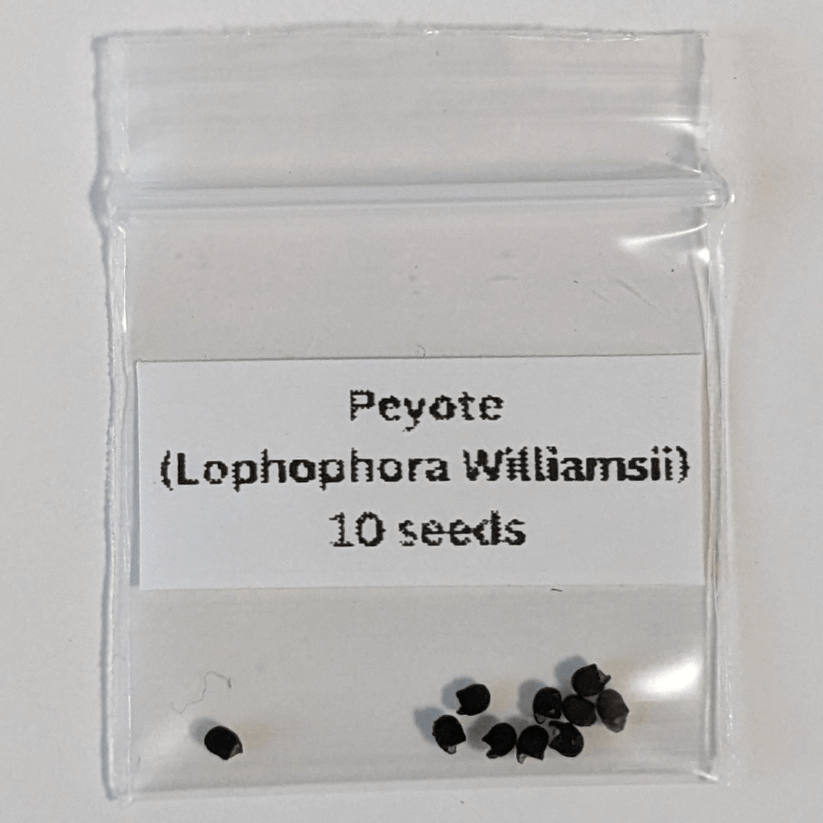
Mexico is home to one of the richest assemblages of cacti species in the world, ranging from the towering saguaros to the diminutive peyotes. Each species carries its own symbolism, steeped in ancient lore and indigenous belief systems. The nopal cactus, for instance, is deeply emblematic, revered as a symbol of national pride evident in the Mexican coat of arms. Its pads and prickles narrate tales of resilience against adversity. Meanwhile, the sacred peyote cactus holds a revered spiritual role, used in Native American religious rites that facilitate visions and communion with the divine.

Vividly diverse, these cacti collectively form a natural lexicon that the people of the region have decoded over millennia. They represent life thriving amidst unforgiving environments—an enduring metaphor reflected in Mexican poetry and folklore.
Cacti as Cornerstones in Southwestern and Mexican Culinary Traditions
Beyond their visual and symbolic prominence, cacti are indispensable in local gastronomy. The nopal, or prickly pear cactus, is particularly celebrated not only for its culinary versatility but also for its nutritional prowess. It appears in countless Mexican dishes — from refreshing salads to hearty stews — where its tender pads offer a tangy, slightly sweet flavor, alongside a healthy dose of fiber, vitamins, and antioxidants. The bright red fruits, known as tunas, are equally prized, enjoyed fresh or transformed into jams, jellies, and beverages.

Culinary usage of cacti is more than sustenance; it’s a cultural celebration. It speaks to the ingenious ways in which communities have harmonized with their environment, turning nature’s sparse offerings into feasts full of flavor and tradition.
Artistic Inspiration: Cacti in Mexican and Southwestern Art Forms
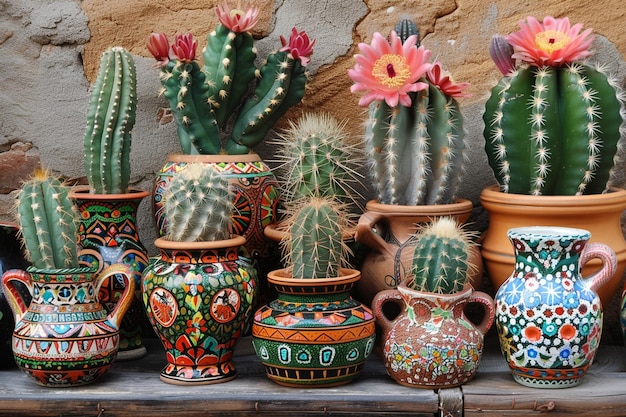
The silhouette of the cactus is an iconic motif that firmly anchors Mexican and Southwestern art. Painters, sculptors, and artisans alike have embraced these desert plants as vehicles of expression. Their geometric forms and spiny textures lend themselves to vibrant colors and patterns, making them a favorite in folk art, textiles, ceramics, and muralism.
Cacti images pulse with an energetic heartbeat in Dia de los Muertos decorations, traditional pottery, and contemporary graphic designs. Artists often intertwine cactus imagery with indigenous symbolism, creating works that celebrate identity and ancestral ties. This artistic prominence reflects the cultural reverence for these plants, bridging the natural world with spiritual and aesthetic realms.
The Role of Cacti in Spiritual and Traditional Practices
Spirituality in Mexican and Southwestern indigenous cultures is inextricably linked to the natural world, with cacti playing a pivotal role. The aforementioned peyote is revered as a sacrosanct conduit in rituals among native groups such as the Huichol and the Navajo. These ceremonies involve consuming peyote to invoke visionary states and connect with ancestral wisdom.
Similarly, the Christmas cactus, which blooms around the holiday season, has become associated with themes of renewal, hope, and festivity. In many households, this plant is cherished not only for its delicate blossoms but also for its connection to community gatherings and shared traditions.

The intertwining of cactus plants with spirituality reflects a worldview that sees life as cyclical and interconnected, where the desert’s harshness nurtures profound inner strength and harmony.
Ecological and Economic Importance of Cacti in the Region
Ecologically, cacti are keystone species in their ecosystems. They provide critical nourishment and shelter to a plethora of desert fauna, from hummingbirds to small mammals. Their water-storing capabilities help stabilize the soil and maintain the delicate balance of desert biomes.
Economically, cacti contribute significantly through horticulture and sustainable agriculture. The cultivation of nopal for food products and medicinal uses has expanded local economies, promoting agroecological initiatives that blend traditional knowledge with modern expertise. Artisans crafting cactus fiber or extracting cochineal dye (from insects that cling to prickly pears) also sustain vibrant cultural economies rooted in these versatile plants.
Modern Celebrations and Cacti-Inspired Cultural Festivals
In contemporary times, the reverence for cacti manifests prominently in cultural festivals and public art installations. Mexican fiestas often feature cactus imagery as a symbol of heritage, community, and environmental respect. Such events blend music, dance, food, and traditional crafts, inviting participants to honor the desert’s spirit and legacy.
The blooming of cacti, particularly in winter months, sparks seasonal celebrations that highlight renewal in otherwise stark landscapes. These moments cultivate a shared appreciation for nature’s resilience and beauty, strengthening cultural bonds and inspiring conservation efforts.
In essence, cacti are not simply survivors of harsh climates but are woven into the cultural DNA of Mexico and the American Southwest. Their towering presence and tenacity embody the spirit of these regions—bold, vibrant, and enduring. From sacred ceremonies and culinary treasures to vibrant artistic expressions and ecological vitality, cacti continue to shape a narrative that is both timeless and ever-evolving.
FAQ
What is the cultural importance of cacti in Mexico?
Cacti symbolize resilience and are deeply woven into the cultural identity of Mexico, represented in art, cuisine, and spirituality.
How are cacti used in traditional Mexican cuisine?
Cacti, especially nopal, are used in a variety of dishes, known for their nutritional benefits and unique flavors.



Leave a Reply