

Short Answer
Have you ever cradled a cactus in your palm, marveling at its stoic resilience, only to realize that some of its kin are vanishing faster than a mirage in the desert? The world’s rarest cacti—those living geological relics like Ariocarpus, with their alien-like forms and centuries-long lifespans—are facing an existential crisis. These botanical oddities, sculpted by millennia of harsh desert winds and relentless sun, now teeter on the precipice of oblivion, threatened by poaching, habitat fragmentation, and the creeping shadow of climate change. But here’s the twist: saving them isn’t just about preserving spines and succulence—it’s about safeguarding a living tapestry of evolutionary ingenuity. So, how do we turn the tide for these prickly paradoxes of nature?
The Vanishing Giants: Why Ariocarpus and Its Kin Are in Peril
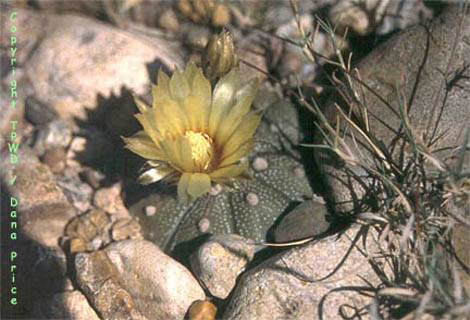
Picture Ariocarpus, a genus of cacti so bizarre they resemble a cross between a starfish and a fossilized brain. These slow-growing marvels, native to the Chihuahuan Desert’s skeletal landscapes, have evolved to thrive where few plants dare—yet their very adaptations make them sitting ducks for human exploitation. Unlike their more common cousins, Ariocarpus species like A. fissuratus and A. retusus grow at a glacial pace, taking decades to reach maturity. This makes them irresistible to collectors who prize their rarity, driving illegal trade that has pushed some populations to the brink of extinction.
Their plight is exacerbated by habitat destruction. Urban sprawl, agricultural expansion, and mining operations carve through their fragile ecosystems, leaving behind barren wastelands where these cacti once flourished. Climate change adds another layer of menace: prolonged droughts and erratic rainfall patterns disrupt their delicate reproductive cycles, while rising temperatures push their already limited ranges into uncharted, inhospitable terrain. It’s a perfect storm of anthropogenic pressures, one that demands urgent intervention before these living sculptures disappear forever.
The Poaching Paradox: When Beauty Becomes a Curse
There’s a dark irony in the fact that the same traits that make Ariocarpus so enchanting—its cryptic camouflage, its slow-growing elegance—are the very reasons it’s being hunted to extinction. In the black market, a single mature Ariocarpus specimen can fetch thousands of dollars, a price tag that fuels a shadowy trade network spanning continents. Poachers, often armed with little more than shovels and disregard for the law, strip these cacti from their habitats with alarming efficiency, leaving behind scars that may take centuries to heal.
But here’s the kicker: the demand isn’t just from unscrupulous collectors. Ignorance plays a role too. Many buyers, lured by the allure of “low-maintenance” plants, unknowingly purchase illegally sourced specimens, unaware of the ecological devastation their purchase perpetuates. This is where education becomes a powerful tool. By raising awareness about the true cost of these acquisitions—both to the environment and to the survival of the species—we can chip away at the demand that fuels this destructive cycle.
Conservation in Action: Strategies to Safeguard the Spiny Survivors
Fortunately, conservationists aren’t standing idly by as these cacti face their twilight. A multi-pronged approach is underway, blending science, policy, and community engagement to turn the tide. One of the most promising strategies is the establishment of protected areas and botanical reserves, where Ariocarpus populations can thrive without the threat of poaching or habitat destruction. In Mexico, for example, the Reserva de la Biósfera El Pinacate y Gran Desierto de Altar serves as a sanctuary for these rare cacti, offering a glimmer of hope in an otherwise bleak landscape.
Another critical tool is ex-situ conservation—cultivating these cacti in nurseries and botanical gardens to reduce pressure on wild populations. Institutions like the Desert Botanical Garden in Arizona have pioneered techniques to propagate Ariocarpus species, ensuring that future generations can admire these plants without contributing to their decline. But propagation alone isn’t enough. Researchers are also delving into the genetic secrets of these cacti, studying their resilience to drought and disease to develop strategies for bolstering wild populations.
Community involvement is equally vital. Indigenous communities, who have coexisted with these cacti for generations, are being empowered to become stewards of their natural heritage. Through programs that combine traditional knowledge with modern conservation techniques, locals are learning to monitor and protect Ariocarpus populations, ensuring that their survival is woven into the fabric of their cultural identity.
The Climate Conundrum: Adapting to a Changing World
Climate change isn’t just a distant threat—it’s a present-day reality that’s reshaping the Chihuahuan Desert and the cacti that call it home. Rising temperatures and shifting precipitation patterns are forcing Ariocarpus to adapt or perish. Some species are already showing signs of stress, with reduced flowering and stunted growth. But here’s the challenge: these cacti evolved in a world of extremes, and their ability to survive in such harsh conditions is a testament to their evolutionary prowess. The question is, can they keep up with the pace of change?
Conservationists are exploring innovative solutions, such as assisted migration—relocating cacti to more suitable habitats as their original ranges become inhospitable. This isn’t a decision to be made lightly, as it carries risks of disrupting ecosystems and introducing invasive species. But in the face of climate change, it may be a necessary gamble to ensure the survival of these botanical treasures. Meanwhile, researchers are studying the physiological adaptations of Ariocarpus to understand how they might respond to future climate scenarios, providing a roadmap for proactive conservation efforts.
The Role of Technology: From Drones to DNA
In the 21st century, conservation isn’t just about boots on the ground—it’s about leveraging cutting-edge technology to monitor and protect endangered species. Drones equipped with high-resolution cameras are being deployed to survey remote cactus habitats, identifying poaching hotspots and tracking population trends without disturbing the delicate ecosystems. Meanwhile, DNA barcoding is revolutionizing our understanding of Ariocarpus genetics, allowing scientists to trace the origins of confiscated specimens and crack down on illegal trade networks.
Another technological marvel is the use of remote sensing to predict habitat suitability under future climate scenarios. By analyzing satellite data, researchers can identify areas where Ariocarpus populations are most likely to thrive in the coming decades, guiding conservation efforts to the right places at the right time. It’s a high-tech approach to a high-stakes problem, one that offers a glimmer of hope in the fight to save these rare cacti.
A Call to Action: How You Can Help
The fate of Ariocarpus and its kin isn’t just in the hands of scientists and policymakers—it’s in yours too. Every one of us has a role to play in ensuring these botanical oddities survive for generations to come. Start by educating yourself and others about the plight of rare cacti, and share that knowledge with your community. Avoid purchasing cacti from unverified sources, and opt for ethically sourced plants whenever possible. Support organizations dedicated to cactus conservation, whether through donations, volunteering, or advocacy.
But perhaps the most powerful thing you can do is simply appreciate these plants for what they are—living relics of Earth’s resilience, sculpted by time and adversity. In a world that often feels disposable, Ariocarpus reminds us that some things are worth preserving, not just for their beauty, but for their intrinsic value as part of our planet’s rich tapestry of life. So the next time you encounter one of these spiny survivors, take a moment to marvel at its tenacity. And then ask yourself: what will you do to ensure it’s still here tomorrow?
FAQ
Why are Ariocarpus cacti endangered?
Ariocarpus cacti are endangered due to slow growth rates, habitat destruction, illegal poaching for the plant trade, and the impacts of climate change affecting their delicate desert ecosystems.
What are the main threats to rare cacti like Ariocarpus?
The main threats include poaching, habitat fragmentation from urban and agricultural expansion, mining activities, and climate change-induced drought and temperature shifts.
How can conservation efforts help protect Ariocarpus species?
Conservation efforts such as protected reserves, ex-situ propagation, community stewardship, scientific research, and technological monitoring help safeguard populations and promote recovery.
What role does technology play in cactus conservation?
Technology like drones for habitat monitoring, DNA barcoding for tracking illegal trade, and remote sensing for habitat prediction are vital tools in modern conservation strategies.
How can individuals contribute to cactus conservation?
Individuals can help by educating themselves and others, avoiding buying illegally sourced plants, supporting conservation organizations, and appreciating the ecological value of rare cacti.


Leave a Reply