

Short Answer
In the vast and enigmatic tapestry of Russian folklore, where the whispers of the past intertwine with the shadows of the present, few symbols are as deceptively simple yet profoundly layered as the cactus. Often dismissed as a mere desert-dwelling plant, the cactus in Russian tradition transcends its botanical identity, morphing into a vessel for stories that grapple with resilience, protection, and the uncanny. Its spiny silhouette, both forbidding and fascinating, has long captivated the Russian imagination, serving as a silent sentinel in tales that oscillate between cautionary fables and reverent myths. This juxtaposition—where a plant from arid lands becomes a cultural touchstone in a land of birch forests and frozen steppes—hints at a deeper human fascination: the allure of the foreign, the mysterious, and the unyielding.
The Cactus as a Guardian of the Threshold
Russian folklore is replete with tales of thresholds—doorways, windows, and crossroads—where the veil between the mundane and the supernatural grows thin. The cactus, with its jagged spines, has often been cast in the role of a guardian in these narratives, a living barricade against malevolent forces. In some regional stories, it is said that placing a cactus near a doorway could repel the domovoi, the mischievous household spirit, or even deter the leshy, the forest demon who might otherwise lead travelers astray. The cactus’s prickly exterior becomes a metaphor for the boundaries we erect to protect our sanctuaries, both physical and spiritual.
Yet, this protective symbolism is not without irony. The cactus, a plant that thrives in the harshest of climates, embodies a paradox: it is both a shield and a reminder of the harshness of the world. Its presence in a Russian home, far removed from its native habitat, suggests a longing for resilience—a silent vow to endure, much like the plant itself. The cactus does not bend; it endures. And in enduring, it becomes a silent teacher, whispering lessons of fortitude to those who dare to listen.
Superstitions and the Cactus’s Dual Nature
The cactus in Russian superstition is a creature of duality, neither wholly benevolent nor entirely malevolent. One of the most enduring beliefs is that a cactus placed in the home could ward off the “evil eye,” a malevolent gaze believed to bring misfortune. The spines, sharp and unyielding, were thought to snag the malevolent energy, rendering it harmless. Yet, this same plant was also accused of harboring ill fortune if mishandled. A cactus that wilted or died in a home was said to foretell illness or misfortune, a living omen of decay.
This duality reflects a broader Russian cultural preoccupation with balance—between light and dark, protection and peril. The cactus, with its stark contrast of beauty and danger, becomes a microcosm of this tension. It is not merely a plant; it is a mirror, reflecting the complexities of human fears and desires. To invite a cactus into one’s home is to invite a silent companion, one that demands respect and offers protection, but never without a price.
The Cactus in Rituals and Folk Medicine
Beyond its symbolic roles, the cactus has woven itself into the fabric of Russian folk medicine and ritual practices. In some regions, it was believed that the spines of a cactus could be used in protective charms, either ground into powder or carried as talismans. The act of harvesting these spines was often accompanied by rituals to appease the spirits of the plant, a testament to the deep-seated belief in the interconnectedness of all living things. The cactus, in this context, was not just a tool but a participant in the sacred exchange between humans and the natural world.
Folk healers, or znachari, were known to use cactus extracts in remedies for ailments ranging from skin irritations to spiritual maladies. The plant’s resilience—its ability to store water and thrive in desolation—was seen as a metaphor for healing itself. To consume or apply a cactus-derived remedy was to internalize its tenacity, to borrow its strength in the face of adversity. Yet, this practice was not without its dangers. Improper use could invite misfortune, a reminder that even the most potent remedies carried the weight of ancient, unspoken rules.
The Cactus as a Symbol of the Exotic and the Unattainable
Perhaps the most intriguing aspect of the cactus in Russian folklore is its status as an outsider—a plant that belongs to distant, sun-scorched lands yet finds a home in the hearts of those who have never set foot in those places. The cactus, in this sense, becomes a symbol of the exotic, the unattainable, and the alluringly foreign. Its presence in Russian tales and homes speaks to a collective fascination with the unknown, a yearning to possess a piece of a world that is both alien and enticing.
This fascination is not merely aesthetic; it is deeply psychological. The cactus, with its stark beauty and uncompromising form, challenges the Russian soul’s love for the familiar. It is a reminder that beauty can exist in harshness, that strength can be found in solitude. In a culture that reveres the endurance of the Russian winter, the cactus becomes a kindred spirit—a plant that knows the art of survival without surrender. Its adoption into folklore is not just a borrowing of imagery but a meeting of minds across cultural divides, a silent dialogue between two worlds.
The Cactus in Modern Russian Folklore
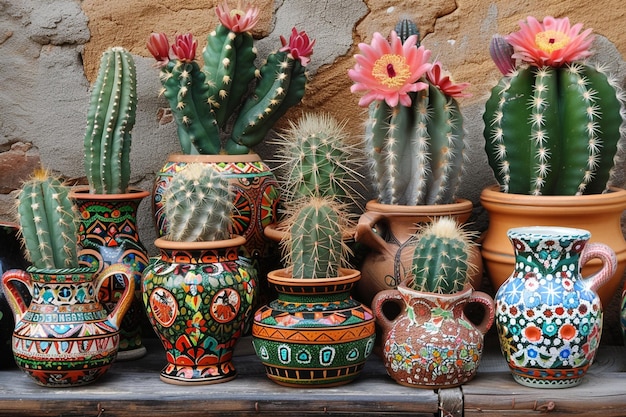
Even in the modern era, the cactus retains its hold on the Russian imagination. In urban apartments and rural cottages alike, the cactus remains a popular houseplant, its spiny silhouette a familiar sight. Yet, its presence is no longer solely tied to superstition. Today, the cactus is often seen as a symbol of low-maintenance resilience, a plant that thrives on neglect—a far cry from its earlier role as a guardian against dark forces. This shift reflects a broader cultural evolution, where ancient symbols are repurposed to suit contemporary sensibilities.
However, the cactus’s older meanings have not entirely faded. In some circles, it is still believed that a cactus in the home can ward off negative energy, a testament to the enduring power of folklore. The plant’s ability to adapt—both in the wild and in cultural narratives—ensures its continued relevance. It is a chameleon, shifting its symbolism to reflect the fears, hopes, and aspirations of each generation.
Conclusion: The Cactus as a Mirror of the Human Spirit
The cactus in Russian folklore is far more than a plant; it is a mirror, reflecting the multifaceted nature of human existence. It is a guardian, a healer, a symbol of resilience, and a reminder of the exotic. Its spines are both a shield and a warning, its beauty a lure and a lesson. In embracing the cactus, Russian folklore has found a vessel for its deepest anxieties and its most enduring hopes. It is a testament to the human capacity to find meaning in the most unlikely of places, to see the extraordinary in the ordinary, and to draw strength from the unyielding.
The cactus, with its silent endurance, invites us to reflect: What other symbols lie dormant in the corners of our culture, waiting to be rediscovered? What stories do they hold, and what truths do they reveal about the human spirit? The cactus, in all its prickly glory, is a reminder that even the most unassuming of plants can carry the weight of centuries—and that the past is never truly gone; it is merely waiting to be remembered.
FAQ
What does the cactus symbolize in Russian folklore?
In Russian folklore, the cactus symbolizes resilience, protection, and the exotic, often serving as a guardian against malevolent forces.
How is the cactus used in Russian superstitions?
It is believed that a cactus can ward off the 'evil eye' and misfortune, reflecting its dual nature of protection and potential danger.
What roles does the cactus play in Russian folk medicine?
The cactus is used in folk medicine for its supposed healing properties, often in protective charms and remedies.



Leave a Reply