

Short Answer
Have you ever woken up from a dream where prickly sentinels of the desert loomed large in your subconscious, their spiky silhouettes etched against a moonlit sky? What if those cacti weren’t just random desert dwellers but belonged to different genera—each with its own quirks, adaptations, and silent stories? Dreams about cacti aren’t just whimsical desert fantasies; they’re a fascinating intersection of biology, symbolism, and the subconscious mind. But what happens when your dream cactus isn’t just any old *Opuntia* or *Echinocactus*? What if it’s a *Mammillaria* with its milky sap, a towering *Carnegiea gigantea* reaching for the stars, or a *Ferocactus* that looks like it could punch through a brick wall? Suddenly, your dream isn’t just a desert tableau—it’s a cryptic message from your inner ecologist.
The Cactus as a Symbol: More Than Just a Prickly Plant
Cacti in dreams often serve as potent symbols, but their meaning shifts dramatically depending on the genus. A dream featuring a *Saguaro* (that iconic giant of the Sonoran Desert) might whisper of resilience and longevity, its slow growth mirroring the patient unfolding of life’s challenges. Meanwhile, a dream about a *Prickly Pear* (*Opuntia*) could hint at adaptability—its flat pads storing water and nutrients, a testament to survival in arid extremes. But what if your dream cactus is a *Mammillaria*, with its dense clusters of spines and delicate flowers? This genus, often called “pincushion cactus,” might symbolize hidden beauty beneath a guarded exterior. The subconscious mind, it seems, has a knack for selecting flora that mirrors our own emotional landscapes.
Consider the *Ferocactus*, a genus whose name literally means “fierce cactus.” If this spiky titan appears in your dreams, it could be a nudge to confront something boldly—or perhaps a warning to tread carefully in a situation where aggression might backfire. Dreams, after all, are the mind’s way of staging dress rehearsals for life’s dramas. The challenge? Deciphering whether the cactus is a mentor, a rival, or a mirror reflecting your own prickly traits.
The Genera Game: What Your Dream Cactus Species Reveals
Not all cacti are created equal in the dream world. The genus of your dream cactus could be the key to unlocking a deeper narrative. For instance, a dream featuring a *Echinocactus grusonii* (the golden barrel cactus) might symbolize prosperity and energy, its round form evoking abundance. But what if the dream cactus is a *Lophophora williamsii* (peyote), a species steeped in spiritual lore? This could signal a quest for enlightenment—or a warning to avoid shortcuts in your waking life. The subconscious, it appears, has a botanical thesaurus at its disposal.
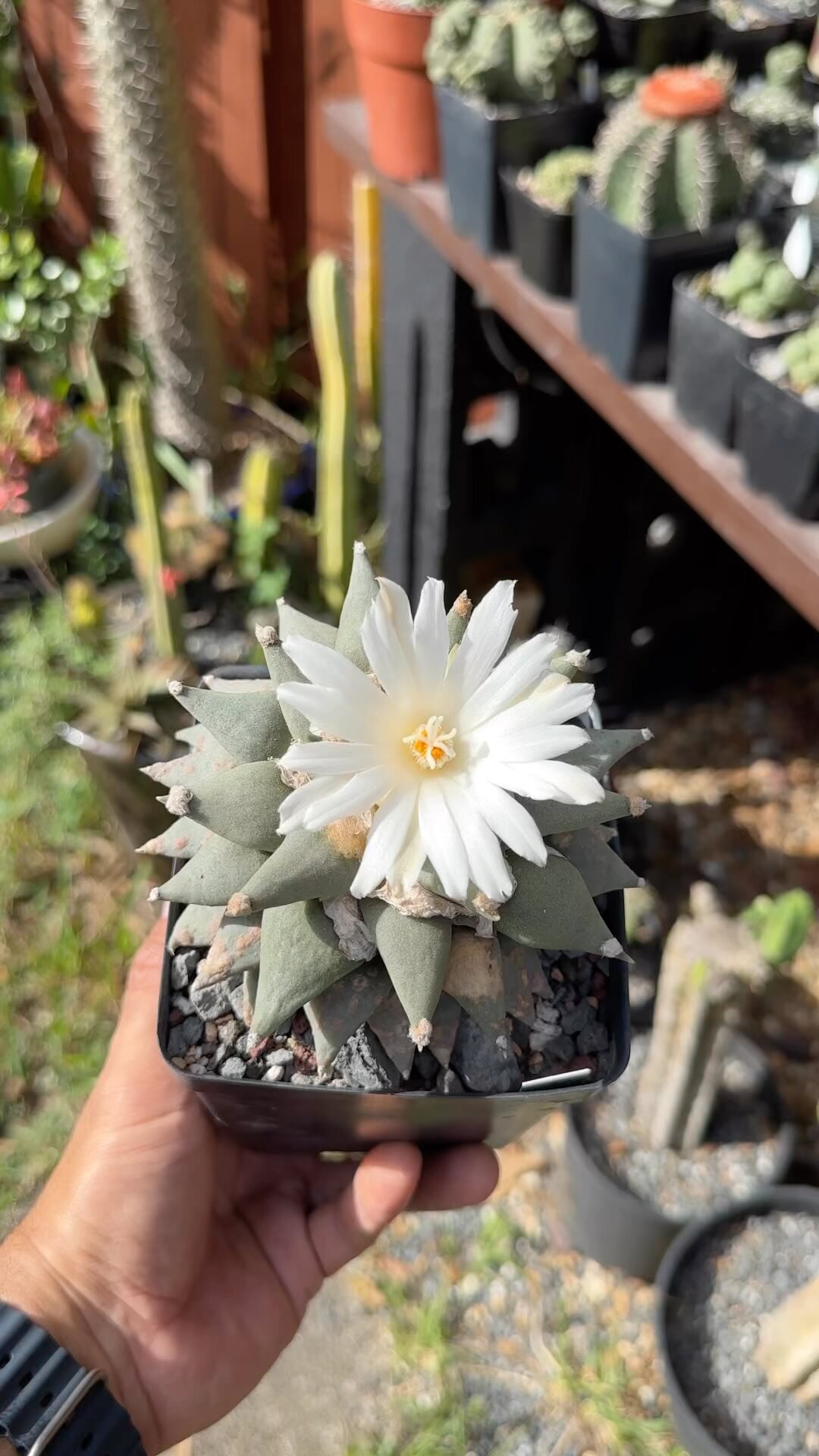
Then there’s the *Ariocarpus*, a genus so cryptic it’s nicknamed the “living rock” for its ability to blend into the desert floor. If this cactus appears in your dreams, it might represent camouflage, patience, or the art of going unnoticed. But here’s the playful challenge: What if your dream cactus is a hybrid, a *×Gymnocalycium* or a *×Echinopsis*? Hybrids in dreams could symbolize unexpected combinations in your life—perhaps a fusion of ideas, relationships, or even conflicting emotions. The subconscious mind, it seems, has a penchant for botanical experimentation.
The Pose Paradox: How Cactus Postures Shape Dream Meaning
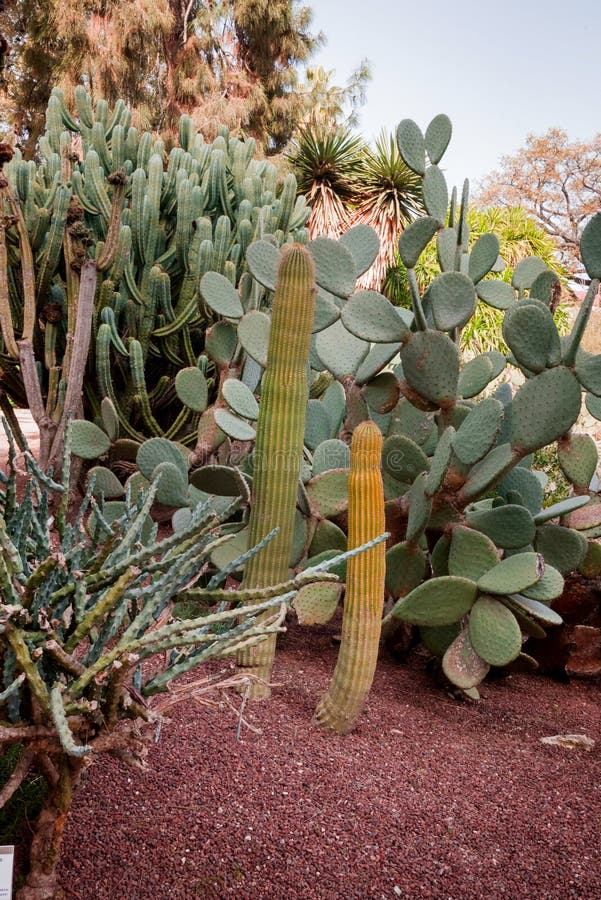
The way your dream cactus stands—or doesn’t stand—can be just as revealing as its genus. A *Carnegiea gigantea* (Saguaro) towering in your dream might symbolize a looming decision or a need for vertical growth in your life. But what if the cactus is lying on its side, as if toppled by a desert storm? This could hint at instability or a recent upheaval. Meanwhile, a *Mammillaria* nestled in a cluster might suggest community or the importance of small, steady steps toward a goal.
The challenge here is the ambiguity: Is the cactus’s pose a reflection of your current state, or is it a prophetic glimpse into a future scenario? Dreams, after all, are not fortune cookies; they’re more like cryptic crossword puzzles where the clues are scattered across the landscape of your mind. The key is to observe not just the cactus itself but its surroundings—is it alone in a barren desert, or part of a lush garden? The context, as they say, is everything.
Cultural Crossroads: How Different Traditions Interpret Dream Cacti
Across cultures, cacti carry diverse meanings that can color your dream’s interpretation. In Mexican folklore, the *Nopal* (a type of *Opuntia*) is a symbol of the heart and sacrifice, its pads representing the human body. Dreaming of a *Nopal* might, therefore, suggest a need for self-sacrifice or a deep emotional connection to heritage. Meanwhile, in Native American traditions, the *Saguaro* is a sacred plant, its towering form seen as a bridge between the earthly and spiritual realms. A dream featuring this cactus could be an invitation to explore your spiritual path.
But what if your dream cactus hails from a genus not native to the Americas? The *Euphorbia* family, for example, includes species that resemble cacti but belong to an entirely different botanical lineage. In some African traditions, these “false cacti” symbolize resilience in the face of adversity. The challenge? Navigating the blurred lines between cultural symbolism and personal intuition. After all, your subconscious might be borrowing from a global botanical lexicon to craft a message uniquely your own.
The Practical Puzzler: How to Decode Your Dream Cactus
So, you’ve had a dream about a cactus—now what? Start by cataloging the details: the genus (if discernible), the pose, the setting, and your emotional response. Was the cactus thriving, or did it appear wilted? Were you interacting with it, or was it merely a silent observer? Journaling these specifics can reveal patterns over time. The challenge, of course, is that dreams are slippery things, their meanings shifting like desert sands.
Another approach is to research the genus’s real-world traits and see if they resonate with your waking life. Does the *Ferocactus*’s fierce demeanor mirror a recent conflict? Does the *Mammillaria*’s hidden beauty reflect a talent you’ve yet to acknowledge? The subconscious mind, it seems, speaks in metaphors—and cacti are its favorite poets.
Ultimately, the meaning of your dream cactus may remain elusive, a riddle wrapped in a spiky package. But that’s part of the fun. Dreams, after all, are not meant to be solved like a math equation; they’re meant to be savored like a rare desert bloom, fleeting and mysterious. So the next time a cactus pricks its way into your subconscious, ask yourself: What genus is it? What is it trying to tell me? And—most importantly—how can I grow from its prickly wisdom?
FAQ
What does dreaming about a cactus mean?
Dreaming about a cactus often symbolizes resilience and adaptability, reflecting the dreamer's emotional state or challenges.
How can the genus of a cactus in a dream affect its meaning?
The genus can reveal deeper insights; for example, a Saguaro may symbolize longevity, while a Ferocactus may suggest confrontation.

Leave a Reply