
Short Answer
In the vast, sun-scorched tapestry of the desert, where life clings to existence with tenacious grace, the cactus stands as a sentinel of resilience. Its spines, sharp as a poet’s metaphor, and its flesh, plump with the promise of stored water, tell a story older than civilization itself. Yet, beneath the rugged exterior lies a hidden language—one written not in ink, but in the delicate helix of DNA. This molecular script, invisible to the naked eye, is the Rosetta Stone of modern taxonomy, unlocking secrets that have eluded botanists for centuries. To classify cacti today is to embark on a voyage into the genetic heart of these desert titans, where every nucleotide is a clue, and every mutation a whisper from the past.
The Genetic Blueprint: How DNA Rewrote the Cactus Family Tree
For millennia, humans relied on the crutch of morphology—the shape of spines, the curve of ribs, the hue of flowers—to group cacti into neat, if somewhat arbitrary, categories. But like a cartographer tracing coastlines with a shaky hand, early taxonomists often misjudged the true relationships between species. Enter DNA sequencing, the alchemy of the 21st century, which has transformed cactus classification from a guessing game into a precision science. By analyzing the genetic code of these succulents, scientists now peer into the evolutionary crucible where adaptations to arid life forged the cactus family (Cactaceae) into one of the most distinctive plant lineages on Earth.
Consider the genetic fingerprint—a term that evokes the sleek, unmistakable lines of a thief’s identity, but here, it’s the unique signature of a cactus species. Techniques like DNA barcoding, which targets short, standardized gene regions, allow researchers to distinguish between even closely related species with surgical precision. The matK and rbcL genes, for instance, act as molecular barcodes, scanning the genetic landscape for telltale variations. When these markers diverge, it’s not just a difference in code—it’s a divergence in destiny, a divergence that might have occurred millions of years ago when a ancestral cactus first split from its non-succulent kin.
Phylogenomics: The Evolutionary Detective Work of Cactus DNA
But DNA doesn’t just stop at identification—it’s a time machine. Phylogenomics, the marriage of phylogenetics and genomics, allows scientists to reconstruct the evolutionary history of cacti with unprecedented clarity. By comparing the entire genomes of dozens of species, researchers can trace the branching paths of evolution, like following the tributaries of a river back to its source. This approach has revealed that the cactus family is not a monolithic block but a kaleidoscope of lineages, each adapting to the desert’s harsh whims in its own way.
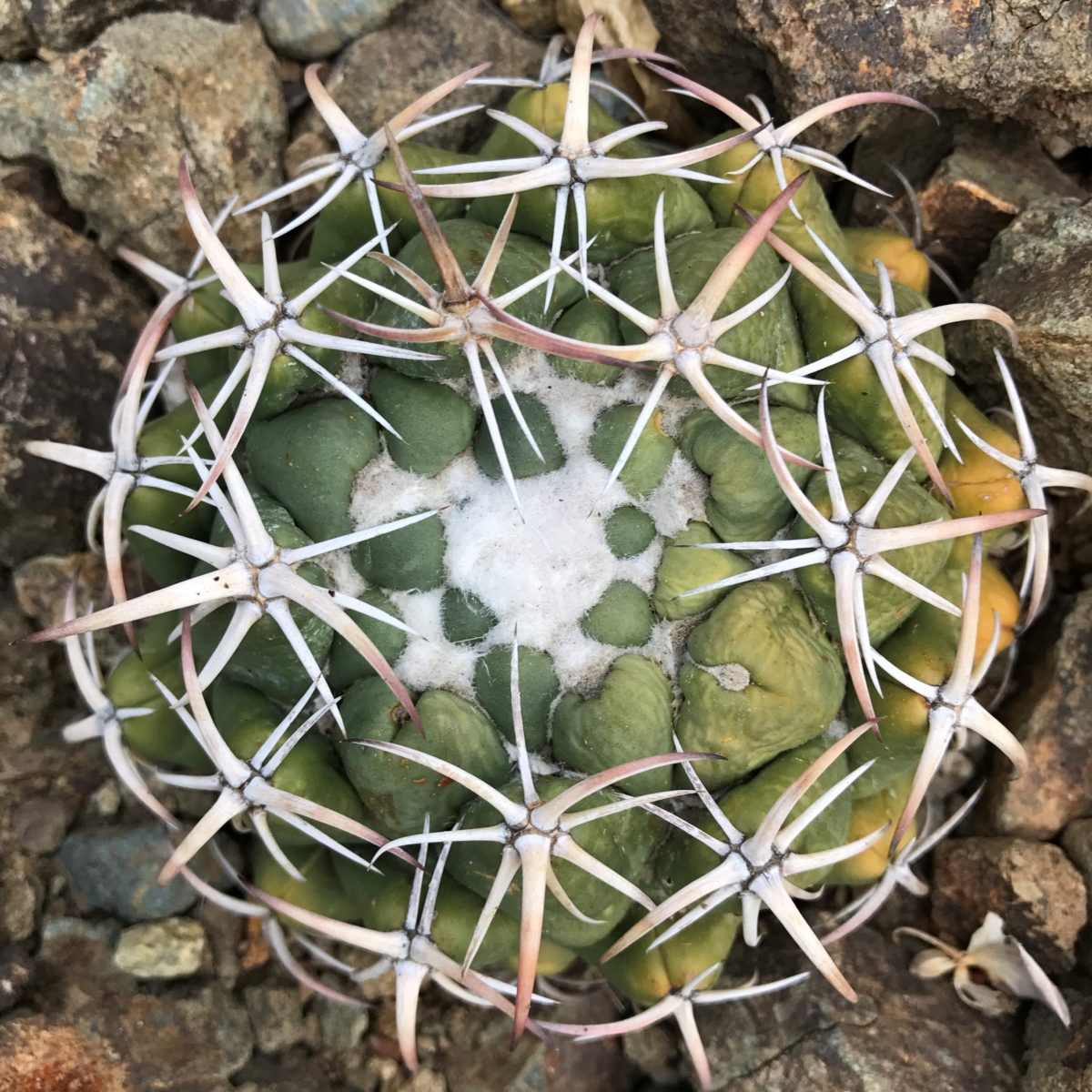
Take the tribe Cacteae, home to the iconic barrel cacti. Genetic studies show that its members didn’t all emerge from a single desert bloom but instead evolved from multiple ancestors that independently conquered arid environments. It’s as if the desert itself was a vast, competitive laboratory, where different plant lineages—some fleshy, some woody—were pressured to reinvent the wheel, trading leaves for spines and water storage for survival. The result? A family tree that resembles a coral reef of adaptation, where each branch tells a story of innovation in the face of adversity.
The Silent Language of Mutations: What Cactus DNA Reveals
DNA is a living document, constantly edited by the environment. Mutations—those tiny, often silent typos in the genetic code—are the raw material of evolution, and in cacti, they’ve left indelible marks. Some mutations are synonymous, changing a nucleotide without altering the protein it encodes, like a whisper in a crowded room. Others are nonsynonymous, rewriting the script entirely, like a poet’s bold revision. In cacti, these mutations have sculpted traits as diverse as the ribbed stems of saguaros, which channel rainwater like gutters, to the reduced leaf size of epiphytic cacti, which traded soil for trees in a bid to escape the desert floor’s scorching grip.
One of the most fascinating genetic adaptations is the loss of CAM photosynthesis in some desert cacti. Crassulacean Acid Metabolism (CAM) is the cactus’s signature move—a metabolic sleight of hand that allows it to open its stomata at night, when temperatures are cooler, to minimize water loss. But in certain lineages, like the Pereskia genus, the genetic machinery for CAM has been dialed back, suggesting a return to more ancestral, less water-efficient photosynthesis. It’s a genetic plot twist: a cactus that’s almost a cactus, a living fossil that bridges the gap between leafy ancestors and the spine-covered giants of today.
Hybridization and the Genetic Melting Pot of Cacti
Nature, as it turns out, is a terrible respecter of boundaries. Cacti, like many plants, are promiscuous when it comes to genetics, readily hybridizing with their neighbors to create genetic mosaics that blur the lines between species. This phenomenon, known as introgression, is a double-edged sword for taxonomists. On one hand, it complicates classification, turning the cactus family tree into a tangled thicket of overlapping branches. On the other, it’s a testament to the adaptability of these plants, their willingness to borrow genes like a desert traveler swapping stories around a campfire.
Consider the Echinocactus grusonii, the golden barrel cactus, whose vibrant spines and spherical form make it a garden favorite. Genetic studies suggest that its lineage has absorbed DNA from other cactus species, creating a hybrid vigor that may have helped it thrive in the wild. This genetic promiscuity isn’t just a quirk—it’s a survival strategy, a way for cacti to hedge their bets against an unpredictable environment. In the language of DNA, hybridization is the ultimate code-switching, a linguistic flexibility that ensures no single genetic script becomes obsolete.
The Future of Cactus Taxonomy: AI, CRISPR, and the Genetic Frontier
The story of cactus classification is far from over. With the advent of artificial intelligence and machine learning, scientists are now training algorithms to sift through mountains of genetic data, identifying patterns that human eyes might miss. Imagine a future where a computer can predict the evolutionary trajectory of a cactus species before it even emerges from the soil—a botanical crystal ball powered by big data. Meanwhile, CRISPR gene editing offers the tantalizing prospect of rewriting the genetic code of cacti, not to create monsters, but to understand the precise functions of each nucleotide. Could we one day engineer a cactus that thrives in urban environments, its spines softened, its water needs slashed? The possibilities are as vast as the desert sky.
But perhaps the most profound frontier lies in metagenomics, the study of the genetic material recovered directly from environmental samples. By analyzing the DNA of soil microbes, pollinators, and even the cacti themselves in their natural habitats, researchers can piece together the ecological symphony that sustains these plants. It’s a reminder that cacti are not isolated entities but players in a grand, interconnected web, their genetic secrets intertwined with the lives of creatures great and small.
Conclusion: The Living Library of Cactus DNA
The cactus is more than a plant—it’s a library, its spines the spines of ancient tomes, its flesh the parchment of evolution. And at the heart of this library lies DNA, the silent scribe that has recorded the story of survival in the driest places on Earth. From the whorled spines of the Mammillaria to the columnar giants of the Carnegiea, each species is a chapter in a saga of adaptation, its genetic code a testament to the ingenuity of life. To classify cacti today is to read this saga aloud, to let the language of DNA guide us through the desert’s hidden wonders. And as we turn each genetic page, we’re reminded that the most extraordinary stories are often written not in ink, but in the unyielding, unbreakable bonds of the double helix.

FAQ
What is the role of DNA in cactus classification?
DNA provides a molecular basis for classifying cacti by revealing genetic relationships and evolutionary history that morphology alone cannot resolve.
How has DNA barcoding improved cactus taxonomy?
DNA barcoding uses specific gene regions to accurately identify and differentiate cactus species, improving precision in classification.
What is phylogenomics and how does it relate to cacti?
Phylogenomics combines genome analysis with evolutionary studies to trace the detailed evolutionary pathways of cacti.
How does hybridization affect cactus taxonomy?
Hybridization creates genetic mosaics that can blur species boundaries, complicating classification but also enhancing adaptability.
What future technologies might impact cactus taxonomy?
Artificial intelligence, machine learning, CRISPR gene editing, and metagenomics are poised to advance cactus taxonomy by analyzing and manipulating genetic data.




Leave a Reply