
Short Answer
In the vast, sun-scorched landscapes of Africa, where the earth crumbles into golden dust and the sky stretches endlessly, a silent sentinel thrives—unassuming yet potent. The cactus, often dismissed as a mere desert curiosity, holds a deeper resonance in African traditions, woven into the fabric of protection and spirituality. Its spiky silhouette, a paradox of menace and nurture, mirrors the duality of life itself: harsh exteriors masking profound wisdom. What begins as a casual observation—a cactus thriving in a home or garden—unfolds into a tapestry of ancestral reverence, symbolic resilience, and sacred geometry. This is the story of how a plant, born of arid soils, became a guardian of the soul.
The Cactus as a Living Amulet: Warding Off Negativity
Across the continent, from the Sahel’s thorny acacias to the succulent gardens of North Africa, the cactus is not merely tolerated—it is revered. In many communities, its presence is believed to repel malevolent forces, a living amulet against the unseen. The sharp spines, often likened to the quills of a porcupine, are thought to pierce through negative energy, deflecting curses and ill-will. This belief is not rooted in superstition alone; it is a practical spirituality, where the physical form of the plant becomes a conduit for metaphysical protection.
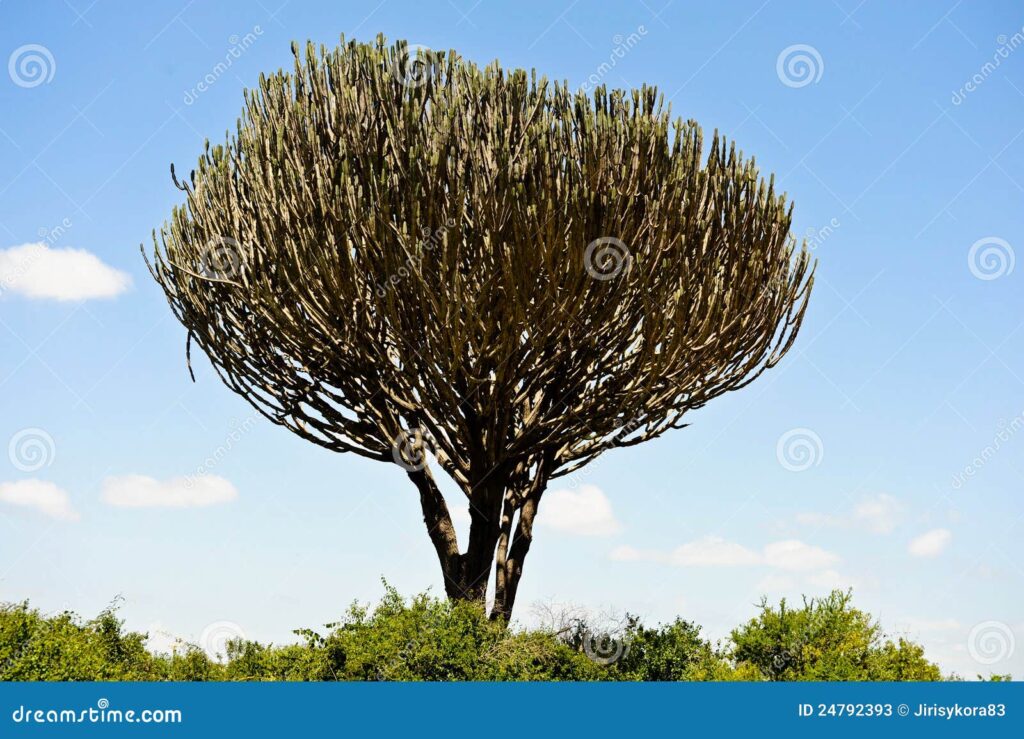
Consider the Euphorbia tirucalli, known colloquially as the African Milk Bush—a cactus-like succulent that thrives in the harshest conditions. In Southern Africa, it is planted around homesteads not just for its drought resistance, but for its perceived ability to “cut” through spiritual pollution. Elders advise placing it near doorways or windows, where its jagged silhouette serves as a silent sentinel. The act of cultivation itself becomes an act of defiance—a refusal to surrender to the chaos of the unseen world.
The Thorn as a Symbol: Resilience in the Face of Adversity
To touch a cactus is to learn a lesson in paradox. Its spines, both defense and adornment, teach that strength need not be soft. In African cosmology, suffering and triumph are not opposites but allies. The cactus embodies this truth: it stores water in its fleshy body, surviving where others wither, yet it remains unyielding to the touch. This duality is celebrated in proverbs and oral traditions. Among the Berber people of the Maghreb, the cactus is called “azouggagh”, a term that also connotes endurance and unbreakable will.
In initiation rites, young initiates are often exposed to the cactus’s sting—not as punishment, but as a rite of passage. The pain is temporary; the lesson is eternal. The cactus becomes a metaphor for the trials of life: sharp, unavoidable, yet ultimately transformative. To embrace its presence is to embrace resilience. In this light, the cactus is not just a plant—it is a teacher, a silent mentor in the art of survival.
Sacred Geometry and the Cactus’s Hidden Patterns
Look closely at a cactus’s ribbed surface or the spiral arrangement of its spines, and you will find geometry that feels almost divine. The Fibonacci sequence, the golden ratio—these mathematical patterns appear in nature, but in the cactus, they take on a spiritual dimension. In some West African traditions, the cactus is associated with the “sacred spiral”, a symbol of life’s cyclical journey. The way its arms grow outward, then curl inward, mirrors the path of the soul—expansion, contraction, renewal.
Artisans and healers have long used cactus motifs in sacred art. The adinkra symbols of Ghana, for instance, sometimes incorporate spiky elements to represent protection and vigilance. Even in modern spiritual practices, the cactus’s form is invoked in meditation—its symmetry a reminder that chaos can be ordered, that pain can be structured into meaning. The plant becomes a living mandala, a focal point for contemplation and connection.

The Cactus in Ritual and Ceremony: A Bridge Between Worlds
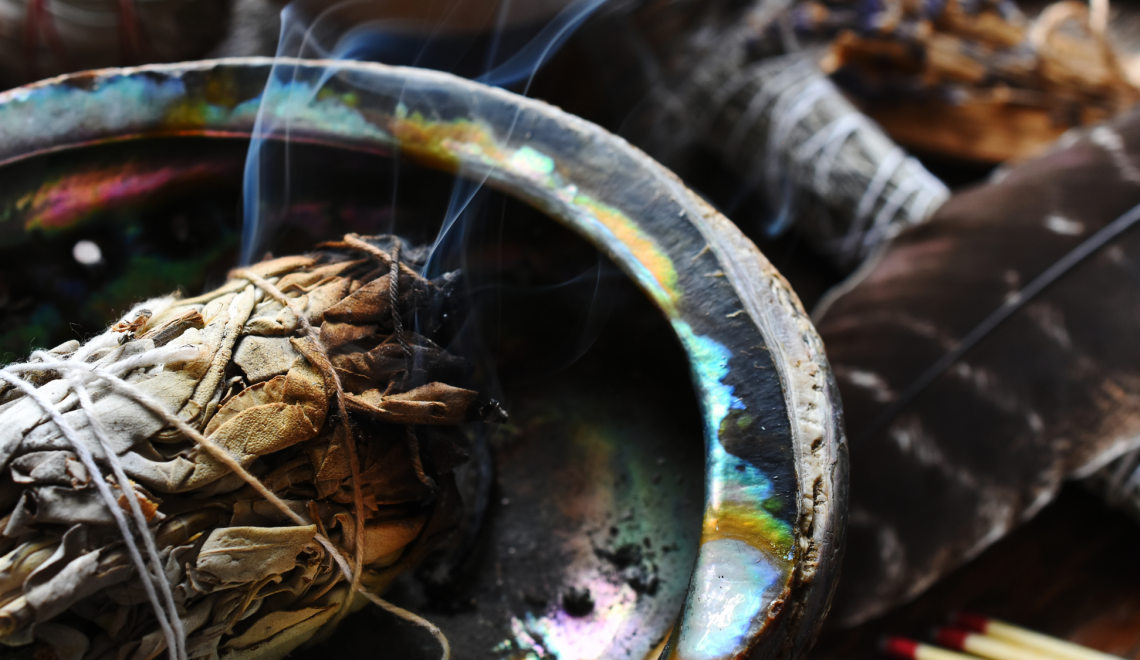
In the flickering light of a ritual fire, the cactus takes on a role beyond the mundane. Among the San people of Southern Africa, certain cacti are burned during healing ceremonies, their smoke believed to carry prayers to the ancestors. The pungent aroma is not just a fragrance—it is a language, a bridge between the earthly and the ethereal. Similarly, in parts of East Africa, cactus juice is used in purification rites, its bitterness a metaphor for the cleansing of the soul.
Even in Christian-influenced regions, the cactus retains its sacred role. In Ethiopia, the Euphorbia abyssinica, with its candelabra-like branches, is planted near churches. It is not worshipped, but its presence is honored—a silent companion to the divine. This syncretism speaks to the cactus’s adaptability: it is both ancient and modern, indigenous and universal. It does not demand allegiance; it offers protection to all who seek it.
Modern Fascination: Why the Cactus Captivates the Global Soul
Today, the cactus has transcended its African roots to become a global icon of minimalism and resilience. Urban dwellers adorn their apartments with spiky green sculptures, unaware of the centuries-old traditions they echo. The fascination is not accidental. In a world of constant noise, the cactus offers a paradox: it is both a fortress and a sanctuary. Its silence is not emptiness—it is fullness. It does not speak, yet it communicates volumes about endurance, adaptation, and quiet strength.
Perhaps this is why the cactus resonates so deeply. It is a mirror. We see in its spines the challenges we face, in its blooms the beauty that follows struggle. It reminds us that protection is not about avoidance—it is about facing the world with eyes open, armed with the knowledge that even the sharpest edges can shelter life.
The Cactus as a Living Legacy: Passing Down Wisdom
To cultivate a cactus is to participate in a lineage. In many African communities, the act of planting one is accompanied by blessings, a wish for the plant—and the planter—to thrive. The cactus becomes a legacy, passed from one generation to the next. Its survival in drought mirrors the survival of traditions in the face of colonialism, globalization, and time itself.
As climate change parches the land, the cactus’s resilience becomes even more poignant. It is a plant that asks for little but gives much: shade, medicine, protection, and meaning. In an era of uncertainty, it stands as a testament to the power of adaptation. To grow a cactus is to cultivate hope. To honor it is to remember that even in the harshest conditions, life finds a way—and so does the spirit.
FAQ
What do cacti symbolize in African culture?
Cacti symbolize protection, resilience, and the duality of life in various African traditions.
Why are cacti considered protective?
Cacti are believed to ward off negativity and malevolent forces through their sharp spines and physical presence.


Leave a Reply