
Short Answer
Ever stood in your garden, staring at a cluster of vibrant, paddle-shaped pads, wondering if those spiky green giants could possibly be more than just a prickly nuisance? What if I told you that those very same Opuntia pads—often dismissed as mere desert ornamentals—harbor a secret treasure trove of culinary delight? Welcome to the world of edible Opuntia, where the challenge isn’t avoiding the spines, but deciding which delicious dish to craft first!
The Allure of Opuntia: A Prickly Paradox
Opuntia, affectionately known as prickly pear, is the botanical equivalent of a multitasking superhero. Native to the Americas, this cactus has woven itself into the fabric of countless cultures, from the indigenous peoples of Mexico to the Mediterranean’s sun-drenched landscapes. But here’s the twist: while its pads (nopales) and fruits (tunas) are celebrated in kitchens worldwide, many gardeners still shy away from harvesting them, intimidated by the spines or unaware of their edible potential.
The irony? Those same spines that deter the uninitiated are the plant’s built-in armor against predators—leaving the tender, flavorful insides free for the taking. So, why let a few tiny thorns stand between you and a garden-to-table revolution? It’s time to embrace the challenge and unlock the edible magic of Opuntia.
Timing is Everything: When to Harvest Prickly Pears
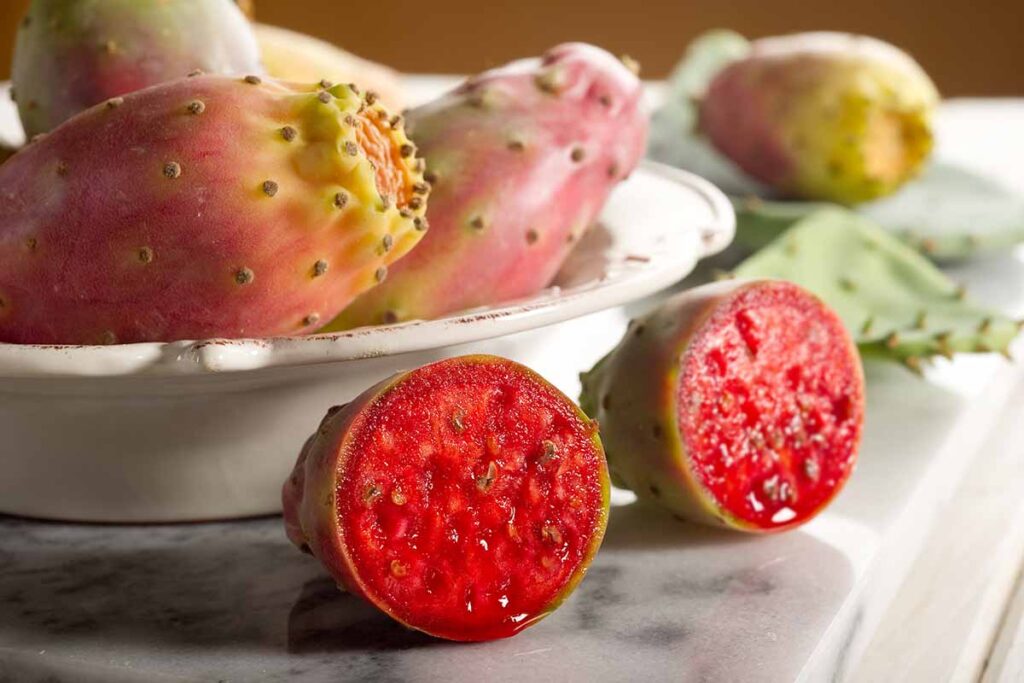
Harvesting prickly pears is less about luck and more about precision. The fruits, plump with nectar-like sweetness, are ready when their color deepens into a rich, jewel-toned hue—think ruby red, golden yellow, or even deep purple, depending on the variety. But here’s the catch: timing isn’t just about color. The fruits should yield slightly to gentle pressure, like a ripe peach, and detach effortlessly from the pad with a gentle twist.
For nopales (the pads), the story is different. Young, tender pads are the stars of the show, harvested when they’re about the size of your hand and still supple. Older pads toughen up, becoming woody and less palatable. The best time to pick them? Early morning, when their moisture content is highest, ensuring maximum crispness and flavor. Pro tip: wear thick gloves or use tongs to avoid the spines—this isn’t a job for bare hands!
The Art of the Harvest: Tools and Techniques
Harvesting Opuntia is where the romance of gardening meets a touch of strategy. For fruits, a pair of kitchen shears or a sharp knife is your best friend. Snip the fruit at the base, leaving a small stem attached to prevent juice leakage. For pads, the traditional tool is a long-handled hook or a pair of tongs, designed to grip the pad without getting too close to the spines. If you’re feeling adventurous, some gardeners swear by using a broom to gently knock the fruits loose—a method that’s as satisfying as it is effective.
But here’s a lesser-known trick: the “twist and pull” technique for fruits. Grip the fruit firmly, give it a slight twist, and pull away from the pad. The fruit should detach cleanly, leaving the pad unscathed. For pads, a clean cut at the base is key. And remember, always harvest in moderation—Opuntia thrives on being pruned, but overharvesting can stress the plant.
From Garden to Kitchen: Preparing Opuntia for Cooking
Now that you’ve gathered your bounty, the real fun begins. But first, a word of caution: those spines aren’t just for show. Even the tiniest glochids (the hair-like spines that cling to the fruit) can be a nuisance. To remove them, rinse the fruits or pads under cool water, then use a stiff brush or a pair of rubber gloves to scrub away any lingering spines. For fruits, a quick singe with a blowtorch can burn off the glochids—just be careful not to cook the fruit itself!
Peeling the fruit is the next hurdle. Slice off both ends, then make a shallow cut along the length of the fruit. The skin should peel away easily, revealing the jewel-like flesh within. For nopales, the process is simpler: rinse the pads, trim the edges, and slice them into strips or cubes. The key is to remove any remaining spines and rinse thoroughly to eliminate the slightly slimy sap that can develop.
Culinary Alchemy: Recipes to Make Opuntia Shine
The versatility of Opuntia is nothing short of astonishing. In Mexico, nopales are a staple in tacos, scrambled with eggs, or blended into vibrant salsas. The fruits, meanwhile, are transformed into jams, juices, and even fermented into wine. But why stop there? Let’s explore some unexpected ways to let Opuntia take center stage.
Imagine a prickly pear gazpacho, where the fruit’s natural sweetness balances the acidity of tomatoes and cucumbers. Or a nopales and avocado salad, where the pads’ crisp texture meets the creamy richness of avocado, all tossed in a lime-cilantro dressing. For a sweet treat, try prickly pear sorbet, where the fruit’s nectar-like flavor is frozen into a refreshing delight.
And don’t overlook the syrup! Simmering prickly pear fruits with sugar and a splash of citrus creates a syrup that’s perfect for drizzling over pancakes, cocktails, or even grilled meats. The possibilities are as endless as your imagination—and that’s the beauty of Opuntia.
Preserving the Bounty: Storing and Fermenting Opuntia
Of course, not every harvest can be consumed immediately. So, how do you keep the magic alive? For nopales, the answer is simple: store them in the refrigerator, wrapped in a damp paper towel, for up to a week. For fruits, they’ll keep for a few days at room temperature, but for longer storage, freeze them whole or turn them into jam.
But why not take preservation to the next level? Fermented prickly pear juice, or tuna tepache, is a probiotic-rich drink that’s as gut-friendly as it is delicious. Simply mix the juice with sugar and a pinch of yeast, then let it ferment for a few days. The result? A tangy, effervescent beverage that’s perfect for sipping on a hot day.
For a more unconventional approach, try dehydrating nopales into crispy chips. Thinly slice the pads, toss them in olive oil and salt, and bake at a low temperature until they’re crunchy. The result? A snack that’s as addictive as it is nutritious.
The Final Bite: Why Opuntia Deserves a Spot in Your Garden
Opuntia isn’t just a plant—it’s a culinary adventure waiting to happen. From the thrill of the harvest to the joy of creating dishes that surprise and delight, it’s a reminder that the most extraordinary flavors often come from the most unexpected places. So, the next time you spot a prickly pear in your garden, don’t turn away. Instead, roll up your sleeves, grab your shears, and get ready to transform those spiky green giants into something truly magical.
The challenge isn’t in the spines. It’s in the courage to embrace the unknown—and the delicious rewards that follow.
FAQ
What is Opuntia?
Opuntia, commonly known as prickly pear, is a type of cactus known for its edible pads and fruits.
How do you harvest prickly pears safely?
Harvest prickly pears by wearing gloves, using tongs or kitchen shears, and ensuring the fruits are ripe and easily detach from the plant.

Leave a Reply