
Short Answer
Repotting an Astrophytum—those enigmatic, ribbed cacti that seem to guard their secrets beneath a crown of delicate spines—isn’t just a horticultural task; it’s a delicate dance between preservation and progress. These slow-growing, sun-worshipping gems demand more than mere soil and a pot; they require reverence for their fragile root systems, which are as intricate as the constellations they’re named after. Whether you’re a seasoned collector or a fledgling green thumb, mastering the art of repotting Astrophytum without inflicting root trauma is essential for their longevity and your botanical bragging rights. This guide isn’t just a step-by-step manual—it’s a manifesto for nurturing resilience in the face of adversity, a testament to the patience required to coax life from the desert’s most stoic inhabitants.
The Essence of Astrophytum: Understanding Your Cactus Before You Touch It
Before your hands even brush the soil, pause. Astrophytum are not your average houseplants; they are living sculptures, each rib a testament to years of growth, each spine a silent sentinel. Their roots, often shallow but sprawling, are finely attuned to moisture and aeration. Unlike their more forgiving cousins, Astrophytum species—A. asterias, A. capricorne, A. myriostigma—possess a delicate symbiotic relationship with mycorrhizal fungi in their native habitats. Disrupt this balance, and you risk more than a wilted plant; you risk a silent rebellion against your care.
Their root systems are not designed for aggressive handling. A fibrous, almost web-like network clings to the soil, seeking out the barest whispers of water in arid conditions. When repotting, you’re not just changing a vessel; you’re inviting these roots to re-establish their fragile equilibrium. Observe the plant’s demeanor: Are the ribs plump with stored water? Does the epidermis gleam with health, or does it bear the dull sheen of dehydration? These clues will dictate your approach, ensuring you don’t inadvertently trigger a stress response that could stunt growth for years.
Gearing Up: Tools and Terrains for a Root-Safe Repotting
Preparation is the unsung hero of repotting Astrophytum. The right tools transform a fraught operation into a seamless ritual. Begin with a sterilized, shallow terracotta or clay pot—its breathable walls mimic the natural aeration of desert soils, preventing the dreaded root rot that lurks in stagnant moisture. The diameter should be no more than 2 inches wider than the root ball; Astrophytum abhor excess space, which can lead to soil compaction and suffocation.
Your soil mix is the bedrock of success. Forget generic cactus blends; craft a concoction that mirrors the mineral-rich, gritty substrates of their Chihuahuan Desert origins. A 50-50 blend of inorganic matter—pumice, perlite, coarse sand—and organic components like coconut coir or a smattering of leaf mold ensures both drainage and microbial diversity. Arm yourself with a soft-bristled brush, a pair of tweezers for stubborn debris, and a spray bottle filled with distilled water. Even the water you use matters; tap water’s mineral deposits can accumulate, creating a toxic veil around the roots.
The Delicate Extraction: Coaxing Roots from Their Cradle Without Cruelty
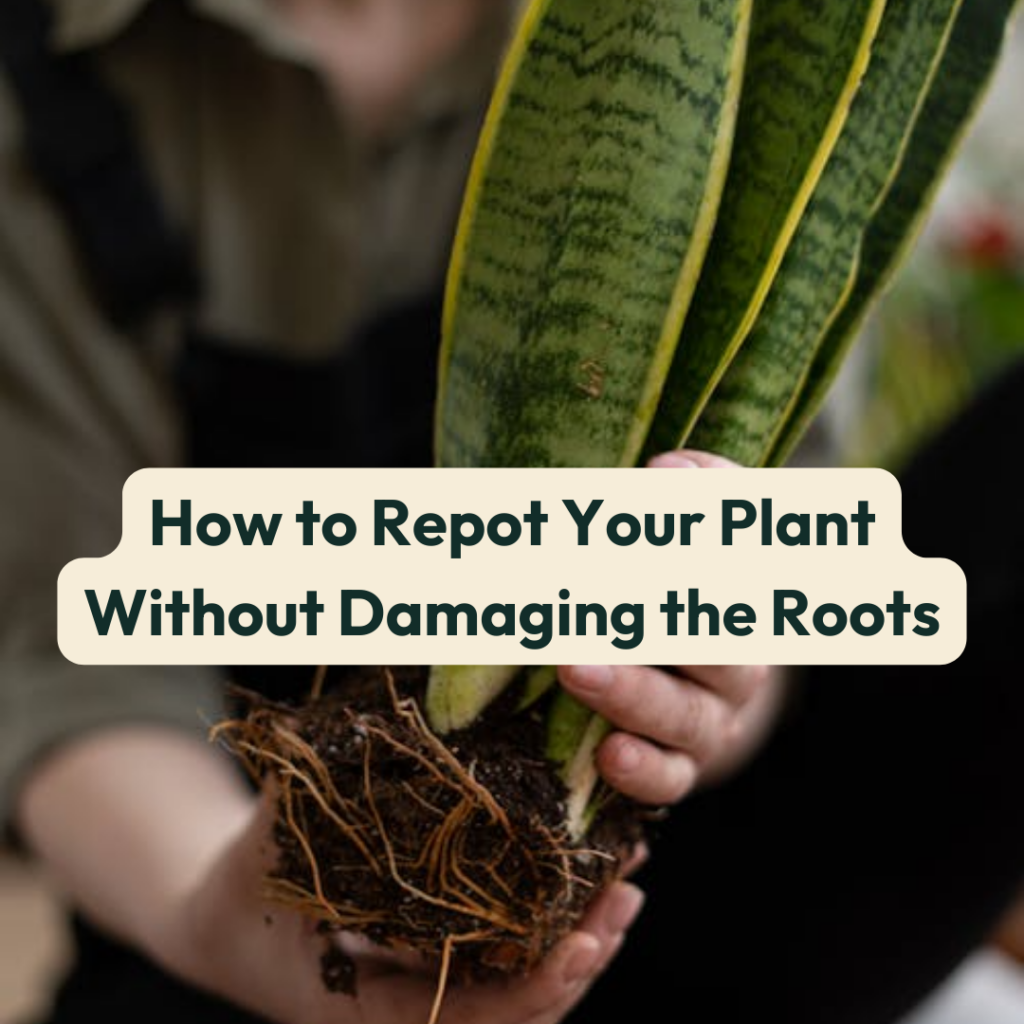
Here lies the crux of the operation: the moment of extraction. Astrophytum roots are not to be yanked; they are to be coaxed. If the plant is in a plastic nursery pot, gently squeeze the sides to loosen the soil’s grip. For terracotta, a tap on the rim can dislodge the root ball without force. Once free, resist the urge to shake off the old soil aggressively. Instead, use your fingers to tease apart the outermost layer, revealing the root network like an archaeologist uncovering ancient ruins.
Inspect the roots with the scrutiny of a detective. Healthy roots are firm and white or tan, while dark, mushy tendrils signal rot—a silent killer. Trim only the necrotic tissue with sterilized scissors, cutting at a diagonal to encourage healing. If the roots are pot-bound, a careful loosening with a root hook or even your fingertips can prevent the dreaded girdling, where circling roots strangle the plant’s vitality. Remember: every severed root is a wound, and Astrophytum, like all living things, must allocate energy to heal. Minimize trauma, and the recovery will be swift.
Potting with Precision: Crafting a Sanctuary for Your Astrophytum
The new home must be as carefully curated as a gallery exhibit. Layer the bottom of the pot with a thin bed of your gritty mix, then position the plant so its base sits just below the pot’s rim—this prevents water from pooling around the stem, a death sentence for these cacti. Fill the gaps with your soil blend, pressing lightly to eliminate air pockets but never compacting it to the point of suffocation. Leave a ½-inch gap at the top; this acts as a reservoir for water, ensuring it reaches the roots without drowning them.
For species like A. asterias, which flaunt a flat, disc-like form, consider elevating the pot on pot feet or a layer of pebbles. This mimics the drainage of their natural, slightly elevated habitats and prevents the dreaded basal rot. If your Astrophytum is a solitary specimen, resist the urge to crowd it with companions; these cacti are loners by nature, thriving in the spotlight of their own space.
The Aftercare Ritual: Nurturing Recovery Without Smothering
Post-repotting, your Astrophytum enters a vulnerable phase. Withhold water for at least a week—sometimes two—allowing any minor root damage to callus over. Place the plant in bright, indirect light; direct sun can scorch tender new growth, while deep shade invites etiolation, where the cactus stretches unnaturally in search of light. A sheer curtain or a spot just shy of full sun is ideal.
Monitor the plant like a hawk. The first signs of distress—wrinkled skin, a slight tilt in posture—are cries for help. If the roots were extensively trimmed, a diluted seaweed extract or a light application of mycorrhizal inoculant can bolster recovery. Avoid fertilizers entirely for the first month; these cacti are not hungry beasts, and excess nutrients can burn their delicate systems.
Patience is your greatest ally. Astrophytum grow at the pace of geological time, adding a single rib per year in ideal conditions. Resist the temptation to rotate the pot frequently; these cacti are sensitive to changes in light direction, and such disruptions can lead to asymmetrical growth. Let them acclimate, let them thrive, and in time, they will reward you with blooms that defy belief—flowers so pristine they seem like porcelain, unfurling in a fleeting display of nature’s artistry.
Troubleshooting the Unseen: When Roots Rebel
Even the most meticulous repotting can go awry. If your Astrophytum’s roots protest by turning black and mushy within days, you’ve overwatered—or worse, used a pot without drainage. Act swiftly: unpot the cactus, trim the rot, and replant in fresh, bone-dry soil. If the stem begins to soften, it’s a sign of systemic collapse; isolate the plant, reduce moisture, and hope for a miracle.
Conversely, if the ribs appear shriveled and the plant resembles a deflated balloon, it’s crying out for hydration. Water sparingly—just enough to moisten the soil’s top layer—and monitor closely. Astrophytum are survivors, but they are not indestructible. Learn from each misstep, and your green thumb will grow ever more skilled.
A Final Flourish: The Reward of Patience
Repotting an Astrophytum is not merely a chore; it’s a commitment to understanding the language of spines and silence. These cacti do not scream when they suffer—they wither, they retreat, they endure. Your reward comes not in immediate gratification, but in the slow unfurling of a bloom that lasts a single day, or the quiet pride of a ribbed sphere that has weathered another year with grace.
So tend to your Astrophytum with the reverence it deserves. Let your hands be gentle, your soil be precise, and your patience be boundless. In return, it will gift you a piece of the desert’s tenacity—a living testament to the beauty of resilience.
FAQ
What is the best way to repot an Astrophytum cactus?
Gently coax the roots from their old pot, use a well-draining gritty soil mix, and avoid overwatering after repotting.
How often should I repot my Astrophytum?
Repotting should be done every 2-3 years or when the roots outgrow their container.

Leave a Reply