
Short Answer
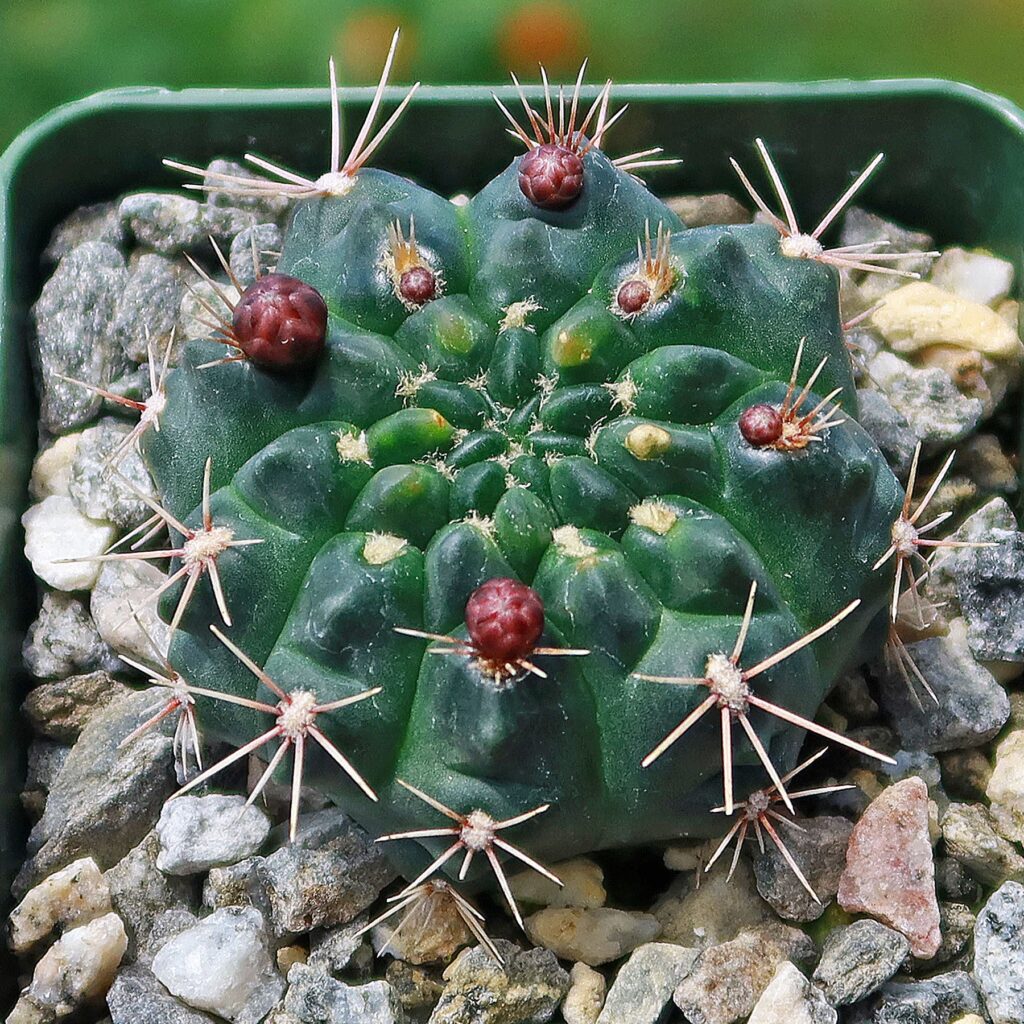
There’s something quietly magnetic about the Gymnocalycium saglionis, a cactus whose very name—derived from the Greek *gymnos* (naked) and *kalyx* (calyx)—hints at its unadorned, resilient beauty. Often called the “Giant Chin Cactus” for the pronounced chin-like protrusion beneath its ribbed crown, this succulent doesn’t just stand out in arid landscapes; it whispers a story of endurance, adaptability, and quiet strength. While many admire its spherical form and pale pink blooms, few pause to consider why this cactus, seemingly so ordinary at first glance, stirs such fascination. The answer lies not in its spines or flowers, but in the symbolism it embodies—a mirror to our own capacity for resilience in the face of adversity.
The Chin That Speaks Volumes: A Cactus with Character
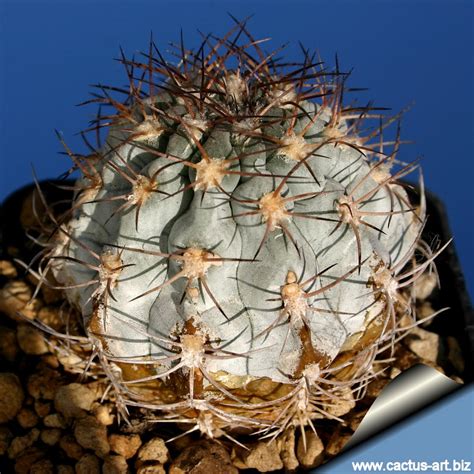
The most striking feature of the Gymnocalycium saglionis is its namesake “chin”—a pronounced, rounded protuberance that juts from the base of its ribbed body. This isn’t mere ornamentation; it’s a structural marvel, a testament to the cactus’s ability to channel resources efficiently. In the harsh, sun-scorched habitats of Argentina’s mountainous regions, where water is scarce and temperatures fluctuate wildly, every contour serves a purpose. The chin isn’t just for show; it’s a hydrodynamic feature, guiding rainwater toward the roots and minimizing evaporation. Yet, its prominence also lends the plant a personality, as if it’s perpetually leaning forward to listen, to observe, or to challenge the viewer with its silent defiance.
This duality—practicality and presence—makes the chin cactus a compelling subject for those who see beyond the superficial. It’s easy to dismiss succulents as mere survivors, but the Gymnocalycium saglionis refuses that narrative. Its chin is a declaration: *I am here. I am adapted. I thrive where others wither.* In a world that often glorifies flash over substance, this cactus reminds us that true strength lies in quiet adaptation, not in ostentatious displays.
Inner Fortitude: The Cactus as a Metaphor for Human Resilience
To grow a Gymnocalycium saglionis is to cultivate a living metaphor for human resilience. This cactus thrives in conditions that would cripple most plants—intense sunlight, bone-dry soil, and temperature swings that oscillate between scorching days and near-freezing nights. Its survival hinges on a suite of adaptations: a thick, waxy epidermis to lock in moisture, a ribbed structure to expand and contract with water availability, and a slow, deliberate growth rate that conserves energy. These aren’t just biological traits; they’re lessons in patience, efficiency, and perseverance.
Consider the way the chin cactus stores water in its fleshy body, only to use it sparingly over months. It doesn’t hoard; it doesn’t panic. It simply *is*—adapting, enduring, and eventually blooming when conditions align. This is the essence of inner fortitude: the ability to endure without surrendering to desperation. In an era where burnout and overwhelm are epidemic, the Gymnocalycium saglionis offers a counter-narrative. It doesn’t burn out; it doesn’t wilt under pressure. Instead, it bides its time, waiting for the right moment to reveal its delicate, pink-tinged flowers—a fleeting but exquisite reward for its steadfastness.
The Symbolism of Thorns: Protection and Boundaries
No discussion of cacti is complete without acknowledging their spines, and the Gymnocalycium saglionis is no exception. Its spines, though fewer and less menacing than those of its desert-dwelling cousins, serve as a potent symbol of protection and self-preservation. In the wild, these spines deter herbivores and create a microclimate of shade and humidity around the plant, shielding it from the harshest elements. Metaphorically, they represent the boundaries we set to safeguard our energy, our peace, and our growth.
Yet, spines are also paradoxical. They are both a defense mechanism and a vulnerability—sharp enough to ward off threats, yet delicate enough to break under pressure. The chin cactus teaches us that protection isn’t about isolation; it’s about strategic defense. It doesn’t isolate itself from the world; it simply chooses what to engage with. This balance between openness and guardedness is one we all navigate daily, whether in personal relationships, professional settings, or creative pursuits. The cactus doesn’t shrink from the sun; it doesn’t hide from the rain. It stands firm, spines intact, ready to absorb what it needs and deflect what it doesn’t.
Blooming Under Pressure: The Reward of Patience
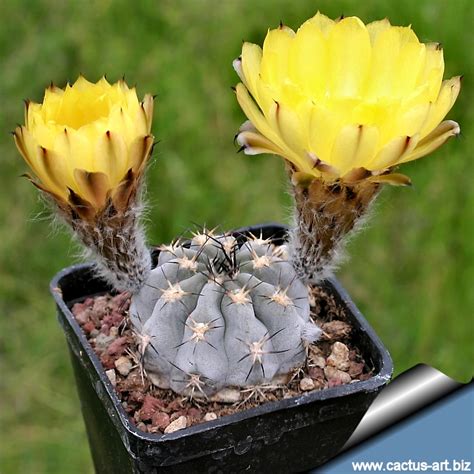
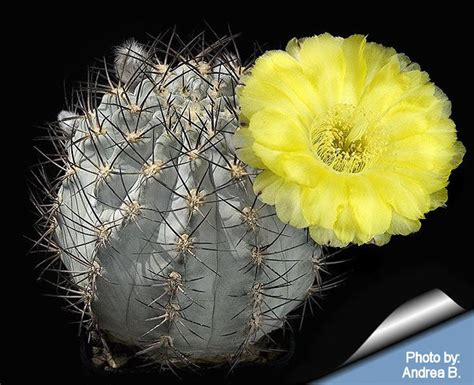
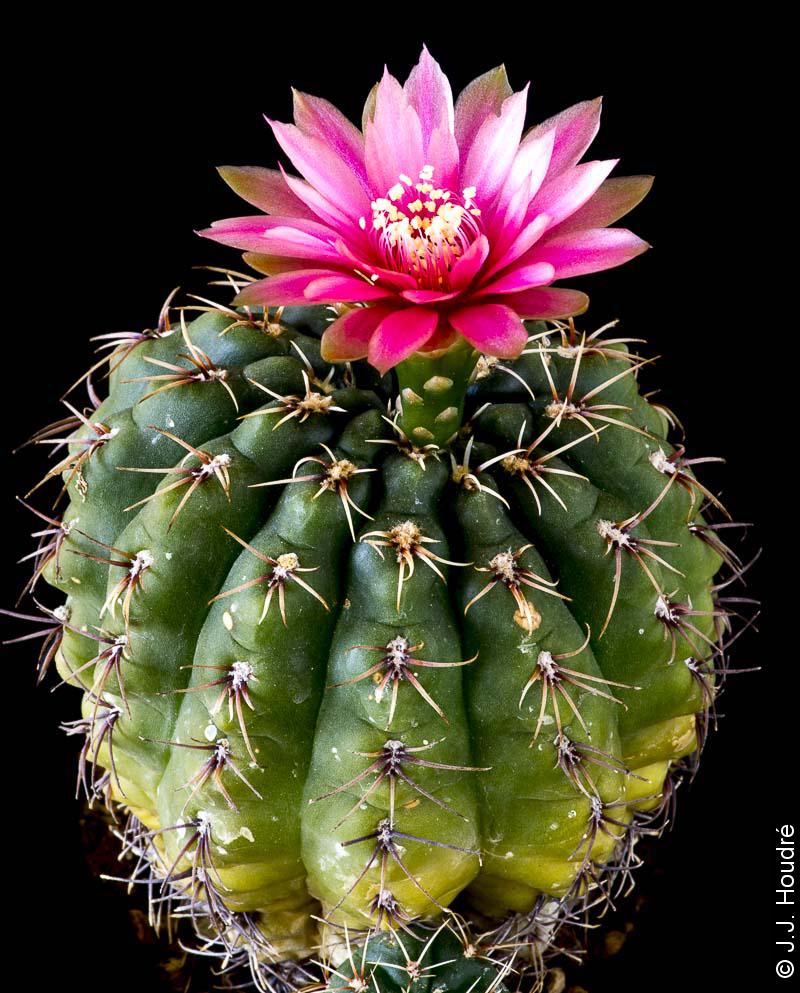
Perhaps the most enchanting aspect of the Gymnocalycium saglionis is its flowering habit. Unlike many cacti that burst into color annually, this species is notoriously slow to bloom, often taking years—sometimes decades—to produce its first flowers. When it does, the reward is a crown of pale pink or white blossoms that seem to emerge from nowhere, a sudden burst of life against the stark backdrop of its ribbed body. This delayed gratification is no accident; it’s a deliberate strategy, a testament to the cactus’s understanding that true rewards are earned, not rushed.
In a culture obsessed with instant results, the chin cactus is a radical reminder that some things are worth waiting for. Its flowers aren’t just beautiful; they’re a symbol of perseverance, of the quiet triumph that comes from enduring the long, dry seasons of life. They teach us that growth isn’t linear, that progress isn’t always visible, and that the most meaningful achievements often bloom when we least expect them. To cultivate a Gymnocalycium saglionis is to embrace this philosophy—to tend to the soil of our lives, to nurture our roots, and to trust that, in time, the world will witness the beauty of our persistence.
Cultivating the Chin Cactus: A Practice in Mindful Growth
Growing a Gymnocalycium saglionis is more than a hobby; it’s a practice in mindful growth. Unlike fast-growing houseplants that demand constant attention, this cactus thrives on neglect, rewarding patience with resilience. To care for it is to adopt its ethos: water sparingly, provide ample light, and resist the urge to over-tend. The chin cactus doesn’t need coddling; it needs space to be itself. In this way, it mirrors the ideal conditions for personal growth—room to expand, freedom to adapt, and the wisdom to know when to rest.
For those who cultivate this cactus, it becomes more than a plant; it’s a companion in the journey of self-improvement. Its slow, deliberate pace encourages us to slow down, to observe, and to appreciate the beauty in the waiting. It reminds us that strength isn’t about speed or spectacle; it’s about consistency, about showing up day after day, even when the world feels barren. And when, after years of care, its first flower unfurls, the moment is all the sweeter for the wait.
A Quiet Revolution: The Cactus as a Symbol of Subtle Power
The fascination with the Gymnocalycium saglionis isn’t just about its appearance; it’s about what it represents—a quiet revolution in how we perceive strength. In a world that often equates power with dominance, this cactus offers a different model: one of endurance, adaptability, and understated presence. It doesn’t shout; it doesn’t demand attention. It simply *is*—a living testament to the idea that true strength lies in the ability to thrive, not to overpower.
Perhaps this is why the chin cactus captivates us. In its unassuming way, it holds up a mirror to our own lives, asking us to consider: Where do we find our “chin”? Where do we channel our resources with intention? Where do we bloom, not in spite of adversity, but because of it? The answers may not come easily, but the cactus waits, patient and unyielding, ready to guide us toward the light.
FAQ
What is the Chin Cactus known for?
It is known for its distinctive chin-like protuberance and its symbolism of endurance and adaptability.
How does the Chin Cactus symbolize protection?
Its spines represent boundaries and self-preservation, symbolizing the balance between defense and openness.
Why is patience important when growing Gymnocalycium saglionis?
Because it blooms slowly, often after years, encouraging a mindful and patient approach to growth.
Leave a Reply