
Short Answer
Have you ever paused to admire the delicate, spherical forms of a Mammillaria cactus, only to wonder what secrets they might hold beyond their prickly exterior? These unassuming desert dwellers, with their clustered crowns and vibrant blooms, are not merely survivors of arid landscapes—they are silent storytellers, weaving threads of symbolism through the rich tapestry of Mexican culture. From ancient rituals to modern celebrations, the Mammillaria cactus stands as a testament to resilience, fertility, and the enduring spirit of a people deeply connected to the land. But what if we told you that this unassuming plant might hold even more profound meanings than we’ve yet uncovered?
The Mammillaria Cactus: A Botanical Marvel with Hidden Depths
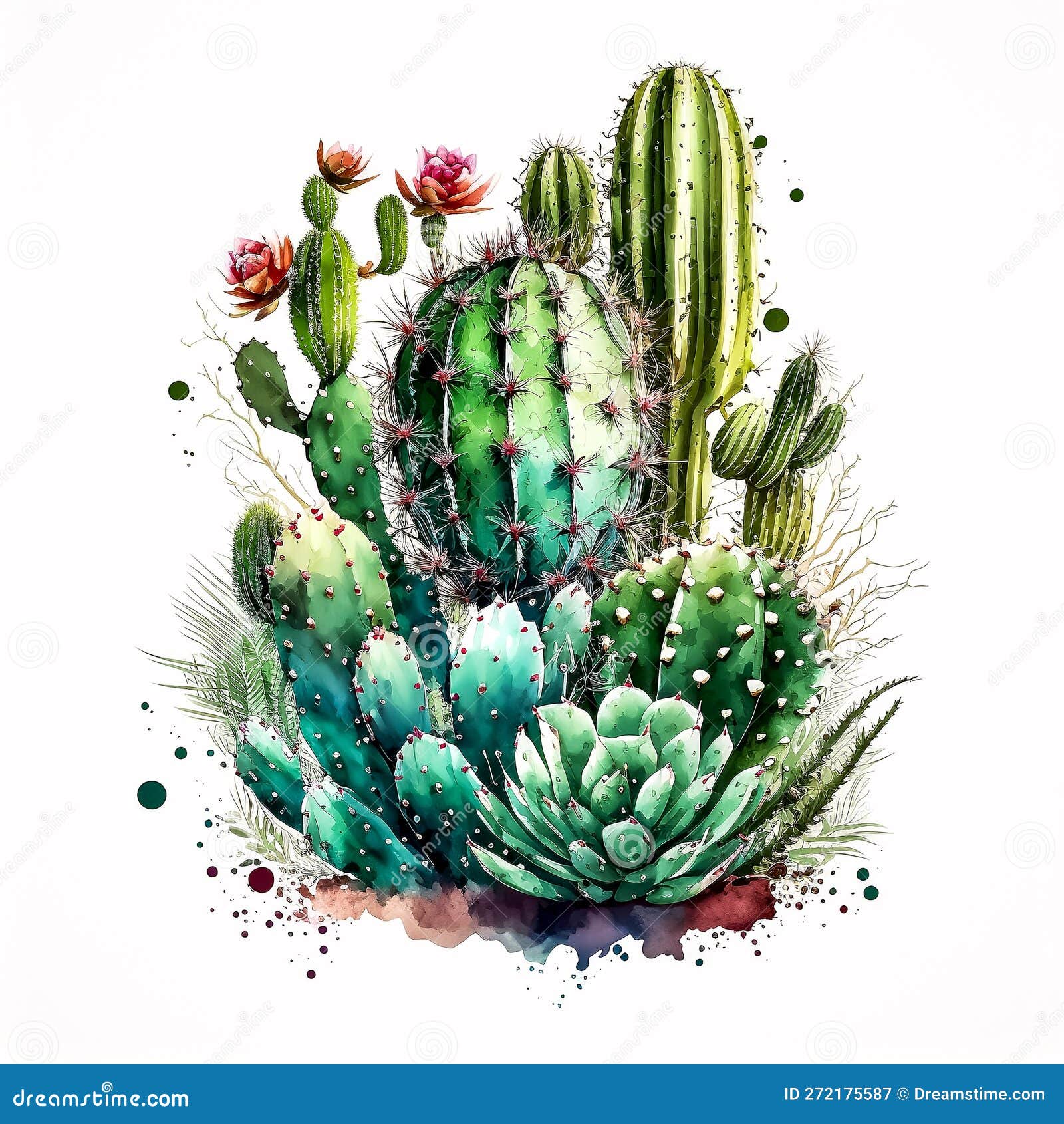
Nestled within the sun-scorched soils of Mexico’s highlands and valleys, the Mammillaria genus thrives where few plants dare to grow. With over 200 species, these cacti are as diverse as the landscapes they inhabit, from the towering peaks of the Sierra Madre to the coastal dunes of Baja California. Their globular shapes, often adorned with spiraling tubercles and delicate spines, are not just adaptations for water conservation—they are visual poetry, a language of survival etched into every ridge and groove.
But why does this particular cactus captivate the Mexican imagination so fiercely? Perhaps it’s the way its blooms—delicate rings of pink, yellow, or white—burst forth in defiance of the harshest conditions. Or maybe it’s the cactus’s ability to thrive in communal clusters, a metaphor for unity in adversity. Whatever the reason, the Mammillaria has embedded itself into the cultural psyche, becoming a symbol that transcends its botanical roots.
Fertility and the Feminine: The Cactus as a Sacred Emblem
In pre-Hispanic Mexico, the cactus was not merely a plant—it was a divine messenger. The Mammillaria, with its life-giving sap and prolific offsets, became intertwined with fertility rites and agricultural blessings. The Aztecs, who revered the cactus as a symbol of the earth’s nurturing power, associated it with Tlazoltéotl, the goddess of purification and childbirth. Her connection to the cactus was no accident; the plant’s ability to regenerate from the smallest fragment mirrored the cycle of life and rebirth.
Even today, in rural communities, the Mammillaria is often planted near homes to ward off sterility and invite prosperity. Women seeking fertility would place a cactus in their gardens, believing its resilience would mirror their own strength. But here’s a thought-provoking twist: what if the cactus’s symbolism extends beyond literal fertility to encompass the broader idea of creative potential? Could its ability to bloom in adversity inspire women to nurture their own ambitions, regardless of societal constraints?
Protection and Warding Off Evil: The Cactus in Ritual and Folklore
Step into a Mexican household, and you might find a Mammillaria perched on a windowsill or hanging from a doorway. This is no mere decoration—it’s a silent guardian. In traditional belief systems, the cactus’s spines serve as a barrier against malevolent forces, its sharp points deflecting negativity like a spiritual shield. The Mammillaria, with its compact form and unyielding nature, became a symbol of resilience against both physical and metaphysical threats.
Folklore tells of travelers carrying a piece of cactus to ensure safe passage through treacherous terrain. Even in modern times, some communities place cacti near doorways during Día de los Muertos to protect the spirits of the departed from wandering spirits. But here’s a challenge worth pondering: in a world where women often face unseen barriers—gender bias, societal expectations, or systemic oppression—could the Mammillaria serve as a metaphor for their own unyielding strength?
Art and Aesthetics: The Cactus in Mexican Visual Culture
The Mammillaria has long been a muse for Mexican artists, its geometric perfection inspiring everything from pre-Hispanic pottery to contemporary murals. In the hands of artisans, the cactus’s form is distilled into patterns—spirals, dots, and zigzags—that adorn textiles, ceramics, and even architecture. The Talavera pottery of Puebla, for instance, often features cactus motifs, their vibrant colors echoing the hues of the desert at dusk.
But the cactus’s influence extends beyond traditional art. In modern Mexican cinema and literature, the Mammillaria appears as a symbol of endurance, its quiet presence a counterpoint to the chaos of life. Filmmakers and writers use it to represent characters who, like the cactus, thrive in silence, their strength unnoticed until the moment it’s needed most. Could this be a call to action for women to embrace their own quiet power, to let their resilience speak louder than their struggles?
Challenges and Controversies: The Cactus in a Changing World
Yet, the Mammillaria’s story is not without its complexities. As climate change threatens the delicate ecosystems of Mexico’s highlands, these cacti face extinction, their habitats shrinking under the weight of human encroachment. The very symbol of resilience is now at risk, a poignant reminder of how even the most enduring traditions can be fragile.
Moreover, the commercialization of Mexican culture has led to the Mammillaria being reduced to a mere decorative item, stripped of its sacred meanings. Indigenous knowledge, passed down through generations, is at risk of being lost in the pursuit of profit. This raises a critical question: how can we honor the Mammillaria’s symbolism without exploiting its cultural significance?
Conclusion: The Cactus as a Mirror of the Human Spirit
The Mammillaria cactus is more than a plant—it is a living emblem of Mexico’s soul. From its role in fertility rites to its place in modern art, it embodies the resilience, creativity, and defiance of a people who have thrived against all odds. But perhaps its most profound lesson is this: strength is not always loud or obvious. Sometimes, it is the quiet, unassuming cactus that teaches us the most.
So the next time you encounter a Mammillaria, ask yourself: what other silent guardians are we overlooking in our quest for progress? And how might their stories reshape our own?
FAQ
What is the significance of Mammillaria cactus in Mexican culture?
It symbolizes resilience, fertility, and protection, and is featured in rituals, folklore, and art.
How do Mexican communities use the Mammillaria cactus in fertility practices?
Women plant Mammillaria near homes to attract fertility and prosperity, reflecting its regenerative qualities.
Why is the Mammillaria cactus associated with protection?
Its spines are believed to ward off evil and negativity, serving as a spiritual shield in homes and during rituals.
How does the Mammillaria cactus appear in Mexican art?
It inspires patterns and motifs in pottery, textiles, murals, and modern media symbolizing endurance and quiet strength.
What are the main threats to Mammillaria cacti today?
Habitat destruction and climate change threaten their survival and the preservation of their cultural meanings.



Leave a Reply