
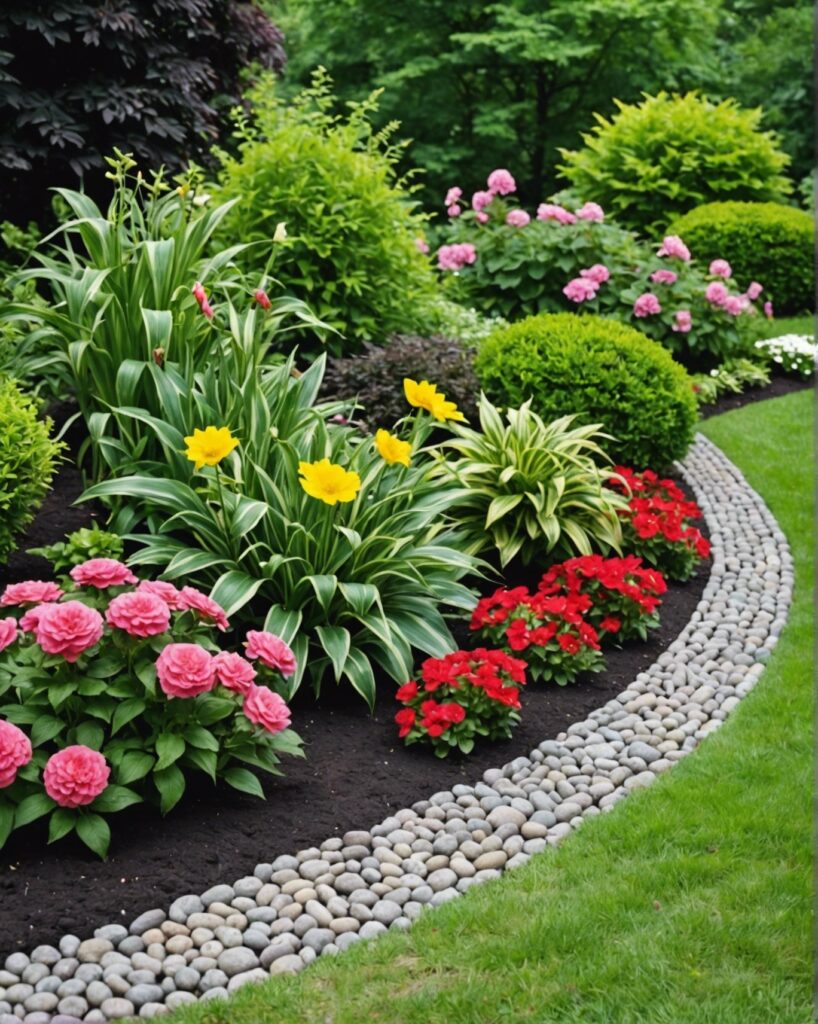
Short Answer
In the grand ballet of the garden, where towering perennials pirouette with sprawling succulents and delicate annuals sway in the breeze, there exists a quiet virtuoso—the Mammillaria. These diminutive cacti, often dismissed as mere “garden filler,” are in truth the unsung artisans of border design, weaving texture, intrigue, and a touch of the unexpected into landscapes that crave both structure and whimsy. Their globular forms, crowned with spirals of spines or bursts of vibrant flowers, are not merely decorative; they are living sculptures that challenge our perceptions of scale and grandeur. To integrate Mammillaria into border gardens is to invite a sense of paradox—where the smallest presence commands the most attention.
The Allure of the Miniature: Why Mammillaria Captivates the Eye
There is a peculiar magic in the miniature, a phenomenon that turns a thimble into a cathedral and a pebble into a mountain. Mammillaria, with its globular or cylindrical bodies, embodies this enchantment. Each species—whether the Mammillaria elongata with its pencil-thin, clustering stems or the Mammillaria hahniana, resplendent with snowy white spines and crimson flowers—is a study in contrast. The spines, often mistaken for mere defense mechanisms, are in fact architectural marvels, arranged in geometric precision or chaotic elegance, depending on the species. They catch the light like fiber optics, casting shadows that dance across the soil, transforming a border from a static line into a dynamic tableau.
Consider the Mammillaria zeilmanniana, whose deep green bodies are punctuated by rings of pinkish-purple flowers in spring. It is a living punctuation mark, a semicolon in the sentence of the garden, breaking the monotony of green foliage with a burst of color. In a border, such a plant is not just a participant; it is a conversation starter, a focal point that draws the eye and invites closer inspection. The allure of Mammillaria lies in its ability to be both unassuming and arresting—a paradox that makes it indispensable in design.
Designing with Diminutive Dynamos: Placement and Pairings
To wield Mammillaria effectively in border gardens, one must approach it with the finesse of a jeweler selecting stones for a ring. These cacti thrive in well-draining soil and full sun, making them ideal candidates for the sun-drenched edges of a border, where their spines can gleam like polished metal under the midday sun. A raised bed or a rocky outcrop within the border provides the perfect stage for their performance, elevating them to eye level where their details can be fully appreciated.
Pairing Mammillaria with complementary plants is an exercise in contrast and harmony. The soft, billowing fronds of Stipa tenuissima (Mexican feather grass) can frame a cluster of Mammillaria, their feathery plumes swaying in the wind while the cacti remain steadfast, a study in resilience. Alternatively, the silvery foliage of Senecio serpens (blue chalksticks) can create a cool counterpoint to the warm tones of Mammillaria spines, while the spiky architecture of Agave parryi echoes the geometric rigor of the cactus’s form. For a touch of the unexpected, intersperse Mammillaria with Echeveria rosettes, their rosette shapes mimicking the cactus’s globular form but in a softer, more succulent guise.
Seasonal interest is another layer to consider. While Mammillaria flowers are fleeting, their timing can be orchestrated to create a succession of blooms. Early spring brings the delicate pink blossoms of Mammillaria bocasana, while summer offers the fiery red flowers of Mammillaria magnimamma. By selecting a variety of species, a border can transition from a winter tableau of spiny sculptures to a spring symphony of color, ensuring year-round visual appeal.
The Art of Contrast: Texture, Color, and Form
In the language of garden design, Mammillaria speaks in contrasts. Its spines, whether fine as hair or thick as needles, create a tactile experience that invites touch—though one must resist the urge, for the spines are often barbed or hooked, a reminder of nature’s duality. The contrast between the rough, textured spines and the smooth, rounded bodies of the cactus is a study in sensory juxtaposition. When placed against the velvety leaves of Sedum morganianum (donkey tail) or the leathery fronds of Asplenium nidus (bird’s nest fern), the effect is one of tactile richness, a garden that begs to be explored with both eyes and fingertips.
Color plays a pivotal role in the drama of Mammillaria. The spines of Mammillaria plumosa are pure white, resembling a dusting of snow on a desert landscape, while the Mammillaria vetula boasts golden spines that catch the sunlight like a halo. These hues can be used to create focal points or to draw the eye along the border. For instance, a line of Mammillaria with white spines can act as a visual guide, leading the viewer’s gaze through the garden, while clusters of golden-spined varieties can punctuate corners or transitions, adding warmth and vibrancy.
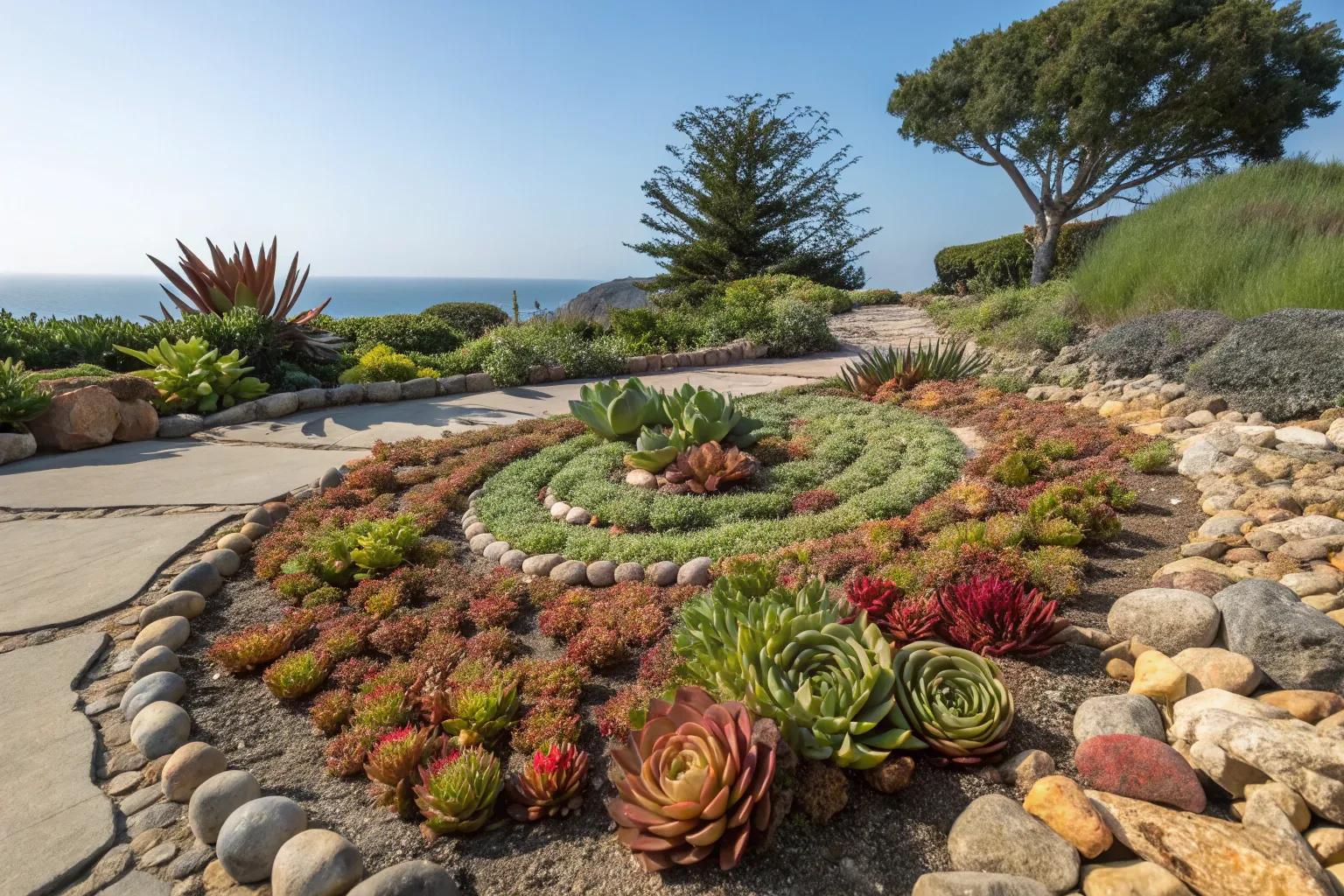
The form of Mammillaria is equally compelling. The cylindrical stems of Mammillaria elongata create a rhythmic pattern when planted in rows, while the clustered growth of Mammillaria prolifera mimics the organic sprawl of a coral reef. These forms can be used to create patterns within the border, such as a checkerboard of Mammillaria and Lavandula (lavender) or a spiral of cacti winding through a sea of Thymus serpyllum (creeping thyme). The key is to embrace the inherent geometry of Mammillaria and use it to structure the chaos of the border.
Beyond Aesthetics: The Ecological Role of Mammillaria in Borders
While Mammillaria is undeniably a visual delight, its presence in border gardens also serves a deeper ecological purpose. These cacti are drought-tolerant, requiring minimal water once established, making them ideal for xeriscaping or gardens in arid climates. Their shallow root systems do not compete aggressively with neighboring plants, allowing them to coexist harmoniously with a variety of species. Additionally, Mammillaria provides shelter and sustenance for pollinators. The flowers, though small, are rich in nectar, attracting bees, butterflies, and even hummingbirds in search of a quick meal. In this way, Mammillaria transforms a border from a static display into a living ecosystem, a microcosm of resilience and interdependence.
The spines of Mammillaria also offer a degree of protection to nearby plants. In the wild, these spines deter herbivores, and in the garden, they can act as a deterrent to pests such as rabbits or deer. Placing Mammillaria at the edges of a border can create a natural barrier, reducing the need for chemical repellents or fencing. This dual role—as both a decorative element and a functional one—elevates Mammillaria from mere ornament to an essential component of a thoughtfully designed border.
Cultivating a Mammillaria Border: Tips for Success
To cultivate a border that showcases Mammillaria to its fullest potential, one must pay attention to the details. Start with a well-draining soil mix, amended with sand or perlite to prevent waterlogging, as these cacti are prone to rot in soggy conditions. A layer of gravel or crushed stone mulch not only enhances drainage but also reflects light onto the spines, creating a dazzling effect. When planting, space Mammillaria specimens at least 6 inches apart to allow for their mature size and to prevent overcrowding, which can lead to poor air circulation and fungal issues.
Watering should be infrequent but thorough. During the growing season, water when the soil is completely dry to the touch, and reduce watering to a bare minimum in winter, when the plants enter a period of dormancy. Fertilizing is optional but can be beneficial in spring and summer, using a balanced, low-nitrogen fertilizer diluted to half strength. Pruning is rarely necessary, but if a stem becomes damaged or overgrown, it can be carefully removed with a sterilized knife to encourage new growth.
Overwintering Mammillaria in colder climates requires protection from frost. If the border is in a region with freezing temperatures, consider growing Mammillaria in containers that can be moved indoors during the winter months. Alternatively, provide a thick layer of mulch or a frost cloth to shield the plants from the cold. With proper care, Mammillaria can thrive for decades, its slow growth ensuring that a border remains dynamic and engaging year after year.
The Final Touch: Mammillaria as a Statement of Intent
A border garden is more than a collection of plants; it is a declaration of intent, a reflection of the gardener’s personality and aesthetic. By incorporating Mammillaria, one makes a statement—of appreciation for the small and the subtle, of a love for the unexpected, and of a commitment to resilience. These cacti, with their spines and flowers, their geometric forms and tactile textures, are not just plants; they are ambassadors of a philosophy that values depth over scale, detail over grandeur. In a world that often prioritizes the monumental, Mammillaria reminds us that the most profound beauty often lies in the palm of our hand.
So the next time you stand before a border garden, take a moment to look closer. Amidst the foliage and flowers, you may find the quiet, spiny sentinels of Mammillaria, waiting to share their secrets. They are the whisper of the desert in a landscape of green, the spark of intrigue in a scene of serenity. And in their presence, the border becomes not just a boundary, but a canvas—one where even the smallest brushstroke can leave an indelible mark.
FAQ
What is Mammillaria and why is it popular in border gardens?
Mammillaria is a genus of small, globular or cylindrical cacti with distinctive spines and colorful flowers, valued in border gardens for their unique texture, form, and ability to thrive in sunny, well-drained locations.
How do I care for Mammillaria in a garden border?
Plant Mammillaria in well-draining soil amended with sand or perlite, provide full sun, water sparingly when soil is dry, and reduce watering in winter dormancy to avoid rot.
Which plants complement Mammillaria in landscaping?
Complementary plants include Mexican feather grass, blue chalksticks, agave, echeveria, lavender, and creeping thyme, which provide contrasting textures and colors.
What are the ecological advantages of including Mammillaria in garden borders?
Mammillaria support drought-tolerant gardening, attract pollinators with their nectar-rich flowers, and their spiny structure helps deter pests and herbivores.



Leave a Reply