
Short Answer
In the vast, sun-drenched expanse of Instagram’s digital landscape, where trends bloom like desert wildflowers after a rare rain, a peculiar fascination has taken root: the rise of cactus artists. These creators, armed with nothing but their phones and an unyielding passion for spiky succulents, have cultivated a niche that is as unexpected as it is mesmerizing. Their work—whether a meticulously staged photograph of a saguaro against a blood-orange sunset or an abstract watercolor of a prickly pear’s delicate spines—transcends mere botanical documentation. It is a celebration of resilience, a study in geometry, and a testament to the quiet drama of the desert’s most unassuming inhabitants. But why, in an era dominated by the ephemeral allure of influencer culture, have these thorny muses captured the collective imagination? The answer lies not just in their beauty, but in the deeper, almost primal connection they evoke—a reminder of nature’s tenacity in a world that often feels increasingly fragile.
The Allure of the Unassuming: Why Cacti Captivate the Creative Mind
At first glance, a cactus is a contradiction: a plant that defies the very notion of lushness, thriving where others wither, storing water in its fleshy ribs like a miser hoarding gold. This paradox is precisely what makes it so compelling to artists. The cactus is a study in contrasts—soft and spiky, fragile and indestructible, commonplace yet exotic. Its silhouette, whether the towering sentinel of the Sonoran Desert or the humble button of a mammillaria, offers a visual language that speaks to both order and chaos. For artists, it is a blank canvas draped in armor, a subject that demands both reverence and bold experimentation. The fascination isn’t merely aesthetic; it’s existential. In a world where softness is often equated with vulnerability, the cactus flips the script, proving that strength can be both beautiful and barbed.
Consider the work of an artist like Desert Bloom Studios, whose Instagram feed is a symphony of terracotta pots and golden-hour light. Each frame is a deliberate composition, where the cactus is not just a plant but a protagonist in a larger narrative of survival and adaptation. The artist’s use of negative space—letting the cactus’s stark silhouette dominate the frame—creates a sense of solitude that resonates deeply in our hyper-connected age. It’s as if the cactus becomes a mirror, reflecting back the quiet resilience we all aspire to embody.
The Rise of the Cactus Aesthetic: From Desert Floor to Digital Canvas
The cactus aesthetic is more than a trend; it’s a cultural shift, a visual rebellion against the polished perfection of traditional floral arrangements. Where once we sought out roses and peonies for their romantic associations, the modern eye is drawn to the raw, the rugged, the unapologetically thorny. This shift mirrors a broader cultural movement toward embracing imperfection—a concept the Japanese call wabi-sabi. The cactus, with its scars and spines, embodies this philosophy effortlessly. Its popularity on Instagram is not just about aesthetics; it’s about a collective yearning for authenticity in a world of filters and facades.
Artists like Prickly Perfection have turned this aesthetic into an art form, blending macro photography with surreal digital manipulations. Their images often feature cacti suspended in mid-air, their spines morphing into delicate lacework or their silhouettes dissolving into abstract patterns. The result is a dreamlike fusion of the natural and the fantastical, a reminder that even the most ordinary subjects can become portals to otherworldly realms. This alchemy is what makes cactus art so addictive—it invites viewers to see the mundane through a lens of wonder.
Beyond the Spines: The Symbolism of Cacti in Art
To dismiss cactus art as merely a visual trend is to overlook its deeper symbolism. Across cultures, the cactus has been a symbol of endurance, protection, and even divine intervention. In Mexican folklore, the cactus is sacred—a plant that provided shelter, food, and sustenance to ancient civilizations. In modern art, it has become a metaphor for perseverance, a silent witness to the passage of time. Artists like Saguaro Stories explore this symbolism through narrative-driven compositions, where a lone cactus stands against a stormy sky or a cluster of them frames a desert sunset. These images are not just pretty pictures; they are visual parables, stories of survival told through the language of spines and shadows.
The cactus’s ability to thrive in arid conditions has also made it a potent symbol in discussions about climate change and environmental resilience. Artists like Thorn & Tide use their platforms to highlight the cactus’s role in ecosystems, pairing striking imagery with captions that educate and provoke thought. Their work serves as a gentle nudge, reminding us that even in the face of adversity, life finds a way to flourish. It’s a message that resonates deeply in an era where environmental anxiety looms large.
The Cactus Artist’s Toolkit: Techniques and Trends
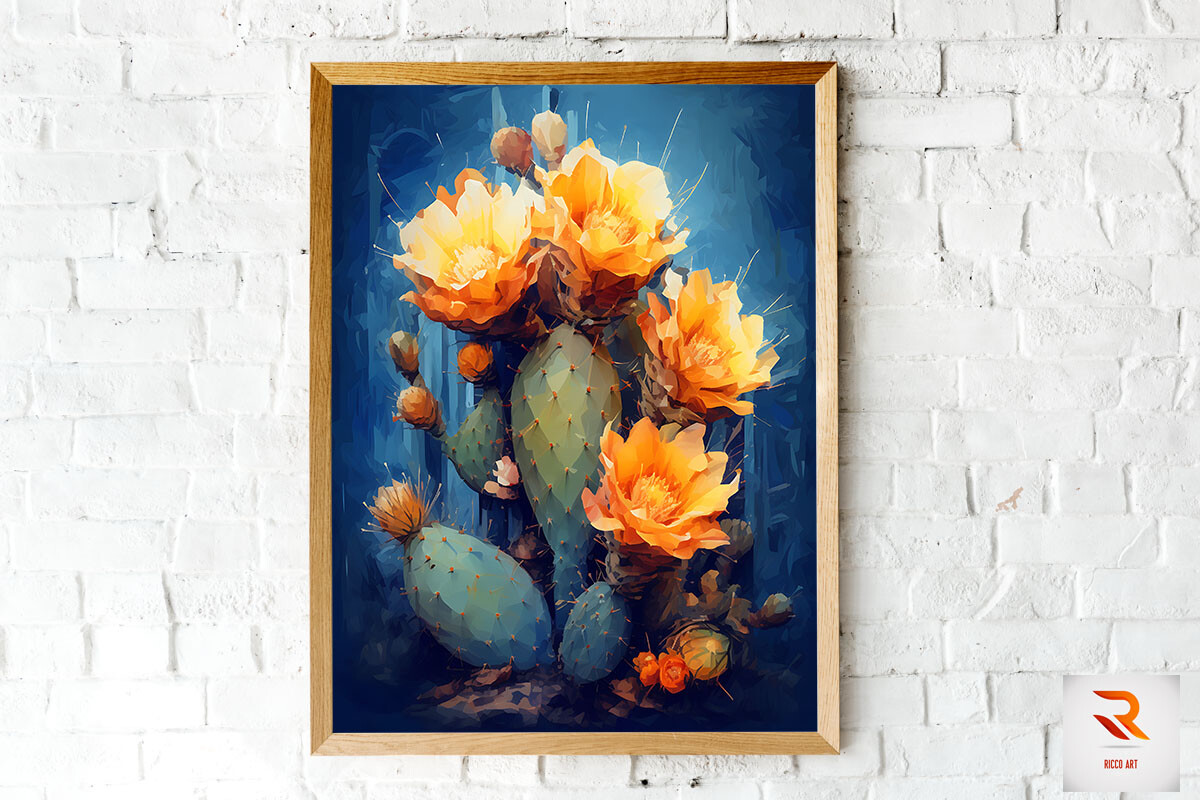
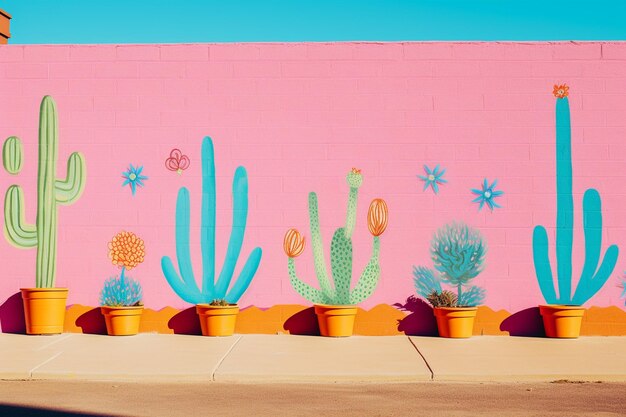
What tools and techniques do these cactus artists employ to transform their prickly muses into digital masterpieces? The answer is as varied as the artists themselves. Some, like Spine & Shadow, favor minimalist compositions, using natural light to cast dramatic shadows that accentuate the cactus’s architectural lines. Others, like Bloom & Barbs, embrace a more maximalist approach, layering textures and colors to create images that feel like living paintings. Still others, such as Cactus Chroma, experiment with color grading, infusing their images with hues that range from the muted ochres of the desert to the electric pinks and purples of a neon-lit oasis.
One trend that has gained traction is the use of macro photography to capture the intricate details of cactus spines, flowers, and buds. The result is a mesmerizing exploration of texture, where a single spine becomes a work of art in its own right. Another popular technique is the double exposure, where a cactus’s silhouette is overlaid with abstract patterns or celestial imagery, creating a surreal fusion of the organic and the cosmic. These methods not only showcase the artist’s technical skill but also invite viewers to see the cactus in a new light—literally and figuratively.
The Community of Cactus Enthusiasts: A Digital Oasis
What truly sets the cactus art community apart is its sense of camaraderie. Unlike other niche art movements that can feel insular or competitive, the cactus art world thrives on collaboration and shared passion. Artists frequently cross-pollinate ideas, hosting joint exhibitions, sharing tips on cultivation and photography, and even trading cuttings of rare species. Platforms like Instagram have become digital oases, where enthusiasts from around the world can connect, learn, and draw inspiration from one another. It’s a testament to the cactus’s ability to bring people together, transcending geographical boundaries and cultural differences.
This community also serves as a support system for artists navigating the challenges of creative work. Many cactus artists are self-taught, their skills honed through trial and error and a relentless curiosity. The feedback and encouragement they receive from their peers—whether through comments, collaborations, or virtual workshops—fuel their creativity and push them to experiment. It’s a reminder that art, at its core, is a collaborative endeavor, even in the digital age.
The Future of Cactus Art: Where Do We Go From Here?
As the cactus art movement continues to grow, so too do the possibilities for innovation. Emerging technologies like augmented reality and AI-generated art are beginning to intersect with this niche, offering new ways to explore the cactus’s visual potential. Imagine pointing your phone at a real cactus and seeing it transform into a digital sculpture, or using an AI tool to generate entirely new species of cacti based on existing patterns. These advancements could take cactus art into uncharted territory, blending the natural and the artificial in ways that challenge our perceptions of both.
Yet, for all its potential, the future of cactus art must also grapple with ethical considerations. As the demand for rare and exotic cacti grows, so too does the risk of overharvesting and habitat destruction. Many artists are already taking steps to promote sustainable practices, whether by growing their own cacti, sourcing from ethical nurseries, or using artificial plants in their work. This commitment to responsibility ensures that the cactus art movement remains not just visually stunning, but also ecologically mindful.
The cactus artist’s journey is far from over. It is a path paved with spines and petals, a testament to the beauty that can emerge from the most unlikely of places. As we scroll through our feeds, let us not just admire these images for their aesthetic appeal, but also reflect on the deeper stories they tell—stories of resilience, adaptation, and the quiet power of nature’s most unassuming creations.
FAQ
What is cactus art on Instagram?
Cactus art on Instagram is a niche artistic movement where creators use photography, digital art, and traditional art forms to depict cacti, emphasizing their unique beauty and symbolism.
Why do artists choose cacti as their subject?
Artists are drawn to cacti for their paradoxical nature—combining fragility and strength—and the rich symbolism of endurance and survival they represent.
How do cactus artists create their work?
They employ various techniques such as macro photography, digital manipulation, color grading, and creative compositions that highlight the cactus's textures and forms.
What role does the cactus art community play?
The community provides support, idea exchange, collaboration opportunities, and educational resources, helping artists grow and experiment.
How does cactus art relate to environmental themes?
Cactus art often symbolizes resilience in harsh conditions and raises awareness about climate change and ecosystem preservation.

Leave a Reply