
Short Answer
In the arid embrace of sun-scorched landscapes, where most flora withers under relentless heat, cacti stand as silent sentinels of resilience. Their stoic endurance—thriving where others perish—has captivated humanity for centuries. Yet beyond their prickly exteriors lies a world of opportunity for the enterprising soul. Starting a cactus business isn’t merely about cultivating succulents; it’s about tapping into a global fascination with these desert jewels, where each spine and shadow tells a story of survival, beauty, and profit. Whether you’re drawn by their architectural grandeur, their low-maintenance allure, or the booming market for rare species, this step-by-step guide will illuminate the path to turning your cactus dreams into a flourishing enterprise.
The Allure of Cacti: Why This Business Captivates Hearts and Wallets
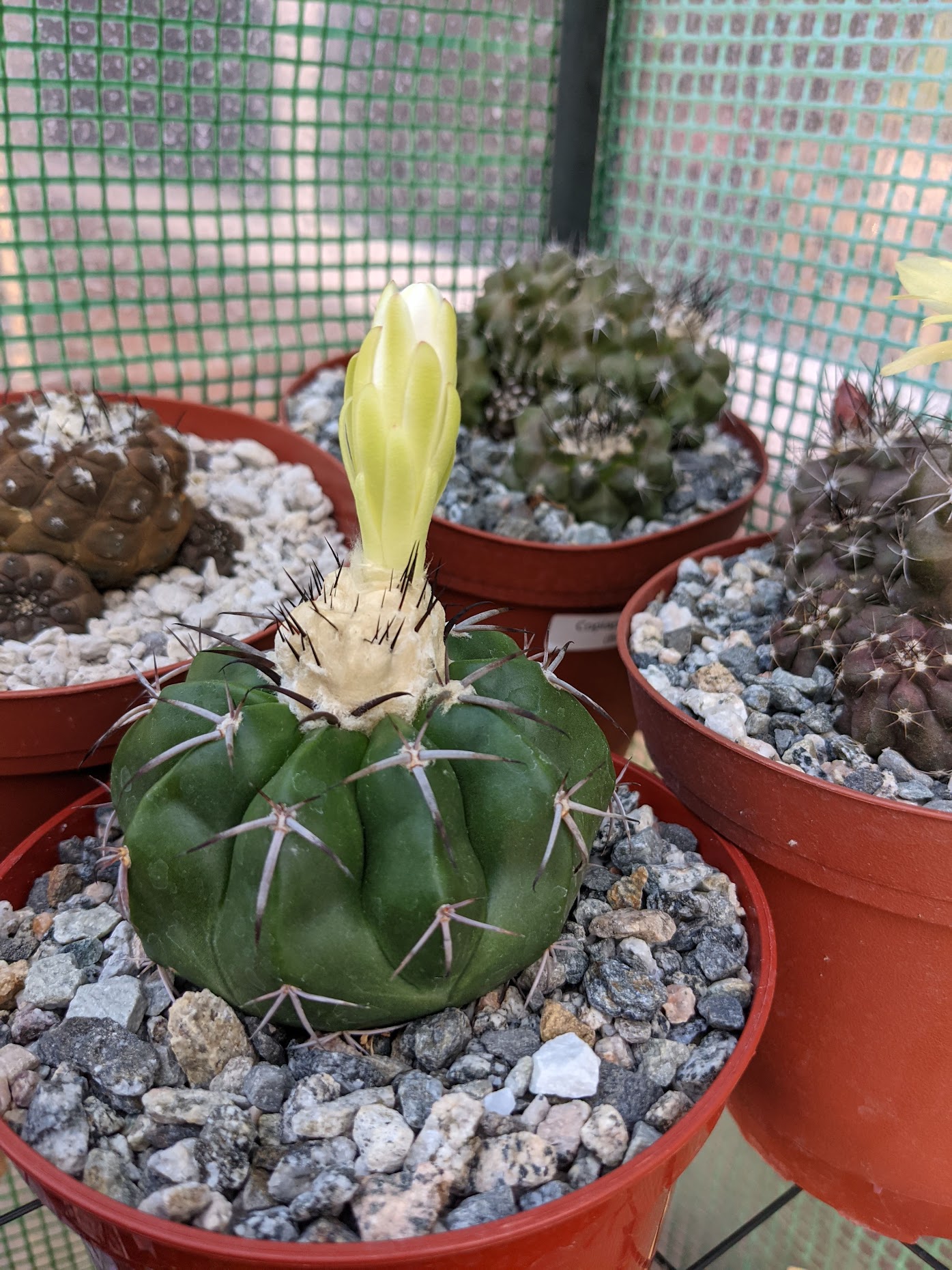
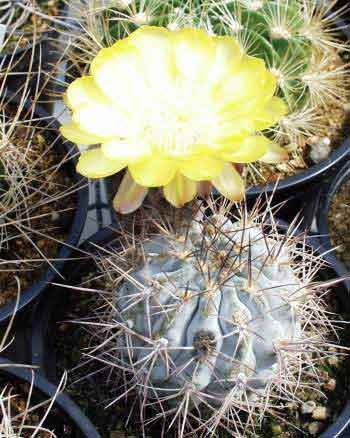
Cacti are more than plants—they are living sculptures, each variety a masterpiece of evolutionary ingenuity. Their geometric forms, from the towering saguaro to the diminutive moon cactus, defy conventional botanical norms, offering a stark contrast to the soft curves of traditional houseplants. This uniqueness fuels a growing demand among urban gardeners, interior designers, and collectors who crave the unconventional. The cactus market thrives on scarcity; rare species like the *Turbinicarpus* or *Mammillaria* can fetch hundreds—even thousands—of dollars among enthusiasts. But the fascination runs deeper. In an era of climate anxiety, cacti symbolize sustainability, requiring minimal water and care, aligning perfectly with eco-conscious trends. By entering this business, you’re not just selling plants; you’re selling a lifestyle, a statement of resilience in a fragile world.

Market Research: Identifying Your Niche in a Prickly Landscape
Before you sink your hands into soil, you must map the terrain of your target audience. The cactus market is a mosaic of niches, each with its own demands and price points. Are you drawn to the mass-market appeal of hardy, beginner-friendly species like *Echeveria* or *Haworthia*, or do you envision a boutique operation specializing in exotic, hard-to-find varieties? Consider the booming trend of “desert minimalism,” where interior designers pair cacti with sleek, modern decor, or the rise of “plant parents” who treat their collections like cherished pets. Online platforms like Etsy, Instagram, and specialized forums (e.g., *CactiGuide* or *Succulent City*) are goldmines for gauging trends. Tools like Google Trends can reveal seasonal spikes in searches for terms like “rare cactus” or “low-maintenance succulents.” Don’t overlook local angles: farmers’ markets, plant swaps, and collaborations with nurseries can carve out a loyal customer base before you even launch.
Legal and Logistical Groundwork: Navigating the Thorny Path to Compliance
Starting a cactus business isn’t just about green thumbs—it’s about navigating a labyrinth of regulations, both local and international. The first hurdle is often the most overlooked: permits. Many regions classify cacti as protected species under wildlife conservation laws, especially rare or endangered varieties. For instance, the *CITES* (Convention on International Trade in Endangered Species) regulates the trade of certain cacti, requiring permits for export/import. Even within the U.S., states like California and Arizona have strict rules on harvesting wild cacti. Next, consider your business structure. Will you operate as a sole proprietorship, LLC, or corporation? Each has implications for taxes, liability, and scalability. Zoning laws may restrict where you can grow or sell your plants—check with your local municipality to avoid costly fines. Finally, don’t forget the practicalities: securing a greenhouse or indoor growing space with adequate ventilation, humidity control, and pest management systems. A well-documented logbook of your plants’ origins and care routines will not only keep you compliant but also build trust with customers.
Sourcing Your Spines: Where to Find Quality Cacti and Supplies
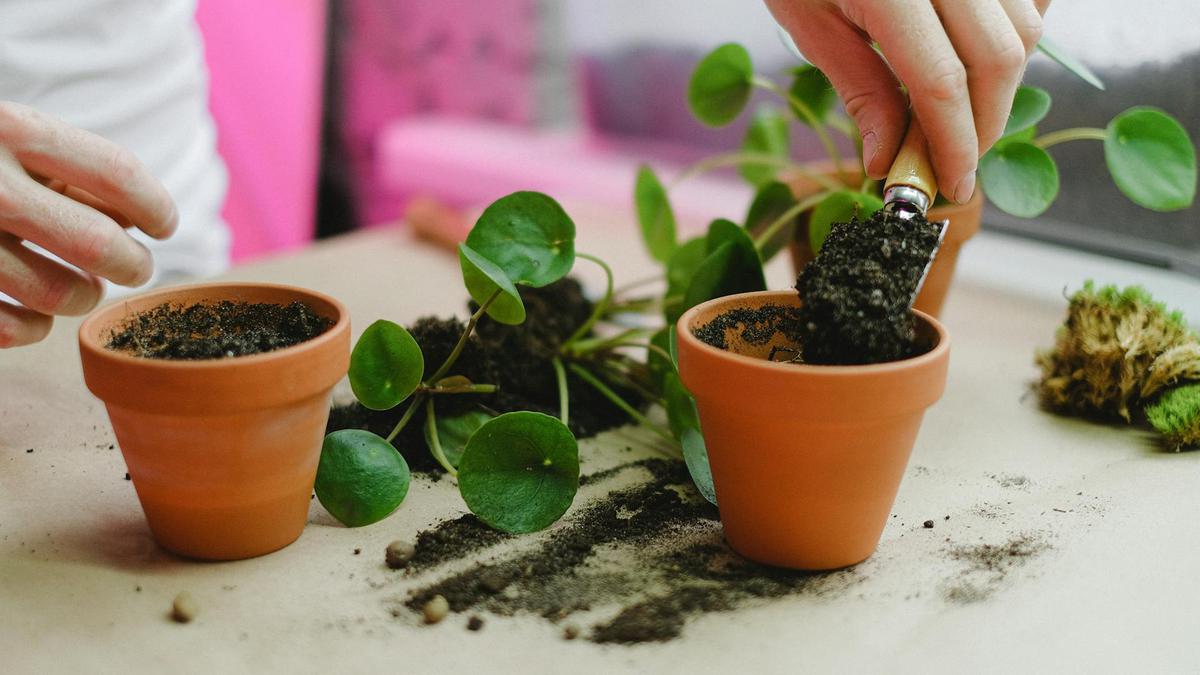
The foundation of your business lies in the quality of your stock. Sourcing cacti ethically and sustainably is non-negotiable—customers are increasingly savvy about the environmental and ethical implications of their purchases. Start with reputable growers who specialize in tissue culture or seed-grown plants, which reduce the risk of disease and genetic uniformity. Local nurseries, botanical gardens, or university greenhouses often sell cuttings or offsets at reasonable prices. For rare species, online marketplaces like *Planet Desert* or *Mountain Crest Gardens* offer a curated selection, though prices can be steep. When purchasing soil, opt for a well-draining mix designed for succulents, often a blend of perlite, pumice, and coconut coir. Pots matter too—terracotta’s breathability is ideal for cacti, while decorative ceramic or concrete planters can elevate your branding. Don’t skimp on tools: a long-handled dibber for planting, tweezers for handling tiny seeds, and a magnifying glass for inspecting pests will save you headaches down the line.

Cultivation Mastery: The Art and Science of Growing Thriving Cacti
Cacti are the ultimate low-maintenance high-reward plants, but mastering their care requires a blend of artistry and science. Light is the cornerstone of their vitality. Most species crave bright, indirect sunlight—think of the dappled shade under a desert canopy. South-facing windows or grow lights (LED or fluorescent) are ideal for indoor setups. Watering, however, is where many novice growers stumble. The golden rule? Less is more. Overwatering is the leading cause of cactus demise, leading to root rot and fungal infections. A good practice is to water only when the soil is completely dry, and even then, sparingly—imagine the arid conditions of their native habitats. Temperature swings can also stress cacti; most prefer a 10–15°F (5–8°C) difference between day and night. Fertilizing is another nuance: a balanced, diluted fertilizer (e.g., 10-10-10) applied monthly during the growing season (spring to early fall) will encourage robust growth without burning the roots. For propagation, offsets (pups) can be gently twisted off and replanted, while seeds require patience and a sterile environment to prevent contamination. Keep a journal to track each species’ idiosyncrasies—your future self will thank you.
Branding and Marketing: Crafting a Story That Sells Thorns and All
In a sea of generic plant shops, your brand is your cactus’s armor and allure. Start with a name that evokes the desert mystique—something like *Spine & Bloom* or *The Prickly Paradise*—and pair it with a logo that subtly incorporates cactus motifs. Your packaging should reflect your brand’s ethos: minimalist kraft paper bags stamped with your logo for eco-conscious customers, or sleek, reusable ceramic pots for the luxury market. Storytelling is your secret weapon. Share the journey of each plant—its species, origin, and care tips—on social media and your website. High-quality photography is non-negotiable; invest in a macro lens to capture the intricate details of spines, blooms, and textures. Leverage platforms like TikTok and Instagram Reels to showcase time-lapse videos of cacti growing or repotting tutorials. Collaborate with influencers in the plant or home decor niches to reach a wider audience. Don’t underestimate the power of word-of-mouth: offer referral discounts or host plant-swap events to foster community. Email newsletters with care tips, seasonal guides, and exclusive previews can turn one-time buyers into lifelong patrons.
Scaling Up: From Hobbyist to Industry Player
Once your business gains traction, the real challenge begins: scaling without sacrificing quality or authenticity. Diversification is key. Consider expanding into complementary products like cactus-themed home decor, books on succulent care, or even workshops teaching others how to cultivate their own desert gardens. Wholesale partnerships with boutique stores or subscription boxes can open new revenue streams. Automation can also streamline operations: invest in self-watering systems, automated misting for greenhouses, or even robotics for repotting. However, beware of over-expansion—maintaining the personal touch that drew customers to you in the first place is crucial. Regularly revisit your business plan, adjusting for market shifts, seasonal demands, and customer feedback. The goal isn’t just growth; it’s sustainable, meaningful expansion that honors the passion that started it all.
Final Thoughts: The Roots of a Lasting Enterprise
Starting a cactus business is a journey that marries patience with passion. It’s about understanding the silent language of spines and the quiet resilience of desert flora. In a world that often feels chaotic, cacti offer a sense of order, a touch of the wild tamed. But beyond the aesthetic appeal lies a thriving market waiting to be nurtured. By combining meticulous care with strategic branding, ethical sourcing, and a deep appreciation for these remarkable plants, you’re not just building a business—you’re cultivating a legacy. So, roll up your sleeves, embrace the thorns, and let your cactus empire take root.
FAQ
What are the best types of cacti to start with for a business?
Begin with hardy, beginner-friendly species like Echeveria or Haworthia to appeal to a broader market.
What legal requirements must I consider when starting a cactus business?
You need to check local and international regulations regarding the trade of cacti, especially protected species.
How do I market my cactus business effectively?
Utilize social media platforms, collaborate with influencers, and focus on branding to create a unique story around your products.

Leave a Reply