
Short Answer
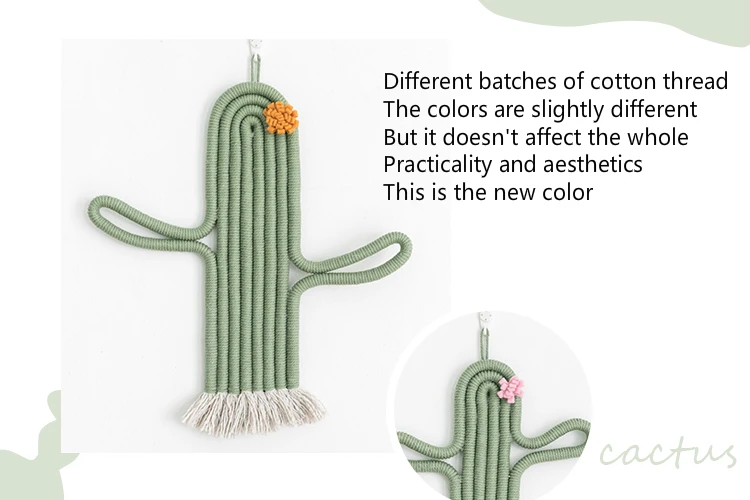
Have you ever wondered how to transform your living space into an enchanting botanical sanctuary without relying on traditional pots and planters? The playful fusion of macrame artistry and resilient cactus plants offers a remarkable answer. Yet, can delicate textile knots truly coexist with the rugged charm of desert flora? Let’s unravel this intricate dance between design and nature—where creativity and practicality fuse into the trendy phenomenon of cactus macrame hanging planters.
The Allure of Macrame in Modern Home Decor
Macrame, once a nostalgic craft from decades past, has surged back into the limelight with an invigorating contemporary twist. Its distinctive interplay of knotted cords and tactile textures adds a layer of warmth and bohemian elegance to any environment. What makes macrame particularly captivating is its ability to transform simple materials like cotton rope into intricate patterns that tell a story—each knot a deliberate stroke of artisanal imagination.
Incorporating macrame into home decor invites an organic sensibility, turning blank walls or bare corners into focal points of natural artistry. The hand-crafted nature of these hanging structures evokes a sense of individuality, contrasting the mass-produced, sterile aesthetics that dominate many indoor spaces. This resurgence is more than a fad; it’s an embrace of mindful crafting and tactile beauty.

Why Cacti? The Perfect Plant Companions for Macrame
Cacti are enigmatic plants: minimalistic yet striking, resilient yet delicate, embodying the paradoxes of desert survival. Their sculptural silhouettes and muted greens bring a distinctive aesthetic that pairs harmoniously with the linear artistry of macrame. Unlike high-maintenance plants, cacti demand little water and minimal intervention, making them ideal for indoor enthusiasts who appreciate greenery but lack a green thumb.
Moreover, the compact growth habits of many cactus species are perfectly suited for hanging planters. These spiky succulents don’t require sprawling roots, allowing them to nestle comfortably within macrame nests. Their unique textures and forms add depth and contrast to the soft fibers, creating a multi-sensory experience that captivates both visually and tactilely.

The Challenge: Balancing Aesthetics and Functionality
Can a macrame hanger truly protect and support a cactus? This question embodies the central challenge of cactus macrame planters. Unlike standard pots with rigid bodies and drainage holes, fabric holders introduce a dynamic tension between form and function. The planter must possess enough structural integrity to cradle heavy soil and water yet remain flexible enough to showcase the artistry of knotting.
One must consider practicalities such as water drainage, weight distribution, and air circulation. Excess moisture can be detrimental, especially for succulents accustomed to arid conditions. Thus, choosing the appropriate macrame cord material—often cotton or hemp that can breathe—is fundamental. Additionally, lining the planter with a small, breathable container or ensuring the knots are tight enough to prevent soil spillage becomes paramount.
Careful planning during design ensures a harmonious equilibrium, where the planter is as durable as it is beautiful. This process transforms the project from mere decoration into a testament of ingenuity, inviting enthusiasts to engage with craftsmanship on an elevated plane.
Design Inspirations for Cactus Macrame Planters
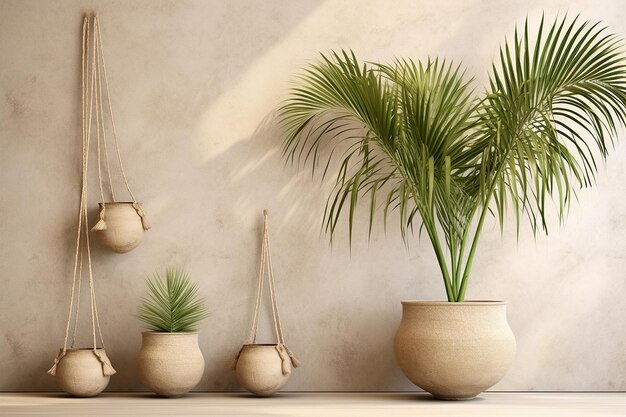
The versatility of macrame allows for a staggering array of designs tailored to suit different tastes and interiors. From minimalist single-cord holders to elaborate layered weavings embellished with beads or dyed threads, each piece is an opportunity to express personal style. The inclusion of natural wood rings or metallic accents can introduce modernity or rustic charm.
In spaces yearning for a burst of greenery without overwhelming bulk, vertical arrangements featuring multiple hanging cacti planters create a lush tapestry suspended in mid-air. Alternatively, compact mini macrame pots act as enchanting desk companions or windowsill exhibitions, marrying function with whimsy. The adaptability of macrame techniques means that planters can be scaled and stylized endlessly, empowering creators to tailor their handiwork to any eclectic aesthetic.

Crafting Your Own Cactus Macrame Planter
Embarking on a DIY cactus macrame project is as rewarding as it is therapeutic. It beckons the novice and seasoned crafter alike to immerse themselves in tactile mindfulness. Starting with selecting durable cord—ideally natural fibers to complement the organic essence of plants—one can experiment with foundational knots such as the square knot, lark’s head, or spiral knot.
The process unfolds as a symphony of tension and release, where every turn of the cord crafts a cradle for life itself. While careful tutorial guidance is invaluable, personal adjustments and improvisations breathe authenticity into each creation. Remember, patience is key; the beauty of the piece often lies in its subtle imperfections.
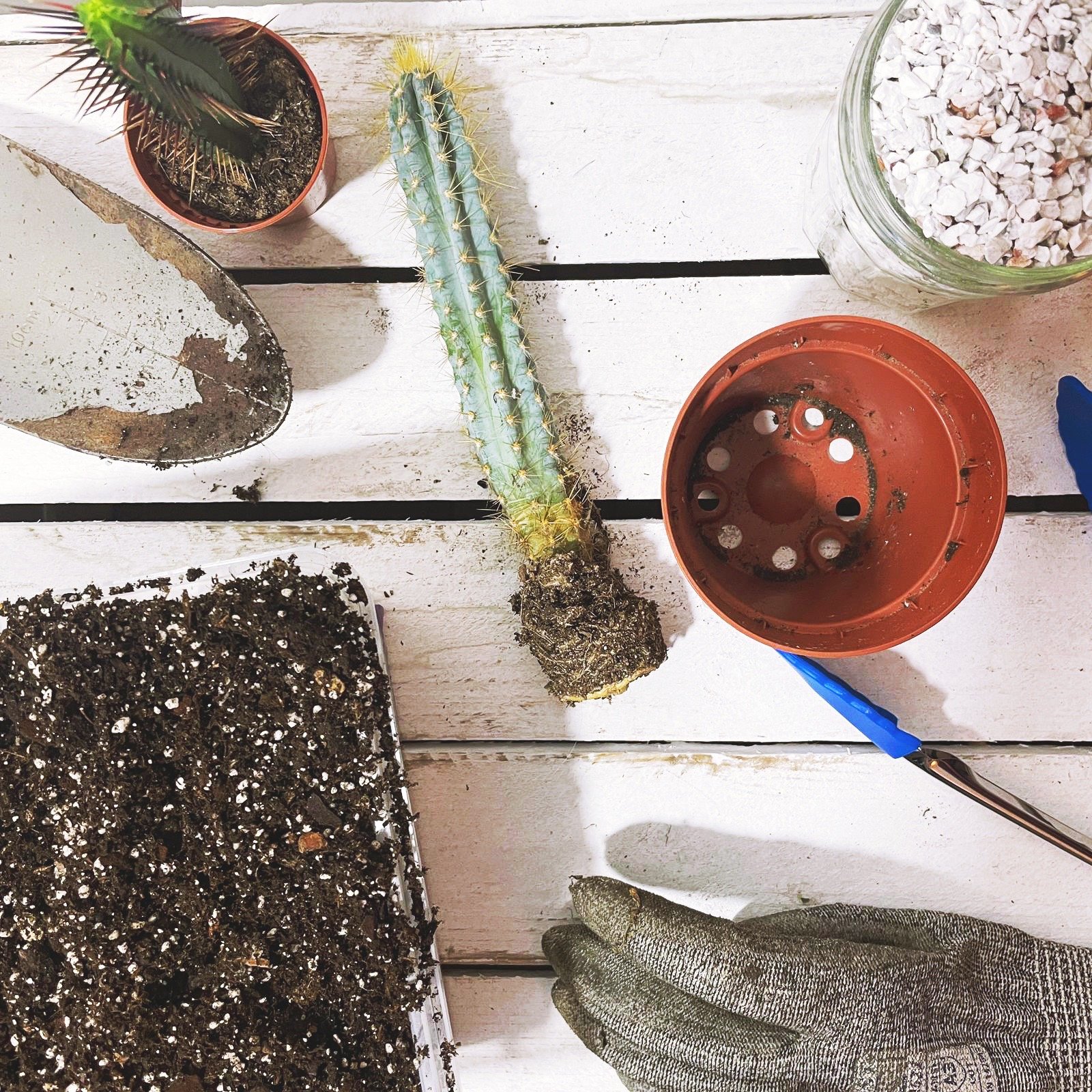
Once assembled, inserting a small pot or wrapping the cactus’s root ball directly in sphagnum moss and soil ensures stability. Regular monitoring of moisture and sunlight helps safeguard the succulent’s health, allowing your macrame planter to thrive as an emblem of creativity and care.
Conclusion: Embracing the Fusion of Nature and Art
Cactus macrame hanging planters exemplify an exquisite synergy where bohemian craft meets desert botanical charm. They challenge us to rethink traditional notions of planters while celebrating handmade artistry and sustainable living. More than decorative objects, they are dynamic dialogues between texture and form, resilience and delicacy.
Whether adorning a sunlit corner or elevating a muted wall, cactus macrame pieces invite curiosity and admiration. They ask us to consider not only how plants grow, but how beauty can thrive in unexpected partnerships. In this playful yet purposeful entanglement of fiber and flora, a new trend blossoms—one that redefines how we nurture both plants and creativity within our homes.
FAQ
What materials are best for making cactus macrame planters?
Natural fibers like cotton or hemp are ideal as they complement the organic essence of plants.
How do I ensure proper drainage in a macrame planter?
Consider using a breathable liner or a small pot within the macrame to manage drainage effectively.
Leave a Reply