

Short Answer
In a world where fast fashion dictates trends at breakneck speed, a quiet revolution is blooming—literally. The slow fashion movement, with its emphasis on ethical production and environmental stewardship, has found an unlikely ally in the most resilient of desert dwellers: the cactus. This unassuming plant, often overlooked in favor of its more glamorous counterparts, is now at the heart of a sustainable style renaissance. But why cacti? What makes them the poster child for a fashion revolution that seeks to heal the planet while adorning our bodies? The answer lies not just in their thorny exterior, but in their extraordinary versatility, minimal resource demands, and the poetic irony of their survival in some of the harshest conditions on Earth.
The Cactus as a Symbol of Resilience and Adaptation
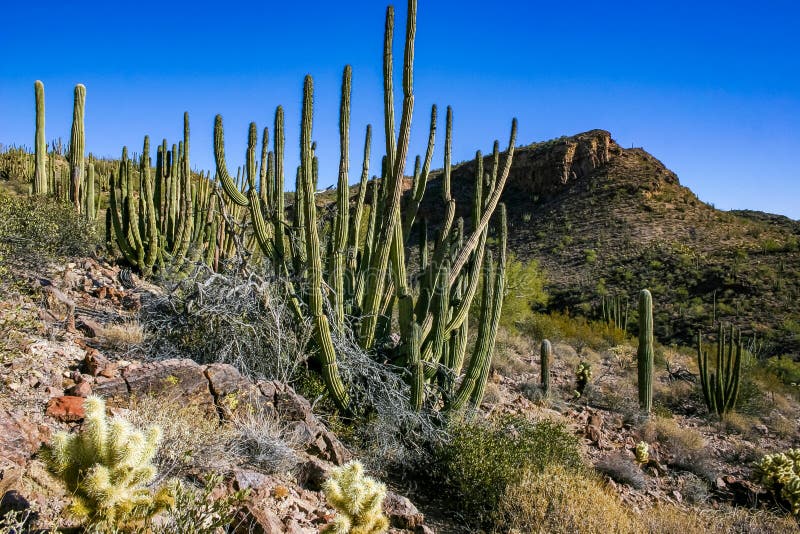
To understand the cactus’s role in slow fashion, one must first appreciate its remarkable adaptability. These plants thrive in arid climates where water is scarce and temperatures fluctuate wildly. Their thick, waxy skins reduce water loss, while their spines—often mistaken for mere ornamentation—serve as a defense mechanism and a microclimate regulator. This resilience is mirrored in the slow fashion ethos, which champions durability over disposability. Just as a cactus stores water for years, slow fashion encourages us to invest in pieces that endure, reducing the cycle of overconsumption that plagues the fashion industry.
The cactus’s ability to flourish in adversity is a metaphor for the slow fashion movement itself. In a culture obsessed with instant gratification, the cactus reminds us that true beauty often lies in patience. It grows slowly, deliberately, and in harmony with its environment. Similarly, slow fashion rejects the frenetic pace of fast fashion, opting instead for mindful consumption and craftsmanship that honors both people and the planet. The cactus, then, is not just a material; it’s a philosophy—a living testament to the idea that sustainability can be both practical and profound.
The Rise of Cactus Leather: A Sustainable Alternative
One of the most exciting developments in slow fashion is the emergence of cactus leather, a plant-based alternative to traditional animal hides and synthetic materials. Derived from the leaves of the nopal cactus, this innovative material is not only cruelty-free but also biodegradable, making it a double win for ethical and environmental advocates. Unlike conventional leather, which requires vast amounts of water, land, and toxic chemicals to produce, cactus leather is cultivated with minimal resources. Its production process is so efficient that it can be grown in areas where agriculture is otherwise impossible, further reducing its ecological footprint.
What sets cactus leather apart is its versatility. It can be dyed, embossed, and treated to mimic the texture and appearance of traditional leather, making it a viable option for everything from handbags to footwear. Designers are increasingly turning to this material as a way to align their collections with sustainable values without sacrificing style or quality. The irony is delicious: a plant that thrives in the harshest conditions is now being harnessed to create luxury goods that defy the wastefulness of the fashion industry. It’s a reminder that sustainability doesn’t have to mean sacrificing beauty or sophistication—it can be the very foundation of innovation.
The Aesthetic of Thorns: Embracing the Unconventional
Slow fashion has long celebrated the unconventional, and the cactus embodies this spirit with its striking, often intimidating appearance. The thorns that deter predators are now being reimagined as a design element, adding texture and intrigue to garments and accessories. Designers are incorporating cactus-inspired motifs into their collections, from embroidered patterns to three-dimensional embellishments. This aesthetic shift reflects a broader cultural movement toward embracing the raw and the real, rejecting the sanitized perfection of mass-produced fashion in favor of something more authentic and alive.
The cactus’s aesthetic appeal extends beyond its physical form. Its symbolic associations—resilience, protection, and self-sufficiency—resonate deeply in a world grappling with climate change and social inequality. By integrating cactus imagery and materials into fashion, designers are not just making a statement about style; they’re making a statement about values. They’re inviting wearers to see beauty in the unconventional, to find strength in adversity, and to recognize that sustainability can be as bold and dynamic as it is necessary.
The Environmental Impact: A Greener Future for Fashion
The fashion industry is one of the largest polluters in the world, responsible for 10% of global carbon emissions and 20% of wastewater. Traditional materials like cotton and polyester are resource-intensive, requiring vast amounts of water, pesticides, and energy to produce. In contrast, cactus-based materials offer a sustainable alternative that minimizes environmental harm. The nopal cactus, for instance, requires no irrigation, grows rapidly, and can be harvested without killing the plant, making it a renewable resource. Additionally, the production of cactus leather generates significantly fewer greenhouse gases and toxic byproducts than conventional leather or synthetic fabrics.
But the benefits of cactus in fashion go beyond material innovation. The slow fashion movement, of which cactus-based materials are a part, challenges the entire lifecycle of clothing. It encourages consumers to buy less, choose well, and make items last. This shift in mindset is crucial for reducing the fashion industry’s environmental impact. By adopting cactus leather and other plant-based materials, designers and consumers alike are taking a stand against the wastefulness of fast fashion, opting instead for a model that prioritizes longevity, ethics, and ecological harmony. It’s a small but significant step toward a more sustainable future.
The Cultural Significance: From Desert to Runway
The cactus has long held cultural significance in regions where it thrives, from the indigenous communities of the Americas to the arid landscapes of North Africa. In many cultures, the cactus is a symbol of endurance, healing, and even magic. Its integration into fashion is not just a technical innovation; it’s a cultural exchange, a way of honoring the traditions and knowledge of the communities that have lived alongside these plants for centuries. By incorporating cactus materials into their designs, fashion houses are paying homage to this rich heritage while also forging a new path forward.
This cultural resonance adds depth to the slow fashion movement. It’s not just about saving the planet; it’s about preserving and celebrating the wisdom of indigenous peoples, whose sustainable practices have been honed over generations. The cactus, then, becomes a bridge between past and future, a living link between ancient traditions and modern innovation. It’s a reminder that sustainability is not a new concept—it’s a return to the way things have always been done, albeit with a contemporary twist.
The Future of Cactus in Fashion: Innovation and Inspiration
As the slow fashion movement gains momentum, the potential for cactus-based materials in the industry is virtually limitless. Researchers are already exploring ways to expand the use of cactus fibers in textiles, from clothing to home decor. Innovations in biofabrication and 3D printing could further revolutionize the way we think about fashion, making it possible to create custom, sustainable pieces on demand. The cactus, with its adaptability and resilience, is poised to play a central role in this transformation.
But the future of cactus in fashion is not just about technology—it’s about mindset. It’s about a collective shift in how we view our relationship with clothing and the natural world. The cactus teaches us that sustainability is not a sacrifice; it’s an opportunity to create something beautiful, meaningful, and enduring. It challenges us to rethink our priorities, to value quality over quantity, and to see the world through a lens of interconnectedness. In this sense, the cactus is more than a material—it’s a catalyst for change, a symbol of hope in a world that desperately needs it.
The slow fashion movement is not just a trend; it’s a revolution. And at its heart is the cactus—a humble plant that has quietly been teaching us the art of survival for millennia. As we adorn ourselves in its fibers and embrace its ethos, we are not just changing the way we dress. We are changing the way we live.
FAQ
What is cactus leather?
Cactus leather is a plant-based alternative to traditional leather made from the leaves of the nopal cactus, known for its sustainability and minimal resource requirements.
How does the cactus relate to the slow fashion movement?
The cactus symbolizes resilience and sustainability, aligning with the slow fashion ethos that promotes durability and mindful consumption.

Leave a Reply