
Short Answer
In the arid landscapes where sunlight bakes the earth and rain is a distant memory, nature has crafted a paradox: a plant that thrives on scarcity yet offers unparalleled abundance. The cactus, often dismissed as a prickly oddity, is a botanical marvel—a succulent that stores water in its fleshy pads with the tenacity of a desert nomad. But beyond its resilience, the cactus harbors a secret that has captivated cultures for centuries: its water, when extracted and infused, becomes a elixir of hydration and flavor, a liquid paradox that quenches thirst while tantalizing the palate. This is the story of cactus-infused water, a beverage that marries the raw vitality of the desert with the refined elegance of modern wellness.
The Desert’s Gift: Why Cactus Water Stands Apart
Most hydration solutions rely on artificial electrolytes or synthetic flavors, but cactus water is a living infusion—a direct extraction from the plant’s own reserves. Unlike coconut water, which is harvested from young green coconuts, or aloe vera juice, which requires processing to remove latex, cactus water is pressed from the pads of the prickly pear (*Opuntia* spp.), a process that preserves its natural enzymes and minerals. The result is a clear, slightly viscous liquid with a subtly sweet, melon-like undertone and a mineral-rich profile that includes magnesium, calcium, and potassium.
What makes cactus water truly extraordinary is its osmotic efficiency. The cactus has evolved to absorb and retain water in extreme conditions, and this same mechanism ensures that its extracted water is rapidly absorbed by the human body. Studies suggest that the plant’s mucilage—a polysaccharide-rich gel—enhances hydration by slowing the release of water into the bloodstream, preventing the spikes and crashes associated with sugary sports drinks. For athletes, travelers, or anyone seeking sustained energy, this makes cactus water a superior alternative to conventional hydration aids.
A Flavor Profile Unlike Any Other
To describe cactus water as merely “refreshing” would be an understatement. Its flavor is a symphony of contrasts: the initial crispness of a cool spring, followed by a faintly floral aroma reminiscent of cucumber and honeydew. Unlike the cloying sweetness of many fruit-infused waters, cactus water’s sweetness is nuanced, almost mineral-like, with a hint of tartness that lingers like the aftertaste of a desert breeze. When chilled, it develops a silky texture that coats the tongue, making it an ideal base for cocktails or a standalone sip on a sweltering afternoon.
Food scientists have noted that cactus water’s unique flavor profile is due to its high concentration of betalains—pigments found in the cactus’s vibrant flowers and pads. These compounds not only give the water its pale pink hue but also contribute to its subtle earthiness. Pair it with citrus, mint, or even a dash of ginger, and you unlock a flavor experience that feels both ancient and avant-garde. It’s no wonder that mixologists are increasingly turning to cactus water as a mixer for tequila-based drinks or a refreshing twist on a classic gin fizz.
The Science Behind the Sip: Hydration Reimagined
While hydration is often reduced to a simple equation of water intake, the reality is far more complex. Dehydration isn’t just about losing fluids—it’s about disrupting the delicate balance of electrolytes that govern cellular function. Traditional sports drinks, laden with sugar and artificial dyes, can exacerbate this imbalance, leading to bloating or energy slumps. Cactus water, by contrast, offers a balanced electrolyte profile without the drawbacks. Its potassium-to-sodium ratio is nearly ideal, supporting muscle function and nerve transmission without overloading the system.
Research into cactus water’s benefits is still emerging, but preliminary findings are promising. A 2022 study published in the *Journal of Medicinal Food* found that subjects who consumed cactus water after exercise experienced reduced muscle soreness and faster recovery times compared to those who drank plain water. Another study highlighted its potential to regulate blood sugar levels, thanks to the fiber-like compounds in the mucilage. For those with sensitive stomachs or digestive issues, cactus water’s prebiotic properties may also promote gut health by nourishing beneficial bacteria.
From Ancient Remedy to Modern Elixir
The use of cactus water dates back millennia, woven into the fabric of indigenous cultures across the Americas. The Aztecs revered the prickly pear as a symbol of fertility and endurance, using its pads in poultices and its water as a ceremonial drink. In Mexico, *agua de tuna*—a traditional cactus water infused with lime and sugar—has been a staple for generations, prized for its cooling properties in the face of scorching temperatures. Even the Spanish conquistadors, upon encountering the cactus, documented its medicinal uses in their chronicles, noting its ability to soothe burns and alleviate digestive distress.
Today, cactus water has shed its folkloric associations to become a global phenomenon. Brands are now bottling it in sleek, minimalist packaging, targeting health-conscious consumers who crave transparency in their ingredients. The rise of cactus water mirrors the broader shift toward plant-based functional beverages, where efficacy and sustainability go hand in hand. Unlike almond or oat milk, which require vast amounts of water to produce, cactus water is a low-impact crop, thriving in regions with minimal rainfall. Its cultivation even helps combat desertification, as the cactus’s deep roots prevent soil erosion and its shade supports biodiversity.
Incorporating Cactus Water into Daily Rituals
For those eager to explore cactus water beyond the bottle, the possibilities are endless. Start your day with a glass of chilled cactus water infused with a squeeze of lime and a sprig of rosemary—its bright acidity awakens the senses without the jolt of caffeine. Blend it into smoothies with frozen mango and chia seeds for a hydrating post-workout recovery drink. Or, for a sophisticated twist, infuse it with fresh basil and a touch of agave, then freeze it into ice cubes for a cocktail that’s as visually stunning as it is refreshing.
In the kitchen, cactus water can replace plain water in recipes calling for poaching fruit or steaming vegetables, lending a subtle sweetness to dishes like poached pears or steamed bok choy. Its neutral yet distinctive flavor also makes it an excellent base for homemade popsicles, especially when paired with tropical fruits like pineapple or passionfruit. For the adventurous, try reducing cactus water into a syrup to drizzle over pancakes or swirl into yogurt for a probiotic-rich breakfast.
The Future of Hydration: Why Cactus Water Matters
As climate change intensifies and water scarcity becomes a global concern, the cactus may well emerge as a symbol of resilience—not just for the plants themselves, but for the humans who depend on them. Cactus water represents a fusion of tradition and innovation, a reminder that the solutions to modern problems often lie in the wisdom of the past. Its rise in popularity isn’t just a trend; it’s a quiet revolution in how we think about hydration, flavor, and sustainability.
Yet, for all its benefits, cactus water remains a niche product, often overshadowed by more mainstream alternatives. This is where consumer education becomes crucial. By understanding the unique properties of cactus water—its electrolyte balance, its flavor complexity, its environmental advantages—we can make more informed choices about what we drink. In a world where hydration is often reduced to a transactional act, cactus water invites us to slow down, savor, and reconnect with the natural world.
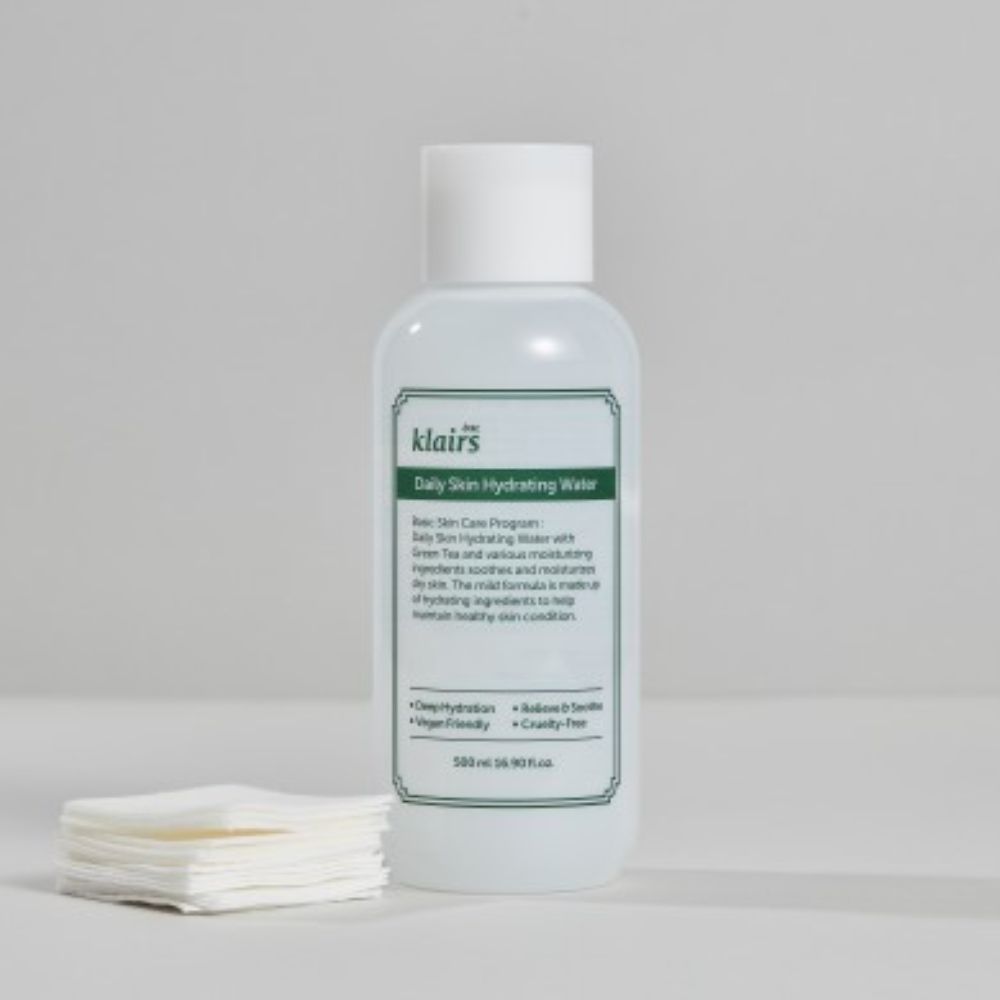
The next time you reach for a sports drink or a flavored seltzer, consider the cactus—a plant that has survived the harshest conditions to offer a gift that’s as nourishing as it is delicious. In every sip, you’re not just hydrating; you’re partaking in a legacy that spans continents and centuries. And perhaps, in that moment, you’ll understand why something so simple can feel so extraordinary.
FAQ
What is cactus-infused water?
Cactus-infused water is a beverage made by extracting water from the pads of the prickly pear cactus, known for its hydrating properties and unique flavor.
What are the health benefits of cactus water?
Cactus water is rich in electrolytes, aids hydration, supports muscle function, and may help regulate blood sugar levels.
How can I incorporate cactus water into my diet?
Cactus water can be enjoyed on its own, used in smoothies, cocktails, or as a base for cooking.

Leave a Reply