
Short Answer
The enigmatic Sclerocactus, often revered for its resilient nature and captivating form, invites enthusiasts to reconsider conventional cultivation methods. Traditionally thriving in arid, rugged terrains, these remarkable cacti are increasingly finding a second home in the controlled sanctuary of greenhouses. This shift not only promises enhanced growth potential but also unfolds an intriguing narrative about adaptability, innovation, and the subtle art of mimicking nature’s most unforgiving climates.
The Allure of Growing Sclerocactus in Greenhouses
Daring to grow Sclerocactus within greenhouse confines unveils an exciting paradox: replicating desert austerity amid lush greenery and regulated humidity. This approach challenges traditional horticultural practices, offering a sanctuary that tempers the raw extremities of the wild. Greenhouses provide a stage where microclimates are meticulously crafted, enabling this seemingly paradoxical cultivation to flourish. The promise of greenhouse growth lies not merely in sheltering the plant but in sculpting an environment that coaxes out the best in Sclerocactus, revealing subtleties in growth patterns and flowering rarely observed in the wild.

Optimizing Light: Mimicking the Desert Sun
Light, the quintessential element for photosynthesis, plays a uniquely pivotal role in the successful greenhouse cultivation of Sclerocactus. These cacti are attuned to intense, unfiltered sunlight. Replicating this illumination requires more than merely abundant light; it demands a nuanced balance of intensity and duration. Greenhouses equipped with transparent, UV-permeable panels create a near-perfect simulation of the caustic desert sun while shielding young sprouts from potentially damaging overexposure. Supplementary lighting during less sunny months can emulate the natural photoperiods critical to triggering growth phases and blooming cycles, coaxing the plant through its seasonal rhythms.
Temperature Regulation: The Thermal Ballet
Temperature is the heartbeat of a thriving Sclerocactus greenhouse. These cacti flourish when exposed to the stark fluctuations typical of their native desert locale—hot days rapidly giving way to cool nights. Greenhouse systems must thus perform a delicate thermal ballet, achieving high diurnal temperature swings that encourage robust cellular activity and metabolic balance. Advanced climate control technology enables heating during frigid nights and ventilation during scorching midday peaks, sustaining an equilibrium that mirrors the natural habitat. This careful orchestration safeguards against thermal stress, fortifies resilience, and amplifies growth vigor.
Substrate Selection: The Foundation Beneath
Root health underpins every facet of cactus vitality, putting substrate composition at the forefront of greenhouse success. Sclerocactus demand a sharply draining medium that replicates the gritty, mineral-rich desert soils. Incorporating coarse sand, pumice, and finely crushed gravel fosters aeration and prevents water retention, which can be fatal. The substrate should also possess a modest nutrient profile, favoring sparse fertility to simulate the nutrient-poor substrates these cacti have adapted to exploit. Mindful substrate selection thus forms the quiet bedrock upon which the plant’s architectural integrity and drought tolerance stand.
Watering Regimens: The Art of Hydration Discipline
Watering Sclerocactus within the greenhouse transforms into an exercise in precision and patience. Unlike many greenhouse crops that flourish under generous hydration, Sclerocactus are specialists in scarcity. Erratic or excessive watering breeds vulnerability, precipitating root rot and fungal afflictions. The regimen must embrace a rhythmic drought cycle punctuated by brief hydration, encouraging robust root exploration and succulent tissue expansion. Utilizing drip irrigation systems or manual watering techniques ensures that moisture reaches roots without saturating the medium, maintaining an austere yet life-sustaining moisture balance.
Air Circulation and Humidity Control: Breathing Life Into Growth
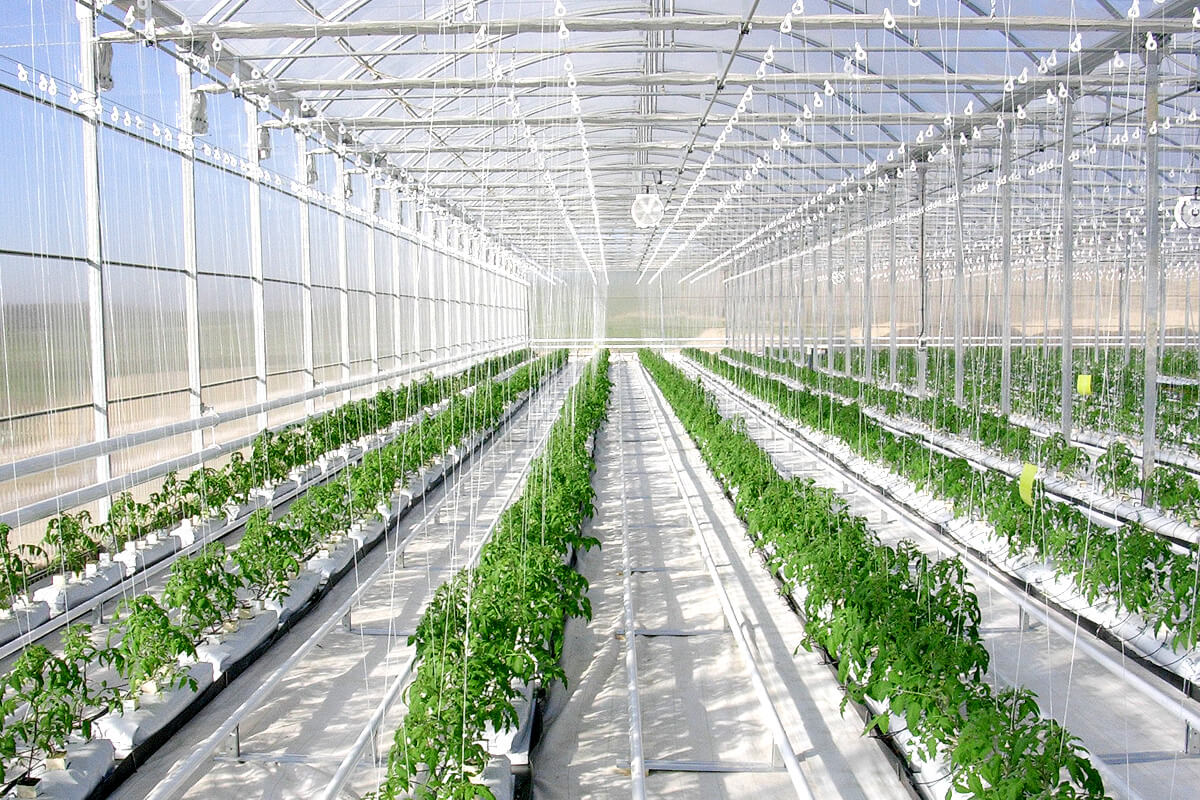
Circulation and humidity within the greenhouse are often overlooked variables that dramatically influence Sclerocactus health. These cacti are evolutionarily attuned to breezy, low-humidity environments. Stagnant air fosters fungal growth and weakens epidermal defenses, making ventilation indispensable. Implementing fans and vents creates a dynamic airflow, preventing moisture accumulation on the skin and fostering transpiration. Meanwhile, maintaining relative humidity at minimal levels averts cloying atmospheres, reflecting the sweeping desert winds that invigorate these resilient plants.
Pest and Disease Management: Preemptive Defense Strategies
While the greenhouse environment offers protection against many external threats, it inadvertently cultivates niches for certain pests and pathogens. Vigilant monitoring and integrated pest management become the backbone of disease prevention. Employing biological controls, such as beneficial predatory insects, alongside organic treatments, mitigates infestations without compromising plant integrity. Sanitation protocols, including sterilizing tools and removing debris, further reduce disease vectors. Through proactive stewardship, the greenhouse becomes a fortress of health rather than a hotbed of vulnerability.
Encouraging Flowering and Propagation: Unlocking Reproductive Potential
Beyond sustenance and survival, successful greenhouse cultivation of Sclerocactus holds the tantalizing promise of flowering and seed production—an arena where natural beauty meets biological intrigue. Controlled climate conditions can stimulate more consistent and pronounced blooming first glimpsed in their native habitats. Modulating daylength alongside temperature fluctuations acts as a catalyst for floral development. Furthermore, vegetative propagation techniques such as grafting can be optimized within greenhouses, expediting growth and conserving rare genetic lines. This confluence of horticultural mastery enriches both aesthetic appreciation and conservation initiatives.
Conclusion: A New Paradigm in Sclerocactus Cultivation
The greenhouse revolution in cultivating Sclerocactus offers far more than mere survival; it beckons a renaissance in understanding and celebrating desert flora. By harnessing technology to recreate the stark beauty and challenge of arid ecosystems, growers unlock untapped potentials—vivid growth, increased resilience, and spectacular flowering. This method transcends horticulture and becomes a dialogue with nature itself, reshaping how these fascinating cacti are perceived and nurtured. Cultivating Sclerocactus in greenhouses is not simply a practice; it is an invitation to witness resilience reborn under glass.
FAQ
What are the ideal light conditions for Sclerocactus?
Sclerocactus thrive under intense, unfiltered sunlight, requiring a balance of light intensity and duration to mimic their natural desert habitat.
How should I water Sclerocactus in a greenhouse?
Watering should be minimal and erratic, embracing a drought cycle that encourages robust root growth while preventing root rot.
What temperature ranges are best for Sclerocactus cultivation?
Sclerocactus prefer high daytime temperatures followed by cooler nights, mimicking natural desert conditions.
Leave a Reply