
Short Answer
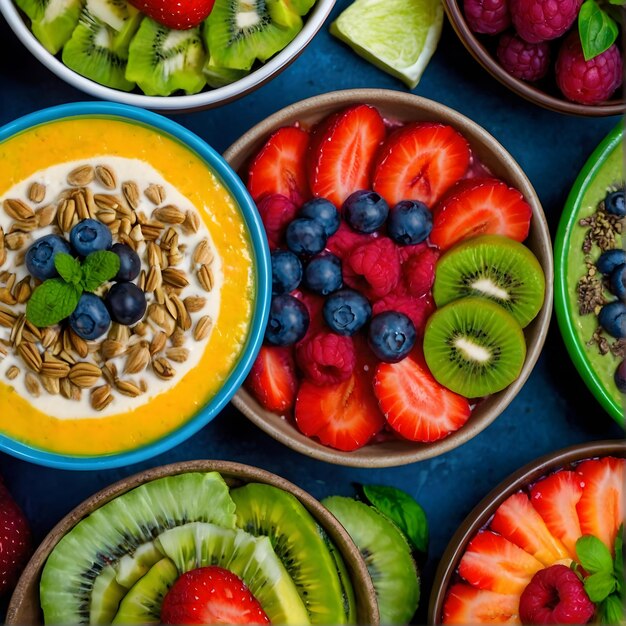
There’s something almost magical about the first spoonful of a smoothie bowl—its vibrant hues, the playful contrast of textures, the way it dances between indulgence and nourishment. Yet, as we’ve grown accustomed to the familiar parade of berries and tropical fruits, a new contender has begun to steal the spotlight: the humble cactus. Not the spiky desert sentinel we associate with arid landscapes, but its edible cousin, the prickly pear, whose pads and fruit are brimming with nutrients and a subtle, earthy sweetness. Incorporating cactus into smoothie bowls isn’t just a trend; it’s a culinary revelation, one that marries ancient wisdom with modern wellness. Let’s explore why this desert gem deserves a permanent place in your breakfast bowl.
The Allure of the Prickly Pear: A Nutrient-Dense Powerhouse
The prickly pear cactus, or *Opuntia*, has thrived in harsh conditions for millennia, developing a resilience that translates into an impressive nutritional profile. Its pads, known as nopales, are rich in dietary fiber, vitamin C, and magnesium, while the fruit—often called tuna—packs antioxidants like betalains, which give it that signature magenta glow. When blended into a smoothie bowl, cactus introduces a mild, slightly tangy flavor that cuts through the sweetness of other ingredients, creating a balanced symphony of tastes. But its benefits extend beyond flavor. The high water content in nopales (up to 90%) makes them incredibly hydrating, while their soluble fiber supports gut health, aiding digestion and promoting a feeling of fullness. For those seeking to reduce their sugar intake without sacrificing satisfaction, cactus is a game-changer.
Color Me Radiant: The Visual Feast of Cactus Smoothie Bowls
Humans are wired to respond to color—it’s an instinctive cue for freshness and vitality. A smoothie bowl’s visual appeal isn’t just about Instagram-worthy aesthetics; it’s a silent promise of nutritional density. Enter the cactus, with its jewel-toned fruit and the emerald green of its pads, offering a palette that ranges from sunset oranges to deep purples. When layered with ingredients like dragon fruit, spirulina, or golden turmeric, the result is a bowl that’s as much a feast for the eyes as it is for the palate. The contrast between the cactus’s vibrant hues and creamy bases (think coconut yogurt or almond milk) creates a striking visual that elevates the eating experience. It’s no wonder these bowls are often described as “edible art”—each spoonful is a brushstroke of nature’s brilliance.
Beyond the Ordinary: Flavor Profiles That Surprise and Delight
If you’ve ever bitten into a fresh prickly pear, you know it’s a study in contrasts: sweet with a hint of tartness, reminiscent of watermelon and bubblegum with a faint earthiness. This complexity makes cactus an ideal ingredient for smoothie bowls, where it can play a starring or supporting role. Pair it with tropical fruits like mango or pineapple for a sun-kissed twist, or blend it with citrus and ginger for a zesty kick. For a creamy, indulgent bowl, mix cactus with frozen bananas and a splash of coconut cream. The key is balance—cactus’s subtle flavors allow other ingredients to shine while adding depth. It’s a culinary chameleon, adapting to both bold and delicate flavor profiles with ease.
The Desert’s Gift: Sustainability and Seasonal Elegance
In an era where food miles and carbon footprints are top of mind, the cactus stands out as a paragon of sustainability. Thriving in arid climates with minimal water, it requires no irrigation, making it a low-impact crop compared to thirsty fruits like avocados or almonds. Harvesting nopales and prickly pears also supports local economies in regions where these plants are native, fostering a connection between consumers and the land. Moreover, cactus is often at its peak during seasons when other fruits are scarce, offering a taste of freshness when variety is limited. By incorporating it into smoothie bowls, you’re not just nourishing your body—you’re honoring a tradition that dates back to indigenous cultures, who revered the cactus for its medicinal and culinary properties.
Texture Tales: The Creamy-Crunchy Dichotomy
A great smoothie bowl is a study in texture as much as taste. The cactus, when used fresh, introduces a delicate crunch to the mix, thanks to its slightly gelatinous yet firm nopales. When blended, it softens into a silky consistency that marries beautifully with toppings like granola, chia seeds, or toasted coconut flakes. For an extra layer of intrigue, try adding cactus fruit whole—its seedy interior provides a delightful pop of texture against the smooth base. The interplay between the cactus’s unique mouthfeel and other ingredients creates a dynamic eating experience that keeps each spoonful exciting. It’s a reminder that food isn’t just fuel; it’s an exploration of sensation.
Cultural Roots: Honoring Tradition in Modern Cuisine
The use of cactus in cuisine isn’t a fleeting trend—it’s a practice rooted in history. Indigenous communities across the Americas have long revered the prickly pear for its versatility, using it in everything from salads to syrups. The Aztecs, for instance, considered it a sacred plant, while Mexican cuisine continues to celebrate it in dishes like *nopales con huevos*. By incorporating cactus into smoothie bowls, we’re not just adopting a new ingredient; we’re paying homage to a culinary legacy that spans centuries. It’s a way to connect with the past while embracing the future of food—one that prioritizes both innovation and tradition.
Recipe Inspiration: Crafting Your Own Cactus Smoothie Bowl
Ready to dive in? Here’s a simple yet stunning recipe to get you started:
Sunrise Cactus Bowl
Ingredients:
- 1 cup frozen prickly pear fruit (peeled)
- ½ cup chopped nopales (fresh or thawed)
- 1 frozen banana
- ½ cup coconut water
- 1 tsp lime zest
- Toppings: toasted almonds, coconut flakes, fresh mint, chia seeds
Instructions:
Blend the frozen prickly pear, nopales, banana, coconut water, and lime zest until smooth. Pour into a bowl and top with almonds, coconut flakes, mint, and chia seeds. The result? A bowl that’s as nourishing as it is Instagram-worthy.
The Future of Food: Why Cactus Belongs in Your Bowl
As we rethink our relationship with food—prioritizing health, sustainability, and creativity—the cactus emerges as a symbol of what’s possible. It’s proof that the most extraordinary ingredients often come from the unlikeliest places. Whether you’re a smoothie bowl enthusiast or a curious newcomer, the cactus offers a world of possibilities. It challenges us to look beyond the ordinary, to embrace flavors and textures that are both familiar and novel. So the next time you blend a smoothie bowl, consider inviting the desert’s gift to the party. Your taste buds—and the planet—will thank you.

FAQ
What are the health benefits of cactus in smoothie bowls?
Cactus, particularly the prickly pear, is rich in dietary fiber, vitamin C, magnesium, and antioxidants, making it a nutritious addition to smoothie bowls.
How can I incorporate cactus into my smoothie bowls?
You can blend fresh or frozen prickly pear pads and fruit with other ingredients like bananas, coconut water, and toppings to create flavorful and nutrient-dense smoothie bowls.


Leave a Reply