
Short Answer
Ever wondered why some cacti seeds seem to take an eternity to sprout, while others burst forth with almost reckless enthusiasm? If you’ve ever nurtured a Parodia from seed, you know the bittersweet dance of patience and hope—watching, waiting, and occasionally questioning whether those tiny, unassuming specks will ever honor you with their presence. But what if I told you that the secret to faster germination isn’t just about throwing seeds into soil and hoping for the best? What if there’s a playful alchemy to coaxing these prickly little wonders into life, a blend of science, intuition, and a dash of rebellious experimentation? Let’s dive into the world of Parodia seed germination, where every step is a step toward defying the odds—and where even the most stubborn seeds can be persuaded to grow.
The Enigmatic Parodia: A Cactus with a Personality
Parodia cacti are the divas of the desert, flaunting their globular forms and vibrant spines with an almost theatrical flair. Native to South America, these cacti are not just survivors; they’re thrivers, adapted to harsh conditions with a resilience that borders on stubbornness. But here’s the twist: their seeds, though tiny, carry the weight of generations of evolution. They’ve learned to wait, to bide their time until conditions are just right. So, when you plant a Parodia seed, you’re not just starting a plant—you’re entering into a silent pact with nature itself. The question is, how do you convince those seeds that *your* patience is worth their trust?
The answer lies in understanding their language. Parodia seeds, like all cacti, are programmed to germinate when moisture, temperature, and light align in a delicate balance. But here’s the playful challenge: what if you could hack that balance? What if you could trick those seeds into thinking the desert’s rainy season has arrived, even if it’s the dead of winter? The key is to mimic their ideal conditions with precision—or, if you’re feeling adventurous, a little creative deviation.
Pre-Soaking: The Gentle Nudge Your Seeds Deserve
Imagine waking up after a long, dry nap, parched and groggy, only to be handed a glass of water. That’s essentially what pre-soaking does for Parodia seeds. By submerging them in lukewarm water for 12 to 24 hours before planting, you’re jumpstarting their metabolism. The water softens the seed coat, allowing moisture to penetrate and trigger the germination process. Think of it as a spa day for your seeds—relaxing, rejuvenating, and setting the stage for their grand debut.
But here’s where things get interesting: not all seeds are created equal. Some Parodia species have thicker seed coats than others, acting like stubborn armor. For these, a slightly longer soak—up to 48 hours—might be necessary. And if you’re feeling particularly experimental, try adding a drop of hydrogen peroxide to the water. It’s a gentle oxidizer that can help break down the seed coat further, giving your seeds an extra nudge. Just don’t overdo it; too much of a good thing can backfire, leaving your seeds waterlogged and sulking.
Scarification: The Art of Controlled Rebellion
If pre-soaking is the spa day, scarification is the rebellious cousin who insists on breaking a few rules. This technique involves gently nicking or sanding the seed coat to create micro-fractures, allowing water to seep in more easily. For Parodia seeds, which can be notoriously slow to germinate, scarification is like giving them a wake-up call. But be warned: this is not a task for the faint of heart. One wrong move, and you might damage the seed beyond repair.
The best approach? Use fine-grit sandpaper or a nail file to lightly abrade the seed coat. Imagine you’re polishing a gemstone, but instead of making it shinier, you’re making it more porous. Alternatively, you can soak the seeds in a mild acid solution, like vinegar, for a few hours. The acid gently eats away at the seed coat, mimicking the natural wear and tear that would occur in the wild over time. Just remember: moderation is key. You’re not trying to dissolve the seed—you’re trying to coax it awake.
The Perfect Soil: A Foundation for Success
Soil isn’t just dirt; it’s the stage where your Parodia seeds will perform their first act. And just like any good stage, it needs to be set up just right. Parodia seeds thrive in a well-draining, airy mix that mimics their native habitat. A blend of cactus-specific soil, perlite, and coarse sand is ideal, creating a structure that allows water to flow through while preventing the dreaded root rot. But here’s the twist: not all cactus soils are created equal. Some are too dense, too rich, or too prone to compaction. Your job is to curate the perfect environment.
Think of it as building a tiny ecosystem. The soil should be loose enough to let roots breathe but stable enough to hold the seed in place. A top layer of fine gravel or grit can help retain moisture while preventing the seeds from sinking too deep. And if you’re feeling particularly meticulous, consider adding a sprinkle of crushed charcoal. It’s not just for aesthetics; charcoal helps filter impurities and keeps the soil fresh, giving your seeds one less thing to worry about.
Temperature and Light: The Delicate Dance
Parodia seeds are like Goldilocks—everything has to be *just right*. Too cold, and they’ll hit the snooze button indefinitely. Too hot, and they’ll throw a fit and refuse to cooperate. The sweet spot? A consistent temperature between 70°F and 85°F (21°C to 29°C). If your home is cooler, consider using a seedling heat mat to provide a gentle, steady warmth. And if you’re growing in a colder climate, a sunny windowsill might be your best ally.
Light is another player in this delicate dance. Parodia seeds need light to germinate, but direct sunlight can be overwhelming. A bright, indirect light source is ideal, whether it’s a grow light or a north-facing window. Think of it as soft, diffused sunlight filtering through the canopy of a desert shrub. Too much direct light, and your seeds might dry out before they even have a chance to sprout. Too little, and they’ll stretch and weaken, reaching for a light that never comes.
Patience and Persistence: The Gardener’s Superpowers
Here’s the truth: even with all the right conditions, Parodia seeds can be infuriatingly slow. Some may sprout in a week; others might take months. But here’s the secret: don’t give up. Keep the soil lightly moist, maintain the right temperature, and trust the process. Every day that passes is a step closer to seeing those first tiny green spears emerge. And when they do? It’s magic.
But what if nothing happens? What if, despite your best efforts, those seeds remain stubbornly dormant? That’s when you get creative. Try moving the pot to a slightly warmer spot, or give the seeds a gentle misting with a spray bottle. Sometimes, all it takes is a little extra encouragement. And if all else fails? Remember that even the most experienced gardeners face setbacks. The key is to learn from each attempt and adjust your approach. After all, gardening is as much about resilience as it is about growth.
Celebrating the Tiny Victories
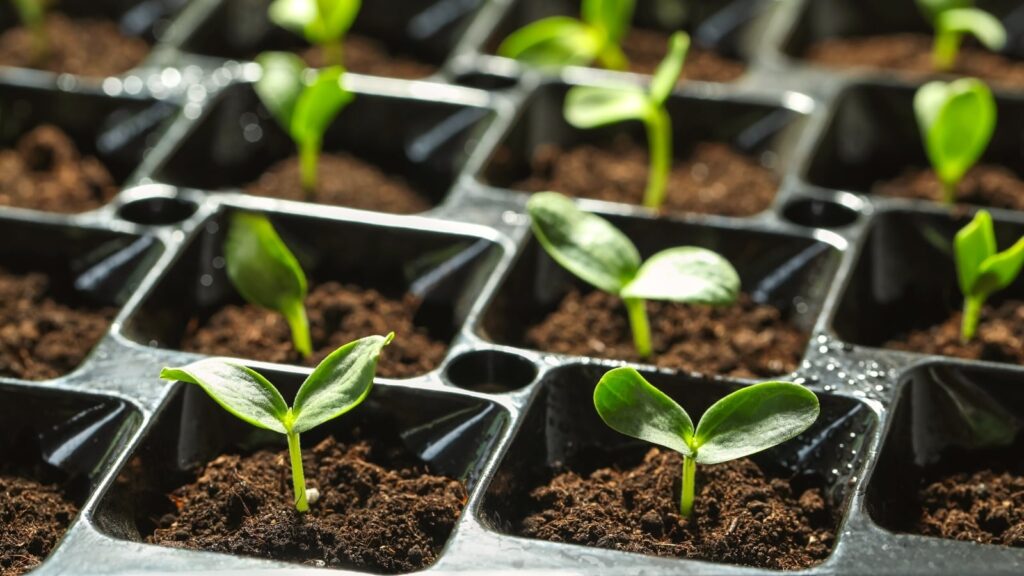
When those first seedlings finally appear, it’s a cause for celebration. Those fragile, almost translucent stems are the result of your patience, your care, and a little bit of rebellion. They’re proof that even the most stubborn seeds can be coaxed into life with the right combination of science and intuition. And as they grow, you’ll watch them transform from delicate sprouts into the iconic globular forms of Parodia cacti, each one a testament to your dedication.
So the next time you plant a Parodia seed, remember: you’re not just growing a cactus. You’re entering into a partnership with nature, a silent agreement to nurture life in all its stubborn, resilient glory. And who knows? With these tips, you might just become the master of Parodia germination—one tiny seed at a time.
FAQ
What is the best temperature for germinating Parodia seeds?
The ideal temperature for germinating Parodia seeds is between 70°F and 85°F (21°C to 29°C).
How long should I pre-soak Parodia seeds?
Pre-soak Parodia seeds in lukewarm water for 12 to 24 hours, or up to 48 hours for thicker seed coats.
What type of soil should I use for Parodia seed germination?
Use a well-draining soil mix, ideally a blend of cactus soil, perlite, and coarse sand.


Leave a Reply