
Short Answer
What if the key to revolutionizing fashion’s ethical footprint lay not in the soil of distant plantations, but in the spiky, sun-kissed embrace of the humble cactus? In a world where leather alternatives are often scrutinized for their environmental or moral trade-offs, cactus leather emerges as a paradoxically elegant solution—soft to the touch, yet unyieldingly resilient, like a desert rose cloaked in armor. This isn’t just another fleeting trend; it’s a sartorial rebellion, a fusion of sustainability and sophistication that dares to ask: Can cruelty-free fashion be as chic as it is conscientious? Let’s unravel the prickly truth behind cactus in vegan fashion, where ethics and aesthetics collide in the most delightful ways.
The Cactus Renaissance: A Thorny Revolution in Material Science
Picture this: a material so versatile it can be tanned without chromium, dyed without synthetic toxins, and molded into everything from buttery-soft handbags to sleek, structured jackets. Meet Desserto, the brainchild of a Mexican startup that transformed the Opuntia ficus-indica—the same cactus adorning roadside ditches—into a biodegradable, plant-based leather. Unlike its synthetic counterparts, which often rely on petroleum derivatives, cactus leather boasts a lifecycle that’s as virtuous as its origins. The cactus requires minimal water, thrives in arid climates, and sequesters carbon at a rate that would make even the most ardent climate activist swoon. But here’s the twist: its cultivation doesn’t compete with food crops, nor does it contribute to deforestation. It’s fashion’s answer to the age-old question: How do we innovate without exploitation?
Yet, the journey from prickly pear to polished purse isn’t without its thorns. The process of turning cactus pulp into a malleable, durable material demands precision. The fibers must be meticulously processed to eliminate any residual bitterness, and the tanning phase—traditionally a chemical-laden nightmare—must be reimagined using plant-based agents like olive leaves or even mushroom enzymes. The result? A material that’s not just vegan, but alive with potential. Brands like H&M and Patagonia have already dipped their toes into cactus leather collections, proving that high fashion and high ethics aren’t mutually exclusive. But can this desert bloom truly scale, or will it remain a niche novelty?
From Runway to Reality: The Aesthetic Allure of Cactus Leather
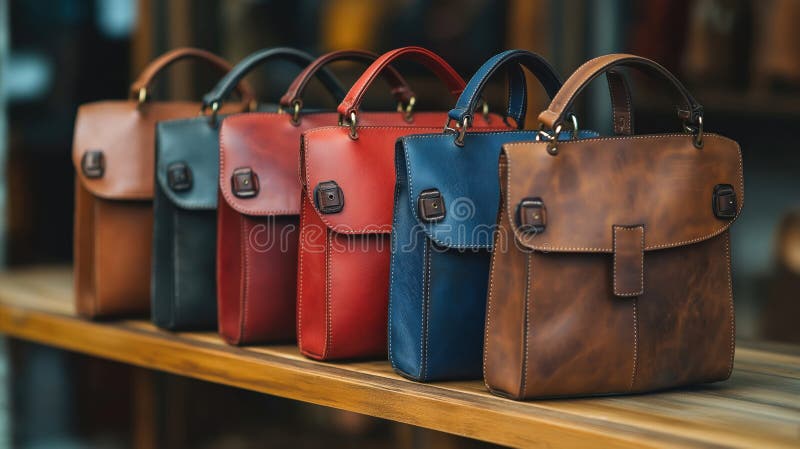
Close your eyes and imagine a handbag so supple it feels like second skin, yet structured enough to hold its own against a Parisian sidewalk’s cobblestones. That’s the magic of cactus leather. Its natural grain mimics the buttery texture of traditional leather, but with a subtle, earthy irregularity that lends each piece a unique character. Designers are falling over themselves to experiment: Stella McCartney has wielded it in her cruelty-free collections, while independent artisans craft everything from vegan cowboy boots to avant-garde corsetry. The material’s adaptability is its superpower—it can be embossed, dyed in jewel tones, or left in its raw, sun-bleached hue for a minimalist vibe.
But let’s address the elephant in the room—or rather, the cactus in the closet. Can cactus leather truly replace the buttery feel of calfskin or the rugged charm of full-grain hide? The answer lies in the hands of the beholder. For skeptics, the tactile experience might feel too novel, too unfamiliar. Yet, for the eco-conscious fashionista, the trade-off is worth it. After all, what’s more luxurious than a material that doesn’t cost the earth—literally? The key here is redefining luxury. It’s no longer about scarcity or exclusivity, but about responsibility woven into every stitch. And if that doesn’t scream quiet luxury, what does?
The Ethical Equation: Weighing Cactus Leather’s Moral Compass
Ethics in fashion isn’t just about avoiding animal products; it’s about dismantling the entire exploitative machinery of production. Cactus leather ticks several boxes: it’s cruelty-free, biodegradable, and requires no deforestation. But—and this is a big but—its production isn’t entirely without controversy. The labor conditions in regions where cacti are harvested, particularly in Mexico and parts of South America, remain under scrutiny. Are workers paid fair wages? Are the farming practices truly sustainable, or are they just another form of greenwashing? These are questions that demand transparency from brands. A material’s ethical credentials aren’t just about its origin; they’re about the entire supply chain.
Then there’s the issue of scalability. Cactus leather is still a fledgling industry, and its current price point reflects that. A cactus-leather jacket might set you back several hundred dollars more than its synthetic counterpart. Is this a fair trade for sustainability? For some, yes. For others, it’s a barrier to accessibility. The challenge here is twofold: making the material affordable without compromising its ethical integrity, and ensuring that its growth doesn’t outpace the communities that nurture it. Fashion has a habit of romanticizing innovation while leaving the people behind it in the dust. Can cactus leather break that cycle?
Styling the Spiky Trend: How to Wear Cactus Leather Without Looking Like a Desert Wanderer
So, you’re sold on the idea of cactus leather—now what? How do you incorporate this desert-born material into your wardrobe without veering into Mad Max territory? The secret lies in balance. Pair a cactus-leather jacket with a crisp white blouse and tailored trousers for a look that’s both polished and provocative. Opt for a statement clutch in a bold hue, and let the material’s natural texture do the talking. For the bold, a cactus-leather mini skirt paired with chunky boots and a chunky knit can channel a futuristic, Blade Runner meets Dune vibe.
But here’s where it gets interesting: cactus leather isn’t just for statement pieces. It’s making waves in everyday essentials, too. Think vegan loafers that scuff like well-worn leather but decompose like fallen leaves. Or a belt that holds its shape without the guilt of animal hide. The key is to treat it like any other luxury material—with intention. Mix it with silk, linen, or even recycled polyester to create a look that’s as thoughtful as it is stylish. And remember: the goal isn’t to shout about your ethics from the rooftops, but to let your choices speak for themselves.
The Future of Fashion: Can Cactus Leather Be the Game-Changer We’ve Been Waiting For?
The fashion industry is at a crossroads. On one path lies the same old cycle of overconsumption and exploitation. On the other? A future where style and sustainability aren’t just compatible—they’re inseparable. Cactus leather represents a tantalizing glimpse of that future. It’s a material that doesn’t just reduce harm; it actively restores ecosystems. It’s a canvas for designers to reimagine what fashion can be. But for it to truly take root, it needs more than just hype. It needs investment, innovation, and a collective commitment to doing better.
So, will cactus leather become the new black? Maybe not overnight. But as consumers grow more discerning and brands scramble to meet demand, it’s poised to carve out a permanent niche. The real question isn’t whether cactus leather will dominate the market—it’s whether the market is ready to evolve. Fashion has always been about pushing boundaries, about challenging norms. Now, it’s time to push beyond the superficial. It’s time to ask not just what we wear, but what we wear on—and what that choice says about the world we want to live in.
After all, the most revolutionary fashion isn’t just seen—it’s felt. And with cactus leather, you can feel good about every step you take.
FAQ
What is cactus leather?
Cactus leather is a vegan alternative to traditional leather made from the pulp of the Opuntia cactus, known for its sustainability and minimal environmental impact.
How is cactus leather made?
Cactus leather is produced by processing cactus pulp, which is tanned using plant-based agents to create a durable and biodegradable material.
Is cactus leather eco-friendly?
Yes, cactus leather is considered eco-friendly as it requires minimal water for cultivation and does not contribute to deforestation.
Can cactus leather replace traditional leather?
While cactus leather offers similar aesthetic qualities, its acceptance as a full replacement for traditional leather depends on consumer perception and tactile experience.
Leave a Reply