

Short Answer
In the vast, sun-scorched tapestry of arid landscapes, the cactus stands as a silent sentinel of resilience—a plant that has thrived for millennia, not merely as a survivor of harsh conditions, but as a cornerstone of holistic healing across cultures. From the ancient shamans of the Americas to the modern apothecaries of the West, the cactus has woven itself into the fabric of herbal remedies, offering a panacea of benefits that span the spectrum of human wellness. This article embarks on a journey through the verdant valleys of traditional wisdom and the cutting-edge laboratories of contemporary science, exploring the multifaceted roles of cacti in herbal medicine. Whether you are a seasoned herbalist, a curious wellness enthusiast, or someone seeking natural alternatives to conventional treatments, the cactus promises a trove of therapeutic treasures waiting to be unearthed.
The Prickly Pear’s Legacy: A Historical Odyssey of Healing
The story of the cactus in herbal remedies begins in the cradle of civilization itself—Mesoamerica—where the indigenous peoples revered these spiky succulents not just as food, but as sacred vessels of health. The Aztecs, for instance, harnessed the Opuntia species, particularly the prickly pear, in their medicinal repertoire, using its pads (nopales) to treat ailments ranging from inflammation to diabetes. Historical texts, such as the Badianus Manuscript (1552), detail how Aztec healers brewed cactus infusions to alleviate fevers and digestive distress, a testament to their profound understanding of botanical pharmacology. Even the spines of the cactus found purpose, ground into a paste to staunch bleeding wounds—a primitive yet ingenious application of its astringent properties. This historical tapestry is not merely a relic of the past; it is a living legacy that continues to inspire modern herbalism, bridging the chasm between ancient tradition and contemporary innovation.
Modern Alchemy: Cacti in Contemporary Herbalism and Nutraceuticals
Fast-forward to the 21st century, where the cactus has undergone a metamorphosis from folk remedy to scientifically validated superfood. The modern wellness industry has embraced cacti with fervor, particularly the prickly pear and the Lophophora (peyote) cactus, which are now celebrated for their bioactive compounds. Prickly pear, in particular, has been lauded for its high concentration of betalains—potent antioxidants that combat oxidative stress—and soluble fiber, which regulates blood sugar levels. Clinical studies have begun to validate what indigenous cultures knew instinctively: cactus extracts can significantly reduce LDL cholesterol and mitigate the symptoms of metabolic syndrome. Meanwhile, the peyote cactus, long shrouded in controversy due to its psychoactive properties, is now being studied for its potential in treating addiction and depression, thanks to its mescaline content. The cactus, it seems, is not just a plant; it is a pharmacopeia in its own right, offering solutions that modern medicine is only beginning to comprehend.
The Desert’s Pharmacy: Key Cactus Species and Their Therapeutic Profiles
Not all cacti are created equal, and each species boasts a unique biochemical fingerprint that lends itself to specific therapeutic applications. The Echinocactus grusonii, or golden barrel cactus, is a powerhouse of mucilage, a compound that soothes gastrointestinal irritation and promotes gut health. The Selenicereus grandiflorus, commonly known as the night-blooming cereus, has been used in European herbalism to address cardiac irregularities, earning it the moniker “heart cactus.” Meanwhile, the Aloe ferox, though technically a succulent rather than a true cactus, is often grouped with its spiky cousins due to its overlapping medicinal uses. Its latex is a potent laxative, while its gel is a balm for burns and skin disorders. Each of these species tells a story of adaptation and survival, their chemical compositions a testament to nature’s ingenuity. For the discerning herbalist, understanding these distinctions is akin to mastering the alphabet of a new language—one that speaks directly to the body’s needs.
From Garden to Glass: Culinary and Beverage Innovations with Cactus
The culinary world has also fallen under the cactus’s spell, transforming its once-humble forms into gourmet delights and functional beverages. Nopales, the tender pads of the prickly pear, are now a staple in vegan cuisine, their mild, slightly tangy flavor lending itself to everything from salads to smoothies. Cactus water, a byproduct of the fruit’s processing, has surged in popularity as a hydrating elixir, boasting electrolytes and a lower glycemic index than coconut water. Even the flowers of the cactus are not to be overlooked; the vibrant blooms of the Pereskia species are edible and packed with vitamin C, offering a floral twist to salads and teas. Beverage companies are also experimenting with cactus-based spirits, infusing tequila and mezcal with the plant’s natural sweetness and earthy undertones. These innovations are not merely culinary trends; they are a celebration of the cactus’s versatility, proving that its benefits extend far beyond the apothecary shelf.
Cultivation and Sustainability: Growing Your Own Cactus Pharmacy
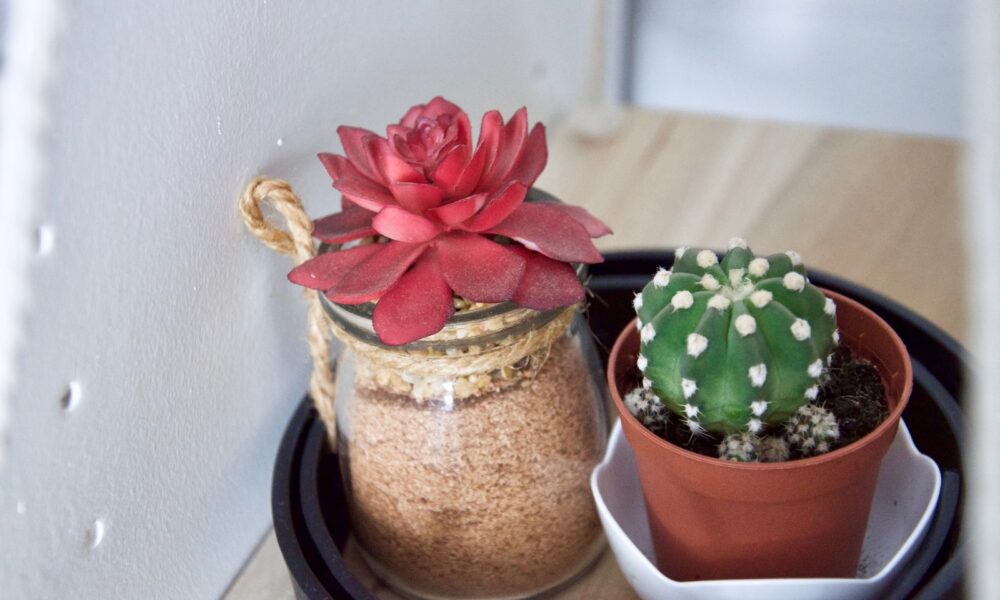
For those inspired to cultivate their own herbal remedies, the cactus presents an accessible and sustainable option. Unlike many medicinal plants that require specific climates or delicate care, cacti are remarkably hardy, thriving in conditions that would wither lesser flora. Whether you reside in a desert or a temperate zone, species like the Opuntia humifusa (eastern prickly pear) can be grown in containers, making them ideal for urban gardeners. The key to successful cultivation lies in mimicking their natural habitat: well-draining soil, ample sunlight, and minimal watering. Once established, these plants require little maintenance, offering a low-impact way to produce your own herbal remedies. Moreover, cultivating cacti aligns with the principles of permaculture, as their deep roots help prevent soil erosion and their drought-resistant nature reduces water consumption. By growing your own cactus pharmacy, you not only gain access to fresh, organic remedies but also contribute to the preservation of these remarkable plants in an era of environmental uncertainty.
Safety and Synergy: Navigating the Cactus’s Dual Nature
While the cactus is a gift to herbal medicine, it is not without its cautions. The spines, though often removed in culinary applications, can cause irritation if mishandled, and some species, like peyote, contain psychoactive compounds that require careful dosing. The latex of certain cacti, such as the Aloe ferox, can be a powerful purgative if consumed in excess, leading to dehydration and electrolyte imbalances. Additionally, interactions with pharmaceuticals—particularly those for diabetes or blood pressure—must be considered, as cactus extracts can amplify their effects. The key to safe usage lies in education and moderation. Consulting with a healthcare provider or a trained herbalist is essential, especially for those with pre-existing conditions or those who are pregnant or breastfeeding. The cactus, in all its glory, demands respect—a reminder that even the most benevolent of plants carries a double-edged sword.
The Future of Cactus-Based Medicine: A Green Revolution in the Making
As we stand on the precipice of a green revolution in medicine, the cactus is poised to play a starring role. Researchers are increasingly turning to these desert dwellers for solutions to some of modern medicine’s most pressing challenges, from antibiotic-resistant infections to neurodegenerative diseases. The betalains in prickly pear, for instance, are being studied for their anti-cancer properties, while the mucilage of the barrel cactus shows promise in wound healing. Even the cactus’s ability to sequester carbon dioxide in arid environments is being explored as a tool in the fight against climate change. This burgeoning field of study is not just about harnessing the cactus’s medicinal potential; it is about reimagining our relationship with the natural world. In a time of ecological crisis, the cactus offers a blueprint for sustainability—a plant that gives more than it takes, heals while it grows, and thrives where others cannot.
FAQ
What are the health benefits of cacti?
Cacti are known for their high antioxidant content, ability to regulate blood sugar, and potential in treating various ailments.
How can I use cacti in cooking?
Cacti, especially prickly pear, can be used in salads, smoothies, and beverages like cactus water.

Leave a Reply