
Short Answer
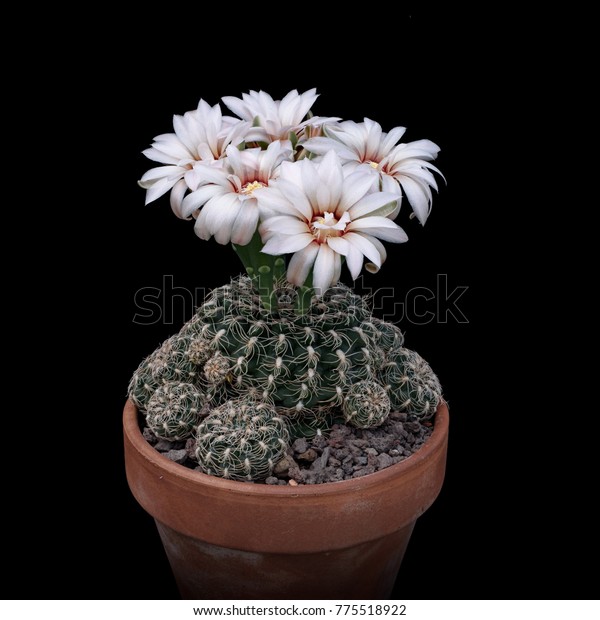
There exists a quiet revolution in the world of cactus cultivation—one that unfolds not with the clamor of petals unfurling, but with the subtle, almost reverent emergence of a Gymnocalycium in full bloom. These globular marvels, often dismissed as mere spiky orbs, possess an understated elegance that belies their tenacious spirit. To coax a Gymnocalycium into flowering is to engage in a delicate dance with time, patience, and the rhythms of nature. It is not merely horticulture; it is a conversation between grower and plant, a silent negotiation of needs and rewards. And when those first petals unfurl—delicate, waxy, and unapologetically bold—the reward is not just visual splendor, but a profound affirmation of the bond between human and flora.
The Art of Mimicking the Desert’s Whisper: Mastering Light and Temperature
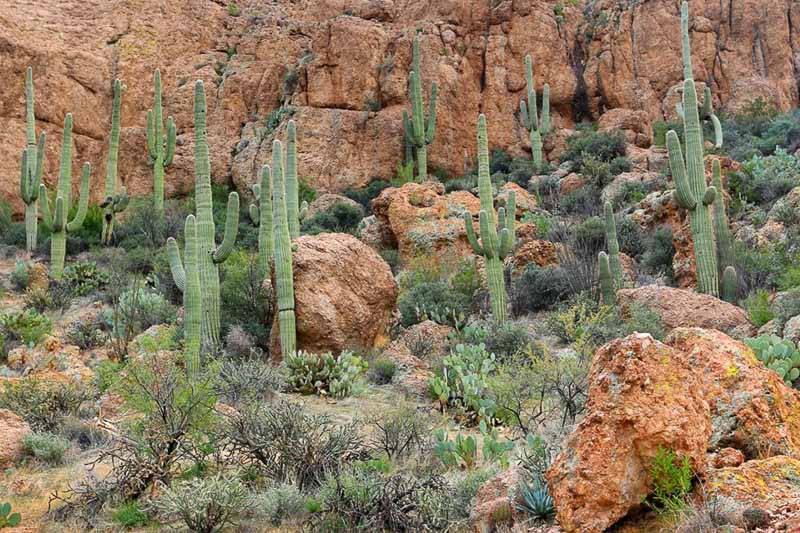
Imagine the Gymnocalycium as a desert nomad, traversing the sun-baked dunes with a quiet resilience. To encourage flowering, you must first recreate the conditions of its ancestral home—not with brute force, but with the finesse of a cartographer tracing the contours of a forgotten land. Light is the compass here. These cacti crave the golden caress of full sun, yet recoil from the scorching midday glare of unfiltered intensity. A south-facing window or a greenhouse with diffused light becomes their sanctuary. But light alone is not enough; it must be paired with the rhythm of the seasons. A winter rest at cooler temperatures—ideally between 45°F and 55°F (7°C to 13°C)—triggers the internal clock, signaling that the time for dormancy is over. Without this chilling interlude, the plant remains in a state of perpetual readiness, never daring to bloom. Think of it as a plant’s version of a New Year’s resolution: without the pause, the momentum falters.
The Subtle Alchemy of Water and Dormancy: When to Hold Back
Water is the elixir of life, yet in the world of Gymnocalycium, it is also the most potent inhibitor of flowering if wielded carelessly. These cacti are not thirsty wanderers; they are disciplined survivors, thriving on the barest of moisture. Overwatering is the silent assassin of floral ambition, drowning the plant’s resolve before it can even consider blooming. The key lies in restraint. During the growing season—spring through early autumn—water sparingly, allowing the soil to dry completely between sessions. But the true magic happens in dormancy. As temperatures drop, so too should your watering can. A parched soil mimics the arid stillness of winter, coaxing the plant into a state of suspended animation where energy is conserved, not squandered. When spring arrives, resume watering with the delicacy of a sommelier pouring fine wine—just enough to awaken, never enough to overwhelm.
Soil as a Foundation: Crafting the Perfect Cradle for Blooms
The soil is not merely a medium; it is the cradle in which your Gymnocalycium’s dreams take root. A standard potting mix is a betrayal of its needs, a suffocating blanket that smothers its potential. Instead, envision a soil that breathes, one that mimics the gritty, mineral-rich embrace of its native habitat. A blend of coarse sand, perlite, and a modest portion of organic matter creates the ideal foundation. The sand lends structure, the perlite ensures aeration, and the organic matter—just a whisper of it—provides a whisper of nutrients without overwhelming the plant. Drainage is non-negotiable. Stagnant moisture is the enemy of flowering, a slow rot that gnaws at the roots’ resolve. Consider repotting every two to three years, not out of necessity, but as an act of renewal, a chance to refresh the soil’s vitality and remind the plant that its home is ever-evolving.
The Role of Fertilizer: Feeding the Flame Without Smothering It
Fertilizer is a double-edged sword. Wielded with precision, it can fuel the flames of growth and flowering; wielded carelessly, it can scorch the very ambition it seeks to nurture. Gymnocalycium are not gluttonous feeders. They thrive on the barest of sustenance, a slow drip of nutrients rather than a flood. A balanced, diluted fertilizer—think half-strength—applied sparingly during the growing season is all they require. Over-fertilization is a fast track to lush, spineless growth that never dares to bloom. Instead, think of fertilizer as a gentle nudge, a reminder that the soil is not barren, that there is sustenance to be had. But never let it become the main course. The plant must still hunger, still yearn—for only in that hunger does the will to flower awaken.
Patience and Observation: The Unsung Virtues of the Cactus Enthusiast
There is a myth that flowering is a reward for the skilled, a badge of honor reserved for the elite. But the truth is far simpler: flowering is a reward for the patient. Gymnocalycium are not impulsive bloomers. They are strategic, deliberate, waiting for the perfect confluence of conditions before they dare to unfurl their petals. This is where the grower’s role shifts from caretaker to observer. Watch for the signs: the elongation of the stem, the subtle swelling of the bud, the way the spines part like curtains before a grand performance. These are not just physical changes; they are the plant’s way of communicating its readiness. And when the first bud appears, resist the urge to prod, to prod, to prod. The bloom is not a performance to be rushed; it is a masterpiece to be savored.
The Reward: A Symphony of Color and Resilience
When the moment finally arrives—when the petals unfurl in a display of waxy elegance, a riot of pinks, whites, or yellows against the stark geometry of spines—the reward is not just the sight of the flower. It is the knowledge that you have listened. That you have respected the plant’s rhythm. That you have understood that flowering is not a demand, but a dialogue. The Gymnocalycium’s bloom is a testament to resilience, a fleeting but unforgettable spectacle that reminds us that even in the harshest of environments, life finds a way to express itself. And in that expression, there is a quiet triumph—a reminder that patience, restraint, and attentiveness are not just virtues, but the very ingredients of magic.
FAQ
What is the best light for Gymnocalycium?
Gymnocalycium thrive in bright, indirect light, ideally from a south-facing window, but should be protected from harsh midday sun.
How often should I water my Gymnocalycium?
Water sparingly during the growing season, allowing the soil to dry completely between waterings, and significantly reduce watering during dormancy.



Leave a Reply