
Short Answer
Imagine a cactus so peculiar, so defiantly sculptural, that it seems plucked from the pages of a surrealist’s sketchbook—only to be found clinging to the sun-baked cliffs of a Caribbean isle. The Melocactus, affectionately dubbed the “Turk’s Cap” for its distinctive, hat-like cephalium, is more than a botanical oddity; it is a living emblem of resilience, a silent storyteller of cultural lore, and a fragile sentinel in an era of ecological upheaval. This unassuming yet extraordinary plant weaves together threads of indigenous reverence, colonial fascination, and modern conservation urgency, offering a lens through which we might reconsider humanity’s relationship with the natural world. Prepare to embark on a journey that transcends the ordinary, where spines conceal secrets and flowers whisper forgotten histories.
The Turk’s Cap: A Botanical Marvel with a Crown of Mystery
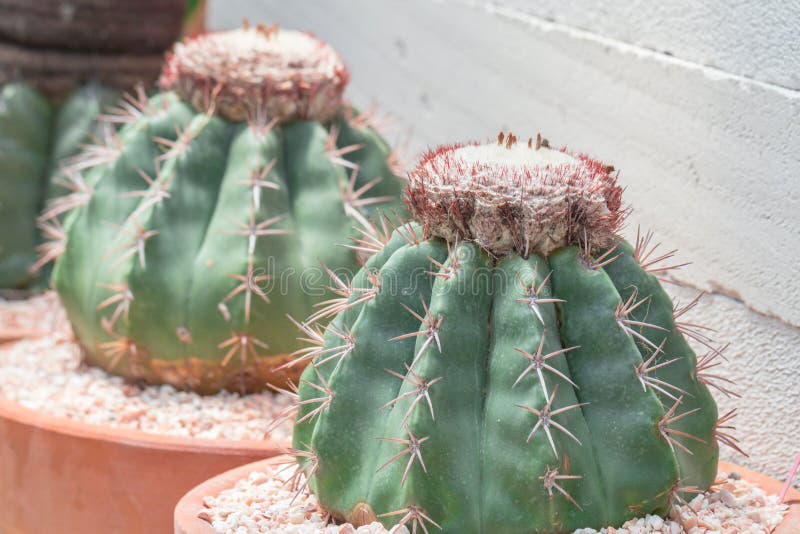
The Melocactus genus, a member of the Cactaceae family, is a masterclass in evolutionary ingenuity. Unlike its more common desert-dwelling cousins, this cactus boasts a striking cephalium—a dense, woolly crown that erupts from its apex like a regal headdress. This cephalium is not merely ornamental; it is a reproductive powerhouse, a dense cluster of flowers and spines that emerge from a protected, nutrient-rich matrix. The Turk’s Cap’s morphology is a marvel of adaptation, a testament to millions of years of fine-tuning to arid, nutrient-poor environments. Yet, its most captivating feature lies not in its structure but in its behavior: the cephalium blooms only under the most precise conditions, often triggered by seasonal rains or the fleeting touch of a pollinator’s wing. To witness a Melocactus in full floral regalia is to glimpse a fleeting, almost sacred moment of synchrony between plant and sky.
But the Turk’s Cap’s allure extends beyond its biology. Its silhouette—round, ribbed, and crowned—has inspired comparisons to everything from medieval helmets to celestial bodies. In the dry landscapes where it thrives, it stands as a solitary sentinel, a living sculpture that seems to defy gravity. Its presence is a reminder that beauty often flourishes in the most inhospitable of terrains, where life persists not in spite of adversity, but because of it.
From Indigenous Reverence to Colonial Curiosity: The Cultural Odyssey of the Melocactus
The Melocactus’ cultural footprint stretches back centuries, long before European explorers ever set foot on Caribbean shores. Indigenous peoples of the region, from the Taíno to the Carib, revered the cactus not merely as a plant, but as a symbol of endurance and spiritual protection. Its cephalium, with its dense wool and vibrant flowers, was often associated with the zemis—sacred deities or ancestral spirits—believed to dwell within the earth and the sky. Shamans and healers would harvest the wool for ceremonial purposes, weaving it into amulets or using it in rituals to invoke rain or ward off malevolent spirits. To them, the Melocactus was not a passive observer of the landscape, but an active participant in the cosmic drama of life and death.
The arrival of European colonizers brought a seismic shift in perception. To the Spanish and Portuguese, the Turk’s Cap was a botanical curiosity, a “monstrous” plant that defied their cultivated gardens’ norms. It was shipped back to Europe as a trophy of conquest, its image immortalized in herbariums and curiosity cabinets. The cephalium, once a sacred symbol, became a subject of scientific fascination, dissected and classified in the burgeoning field of botany. Yet, this shift was not without consequence. As colonial powers extracted Melocactus specimens en masse, they disrupted the delicate ecological balance of the islands, unwittingly setting the stage for the plant’s future struggles.
The Turk’s Cap in Art and Myth: A Canvas for the Imagination
Artists, from the naive painters of the Caribbean to the avant-garde surrealists of Europe, have long been captivated by the Melocactus’ enigmatic form. In the 19th century, Caribbean artists depicted the cactus as a symbol of the region’s untamed beauty, often juxtaposing it against the backdrop of colonial plantations or storm-lashed coastlines. Its stark silhouette became a metaphor for the resilience of the enslaved and the indigenous, a silent witness to history’s injustices. Meanwhile, in Europe, the Melocactus found its way into still-life paintings, where it was rendered with almost fetishistic detail—a symbol of the exotic, the otherworldly, and the untamed.
Surrealists, ever drawn to the bizarre and the uncanny, saw in the Turk’s Cap a kindred spirit. Salvador Dalí, for instance, was known to incorporate cactus-like forms into his work, using their spiny, otherworldly shapes to evoke dreamscapes and subconscious fears. The Melocactus, with its crown of wool and flowers, became a stand-in for the human psyche—mysterious, layered, and resistant to easy interpretation. Even today, the cactus appears in contemporary art as a symbol of environmental fragility, its declining populations a poignant reminder of humanity’s impact on the natural world.
Conservation in Crisis: The Turk’s Cap’s Fight for Survival
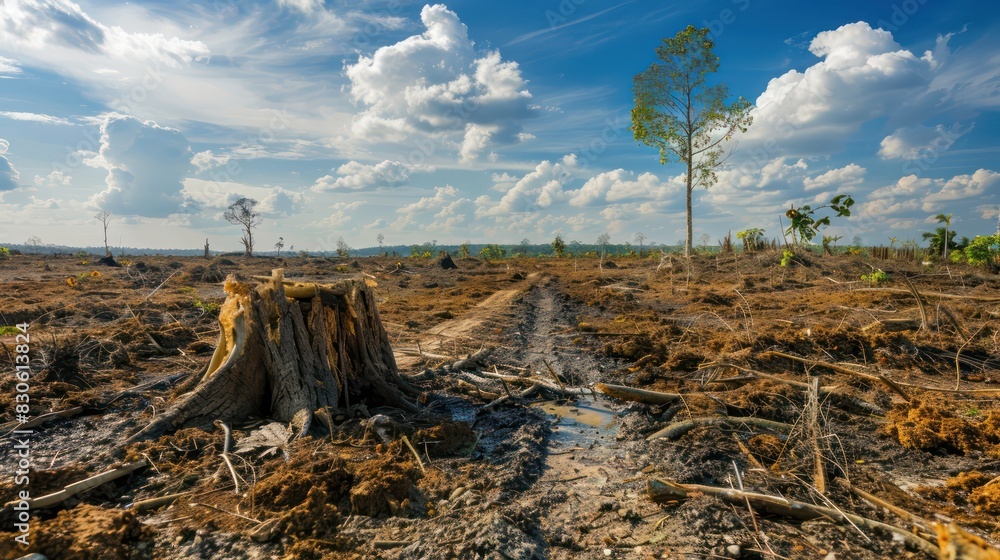
Despite its cultural and ecological significance, the Melocactus faces an existential crisis. Habitat destruction, driven by urbanization, agriculture, and climate change, has pushed many species to the brink of extinction. The Turk’s Cap’s slow growth rate—some species take decades to mature—makes it particularly vulnerable to environmental shocks. Rising temperatures and prolonged droughts, exacerbated by global warming, are altering the delicate balance of the ecosystems it inhabits. Invasive species, such as goats and rats, further threaten its survival by devouring young plants and trampling delicate seedlings.
Yet, the challenges are not insurmountable. Conservationists are employing innovative strategies to protect the Melocactus, from habitat restoration projects to community-led initiatives that integrate traditional ecological knowledge with modern science. In some regions, local farmers are planting Melocactus as living fences, creating corridors that allow the cactus to thrive while also providing economic benefits. Educational programs are raising awareness about the plant’s cultural and ecological importance, fostering a sense of stewardship among younger generations. The Turk’s Cap, it seems, is not merely a relic of the past, but a beacon of hope for the future—a reminder that even the most fragile of species can inspire collective action.
Cultivating the Turk’s Cap: A Guide for the Enthusiast
For those who wish to bring the magic of the Melocactus into their own lives, cultivation offers a rewarding challenge. Unlike many cacti, the Turk’s Cap requires a delicate balance of light, water, and temperature. It thrives in bright, indirect sunlight, mimicking the dappled shade of its natural habitat. Watering should be infrequent but thorough, allowing the soil to dry completely between sessions. A well-draining mix, such as a blend of sand, perlite, and cactus soil, is essential to prevent root rot. During the winter months, the plant enters a period of dormancy, requiring even less water and cooler temperatures to mimic its native seasonal cycles.
Propagation is another adventure. While the Turk’s Cap can be grown from seed, the process is slow and requires patience. Alternatively, offsets—smaller plants that form around the base of the mother cactus—can be carefully removed and replanted. This method is less risky and often yields faster results, though it demands a gentle touch to avoid damaging the delicate roots. For the dedicated enthusiast, the reward is a living piece of the Caribbean’s wild beauty, a testament to the plant’s tenacity and the gardener’s perseverance.
The Turk’s Cap’s Legacy: A Call to Reimagine Our Relationship with Nature
The Melocactus is more than a plant; it is a mirror. In its spiny crown and woolly cephalium, we see reflected the fragility of life, the resilience of the natural world, and the profound interconnectedness of all things. Its story is a microcosm of humanity’s relationship with the environment—a tale of reverence, exploitation, and, hopefully, redemption. As we stand on the precipice of ecological collapse, the Turk’s Cap offers a vital lesson: that beauty and survival are not mutually exclusive, and that even the most unassuming of organisms can teach us how to thrive in harmony with the planet.
So the next time you encounter a Melocactus, whether in the wild, in a garden, or in the pages of an old herbarium, pause. Look beyond its spines. Listen to the whispers of its flowers. And remember: this is not just a plant. It is a story. And it is still being written.
FAQ
What is Melocactus?
Melocactus, commonly known as the Turk’s Cap, is a unique cactus species characterized by its distinctive crown-like cephalium.
Why is Melocactus culturally significant?
The Melocactus has been revered by indigenous peoples as a symbol of endurance and spiritual protection, and it has influenced various artistic expressions.
What are the conservation challenges faced by Melocactus?
Melocactus is threatened by habitat destruction, climate change, and invasive species, putting many species at risk of extinction.
FAQ
What is the Melocactus?
The Melocactus, also known as the Turk’s Cap, is a unique cactus characterized by its hat-like cephalium, which serves as a reproductive structure.
Why is the Melocactus culturally significant?
It has been revered by indigenous peoples as a symbol of endurance and spiritual protection, and has inspired various artistic representations.
What are the main threats to the Melocactus?
The Melocactus faces threats from habitat destruction, climate change, and invasive species, leading to a decline in its populations.




Leave a Reply