
Short Answer
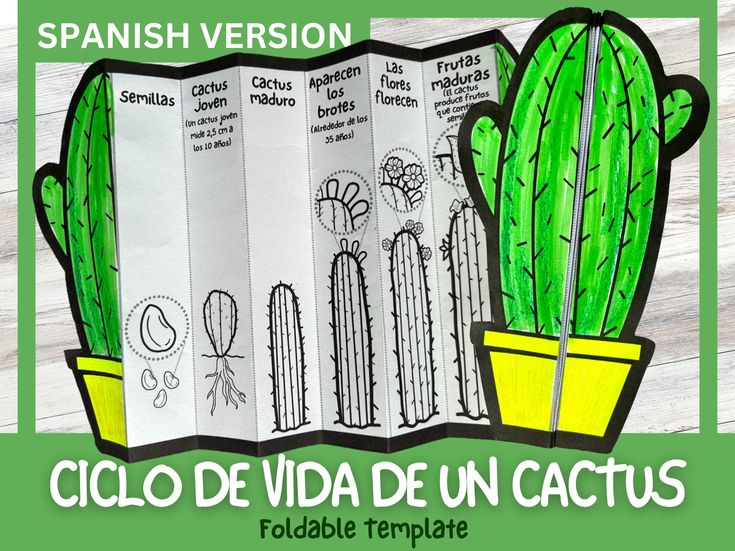
In the vast, sun-scorched tapestry of the desert, where the earth stretches endlessly under the azure dome of the sky, a silent revolution unfolds. It is not the clamor of human voices or the hum of machinery, but the quiet tenacity of a cactus—an unassuming botanical titan that thrives where others wither. To the untrained eye, it may appear as a mere spiky sentinel, but to those who pause to observe, the cactus is a living chronicle, a testament to resilience etched in time. This is the life cycle of a cactus: a narrative of endurance, adaptation, and quiet grandeur, waiting to be discovered by curious minds.
The Seed: A Whisper of Potential in the Arid Void
Every grand saga begins with a single, unassuming spark—so too does the life of a cactus commence. The seed, no larger than a grain of sand, is a vessel of immense promise, carrying within it the blueprint of survival. Cast upon the merciless expanse of the desert floor by a passing breeze or the careful beak of a bird, it awaits the perfect confluence of moisture and warmth. The soil, parched and unyielding, seems an inhospitable cradle, yet the seed is no fool. It remains dormant, a patient philosopher of the sands, until the heavens deign to offer a fleeting shower. When the moment arrives, the seed awakens, splitting open like a secret finally revealed. A tender radicle—its embryonic root—pierces the earth, questing downward in search of sustenance, while the first embryonic shoot stretches skyward, hungry for the sun’s caress. This is the cactus’s first act of defiance: to grow where growth is deemed impossible.
Germination: The Audacious Rise from the Ashes of Doubt
Emerging from the soil is no gentle stroll; it is a battle. The tender shoot, fragile as a newborn’s breath, must contend with the scorching midday sun, the relentless wind that seeks to uproot it, and the ever-present threat of herbivores. Yet, it persists. The cactus’s first leaves—often mere scales or spines—are not for photosynthesis alone; they are armor, a declaration of war against the world’s indifference. These early structures are a marvel of evolutionary ingenuity, minimizing water loss while maximizing the capture of scarce sunlight. The young cactus, now a fledgling warrior of the desert, begins to store water in its fleshy stem, a bulwark against the inevitable drought. It is a slow, deliberate process, a testament to the virtue of patience. Each day is a victory, each drop of rain a miracle.
Maturation: Sculpting a Fortress from the Sands
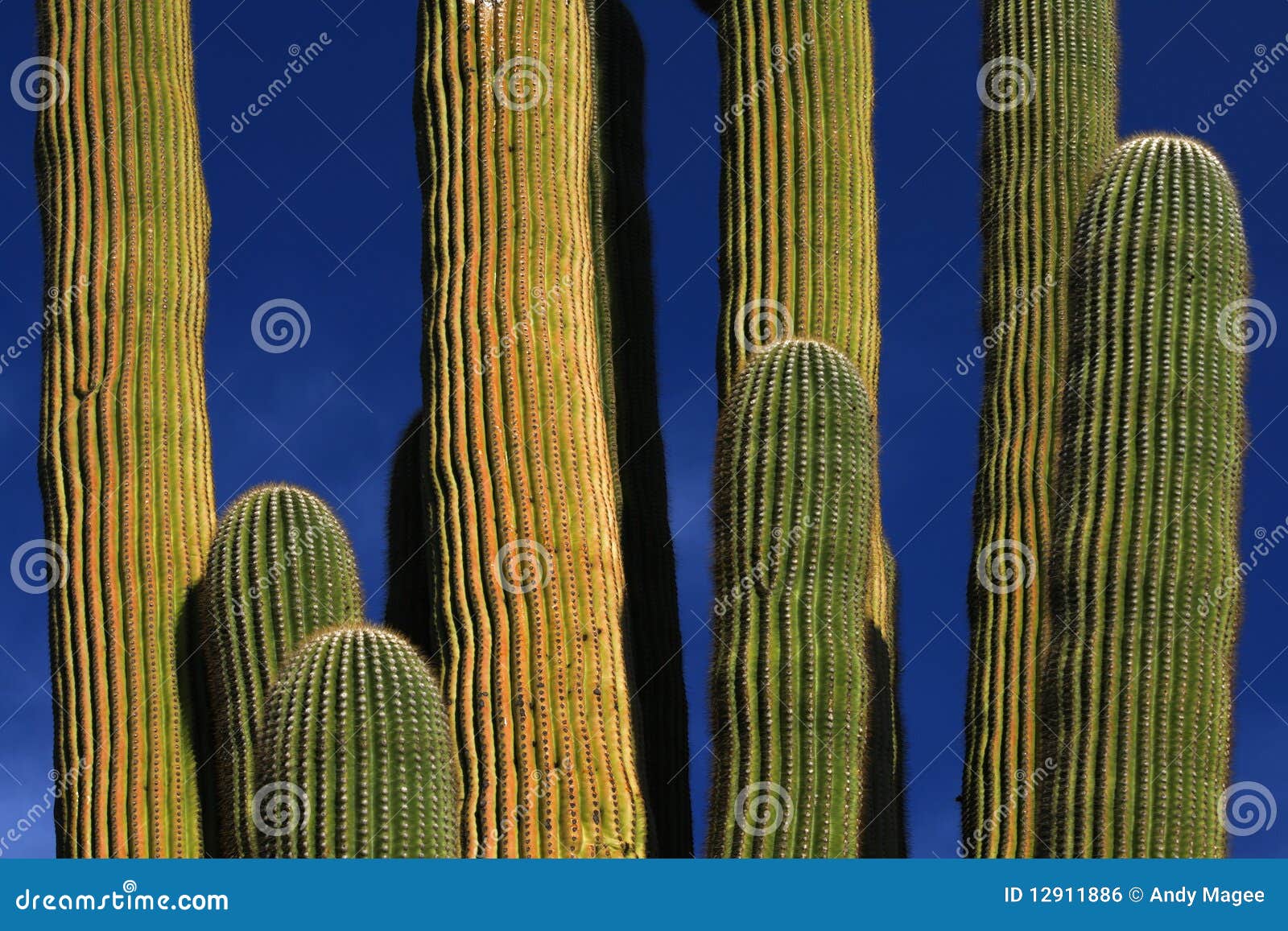
As the years pass, the cactus transforms from a timid sprout into a formidable presence. Its body swells with stored water, becoming a veritable oasis in miniature, a lifeline for creatures great and small. The spines, once delicate and sparse, now bristle in intricate patterns, a deterrent against predators and a shield against the sun’s relentless glare. Some species develop ribs, like the corrugated sides of an ancient ship, allowing them to expand and contract with the ebb and flow of moisture. Others grow a waxy coating, a silvery armor that reflects the sun’s rays and seals in precious hydration. The cactus is no longer a mere plant; it is an ecosystem unto itself, a microcosm of survival strategies honed over millennia. Its growth is not linear but cyclical, a dance with the seasons, a dialogue with the environment.
Reproduction: The Art of Seduction in the Desert
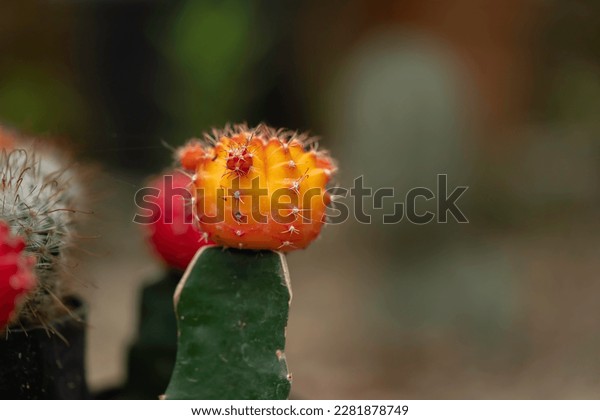
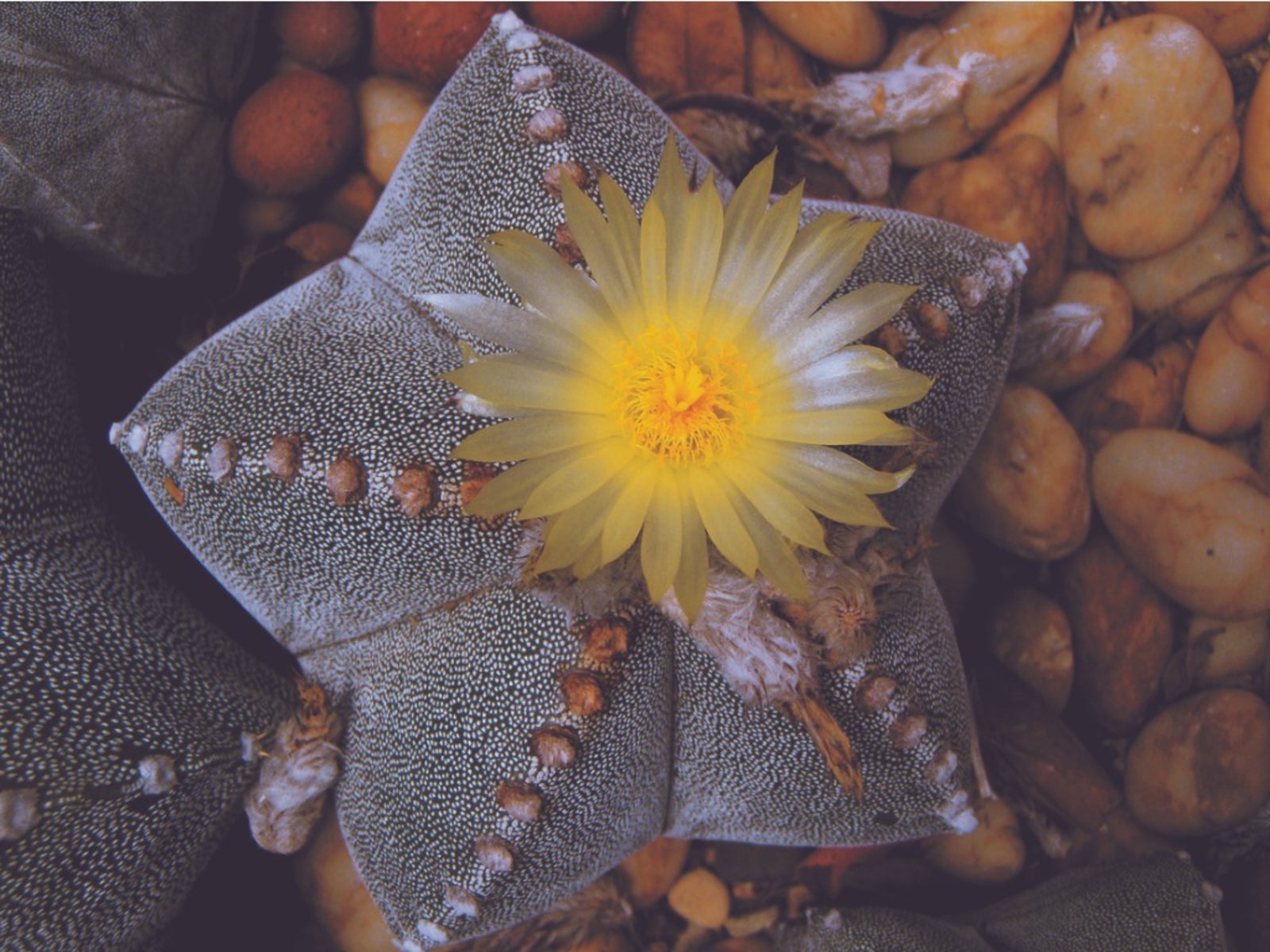
When the cactus reaches maturity, it turns its attention to the next generation. Flowers burst forth in a riot of color—crimson, gold, or pale pink—like beacons calling to pollinators from miles away. The blooms are not merely decorative; they are a cunning invitation, a promise of nectar to bees, hummingbirds, and even bats. The cactus’s reproductive strategy is a masterclass in symbiosis. Some species rely on the wind to carry their pollen, while others employ the services of creatures that unwittingly transfer pollen from one flower to another. The fruit that follows is a treasure trove of seeds, encased in a pulpy flesh that attracts animals eager to feast. The cactus, in its generosity, ensures that its legacy will endure, even as it withers and returns to the earth.
Dormancy: The Art of Strategic Withdrawal
Yet, the cactus’s story is not one of unbroken triumph. There are seasons of retreat, times when the desert’s cruelty demands silence. During prolonged droughts, the cactus enters a state of dormancy, a voluntary hibernation that conserves every precious drop of water. Its metabolism slows to a crawl, its vibrant green hue fades to a muted gray, and it appears lifeless to the casual observer. But do not be deceived. The cactus is not dead; it is in a state of suspended animation, a warrior biding its time. When the rains return, it will awaken, refreshed and renewed, ready to resume its cycle of growth and resilience. This ability to pause, to wait, to endure—it is the cactus’s greatest lesson to humanity.
The Cycle Continues: A Legacy of Tenacity
As the cactus ages, it may develop a woody base, a gnarled testament to the decades it has weathered. Its body may become a home for insects, a perch for birds, a shelter for small mammals. It may split open, revealing a hollow interior where moisture lingers like a secret. Eventually, it will succumb to the elements, its body returning to the soil from which it came. But even in death, the cactus gives back. Its decay enriches the earth, its seeds take root, and the cycle begins anew. This is the cactus’s ultimate gift: a reminder that life is not a straight path but a spiral, a continuous loop of growth, struggle, and renewal.
The life cycle of a cactus is more than a biological process; it is a metaphor for human resilience, a blueprint for thriving in adversity. It teaches us that strength is not found in rigidity but in adaptability, that beauty can flourish in the most barren of landscapes, and that every stage of existence—from the humblest seed to the grandest bloom—is worthy of reverence. So the next time you encounter a cactus, pause. Look beyond the spines. See the story it tells. And remember: even in the harshest of worlds, life finds a way.
FAQ
What is the life cycle of a cactus?
The life cycle of a cactus includes stages of seed germination, growth into maturity, reproduction through flowering, and dormancy during dry periods.
How do cacti survive in harsh environments?
Cacti survive by storing water in their stems, minimizing water loss through spines, and entering dormancy during extreme drought.



Leave a Reply