
Short Answer
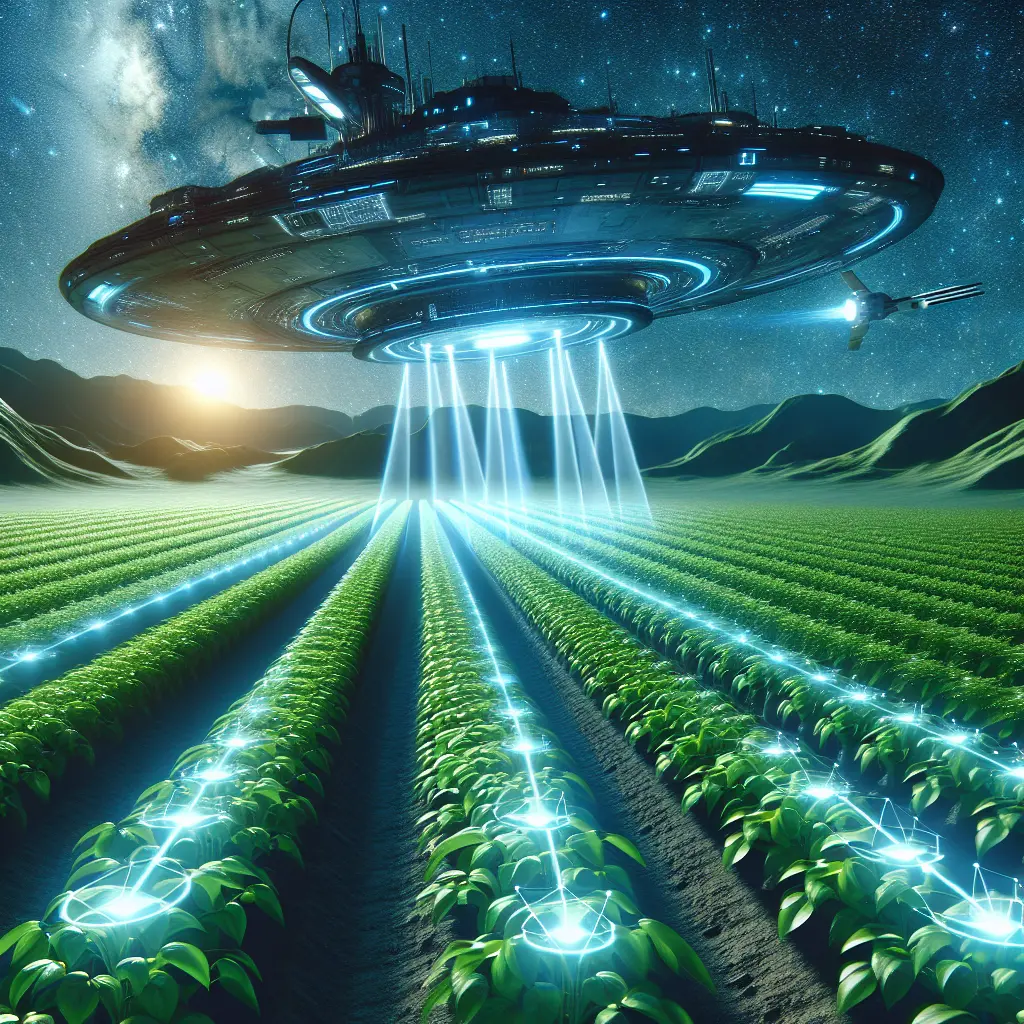
Imagine a future where the barren landscapes of Mars or the airless void of the Moon are not barriers to human life, but rather blank canvases awaiting the vibrant hues of life. Picture vast, glass-domed gardens where spiny sentinels of the desert thrive under alien skies, their succulent forms pulsing with the promise of sustenance. This is not the stuff of science fiction—it is the audacious vision of space agriculture, and at its heart lies an unlikely hero: the cactus. Far from being mere desert curiosities, these resilient plants could revolutionize how we feed humanity beyond Earth, offering solutions as sharp as their thorns and as deep as their roots.
The Unassuming Titan: Why Cacti Could Be the Backbone of Off-World Farming
When we think of space farming, our minds often drift to hydroponic towers or genetically modified super-crops. Yet, the humble cactus—Opuntia, Echinocactus, Carnegiea—possesses traits that make it a botanical marvel for extraterrestrial cultivation. These plants have evolved in the most unforgiving environments on Earth, mastering the art of water conservation, extreme temperature fluctuations, and poor soil conditions. Their photosynthetic efficiency, via the CAM (Crassulacean Acid Metabolism) pathway, allows them to absorb carbon dioxide at night, minimizing water loss—a critical advantage in the arid, low-pressure conditions of space habitats.
Moreover, cacti are not just survivors; they are thrivers. Many species can reproduce vegetatively, meaning a single pad or segment can sprout into a new plant, reducing the need for seeds—a boon in environments where every gram of payload matters. Their deep root systems, while adapted for drought, can be repurposed to anchor in regolith (lunar or Martian soil), stabilizing structures and even filtering toxins. The idea of cacti as the “green steel” of space agriculture is not far-fetched; it is a pragmatic evolution of their terrestrial resilience.
Water: The Elixir of the Cosmos, and How Cacti Master Its Scarcity
Water is the most precious resource in space. Every drop must be recycled, every molecule accounted for. Traditional crops like wheat or soybeans guzzle water, their thirst a liability in closed-loop systems. Cacti, however, are the zen masters of hydration. Their thick, waxy cuticles and spines reduce evaporation to a whisper. Some species, like the Ferocactus, can store water in their stems for years, surviving droughts that would wither other plants in weeks. This makes them ideal candidates for closed ecological life support systems (CELSS), where water recycling is not just a feature but a necessity.
On the Moon, where water ice lurks in permanently shadowed craters, or on Mars, where briny subsurface reservoirs may exist, cacti could be cultivated in hydroponic hybrids—part soil-bound, part aeroponic. Their ability to extract moisture from the air (a trait seen in species like Mammillaria) could be harnessed in habitats with controlled humidity. The vision of a Martian greenhouse, its walls lined with cacti glistening with condensation, is not just poetic—it is a blueprint for survival.
Soil Alchemy: Turning Regolith into a Cactus Paradise
The soil of other worlds is not soil at all—it is regolith, a jagged, nutrient-poor powder that would stifle most Earth plants. Yet cacti, with their symbiotic relationships with mycorrhizal fungi and nitrogen-fixing bacteria, could transform this alien substrate. Research into bioaugmentation—the use of microbes to enhance soil fertility—has shown promise in making regolith hospitable. Cacti’s roots could host these microbes, breaking down minerals like perchlorates (toxic to humans but potentially useful to plants) into bioavailable nutrients.
Imagine a lunar farm where cacti are the first colonizers, their roots secreting acids that leach nutrients from basaltic regolith. Over generations, their presence could engineer the soil, creating a microcosm of fertility in an otherwise barren landscape. This process, dubbed phyto-mining, turns the cactus into both a farmer and a chemist, a dual role that could redefine extraterrestrial agriculture.
Nutritional Powerhouses: The Cactus as a Multivitamin for Astronauts
Beyond their structural and ecological benefits, cacti are nutritional dynamos. The pads of Opuntia ficus-indica, commonly known as prickly pear, are packed with fiber, vitamins C and K, magnesium, and antioxidants. In space, where astronauts face muscle atrophy, bone density loss, and immune suppression, a diet rich in cactus could mitigate these risks. The mucilage in cactus stems also has prebiotic properties, fostering gut health—a critical consideration for long-duration missions.
Even the spines, often dismissed as mere nuisances, could have culinary uses. In some cultures, they are ground into flour or used as natural filters. The versatility of cacti extends to their byproducts: their sap can be fermented into probiotic drinks, their seeds pressed for oil, and their biomass composted for further cultivation. In the austere confines of a spacecraft, every part of the plant becomes a resource, a testament to the elegance of closed-loop systems.
Psychological Oases: The Aesthetic and Emotional Role of Cacti in Space
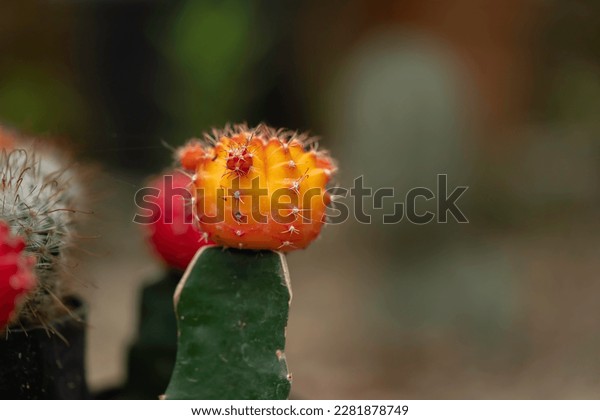
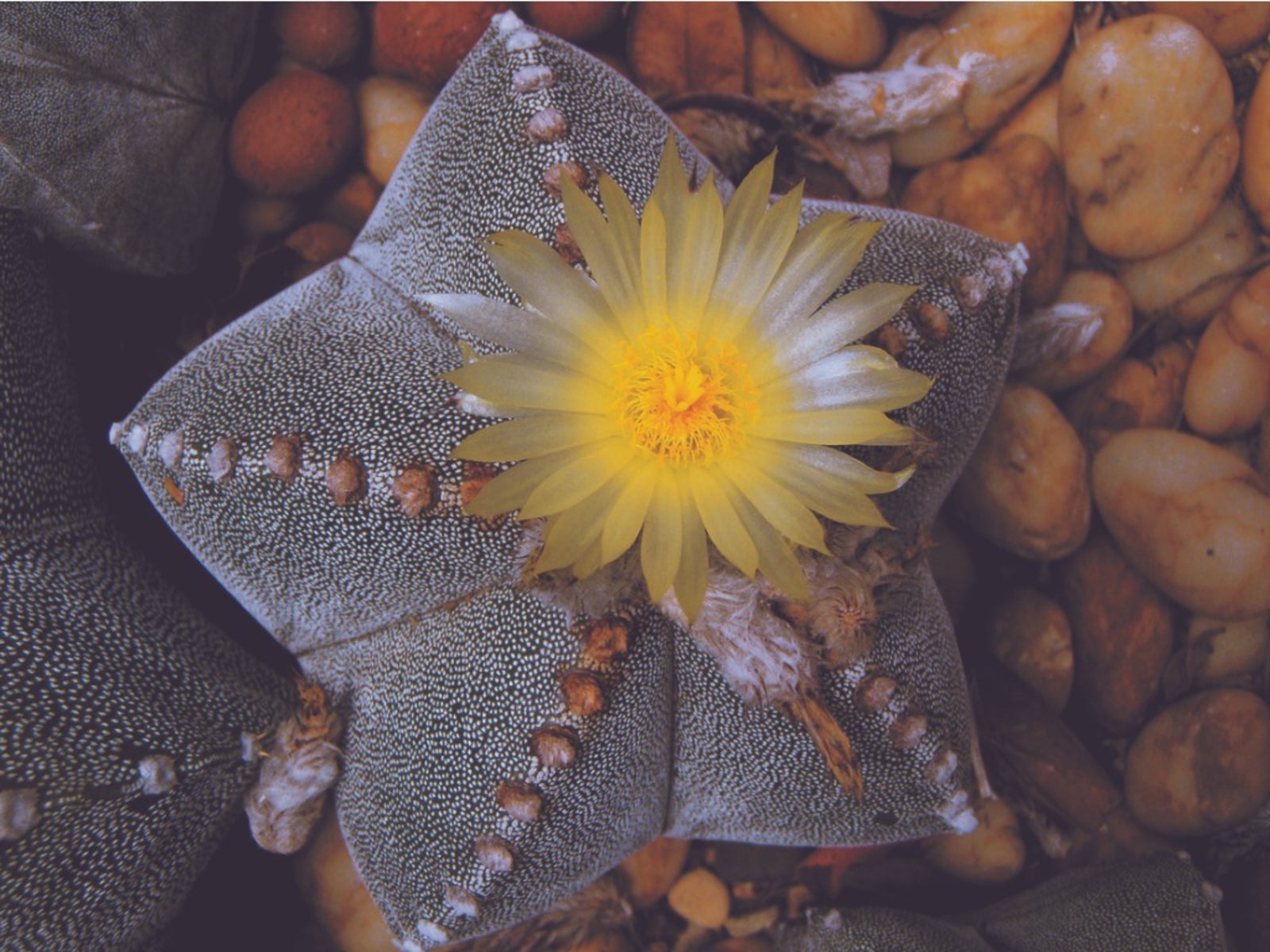
Space is not just a physical challenge—it is a psychological one. The isolation, confinement, and sensory deprivation of long-duration missions can erode mental health. Here, cacti offer more than sustenance; they provide solace. Their striking forms, from the ribbed elegance of a Saguaro to the geometric precision of a Haworthia, can transform sterile habitats into living art. Studies on Earth have shown that interacting with plants reduces stress and boosts morale—imagine the impact of tending to a garden of Earth’s most resilient flora on Mars.
The act of nurturing a cactus in an alien environment could become a ritual, a connection to home. Their slow growth mirrors the patience required for interplanetary colonization, a reminder that even in the vastness of space, life persists, adaptable and enduring. The cactus, in this context, is not just a crop—it is a companion, a silent partner in humanity’s expansion beyond Earth.
Challenges and the Path Forward: Cultivating the Uncultivated
Of course, the path to cactus-based space agriculture is not without thorns. Light is a limiting factor—cacti require intense sunlight, and artificial grow lights in space habitats consume significant energy. Research into spectral optimization (tailoring light wavelengths to maximize photosynthesis) could mitigate this, but it remains a hurdle. Additionally, the genetic diversity of cacti must be preserved; many species are threatened on Earth due to habitat loss, and their loss would be a blow to potential space cultivars.
Yet, these challenges are not insurmountable. Collaborations between botanists, engineers, and astronauts could yield breakthroughs. Controlled-environment agriculture (CEA) techniques, such as vertical farming and aeroponics, could be adapted for cacti. Genetic modification—while controversial—could enhance their already impressive traits, making them even more suited to extraterrestrial conditions. The first Martian cactus farm may be decades away, but the seeds of this revolution are already being sown.
A New Era of Green Frontiers
The cactus is more than a plant. It is a symbol of resilience, a testament to life’s tenacity in the face of adversity. In the cold, harsh expanse of space, it offers a promise: that humanity’s future is not confined to Earth, but can bloom wherever we dare to go. The vision of cacti thriving in domed gardens on Mars, their spines casting shadows on red soil, is a reminder that the most extraordinary innovations often come from the most unexpected sources.
As we stand on the precipice of a new era of exploration, let us not overlook the spiny giants that could feed our dreams. The cactus is not just a plant for space—it is a paradigm shift, a green revolution waiting to take root among the stars.
FAQ
Why are cacti considered for space agriculture?
Cacti are resilient plants that conserve water, thrive in poor soil, and can be cultivated with minimal resources, making them ideal for extraterrestrial farming.
What nutritional benefits do cacti offer?
Cacti are rich in fiber, vitamins, and antioxidants, providing essential nutrients that can support astronaut health during long missions.
What are the main challenges of growing cacti in space?
Challenges include ensuring adequate light for photosynthesis and preserving genetic diversity among cactus species.



Leave a Reply