
Short Answer
Have you ever wondered why your resilient, spiky companion—the cactus—sometimes refuses to thrive despite your best efforts? Is it simply a stubborn plant, or could there be a hidden secret behind its languishing growth? Fertilizing a cactus might seem straightforward, but getting it right can transform this desert dweller from a mere decorative piece into a vibrant, thriving spectacle. Let’s embark on a journey to unlock the enigmatic art of nourishing your cactus for optimal growth!
Understanding the Nutritional Needs of Cacti
Cacti have evolved over millennia in harsh, nutrient-poor environments where water and fertilizer are luxuries. This naturally means they possess unique nutritional requirements. Unlike lush tropical plants craving copious amounts of nitrogen, cacti prefer a more balanced, restrained feeding regimen that mimics their native arid habitats. The key lies not in overindulgence but precision and moderation. A well-fertilized cactus won’t just survive; it will flourish with stronger, more colorful spines and robust stems.
The Intriguing Puzzle of Fertilizer Composition
One of the trickiest parts of fertilizing any plant is selecting the right formula. For cacti, the balance of nitrogen (N), phosphorus (P), and potassium (K) matters immensely. An ideal cactus fertilizer contains a low to moderate nitrogen level, preventing excessively leggy growth, combined with adequate phosphorus and potassium for root and flower development. Fertilizers with an NPK ratio around 2-7-7 or 3-7-7 cater finely to their needs. A fertilizer too rich in nitrogen can provoke lush but weak growth, while an insufficient potassium level can stunt flower production.
When to Fertilize: The Perfect Timing
Timing is paramount in cactus care. These succulents enter a dormant period, typically in the colder months, when their metabolic activities slow dramatically. Feeding during dormancy is not only unnecessary but potentially harmful, as it can encourage unwanted, weak growth that quickly withers. The optimal fertilizing window generally falls between early spring and late summer, aligning with their growth phase—when your cactus is actively absorbing nutrients and water.

Choosing the Right Fertilizer Type
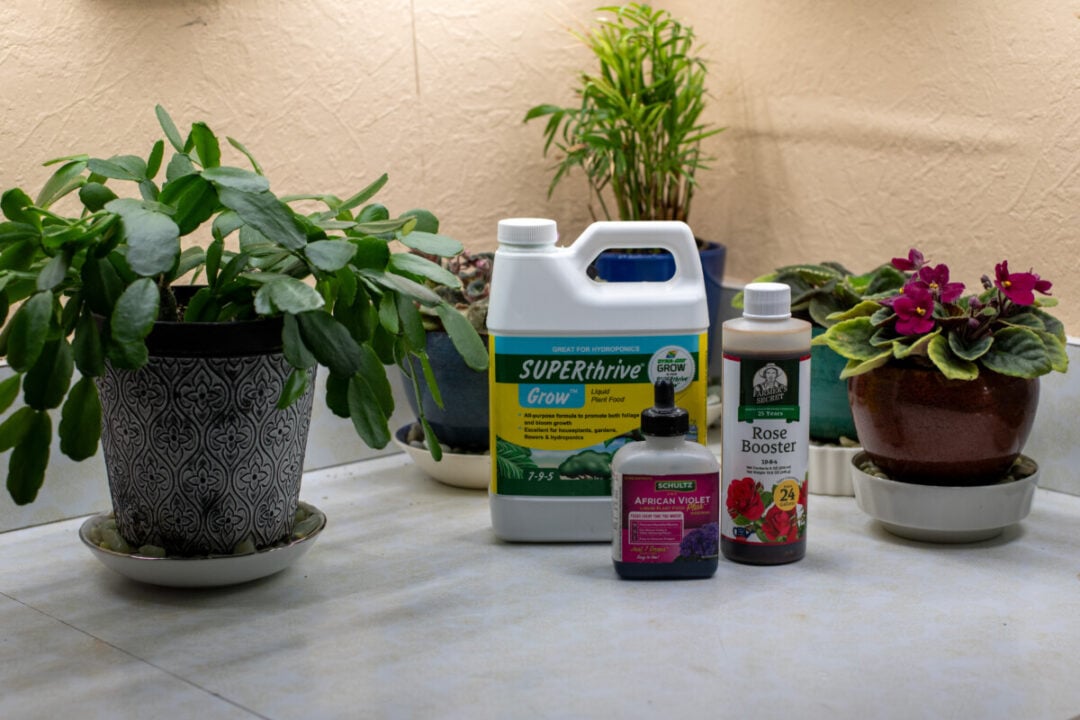
Fertilizer comes in various modalities—liquid, granular, slow-release pellets, and even organic concoctions. Each type offers distinct advantages and challenges. Liquid fertilizers are easily absorbed and allow precise control over nutrient delivery, making them a favored option for many cactus enthusiasts. Granular and slow-release fertilizers provide a prolonged nutrient supply but demand careful application to prevent accumulation and potential root burn. Organic fertilizers, derived from natural sources, enrich the soil’s micro-ecosystem, enhancing overall health beyond mere nutrition.
Application Methods: Precise Techniques for Maximum Benefit
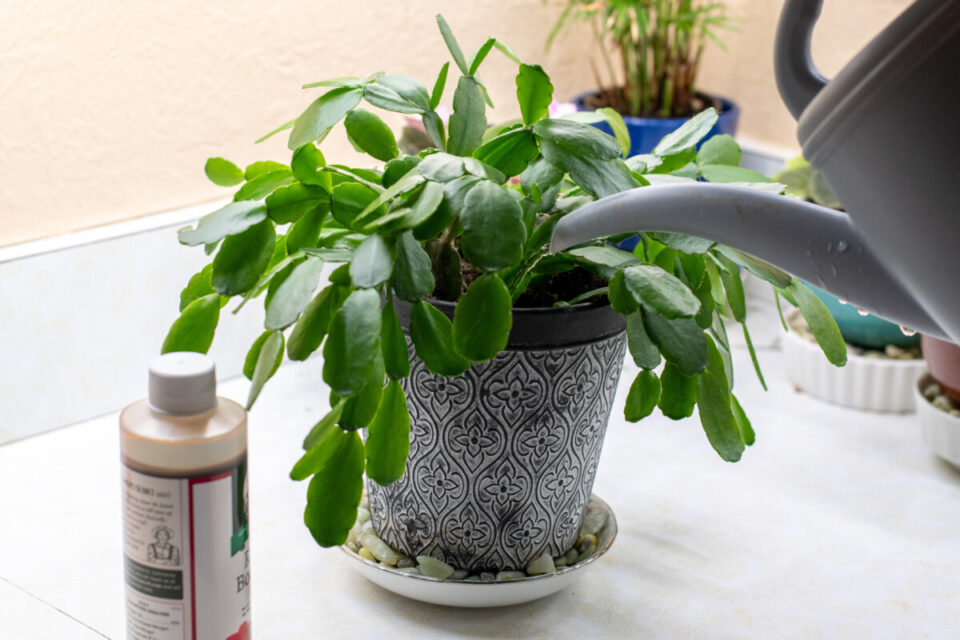
How you apply fertilizer can be just as crucial as what you apply. Over-fertilizing or uneven application is a common pitfall. Diluting liquid fertilizer to half or quarter strength is a prudent approach to avoid nutrient shock. Applying fertilizer directly to dry soil or soaked soil can affect the rate of nutrient uptake—usually, watering the cactus first primes the roots for better absorption. Additionally, dispersing fertilizer evenly around the root zone, avoiding direct contact with the cactus stem, prevents chemical damage. Remember, distribution and dilution are the twin pillars of successful cactus feeding.
Special Considerations for Flowering Cacti
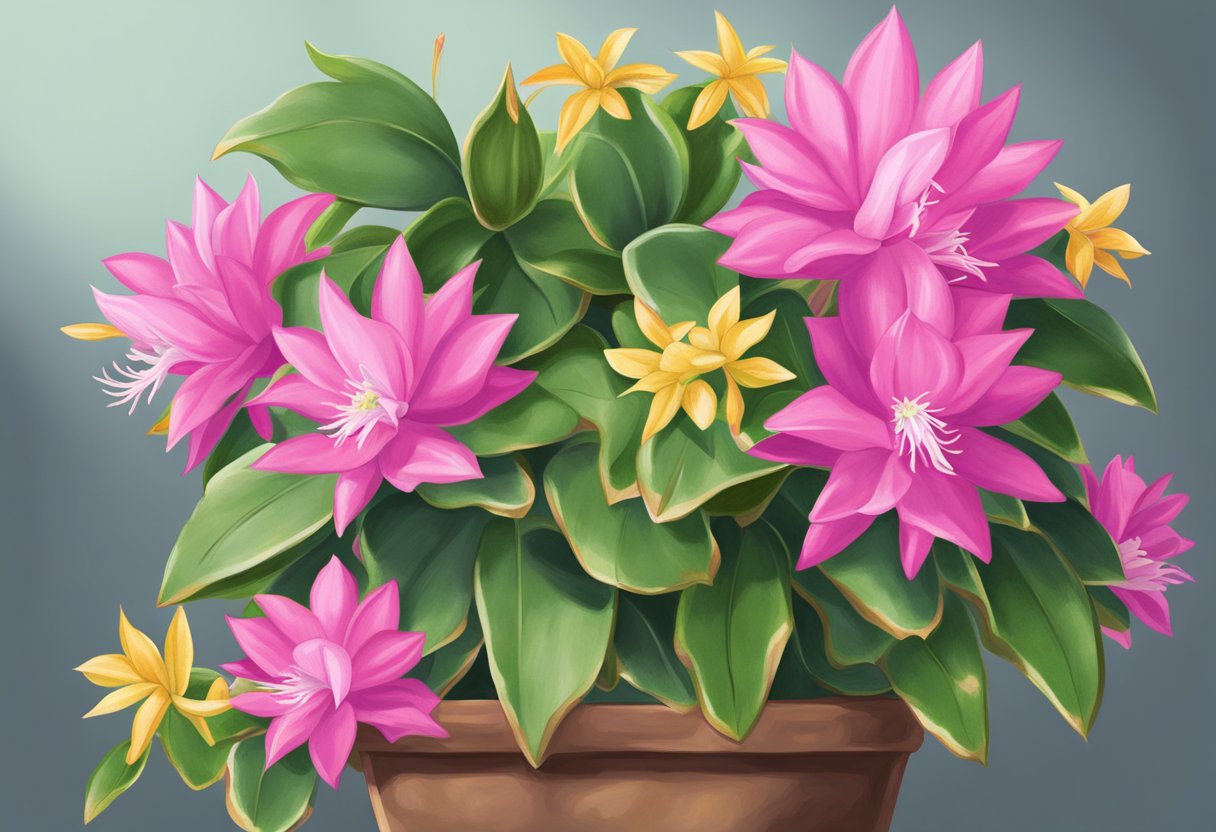
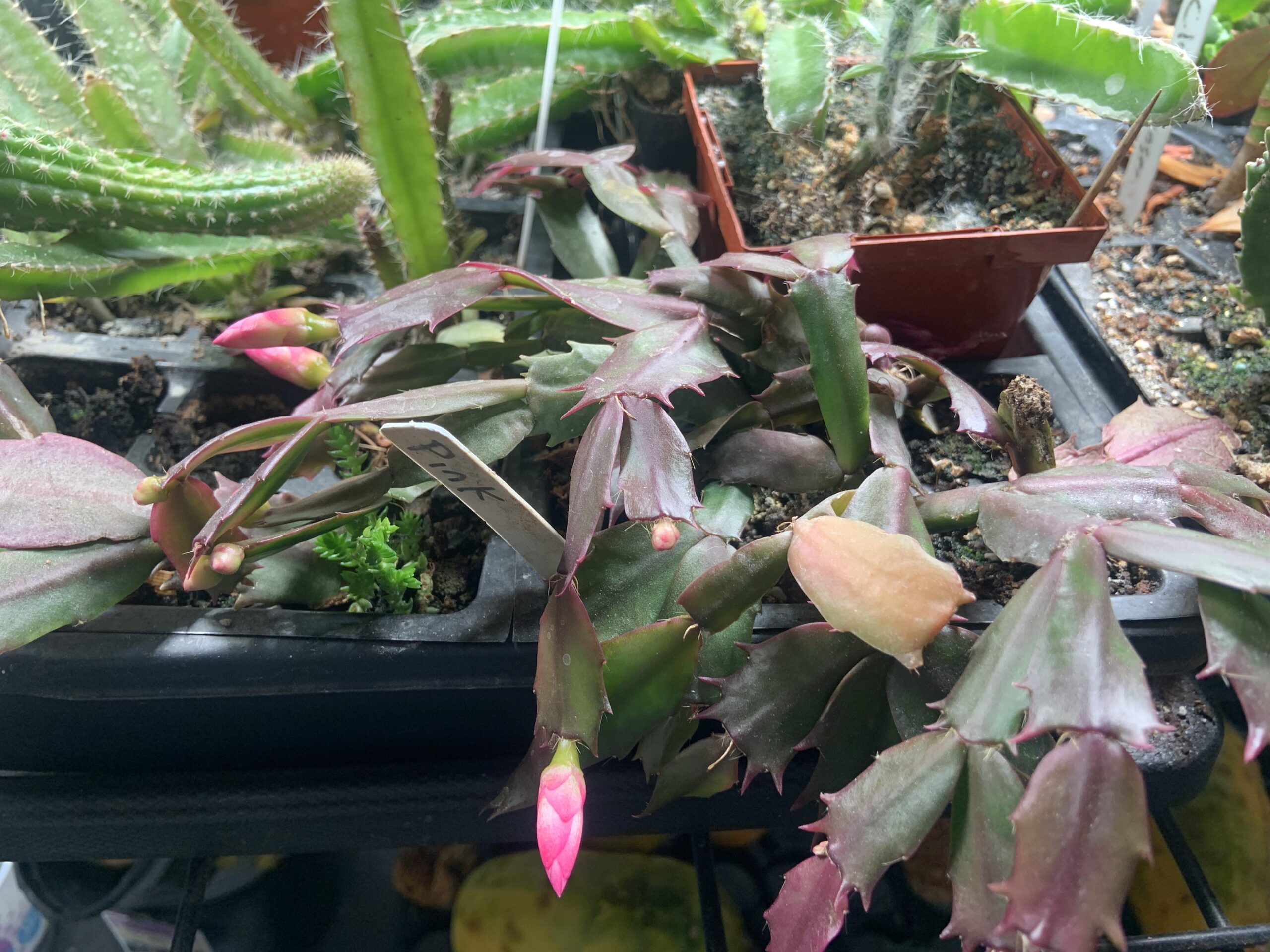
Flowering cacti like the Christmas and Thanksgiving varieties crave specialized attention. Their blooming phase demands an increase in phosphorus to support bud formation and vibrant blossoms. A bloom-boosting fertilizer, richer in phosphorus, used during the pre-flowering period can exponentially improve floral displays. Yet, remember to scale back fertilization after blooming to avoid stressing the plant. Patience and rhythmic feeding tailored to the cactus’s growth cycle unlock spectacular, long-lasting blooms that can awe any observer.
Recognizing Signs of Under- and Over-Fertilization
Cacti communicate through subtle visual cues when their nutritional balance is off-kilter. Pale or yellowing spines, blackened root zones, or stunted growth may hint at nutrient deficiencies or toxic buildups. Leaf drop or wilting can also signal overfeeding, especially when paired with salt crusts around the soil perimeter. Continuous monitoring and adjusting fertilization practices according to these signals help maintain a harmonious nutrient balance. Remember, cacti revel in moderation and resentment in excess.
Integrating Fertilization into Your Routine Care
Optimal fertilization doesn’t exist in a vacuum. It intertwines with watering schedules, light exposure, soil composition, and pot choice. Fertilizer works best when the cactus’s environment supports healthy root function and metabolic activity. For instance, during periods of drought stress, even the best fertilizer won’t be utilized efficiently. Thus, aligning fertilization with consistent, appropriate watering, well-draining soil, and ample sunlight crafts the ultimate growth-conducive habitat.
Conclusion: The Art and Science of Feeding Your Cactus
Fertilizing your cactus is much more than a simple act—it’s a delicate calibration of timing, type, and technique. With attentive care and respect for your cactus’s natural rhythm and specific nutritional needs, you can inspire unparalleled vigor and blossoming beauty. So, the next time you glance at your prickly roommate, remember: beneath those resilient spines lies a silent hunger waiting to be satisfied, turning your cactus into a living, thriving testament to your nurturing prowess.
FAQ
What is the best fertilizer for cacti?
A fertilizer with an NPK ratio around 2-7-7 or 3-7-7 is ideal for cacti, providing the right balance of nutrients.
When should I fertilize my cactus?
The best time to fertilize cacti is between early spring and late summer, during their active growth phase.
Leave a Reply