
Short Answer
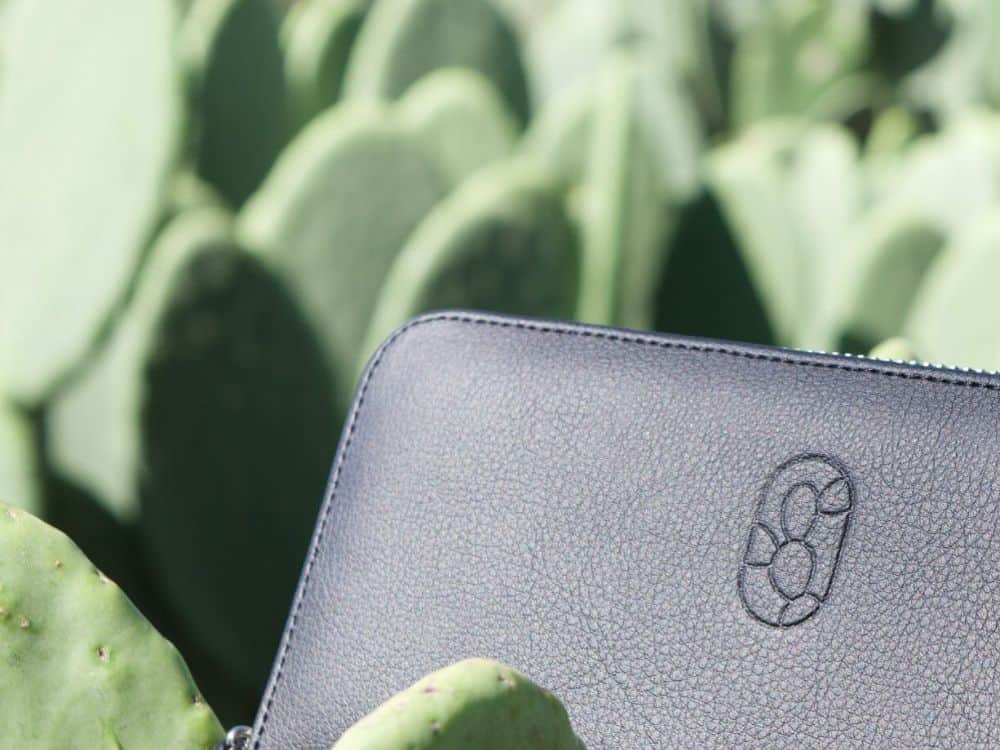
In the quiet hum of a world increasingly aware of its ecological footprint, a quiet revolution is unfolding—not in the clamor of protests, but in the supple, textured embrace of a material that feels both ancient and futuristic. Cactus leather, with its earthy origins and modern applications, has emerged as a symbol of hope for those seeking alternatives to the brutal extraction of animal hides. It whispers promises of sustainability, cruelty-free luxury, and a harmonious coexistence with nature. Yet, beneath its polished surface lies a deeper narrative, one that challenges our perceptions of progress and tradition alike.
The Allure of the Unconventional: Why Cactus Leather Captivates the Imagination
There’s something inherently poetic about a plant that thrives in arid landscapes, demanding little more than sunlight and sparse rainfall, yet yielding a material so versatile it can mimic the buttery softness of calfskin or the rugged durability of cowhide. Cactus leather doesn’t just offer a substitute; it redefines the very essence of what leather can be. Its appeal isn’t merely functional—it’s almost mythic. Like the resilient succulent from which it’s derived, cactus leather embodies a paradox: soft yet strong, delicate yet enduring, a paradox that mirrors our own evolving relationship with fashion and ethics.
The fascination with cactus leather isn’t just about its eco-friendly credentials. It’s about the subversion of expectations. For centuries, leather has been synonymous with luxury, status, and tradition, often at the expense of animal welfare and environmental health. Cactus leather flips this script, offering a material that is both high-performance and humane, without the baggage of guilt. It’s as if nature itself has conspired to provide an answer to the ethical dilemmas of modern consumerism, wrapped in the unassuming guise of a desert plant.
The Environmental Paradox: Can a Plant-Based Leather Truly Be Sustainable?
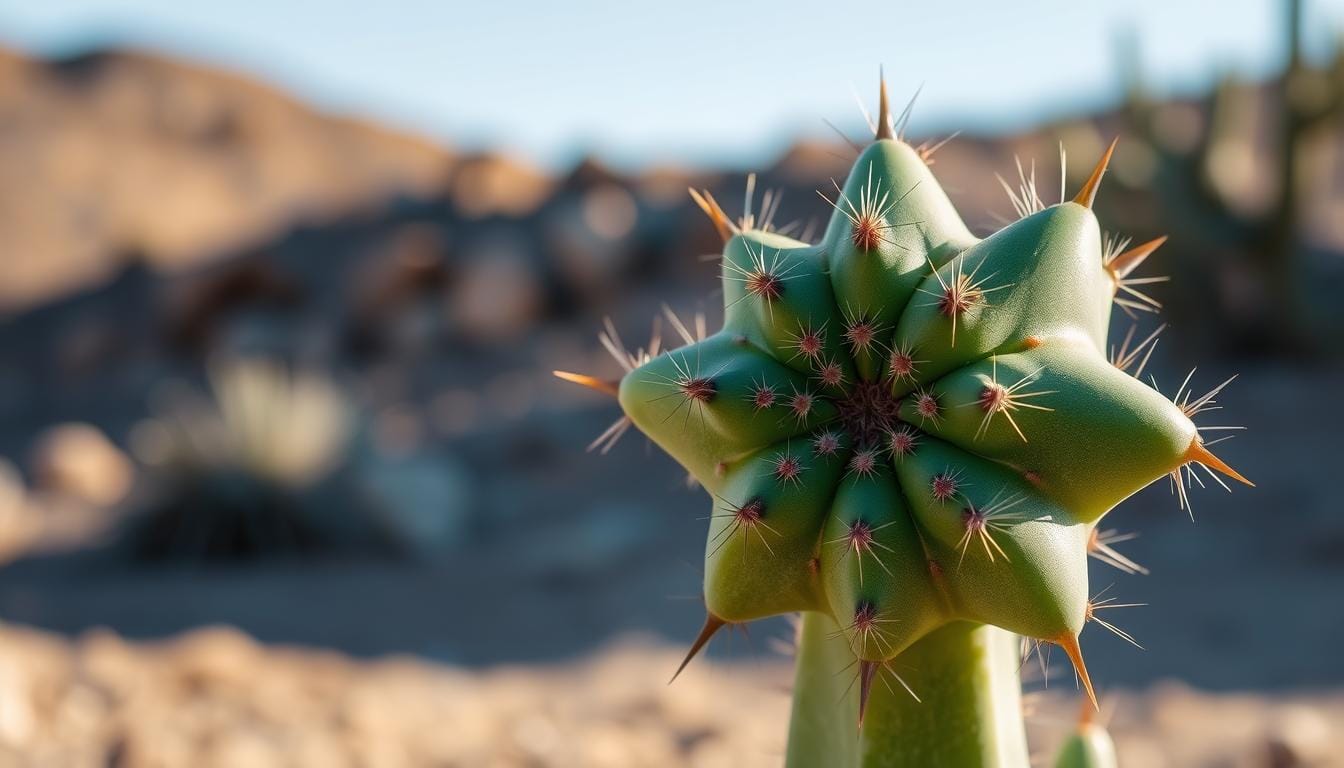
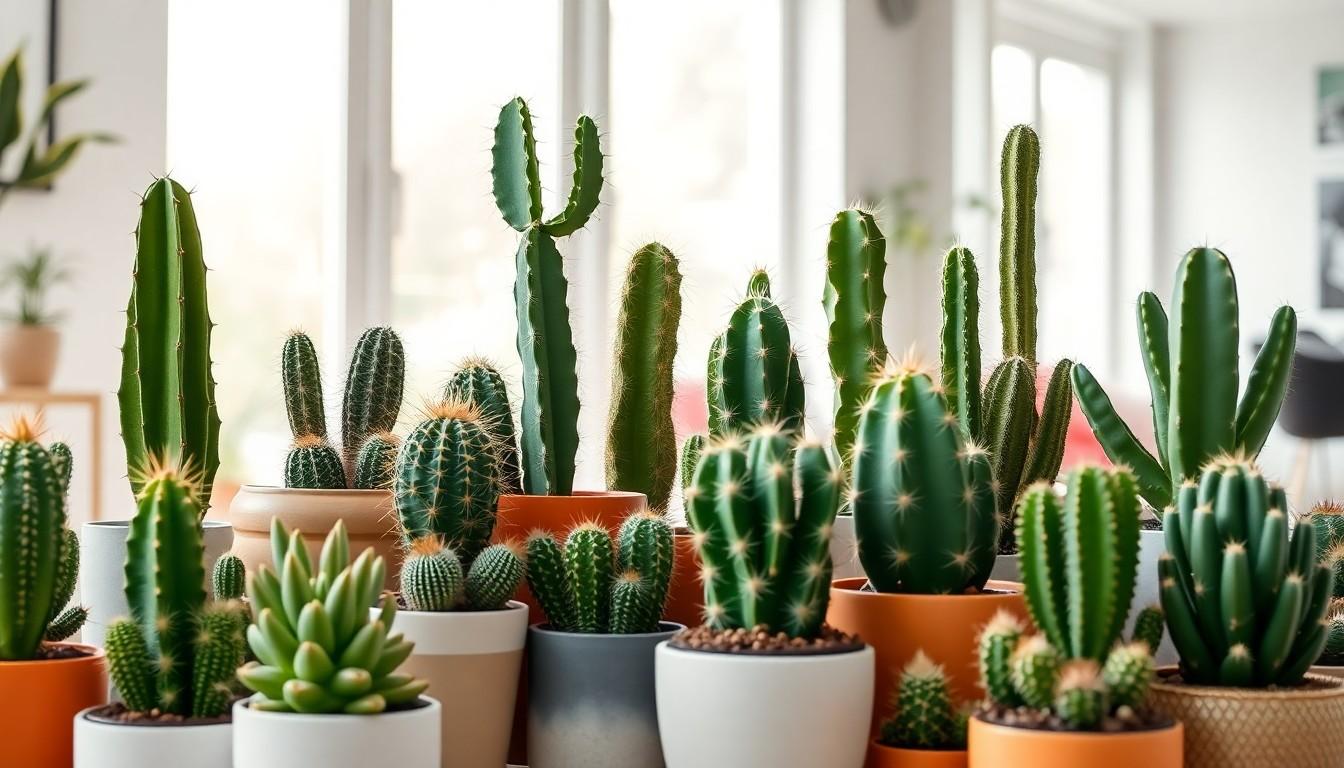
At first glance, cactus leather seems like a panacea for the fashion industry’s sins. Unlike traditional leather, which requires vast tracts of land, copious amounts of water, and the slaughter of millions of animals annually, cactus leather is derived from the nopal cactus, a plant that grows abundantly in Mexico and other arid regions. The cultivation process is remarkably low-impact: the cactus requires minimal irrigation, thrives in poor soil, and can be harvested without uprooting the plant, allowing for regrowth and continuous production.
But sustainability is a multifaceted beast, and cactus leather’s green credentials aren’t without scrutiny. The production process involves transforming the cactus’s cellulose into a usable material, often through chemical treatments that can include synthetic binders and dyes. While these processes are generally less toxic than tanning animal hides—where chromium and other heavy metals are common—they still raise questions about the true eco-friendliness of the final product. Is cactus leather truly sustainable, or is it merely a more palatable alternative in an industry desperate for redemption?
The answer lies in the nuances. Cactus leather’s sustainability is relative, dependent on the scale of production, the methods used, and the lifecycle of the product. When produced at scale with transparent, non-toxic processes, it can significantly reduce the environmental burden compared to conventional leather. Yet, it’s not a silver bullet. The fashion industry’s obsession with novelty and disposability means that even the most sustainable materials can become part of the problem if they’re not designed for longevity. The real test of cactus leather’s sustainability will be whether it can inspire a shift toward mindful consumption, rather than just another disposable trend.
The Ethical Revolution: A Leather Without the Bloodshed
For those who’ve spent a lifetime turning away from the racks of animal hides in department stores, the idea of a leather that doesn’t come at the cost of a sentient life is nothing short of revolutionary. Traditional leather production is steeped in violence—from the brutal treatment of animals in factory farms to the often-harrowing conditions of slaughterhouses. Even in industries that tout “ethical” leather, the reality is far from kind. Cactus leather offers a radical departure from this cycle, providing a material that aligns with the values of compassion and justice.
Yet, the ethical appeal of cactus leather extends beyond its cruelty-free origins. It challenges the very notion of what luxury should entail. For too long, luxury has been conflated with exclusivity, often at the expense of ethics. Cactus leather disrupts this paradigm, proving that indulgence and compassion can coexist. It invites consumers to redefine their relationship with fashion, to see their purchases not as mere transactions, but as statements of intent. In a world where every dollar spent is a vote for the kind of world we want to live in, cactus leather becomes a tangible act of rebellion against the status quo.
The ethical implications of cactus leather also extend to the communities that cultivate it. In regions where the nopal cactus is native, its cultivation can provide sustainable livelihoods, particularly for small-scale farmers. Unlike industrial agriculture, which often exploits both land and labor, cactus farming can be a source of empowerment, offering a way to preserve traditional knowledge while embracing modern innovation. This intersection of ethics, ecology, and economy is where cactus leather truly shines—a material that doesn’t just spare lives, but can uplift communities as well.
From Runway to Reality: The Fashion Industry’s Cautious Embrace
The fashion industry, ever the chameleon, has been quick to adopt cactus leather as the darling of the sustainable fashion movement. Designers and brands, from emerging labels to industry giants, are experimenting with the material, crafting everything from handbags to shoes to even automotive interiors. The appeal is undeniable: a material that checks the boxes of sustainability, ethics, and style is a marketer’s dream. Yet, the industry’s embrace of cactus leather is not without its contradictions.
For one, the fashion world’s obsession with novelty often undermines its own sustainability efforts. Trends come and go at a dizzying pace, and materials like cactus leather risk being relegated to the same cycle of disposability as everything else. The challenge for designers is to create pieces that are not just fashionable, but timeless—garments and accessories that transcend the ephemeral nature of trends. This requires a shift in mindset, from one of consumption to one of curation, where each piece is valued for its craftsmanship and longevity rather than its fleeting allure.
Moreover, the adoption of cactus leather by mainstream fashion raises questions about accessibility. Sustainable materials often come with a premium price tag, making them inaccessible to the very communities that could benefit most from their ethical advantages. The fashion industry must grapple with how to democratize these innovations, ensuring that the benefits of cactus leather are not confined to the elite but are available to all. This is where the true test of the material’s impact will lie—not in the glossy pages of high-fashion magazines, but in the everyday wardrobes of people who choose compassion without compromise.
The Future Stitched in Green: What Lies Ahead for Cactus Leather?
The story of cactus leather is still being written, and its future is as uncertain as it is exciting. On one hand, the material holds immense promise—a tangible solution to some of the fashion industry’s most pressing dilemmas. On the other, its success hinges on a collective shift in values, a willingness to prioritize ethics over convenience, and a commitment to sustainability that goes beyond mere lip service. The path forward will require collaboration between innovators, designers, consumers, and policymakers, each playing a role in shaping a future where fashion and ethics are not at odds, but in harmony.
As technology advances, so too will the possibilities for cactus leather. Researchers are already exploring ways to enhance its properties, from improving its durability to developing biodegradable alternatives to the synthetic binders currently used in production. The goal is not just to create a better material, but to redefine the very concept of leather itself—stripping away the associations of exploitation and waste, and replacing them with a narrative of regeneration and respect.
The fascination with cactus leather is more than just a passing trend. It’s a reflection of a deeper yearning for a world where our choices align with our values, where indulgence doesn’t come at a cost, and where even the smallest decisions—like the material of a handbag or the lining of a shoe—can be acts of defiance against a broken system. Cactus leather is not just an alternative to animal hides; it’s a symbol of what’s possible when we dare to imagine a different kind of future. And perhaps, in its prickly, resilient form, we see a mirror of our own capacity for change.
FAQ
What is cactus leather?
Cactus leather is a sustainable material made from the nopal cactus, serving as an alternative to traditional animal hides.
Is cactus leather environmentally friendly?
Yes, cactus leather is considered environmentally friendly as it uses less water and land compared to traditional leather production.
How does cactus leather compare to animal leather?
Cactus leather is cruelty-free, offering similar durability and aesthetic appeal as animal leather without the ethical concerns.

Leave a Reply