
Short Answer
The cactus—once a symbol of resilience, a silent sentinel of the arid expanse—has slithered its way into the shadowy corners of horror cinema. What begins as a mere backdrop in a sun-baked landscape evolves into something far more sinister: a harbinger of dread, a witness to unspeakable horrors, or even an active participant in terror. This is not the cactus of postcards or eco-tourism brochures. This is the cactus of nightmares, where spines become talons, blooms become warnings, and the desert itself seems to breathe with malice. Welcome to a world where the desert plant is no longer just a plant—it’s a character, a force, a silent scream in the dark.
The Cactus as Silent Witness: A Landscape of Forgotten Tragedies
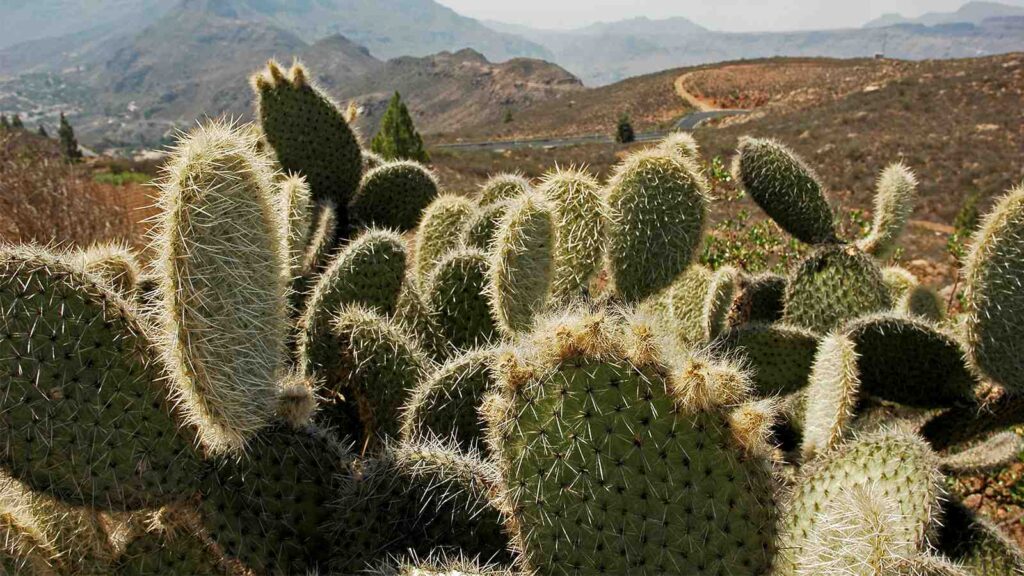
In the vast, sun-bleached canvas of the desert, the cactus stands as a silent witness to human folly and fragility. Films like The Hills Have Eyes and Wolf Creek use the saguaro and prickly pear not merely as scenery, but as mute observers of violence. These towering sentinels, their arms outstretched like skeletal fingers, frame scenes of abduction and despair. The cactus doesn’t act—it endures. It doesn’t speak—it remembers. In the stillness of the desert night, its spines seem to hum with the echoes of past atrocities, casting long, jagged shadows that stretch like accusations across the sand. The horror isn’t in the cactus itself, but in what it has seen—and what it might one day reveal.
Consider the saguaro’s slow growth, a process that spans decades. It is a metaphor for patience, for endurance. But in horror, that patience becomes a threat. The cactus waits. It watches. It knows. When a lost traveler stumbles upon a cluster of these giants in the dead of night, the realization dawns: they are not alone. The desert is not empty. It is populated—by memory, by vengeance, by something ancient and hungry that has learned to wear the guise of flora.
Spines That Pierce the Psyche: The Cactus as a Tool of Psychological Terror
Horror thrives on the uncanny—the familiar made strange, the innocuous turned malignant. The cactus, with its familiar silhouette and prickly exterior, is the perfect vessel for this transformation. In psychological horror films such as The Descent and Annihilation, the cactus becomes a tactile nightmare. Its spines are not just physical barriers; they are psychological barbs, latching onto the mind and refusing to let go. A protagonist brushing against a cluster of cholla may not bleed immediately, but the memory lingers—itching, festering, growing. The cactus doesn’t need to move to inflict pain. It only needs to exist in the periphery, a constant reminder of vulnerability in an inhospitable world.
Filmmakers exploit this duality: the cactus is both protector and predator. In the daylight, it offers shade and sustenance. At dusk, its silhouette twists into something grotesque. The play of light and shadow across its ribs creates the illusion of movement—of eyes opening, of mouths forming. The mind, already primed for dread, fills in the gaps. A rustle in the brush? A cactus swaying. A whisper in the wind? The cactus speaking. The horror lies not in what is seen, but in what the mind imagines lurking behind those spiny walls.
Blooms of Blood: When Cacti Become Omens of Violence
Nature’s beauty often masks nature’s brutality—and the cactus is no exception. In horror, the cactus’s rare and fleeting bloom becomes a harbinger of bloodshed. The vibrant reds, yellows, and purples that burst forth in the desert dawn are not signs of life, but of death. Films like The Ruins and The Cabin in the Woods use the cactus bloom as a visual cue: something is wrong. Something is coming. The bloom is not a gift. It is a warning. It is the desert’s way of saying, “This is where the earth bleeds.”
In some narratives, the bloom itself is the catalyst. A character plucks a flower, only to trigger a chain reaction—traps spring, roots writhe, and the desert awakens. The cactus, once a symbol of life in adversity, becomes a trigger for annihilation. The irony is delicious: the very thing that sustains life in the desert is the thing that ends it. The bloom is not a promise of renewal. It is a signature of doom.
Even the scent of a blooming cactus—sweet, intoxicating—becomes a lure. It draws the unwary closer, only to reveal the spines waiting beneath the petals. The horror is not in the sting, but in the seduction. The cactus doesn’t attack. It invites. And in that invitation lies the trap.
The Cactus as Predator: When Flora Turns Fauna
But what if the cactus isn’t just a witness or a warning? What if it is the predator? In the realm of body horror and surreal terror, the cactus evolves from passive plant to active menace. Films like The Thing and Annihilation flirt with this idea: what if the desert’s flora is not just alive—but hungry? What if the spines are not defenses, but feeding tubes? What if the blooms are not flowers, but mouths?
Imagine a cactus that doesn’t just grow—it hunts. Its arms stretch not toward the sun, but toward prey. Its roots slither through the sand like serpents. Its spines inject not just pain, but transformation—turning flesh into something new, something that will feed the next generation of cacti. The horror shifts from external threat to existential dread. The cactus is no longer a symbol. It is a god. And it demands worship through suffering.
This subversion of nature’s laws is what makes the cactus such a potent horror icon. It defies biology. It mocks evolution. It says: in this world, the line between plant and predator is thinner than you think. And the desert is full of hungry things.
Cultural Roots: The Cactus in Folklore and Fear
The horror of the cactus is not born in cinema alone. It is rooted in ancient myth and indigenous storytelling. In Mexican folklore, the nopal cactus is tied to sacrifice and rebirth. In Native American traditions, certain cacti are gateways to the spirit world. These stories, passed down through generations, carry a kernel of fear: the cactus is not just a plant. It is a threshold. It is a boundary between the known and the unknown. And thresholds, in horror, are never safe.
Horror cinema taps into this deep well of cultural unease. By repurposing the cactus as a sinister entity, filmmakers are not inventing fear—they are excavating it. They are taking a symbol of life and turning it into a vessel for death. They are saying: the desert remembers. And it is not forgiving.
The cactus, in these stories, becomes a mirror. It reflects our deepest fears: of being lost, of being watched, of being consumed. It is the desert’s way of whispering: you are not the apex here. You are the prey.
The Final Thorn: Why the Cactus Endures as a Horror Icon
So why does the cactus persist in horror? Why does it haunt our screens and our dreams? Because it is the perfect metaphor for the genre itself. It is beautiful and deadly. It is familiar and alien. It offers comfort and delivers pain. It blooms in the light and thrives in the dark. It is both victim and villain, witness and weapon.
The cactus in horror is not just a plant. It is a transformation. It is the moment when the ordinary becomes extraordinary—and not in a good way. It is the realization that the world is not as it seems. That the desert is not empty. That the cactus is not harmless. And that the next time you see one silhouetted against the sunset, you might not be alone.
The horror of the cactus is not in its spines. It is in what they represent: the fragility of human life, the indifference of nature, and the creeping dread that we are never truly safe—even in the most barren of landscapes. The cactus does not scream. It does not run. It simply waits. And in that waiting, it becomes the ultimate horror.
FAQ
What role do cacti play in horror movies?
Cacti often serve as symbols of resilience and witnesses to human atrocities, evolving into sinister representations that embody both beauty and danger.
Are cacti portrayed as predators in any films?
Yes, some horror films depict cacti as active predatory entities, challenging the traditional view of plants as passive organisms.


Leave a Reply