
Short Answer
What if the next rare houseplant adorning your windowsill was stolen from the wild? What if the delicate, jewel-toned Gymnocalycium cactus you’ve nurtured with such care was plucked from its natural habitat by poachers who left behind barren landscapes and endangered ecosystems? The illegal trade of Chin cacti isn’t just a niche problem—it’s a shadowy underworld where beauty and brutality collide, and it’s time we shed light on this overlooked crisis.
The Allure That Fuels a Shadow Market
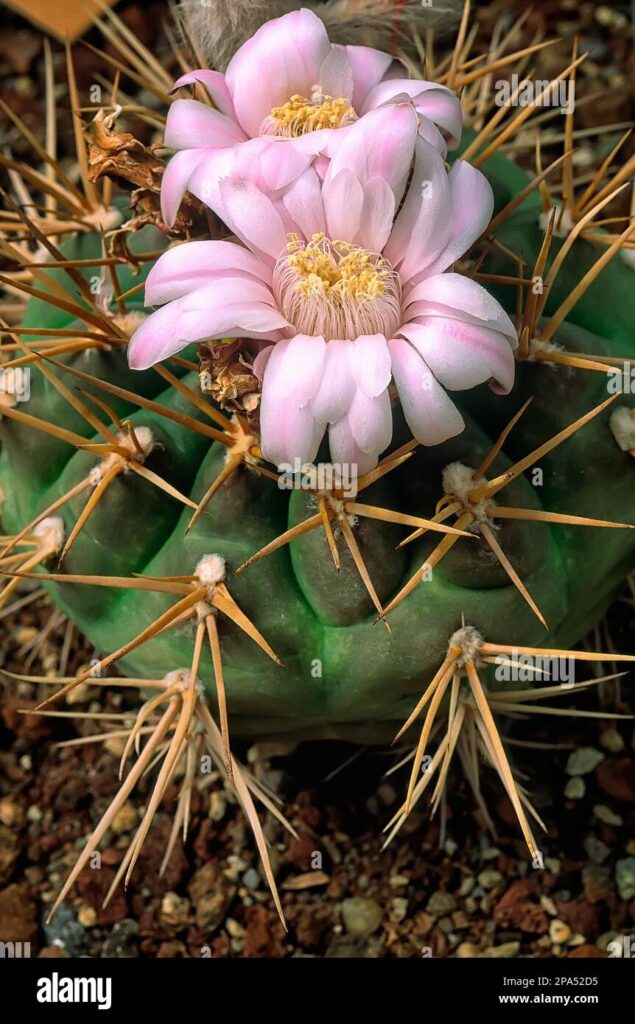
The Gymnocalycium genus, affectionately dubbed “Chin cacti” for their distinctive chin-like ribbed appearance, has captivated plant enthusiasts worldwide. Their compact, globular forms and vibrant hues—ranging from ghostly whites to deep purples—make them prized specimens in both private collections and commercial nurseries. But here’s the twist: their rarity in the wild has turned them into trophies for collectors willing to pay exorbitant prices. A single mature Gymnocalycium can fetch hundreds, even thousands, on the black market, igniting a poaching epidemic that thrives in the cracks of global trade regulations. What begins as a love for these desert jewels often ends in ecological devastation, as poachers strip fragile habitats bare, leaving behind scars that may never heal.
The Poacher’s Playbook: How the Trade Thrives
Poaching Chin cacti isn’t a haphazard act of desperation—it’s a calculated operation, often orchestrated by well-organized networks that exploit loopholes in international law. Smugglers target remote regions where enforcement is lax, using GPS coordinates to locate prized clusters of Gymnocalycium. They employ rudimentary tools—knives, trowels, even bare hands—to uproot these slow-growing survivors, sometimes wiping out entire colonies in a single raid. The cacti are then smuggled across borders, hidden in luggage, shipped as “gifts,” or mislabeled as cultivated stock. Customs officials, overwhelmed by the sheer volume of plant imports, often miss the telltale signs of wild-collected specimens. Meanwhile, the poachers? They move on, leaving behind a trail of ecological ruin and communities stripped of their natural heritage.
The Human Cost: Exploited Labor and Stolen Livelihoods
Behind the glossy photos of thriving cacti in urban apartments lies a darker narrative of exploitation. Many poachers are not masterminds of a grand scheme but desperate individuals—often from marginalized communities—lured by the promise of quick cash. In regions like the Andes or the Brazilian sertão, where Gymnocalycium species are endemic, poverty drives locals to participate in the trade, either as collectors or middlemen. They risk fines, imprisonment, or worse, all while the true beneficiaries—international dealers and wealthy collectors—remain untouched. This isn’t just an environmental crime; it’s a social one, where the most vulnerable bear the brunt of an industry that values profit over people. What’s more, the displacement of indigenous knowledge—traditional practices of sustainable harvesting—further erodes the cultural fabric of these communities.
The Silent Victims: Ecosystems Under Siege
Imagine a desert so parched that even the hardiest cacti struggle to survive. Now imagine poachers stripping the land of its last remaining Gymnocalycium, leaving behind a wasteland where topsoil erodes and native flora withers. These cacti play a crucial role in their ecosystems, providing microhabitats for insects, birds, and small mammals. Their removal disrupts entire food chains, accelerating desertification and reducing biodiversity. Some species, like Gymnocalycium baldianum, are already teetering on the brink of extinction, their populations decimated by relentless poaching. The irony? The very traits that make them desirable—slow growth, specific soil needs, and limited natural reproduction—also make them nearly impossible to replace once gone. We’re not just losing plants; we’re unraveling the delicate tapestry of life that sustains these arid landscapes.
The Global Web: How the Trade Spans Continents
The illegal cactus trade is a hydra-headed monster, with tentacles stretching from South America to Europe, Asia, and beyond. Online marketplaces, social media groups, and even auction sites have become hunting grounds for poachers and buyers alike. Disguised as “rescues” or “propagations,” wild-collected Gymnocalycium are peddled to unsuspecting enthusiasts who may never question their origins. Shipping companies, unaware or complicit, facilitate the movement of these illicit goods, while weak penalties in many countries mean poachers face little more than a slap on the wrist. The internet has democratized the trade, turning a once-local problem into a global epidemic. How do we sever these digital lifelines before it’s too late?
Fighting Back: Conservation in the Age of Greed
Combating Gymnocalycium poaching requires a multi-pronged approach, blending legislation, education, and grassroots activism. Stricter enforcement of CITES (Convention on International Trade in Endangered Species) regulations is a start, but it’s not enough. Countries must invest in rangers trained to identify and protect cactus habitats, while also cracking down on corrupt officials who turn a blind eye. Public awareness campaigns can educate buyers about the ethical implications of their purchases, encouraging them to seek out cultivated specimens instead. Botanical gardens and conservation organizations are leading the charge, propagating rare species in controlled environments to reduce demand for wild-collected plants. Yet, the battle is uphill. For every cactus saved, another is plucked from the earth. The question isn’t just how to stop the poaching—it’s whether we, as a society, are willing to pay the price for true sustainability.
The Power of the Plant Parent: What You Can Do
Every time you bring a new plant into your home, you’re making a choice—one that ripples through ecosystems and supply chains. Start by demanding transparency from nurseries: ask for proof of cultivation, not just pretty labels. Support ethical sellers who prioritize conservation over profit. Consider adopting rescue plants or propagating your own specimens to reduce reliance on wild populations. And most importantly, spread the word. Share the stories of these resilient desert survivors, not just their beauty. Because in the fight against poaching, awareness is the first line of defense. The next time you admire a Gymnocalycium on your shelf, ask yourself: Is this a symbol of life or a trophy of theft? The answer depends on the choices we make today.
FAQ
What are Gymnocalycium cacti?
Gymnocalycium cacti, also known as Chin cacti, are a genus of cacti characterized by their ribbed appearance and vibrant colors, making them popular among collectors.
What impact does poaching have on ecosystems?
Poaching disrupts ecosystems by removing key species like Gymnocalycium, leading to reduced biodiversity and harming food chains.
How can I help prevent cactus poaching?
Support ethical sellers, demand transparency in plant sourcing, and raise awareness about the impacts of illegal trade.





Leave a Reply