
Short Answer
There’s a quiet rebellion in the way a cactus stands—unyielding, defiant, yet breathtakingly beautiful. It thrives where others wither, basks in the sun without apology, and blooms in bursts of color when least expected. Capturing its essence in a photograph isn’t just about technical skill; it’s about embracing its tenacity, its solitude, and its unexpected grace. Whether you’re wandering the arid deserts of the Southwest or stumbling upon a prickly sentinel in a botanical garden halfway across the world, cactus photography invites you to see the extraordinary in the overlooked. This guide isn’t just a manual—it’s a manifesto for seeing differently, for finding strength in spareness, and for turning the mundane into the magnificent.
The Art of Seeing the Unseen: Why Cacti Demand Your Attention
Cacti are the unsung heroes of the plant kingdom, often dismissed as mere obstacles on a hike or decorative afterthoughts in a pot. But look closer. Their spines aren’t just defenses; they’re architectural marvels, casting shadows that dance with the light. Their flowers, when they deign to bloom, are fleeting masterpieces—delicate, vibrant, and ephemeral. To photograph a cactus is to engage in a silent dialogue with resilience. It’s a reminder that beauty doesn’t always announce itself loudly; sometimes, it whispers from the cracks of a sunbaked rock. The first step in cactus photography isn’t about gear or settings—it’s about shifting your gaze. Train yourself to notice the interplay of light and shadow on their ribs, the way their silhouettes carve the horizon, the unexpected symmetry of their arms reaching skyward. This isn’t just photography; it’s a meditation on endurance.
Golden Hour Alchemy: Harnessing Light to Elevate Your Shots
The desert’s light is a mercurial beast—harsh, unrelenting by day, but at dawn and dusk, it transforms into liquid gold. This is when cacti become ethereal. The low angle of the sun backlights their spines, turning them into glowing needles of fire. It sculpts their forms, casting long, dramatic shadows that add depth to your frame. But golden hour isn’t just about timing; it’s about intention. Position yourself so the light kisses the cactus from behind, creating a halo effect. Or, for a more intimate shot, crouch low and let the sun rake across their surfaces, highlighting every wrinkle and crevice. Don’t fear the shadows—they’re not obstacles but collaborators, adding layers to your composition. And remember: the desert’s light changes in seconds. Stay patient. Wait for that moment when the sun dips just low enough to ignite the spines without washing out the colors. That’s when the magic happens.
Composition as Rebellion: Breaking Rules to Find Your Voice
Photography, like life, is often governed by unspoken rules—rule of thirds, leading lines, symmetry. But cacti? They laugh in the face of convention. Their irregular shapes, their chaotic arrangements, their stubborn refusal to conform—these are invitations, not challenges. To photograph a cactus well is to embrace imperfection. Try shooting from a low angle, making the cactus loom over the viewer like a silent guardian. Or get so close that the frame dissolves into a sea of spines, turning abstraction into art. Place a lone cactus against a vast, empty sky to emphasize its isolation. Or cluster them together, their spines tangling like a thorny embrace. The desert is a study in contrasts—life and death, stillness and motion, softness and sharpness. Let your compositions reflect that tension. Shoot through other elements: a rusted fence post, a cracked adobe wall, the skeletal remains of a long-dead plant. These aren’t distractions; they’re storytelling devices, adding context and depth to your narrative.
The Macro Mirage: Discovering Beauty in the Minute
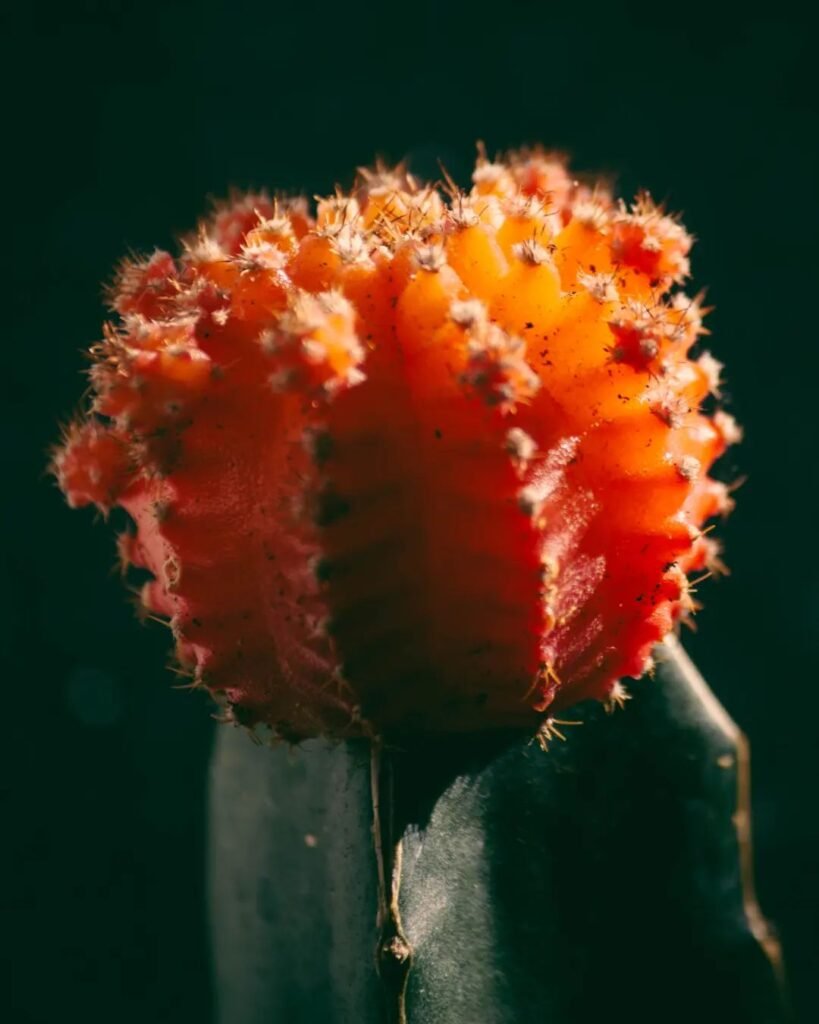
Zoom in. The spines of a cactus aren’t just defensive weapons; they’re intricate sculptures, each one unique. The areoles—the small, woolly spots from which spines grow—are tiny universes of texture. The petals of a blooming cactus are like stained glass, catching the light in ways that defy logic. Macro photography isn’t just about close-ups; it’s about revelation. It’s about turning the invisible into the visible. Use a macro lens or extension tubes to explore the cactus’s hidden details. Focus on the dew that clings to spines at dawn. Capture the delicate fuzz on a young pad. Frame a single bud just as it begins to unfurl. These shots don’t just document a cactus; they celebrate its complexity. And don’t limit yourself to the obvious. Look at the way ants navigate the spines, the way dust settles in the crevices, the way a spider weaves its web between the arms. The devil, as they say, is in the details—and so is the divine.
Color as Character: Playing with Palette and Contrast
Cacti aren’t just green. They’re a symphony of hues—emerald, jade, olive, sometimes even blue or purple. Their flowers explode in bursts of red, yellow, pink, or white. To photograph them is to conduct that symphony. But color isn’t just about saturation; it’s about mood. A cactus against a turquoise sky feels playful, almost whimsical. One against a blood-red sunset feels dramatic, almost cinematic. Use color to evoke emotion. Shoot a cluster of cacti in full bloom to create a riot of color, or isolate a single, muted green specimen against a monochromatic backdrop for a minimalist statement. Pay attention to the interplay of warm and cool tones. The spines of a barrel cactus might catch the warm light of the setting sun while the shadows beneath it remain cool and blue. That contrast? That’s your secret weapon. And don’t forget the power of black and white. Stripped of color, a cactus’s form becomes a study in shape and texture—a reminder that beauty isn’t always about vibrancy, but about contrast and line.
The Desert’s Whispers: Incorporating Environment and Context
A cactus doesn’t exist in a vacuum. It’s a product of its environment—a survivor in a land where water is scarce and the sun is relentless. To truly capture its essence, you must include its world. Frame a saguaro against the saguaro forest, its arms reaching like a chorus line against the sky. Show a prickly pear nestled in a bed of rocks, its pads glowing in the late afternoon light. Include the cracked earth, the distant mountains, the skeletal remains of other plants. These aren’t just backdrops; they’re characters in the story. They tell the viewer where the cactus lives, how it survives, what it endures. But be mindful of clutter. A busy background can distract from the subject. Use a wide aperture to blur the surroundings, or position yourself so the cactus stands out against a clean, uncluttered horizon. The desert is vast, but your frame doesn’t have to be. Sometimes, the most powerful images are the simplest ones—a single cactus, a single sky, a single story.
Patience and Persistence: The Unsung Virtues of Cactus Photography
Cacti don’t perform on command. They bloom when they’re ready, when the conditions are just right. And so must you. Patience isn’t just a virtue in photography; it’s a necessity. You might spend hours waiting for the perfect light, the perfect angle, the perfect moment. You might return to the same cactus day after day, watching as its buds swell and finally burst into color. But that’s where the magic lies. Photography isn’t just about capturing a moment; it’s about being present for it. It’s about learning the rhythms of the desert, the way the light shifts, the way the wind moves the spines, the way the shadows grow and shrink. And persistence? It’s what separates the snapshots from the art. Don’t be afraid to get low, to climb a hill, to wait until the last possible second. The best shots often come when you’re least expecting them—when you’ve given up and then, suddenly, the cactus reveals itself to you.
Cactus photography is more than a hobby. It’s a practice in seeing the world differently. It’s a celebration of resilience, a study in contrasts, a meditation on endurance. It’s about finding beauty in the prickly, the unexpected, the overlooked. So next time you encounter a cactus, don’t just walk past it. Stop. Look. Wait. Let it show you its secrets. And when you finally press the shutter, you won’t just capture an image—you’ll capture a story.
FAQ
What is cactus photography?
Cactus photography involves capturing images of cacti in various settings, focusing on their unique beauty and characteristics.
What are the best times to photograph cacti?
The golden hours at dawn and dusk are ideal for photographing cacti due to the soft, warm light.




Leave a Reply