

Short Answer
Have you ever paused mid-sip of your morning coffee to watch a bee zigzag between the spines of a cactus, its fuzzy body dusted with golden pollen like a tiny, winged treasure hunter? What if I told you that beneath the prickly exterior of these desert sentinels lies a bustling metropolis of pollination, where bees are the unsung choreographers of life? Welcome to the hidden world of cactus pollinators—where the stakes are high, the stakes are sweet, and the stakes are, quite literally, the future of entire ecosystems.
The Desert’s Delicate Dance: Why Cacti Need Bees More Than You Think
Cacti aren’t just prickly recluses; they’re masterful survivors with a secret weapon: their flowers. These blooms, often radiant and fragrant, are more than just a feast for the eyes—they’re a lifeline. But here’s the twist: cacti have evolved to rely on a very specific kind of partner. Unlike many flowering plants that cast a wide pollinator net, cacti often depend on bees as their primary (and sometimes only) pollination allies. Why? Because bees are precision instruments. Their bodies are built for pollen collection, with specialized hairs and electrostatic charges that make them living pollen magnets. A single bee can carry thousands of grains, ensuring that each cactus flower gets the attention it deserves.
Yet, this partnership isn’t without its challenges. Cacti often bloom in harsh, arid conditions where water is scarce and temperatures soar. Bees, too, face their own trials—pesticides, habitat loss, and climate change are all thinning their ranks. What happens when the dancers and the stage collide in a world that’s rapidly changing?
The Bee’s Burden: A Pollinator’s Journey Through Thorn and Thistle
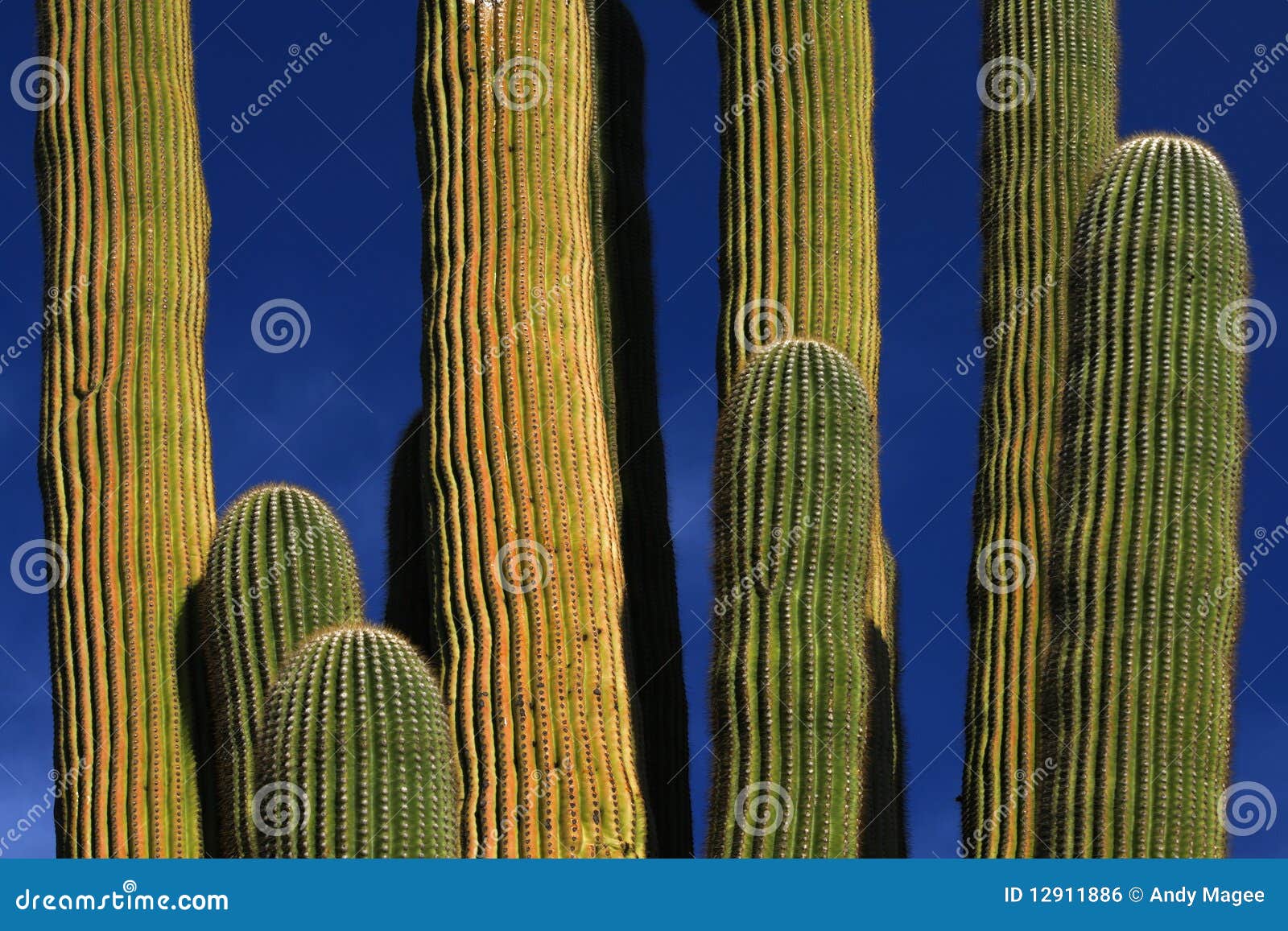
Imagine a bee’s morning routine: the sun has barely cracked the horizon when it sets off, navigating a labyrinth of cactus spines and rocky terrain. Its mission? To collect nectar and pollen from flowers that may be scattered miles apart. This isn’t a casual stroll—it’s a high-stakes expedition. Some cactus species, like the saguaro, produce flowers that open only at night, forcing bees to adapt their schedules. Others, like the prickly pear, have flowers that bloom for just a single day, demanding immediate action.
The bee’s body is a marvel of adaptation. Its proboscis, a straw-like tongue, sips nectar while its legs and abdomen brush against the flower’s stamens, collecting pollen in specialized structures called corbiculae or “pollen baskets.” But here’s where it gets tricky: not all bees are equal. Some species are generalists, flitting between flowers willy-nilly, while others are cactus specialists, their bodies perfectly shaped to access the deepest nectar chambers. Lose one, and the entire pollination network could unravel.
The Cactus Conundrum: Why Some Flowers Play Hard to Get
Not all cactus flowers are created equal. Some are open and inviting, their petals unfurling like a welcome mat. Others are coy, their blooms hidden deep within the plant or only accessible to bees with the right tools. Take the night-blooming cereus, for example. Its flowers unfurl after dark, releasing a heady fragrance to attract moths and bats. But by dawn, they’re already wilting. Bees that miss the window? Out of luck. Then there are the self-incompatible cacti, which refuse to pollinate themselves. These plants require cross-pollination, meaning bees must ferry pollen from one cactus to another—sometimes miles away. It’s a game of botanical telephone, where a single misstep could spell disaster.
This selective breeding strategy is a double-edged sword. On one hand, it ensures genetic diversity, creating hardier plants. On the other, it makes cacti vulnerable. If bees disappear, these plants could face a genetic bottleneck, leading to weaker offspring and, eventually, extinction. It’s a stark reminder that nature’s partnerships are as fragile as they are fascinating.
The Unseen Heroes: Bees That Don’t Fit the Mold
When we think of cactus pollinators, honeybees often steal the spotlight. But the real MVPs might be the underdogs: solitary bees, bumblebees, and even some wasps. Take the mason bee, for instance. Unlike honeybees, which live in colonies, mason bees are loners. They nest in pre-existing holes, often in cactus skeletons or rocky crevices, and their pollen-carrying habits are meticulous. Each trip, they visit dozens of flowers, ensuring a thorough dusting. Then there’s the long-horned bee, whose extra-long tongue can reach nectar in flowers that other pollinators can’t access. These bees are the cacti’s secret weapon—a diverse army working in silent, tireless harmony.
But here’s the kicker: many of these bees are in decline. Habitat destruction, climate shifts, and the overuse of pesticides are wiping out populations before we even understand their roles. What happens when the unsung heroes fade away?
Climate Change: The Ultimate Pollination Saboteur
The relationship between cacti and bees is a delicate balance, one that climate change is tipping with alarming speed. Rising temperatures are causing cacti to bloom earlier or later than usual, throwing off the synchrony with their pollinators. Bees, too, are struggling. Warmer winters disrupt their hibernation cycles, while erratic weather patterns make it harder for them to find food. Some cactus species may shift their ranges northward, but bees—especially those adapted to specific cacti—can’t always follow. It’s a domino effect: disrupt one piece, and the entire ecosystem trembles.
Consider the cholla cactus, whose flowers are a magnet for bees. If temperatures rise too quickly, the cholla might bloom before the bees emerge from their nests. Or worse, the bees might emerge too early, only to find the flowers have already withered. It’s a race against time, and in many cases, the bees are losing.
How You Can Help: Becoming a Pollinator Protector
The good news? You don’t need a PhD in entomology to make a difference. Start by planting native flowers that bloom at different times of the year, giving bees a steady food supply. Avoid pesticides, especially neonicotinoids, which are deadly to bees. Even something as simple as leaving a patch of bare soil in your garden can provide nesting sites for solitary bees. And if you’re feeling ambitious, consider installing a bee hotel—a cozy abode for solitary bees to lay their eggs.
But perhaps the most important step is awareness. Next time you see a bee hovering around a cactus, take a moment to appreciate the tiny, buzzing miracle at work. These insects aren’t just pollinators; they’re the thread holding together the tapestry of desert life. Lose them, and the entire landscape could change in ways we can’t yet imagine.
The Future of the Buzz: Can Cacti and Bees Survive Together?
The story of cactus pollinators is a tale of resilience, adaptation, and interdependence. It’s a reminder that even in the harshest environments, life finds a way. But it’s also a cautionary tale. The threats facing bees and cacti are real, and their fates are intertwined. Will we act in time to save them? Or will we stand by as another silent extinction reshapes the natural world?
One thing is certain: the dance between cacti and bees is far from over. It’s a performance that has played out for millennia, a ballet of thorns and wings, of nectar and pollen. And as long as there are bees willing to brave the spines and cacti willing to offer their blooms, this extraordinary partnership will endure—one tiny, buzzing step at a time.
FAQ
Why are bees important for cacti?
Bees provide essential pollination for cacti, ensuring their reproduction and contributing to the overall health of desert ecosystems.
What challenges do bees face in cactus pollination?
Bees face threats from climate change, habitat destruction, and pesticide exposure, which impact their populations and pollination efficiency.


Leave a Reply