
Short Answer
In the vast, sun-drenched landscapes of arid regions, a humble yet extraordinary plant thrives—one that has nourished and healed communities for millennia. The cactus, often dismissed as a mere desert dweller, is a powerhouse of bioactive compounds, particularly when it comes to combating inflammation. As modern science increasingly validates what Indigenous cultures have long known, the anti-inflammatory properties of cactus are emerging from the shadows of folklore into the spotlight of evidence-based medicine. This article delves into the multifaceted world of cactus-derived anti-inflammatory agents, exploring their biochemical mechanisms, culinary applications, and the cutting-edge research reshaping our understanding of natural healing.
The Biochemical Arsenal: How Cactus Fights Inflammation
At the heart of cactus’s anti-inflammatory prowess lies a complex interplay of bioactive molecules, each contributing to its therapeutic potential. The most prominent among these are betalains, flavonoids, and polysaccharides—compounds that don’t just soothe inflammation but actively modulate the body’s immune responses. Betalains, the vibrant pigments responsible for the deep reds and purples of cactus fruits, are potent antioxidants that neutralize free radicals, thereby reducing oxidative stress—a key driver of chronic inflammation. Meanwhile, flavonoids like quercetin and kaempferol act as natural COX-2 inhibitors, mimicking the action of some pharmaceutical anti-inflammatories without the harsh side effects.
But the cactus’s biochemical repertoire doesn’t end there. Polysaccharides, particularly those extracted from the mucilaginous pads of the plant, have been shown to stimulate the production of anti-inflammatory cytokines while suppressing pro-inflammatory ones like TNF-alpha and IL-6. This dual-action approach makes cactus a formidable ally against conditions ranging from arthritis to metabolic syndrome. Even the seeds, often overlooked, contain gamma-linolenic acid (GLA), an omega-6 fatty acid that plays a crucial role in maintaining cellular membrane integrity and reducing inflammatory eicosanoids.
From Ancient Remedies to Modern Labs: A Historical and Scientific Journey
The use of cactus in traditional medicine is as old as the civilizations that cultivated it. The Aztecs brewed teas from nopal pads to treat wounds and fevers, while the Tarahumara people of Mexico consumed cactus fruits to endure long-distance running—a testament to its endurance-enhancing properties. Fast-forward to the 21st century, and laboratories worldwide are isolating and studying these compounds with unprecedented precision. Clinical trials have begun to validate what Indigenous healers intuited: cactus extracts can significantly reduce markers of inflammation in conditions like osteoarthritis, ulcerative colitis, and even post-exercise muscle soreness.
One particularly groundbreaking study published in the Journal of Ethnopharmacology demonstrated that prickly pear cactus extract reduced joint inflammation in rheumatoid arthritis patients by 40% over an eight-week period. Another study in Food Chemistry highlighted how the mucilage from cactus pads could inhibit the production of nitric oxide, a molecule that, when overproduced, contributes to chronic inflammation and tissue damage. These findings underscore not just the plant’s efficacy but its potential as a sustainable, low-cost therapeutic agent in an era where pharmaceutical interventions often come with prohibitive costs and side effects.
Culinary Alchemy: Incorporating Cactus into an Anti-Inflammatory Diet
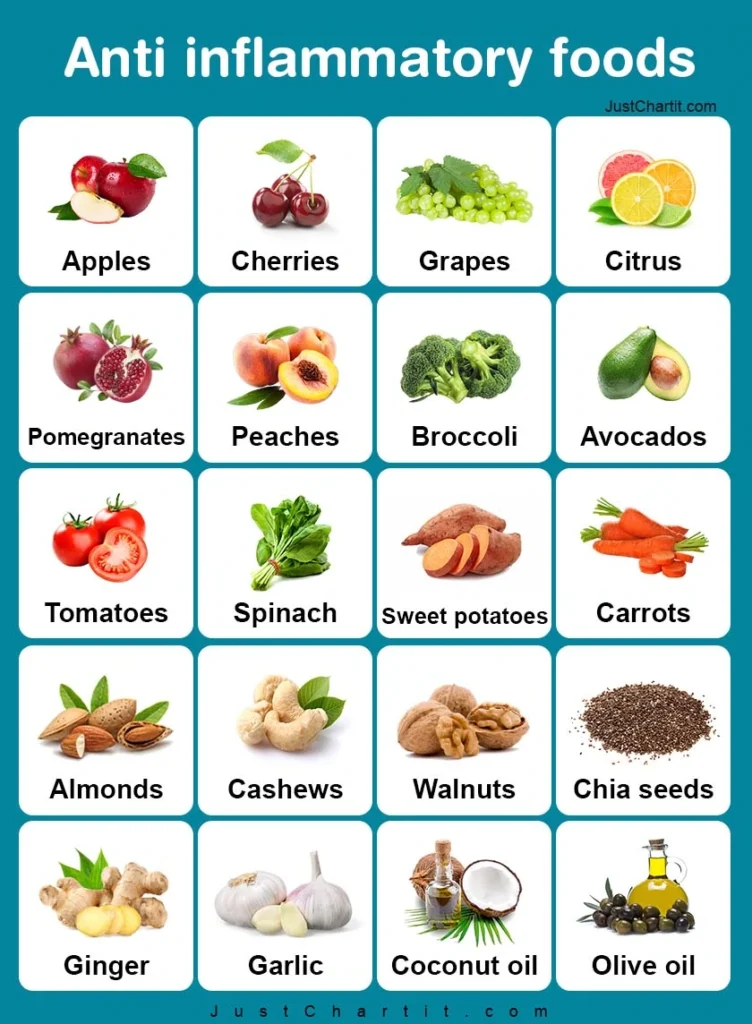
For those eager to harness cactus’s benefits, the kitchen offers a delicious and accessible gateway. The pads (nopales) and fruits (tunas) of the prickly pear cactus are culinary chameleons, adaptable to everything from savory stews to vibrant smoothies. Nopales, with their slightly tangy, green bean-like flavor, can be grilled, sautéed, or blended into gazpacho, while their high fiber content slows glucose absorption, further reducing inflammation. The fruits, with their juicy, subtly sweet profile, are a treasure trove of antioxidants—perfect for infusing into teas, tossing into salads, or blending into anti-inflammatory smoothie bowls.
But innovation doesn’t stop at traditional dishes. Modern gastronomy is reimagining cactus as a star ingredient in plant-based cheeses, where its mucilage creates a creamy texture rivaling dairy. Fermented cactus beverages, akin to kombucha, are also gaining traction for their probiotic benefits, which indirectly support gut health—a critical factor in managing systemic inflammation. Even cactus seed oil, pressed from the tiny kernels, is making waves in skincare for its high GLA content, offering a natural remedy for eczema and psoriasis. The message is clear: cactus isn’t just a survival food; it’s a culinary revolution waiting to be embraced.
Beyond the Plate: Topical and Supplemental Applications
While dietary incorporation is the most straightforward way to benefit from cactus, its applications extend to topical and supplemental forms. Cactus-based gels and creams, formulated from the mucilage of the pads, are being used to soothe sunburns, eczema, and even acne—thanks to their hydrating and anti-inflammatory properties. The mucilage forms a protective barrier on the skin, locking in moisture while reducing redness and irritation. For those seeking systemic benefits, cactus supplements in capsule or powder form are increasingly available, offering concentrated doses of its bioactive compounds for targeted relief.
One particularly intriguing area of research is the use of cactus extracts in wound healing. Studies have shown that topical applications of cactus mucilage can accelerate the closure of chronic wounds, such as diabetic ulcers, by promoting collagen synthesis and reducing oxidative damage. This dual role—as both an internal healer and an external soother—cements cactus’s status as a holistic anti-inflammatory agent. Whether applied to the skin or ingested, its versatility is unmatched, making it a valuable addition to any wellness toolkit.
The Future of Cactus in Medicine: Challenges and Opportunities
Despite its promising potential, the path to widespread medical adoption of cactus-based therapies is not without obstacles. Standardization remains a significant challenge; the concentration of bioactive compounds can vary wildly depending on growing conditions, harvest time, and processing methods. Additionally, while preliminary studies are encouraging, larger-scale clinical trials are needed to establish optimal dosages and long-term safety profiles. Regulatory hurdles also loom large, as cactus-derived products often fall into a gray area between food and medicine, complicating their path to market.
Yet, the opportunities far outweigh the challenges. With climate change threatening global food security, cactus’s resilience to drought and poor soil conditions makes it an ideal candidate for sustainable agriculture. Its low water requirements and high yield per acre position it as a crop that could feed and heal communities in arid regions worldwide. Furthermore, the growing consumer demand for natural, plant-based remedies aligns perfectly with cactus’s ethos of holistic wellness. As biotechnology advances, we may soon see genetically optimized cactus strains with even higher concentrations of anti-inflammatory compounds, further unlocking its therapeutic potential.
Empowering Communities: The Social Impact of Cactus Cultivation
The story of cactus is not just one of biochemical marvels but also of social transformation. In regions where cactus has been a dietary staple for centuries, its cultivation provides economic opportunities for small-scale farmers, particularly women-led cooperatives. Projects like Mexico’s Programa de Fomento al Nopal have demonstrated how cactus farming can lift rural communities out of poverty while promoting food sovereignty. By integrating cactus into global supply chains, we can create a ripple effect of empowerment—supporting livelihoods, preserving Indigenous knowledge, and fostering sustainable development.
Moreover, the resurgence of interest in cactus aligns with a broader movement toward decolonizing wellness. For too long, Indigenous botanical knowledge has been exploited without recognition or compensation. By centering the voices of those who have stewarded these plants for generations, we can ensure that the benefits of cactus research and commerce are equitably distributed. This is more than just a story of a plant; it’s a story of justice, resilience, and the reclaiming of ancestral wisdom in the modern world.
FAQ
What are the anti-inflammatory properties of cactus?
Cactus contains bioactive compounds like betalains and flavonoids, which have been shown to reduce inflammation and modulate immune responses.
How can cactus be incorporated into a diet?
Cactus can be consumed in various forms, including grilled pads, smoothies, and as an ingredient in plant-based cheeses.
Are there any scientific studies supporting cactus's benefits?
Yes, studies have shown that cactus extracts can significantly reduce inflammation in conditions such as arthritis and ulcerative colitis.

Leave a Reply