
Short Answer
In the arid landscapes where most plants wither, cacti thrive—unyielding, sculptural, and defiantly alive. Their resilience mirrors a quiet revolution in modern entrepreneurship: the rise of niche, sustainable businesses that refuse to conform to conventional expectations. A cactus business, whether rooted in live plants, succulent arrangements, or eco-conscious decor, isn’t just selling flora; it’s peddling a philosophy of endurance, adaptability, and understated elegance. Yet, for all their tenacity, cacti remain overlooked in the digital marketplace. Their online presence often mirrors the very sterility they reject—flat, uninspired, and as forgettable as a desert mirage. Marketing a cactus business online demands more than just pretty pictures; it requires a narrative as vivid and layered as the spines of a barrel cactus. Here’s how to cultivate a digital oasis that draws in customers like moths to a desert bloom.
The Art of Visual Storytelling: Why Your Cactus Needs a Mood Board
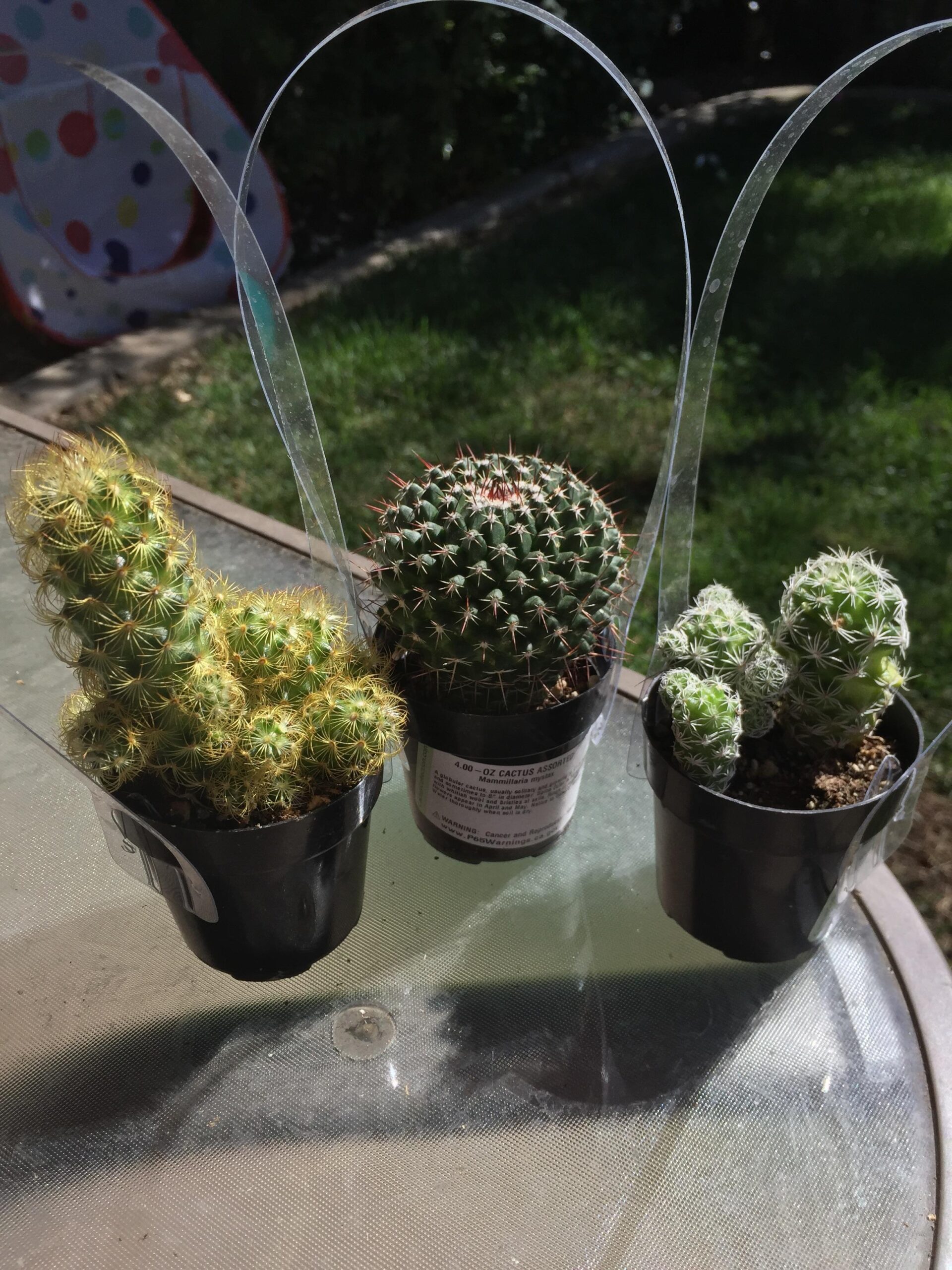
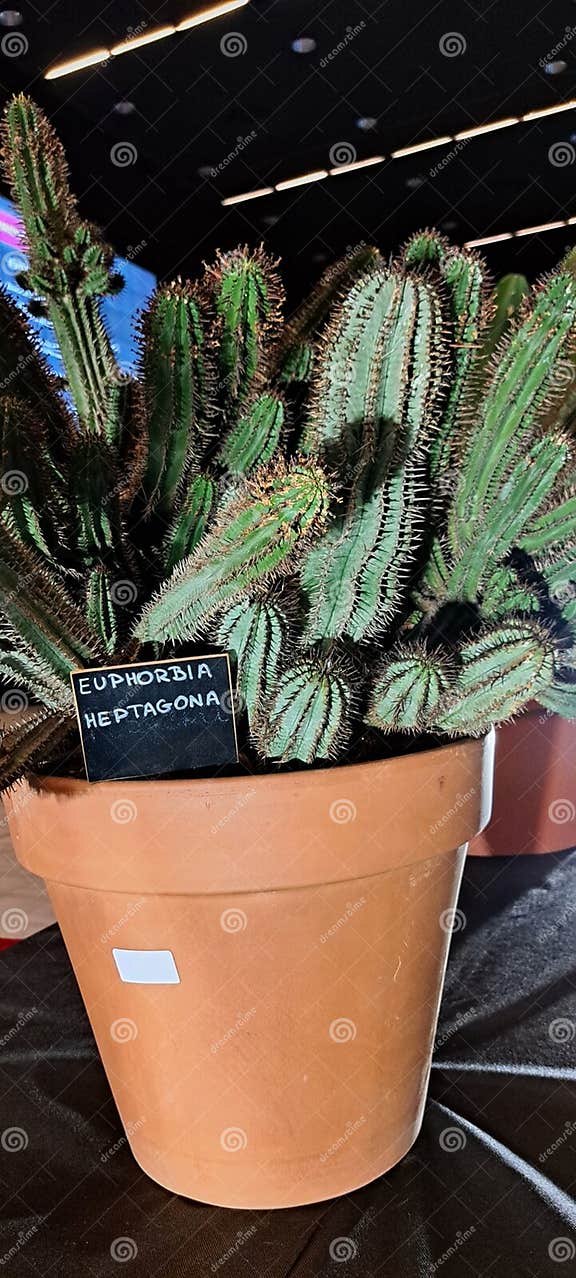
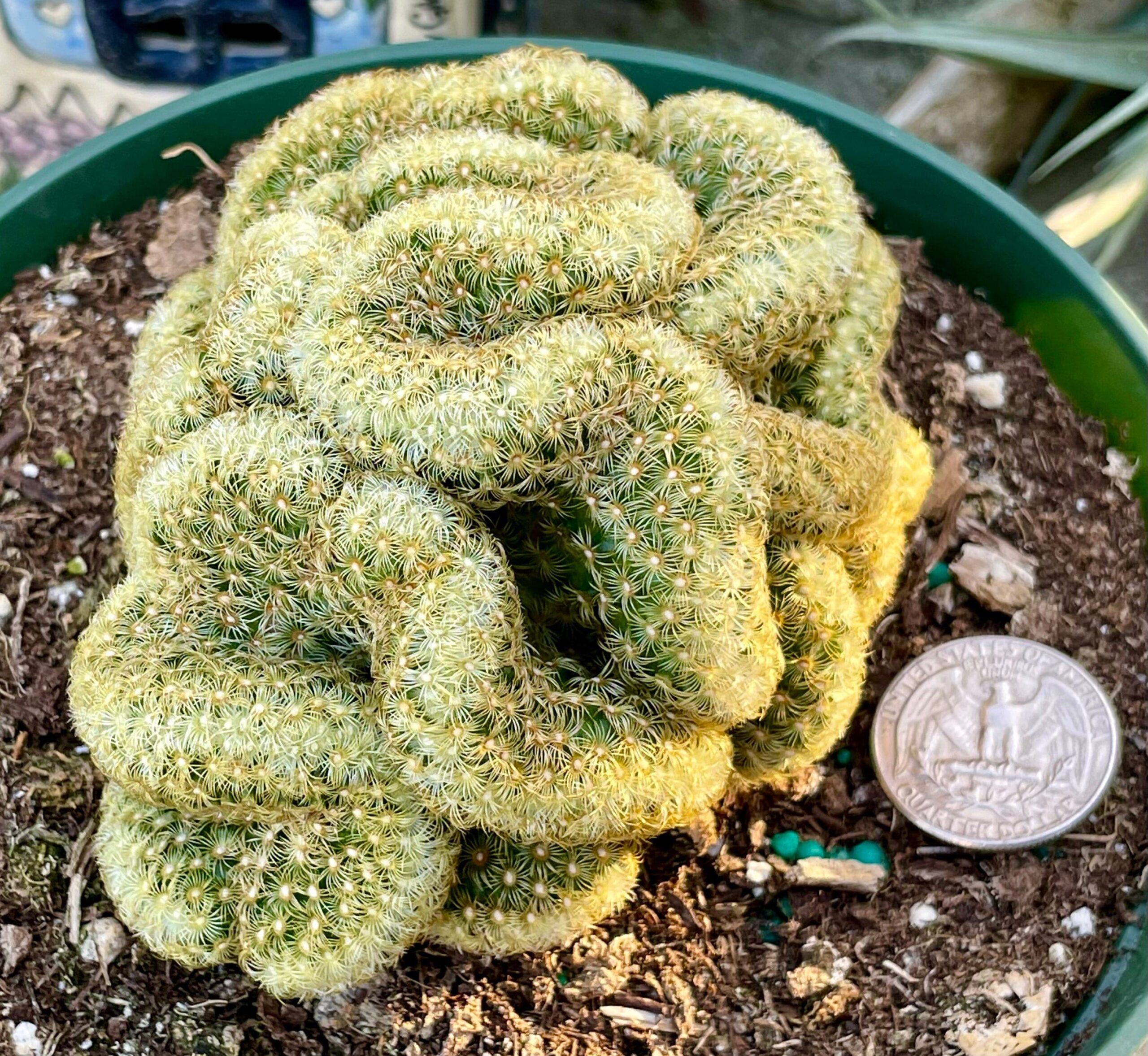
Humans are visual creatures, but not all visuals are created equal. A cactus business thrives on imagery that doesn’t just show a plant—it evokes a mood. Think of your social media feed as a curated gallery where each post is a brushstroke in a larger narrative. Start with a cohesive color palette: the muted greens of a saguaro against the terracotta of desert soil, the stark contrast of a white sand dune and a black-spined agave. Use filters sparingly; authenticity is key. A well-lit photograph of a prickly pear in a repurposed tin can tells a story of sustainability and resourcefulness. Meanwhile, a time-lapse of a blooming night-blooming cereus captures the ephemeral magic of nature’s patience. Your visuals should whisper, not shout—like the soft glow of moonlight on a cactus flower. Consistency in style builds recognition, turning casual scrollers into devoted followers who see your brand as an extension of their own aesthetic values.
SEO for the Succulent-Minded: Keywords That Bloom in Search Engines
Search engine optimization isn’t just about stuffing your website with the word “cactus.” It’s about understanding the psychology of your audience. What are they searching for when they type “low-maintenance plants for beginners”? Or “unique gifts for plant lovers”? The answer lies in long-tail keywords that reflect intent. Tools like Google’s Keyword Planner or Ubersuggest can unearth phrases like “drought-tolerant indoor plants for offices” or “handmade cactus terrariums for minimalist homes.” But SEO extends beyond text. Alt text for images should describe not just the plant but its essence: “A cluster of golden barrel cacti basking in indirect sunlight on a reclaimed wood shelf.” Internal linking between blog posts about cactus care and your product pages creates a web of relevance that search engines adore. And don’t forget local SEO—if you’re shipping plants, optimize for “cactus delivery in [your city].” The goal is to make your business the oasis that appears when someone is parched for inspiration.
Platform-Specific Strategies: Where to Plant Your Digital Seeds
Not all social media platforms are equal when it comes to cactus marketing. Instagram is the obvious choice, but treat it like a desert ecosystem: diverse niches thrive in different corners. Reels can showcase the satisfying crunch of repotting soil, while carousels can educate followers on the difference between a prickly pear and a dragon fruit cactus. Pinterest, often overlooked, is a goldmine for evergreen content. Create boards like “Desert-Inspired Home Decor” or “Cactus Care Hacks,” and link each pin to your shop. TikTok, with its algorithmic love for quirky trends, is perfect for behind-the-scenes content—like the painstaking process of grafting cacti or the joy of unboxing a rare specimen. LinkedIn might seem out of place, but it’s ideal for B2B opportunities, such as partnering with eco-friendly event planners or corporate wellness programs. Tailor your content to the platform’s rhythm, and you’ll avoid the digital equivalent of planting a saguaro in a rainforest.
Engagement That Doesn’t Wilt: Building a Community of Cactus Enthusiasts
A thriving cactus business isn’t just about transactions; it’s about fostering a subculture. Engagement isn’t a one-way street—it’s a conversation between spines and souls. Host live Q&As on Instagram where you debunk myths about cactus toxicity (spoiler: most are harmless). Run polls asking followers to vote on your next terrarium design. Create a hashtag challenge like #MyCactusStory, where customers share photos of their plants in unique settings. User-generated content is the lifeblood of modern marketing; it turns customers into evangelists. But engagement also means listening. Respond to comments with the same care you’d give to pruning a delicate graft. When someone asks, “Why do my cactus flowers wilt?” reply with patience, not a canned response. These interactions build trust, and trust is the root system of brand loyalty.
The Power of Micro-Influencers: Finding Your Desert Blooms
Influencer marketing isn’t about chasing the follower count of a Kardashian—it’s about finding the right voices in the right ecosystems. Micro-influencers, with their 10,000 to 100,000 followers, often have highly engaged audiences that trust their recommendations. Look for plant enthusiasts who specialize in xeriscaping, minimalist interiors, or even desert photography. A single post from a micro-influencer whose aesthetic aligns with your brand can yield more conversions than a paid ad to a broad audience. When reaching out, personalize your pitch. Instead of a generic DM, mention a specific post they’ve shared that resonated with you. Offer them a free cactus in exchange for an honest review, not a scripted endorsement. Authenticity is the currency of the influencer world, and nothing kills credibility faster than a forced promotion. The right influencer will make your cactus business feel like a discovery, not an advertisement.
Content That Doesn’t Go to Seed: Evergreen Ideas for Your Blog
A blog is more than a placeholder for keywords—it’s a repository of knowledge that positions your business as an authority. Start with foundational posts like “The Ultimate Guide to Cactus Care for Beginners” or “5 Common Mistakes New Cactus Owners Make.” But don’t stop there. Dive into niche topics like “The History of Cacti in Mexican Folk Art” or “How to Style Cacti in a Boho-Chic Bedroom.” Seasonal content, such as “Winter Cactus Care: Keeping Your Plants Thriving in the Cold,” keeps your site relevant year-round. Incorporate interviews with botanists or local growers to add depth. And don’t forget the power of lists: “10 Rare Cacti You’ve Never Heard Of” or “The Best Cactus-Themed Gifts for Plant Lovers.” Each post should answer a question, solve a problem, or spark curiosity. Over time, your blog becomes a digital garden where customers return not just to buy, but to learn—and learning builds loyalty.
Email Marketing: The Quiet Watering of Customer Relationships
In a world of fleeting social media posts, email marketing is the slow drip of water that keeps your audience hydrated. Start with a welcome series for new subscribers, offering a discount on their first purchase or a free care guide. Segment your list based on interests—send cactus care tips to beginners and advanced propagation techniques to seasoned growers. Use storytelling in your emails: share the journey of a rare cactus from seed to your inventory, or highlight a customer whose home garden was transformed by your plants. Personalization goes beyond using a subscriber’s name; it’s about tailoring content to their preferences. And don’t underestimate the power of a well-timed abandoned cart email. A gentle nudge like, “Your cactus is feeling lonely in your cart,” can turn hesitation into a sale. Email marketing isn’t flashy, but it’s steady—a reminder that your business is always there, like a dependable desert spring.
Analytics: The Compass for Your Digital Desert
You can’t improve what you don’t measure. Analytics tools like Google Analytics or Instagram Insights are your compass in the vast digital landscape. Track which posts drive the most traffic to your website, and double down on that content. Identify the demographics of your audience—are they urban millennials or suburban retirees? Adjust your messaging accordingly. Monitor your bounce rate; if visitors leave your site quickly, it’s a sign your content isn’t resonating. Use heatmaps to see where users click, and optimize your product pages for maximum conversions. But don’t get lost in the data. Numbers tell a story, but they don’t capture the emotional connection that turns a browser into a buyer. Balance analytics with intuition. If a post about “cacti in pop culture” performs unexpectedly well, explore why. Maybe it’s tapping into a deeper fascination with resilience in adversity. Let the data guide you, but trust your instincts to lead the way.
FAQ
What are effective social media platforms for marketing a cactus business?
Instagram, Pinterest, TikTok, and LinkedIn can be effective, each serving unique purposes in engagement and outreach.
How can SEO improve visibility for a cactus business?
By utilizing long-tail keywords, optimizing alt text for images, and focusing on local SEO, businesses can enhance their search engine rankings.

Leave a Reply